Gangster Cross Necklace Value Guide: 2026 Pricing & Materials
Assess gangster cross necklace value in 2026. We break down metal grades, pricing tiers, and how to avoid overpaying for plated or hollow streetwear pendants.

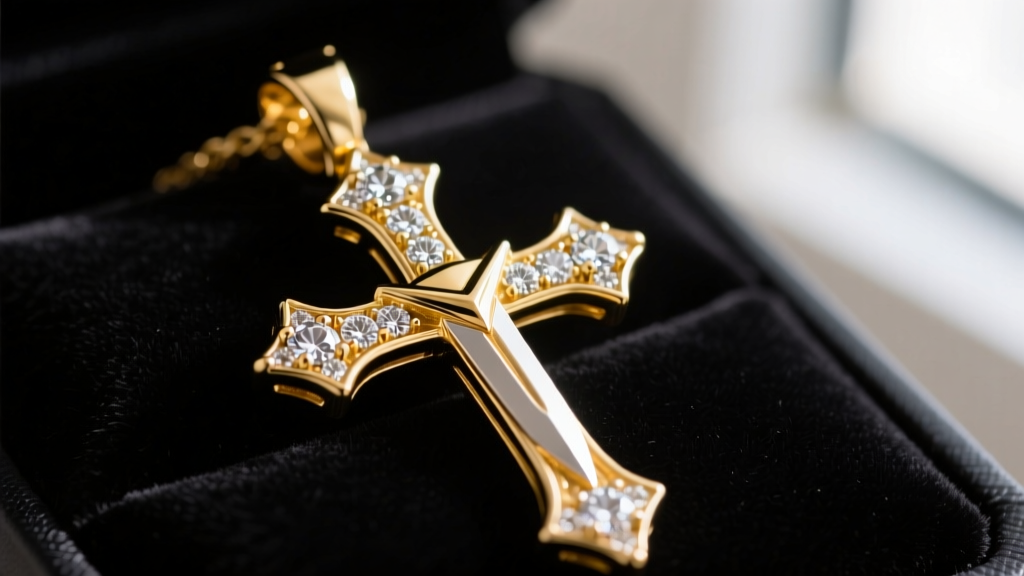
The gangster cross necklace has evolved from a niche subculture staple into a mainstream streetwear icon. Characterized by ornate filigree, dagger motifs, halo settings, and aggressive step-cut borders, these pendants demand attention. However, the 2026 market is flooded with everything from $15 zinc-alloy knockoffs to $5,000 custom lab-diamond pieces. For buyers, the challenge is no longer just finding a design—it is accurately assessing the true value, material integrity, and longevity of the jewelry. This guide breaks down the exact pricing tiers, material grades, and structural red flags you need to know before investing in a gangster cross necklace.
The Anatomy and Casting Methods of Urban Crosses
Before evaluating the metal, you must understand how the pendant is manufactured. The intricate 3D elements of a high-quality gangster cross—such as woven thorns, intersecting daggers, or deep undercuts in the filigree—require specific casting techniques.
- Lost-Wax Casting: The industry standard for premium streetwear jewelry. A wax model is 3D printed or hand-carved, encased in plaster, and burned out before molten metal is injected. This allows for deep, multidimensional details and structural integrity.
- Die-Casting / Stamping: Used for cheap, mass-market alloys. The resulting crosses are flat, lack deep undercuts, and often feature glued-on stones rather than proper settings. If a pendant looks flat and feels suspiciously light, it is likely die-cast base metal.
Weight is a primary indicator of value. A solid 14k gold 2.5-inch gangster cross should weigh between 10 and 18 grams. Hollow electroformed pendants might span 3 inches but weigh a mere 3 grams, making them highly susceptible to denting and impossible to repair if crushed.
Material Tiers: What You Are Actually Paying For
The base metal dictates the floor price of your necklace. According to the Federal Trade Commission Jewelry Guides, retailers must accurately stamp and disclose metal purities. Here is how the 2026 market segments materials and what you should expect to pay.
| Material Grade | Typical Weight (2-inch) | 2026 Price Range | Longevity & Failure Modes |
|---|---|---|---|
| Zinc/Brass Alloy (Plated) | 15 - 25g | $15 - $45 | Poor. Plating rubs off in 3-6 months; high copper content turns skin green due to sweat pH reactions. |
| 316L Stainless Steel (PVD) | 20 - 35g | $50 - $120 | Excellent. Highly scratch-resistant, waterproof, and hypoallergenic. PVD gold plating lasts years. |
| 925 Sterling Silver (Rhodium) | 8 - 14g | $120 - $350 | Very Good. Rhodium plating prevents tarnish. Prone to bending if the bail is too thin for heavy chains. |
| Solid 10k / 14k Gold | 8 - 18g | $600 - $2,500+ | Lifetime. Can be polished, repaired, and resized. Holds intrinsic melt value. |
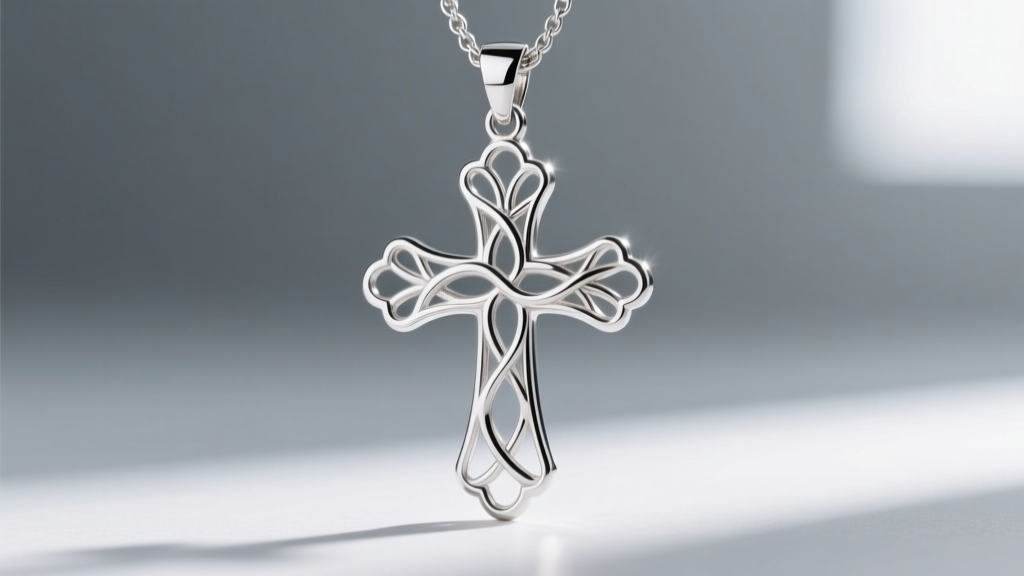
The 'Iced Out' Factor: CZ vs. Moissanite vs. Lab Diamonds
A defining feature of the modern gangster cross is the pavé stone setting. The type of stones used creates massive price discrepancies, and unscrupulous sellers often misrepresent them.
Cubic Zirconia (CZ)
High-grade VVS simulated CZ offers incredible brilliance but lacks durability. Over 2 to 3 years of daily wear, CZ stones will abrade, cloud, and scratch. If you are buying a CZ cross, you should only be paying for the metal weight and the labor of the stone setting—not a premium for the stones themselves.
Moissanite: The Mid-Tier Sweet Spot
Moissanite is exceptionally durable (9.25 on the Mohs scale) and exhibits more fire (dispersion) than a diamond. According to the Gemological Institute of America (GIA), moissanite possesses different thermal and electrical conductivity properties than diamond, meaning it will pass standard diamond testers but can be identified with advanced multi-testers. A 925 silver gangster cross set with colorless moissanite typically ranges from $250 to $450, offering a luxury look without the luxury tax.
Lab-Grown Diamonds
For buyers wanting genuine carbon crystals, lab-grown diamonds have disrupted the high-end streetwear market. The GIA notes that lab-grown diamonds possess the exact same optical, chemical, and physical properties as mined diamonds. A solid 14k gold cross featuring 2 to 3 carats of VS-clarity lab diamonds will generally cost between $1,200 and $3,000 in 2026—a fraction of what natural diamond equivalents cost, but still a significant investment.
Stone Setting Techniques: Prongs vs. Glue
Turn the pendant over and inspect the backplate. High-value gangster crosses feature micro-pavé prong settings or bezel settings where tiny metal beads are pushed over the girdle of the stone to secure it. If the back of the pendant is completely solid and flat with no visible prongs or open galleries, the stones are likely glued in place. Adhesive degrades when exposed to hot showers, chlorine, and body oils, leading to massive stone loss within the first year. Never pay a premium for glued stones.

Chain Pairings and Hardware Integrity
A heavy gangster cross pendant requires a chain that can support its weight without warping. A 15-gram pendant will easily snap a 2mm hollow rope chain. For optimal value and durability, pair your cross with:
- Franco Chains (4mm - 6mm): The V-shaped links provide incredible tensile strength and a fluid drape that prevents the heavy pendant from constantly flipping over.
- Cuban Links (5mm - 8mm): A streetwear classic. Ensure the links are soldered shut; unsoldered Cubans will stretch and pull apart under the weight of a large cross.
- Hardware: Always check the clasp. A standard spring-ring clasp is a major failure point for heavy pendants. Insist on a sturdy lobster clasp or, ideally, a box clasp with a secondary figure-eight safety latch.
Calculating Melt Value vs. Craftsmanship Premium
When evaluating a solid gold gangster cross necklace, use the melt value as your baseline negotiation tool. For example, if a 14k gold pendant weighs 15 grams, it contains roughly 8.77 grams of pure gold. By checking the daily spot price of gold, you can determine the intrinsic 'melt' value of the piece.
In the streetwear jewelry market, a fair craftsmanship premium for a detailed, lost-wax cast, hand-set pendant is typically 2.5x to 4x the melt value. If a retailer is charging 8x or 10x the melt value for a piece with standard CZ stones and no recognizable designer hallmark, you are being overcharged for the 'brand aesthetic' rather than the actual materials and labor. Conversely, if a piece is priced below its calculated melt value, it is almost certainly hollow, heavily alloyed, or fake.
Final Verdict: Where to Invest Your Budget
If your budget is under $100, abandon the pursuit of gold and invest in a high-quality 316L stainless steel pendant with PVD plating. It will outlast cheap brass alloys by a decade. For budgets between $200 and $500, a solid 925 sterling silver cross with moissanite stones offers the best intersection of brilliance, durability, and intrinsic metal value. For those spending over $1,000, demand solid 14k gold, lost-wax casting, micro-pavé prong settings, and verifiable lab-grown diamonds. By understanding these structural and material realities, you can confidently navigate the 2026 streetwear jewelry market and secure a piece that holds both cultural weight and financial value.


