Georg Jensen Silver Heart Necklace: Expert Cleaning & Care
Discover expert cleaning, polishing, and storage techniques to maintain the mirror finish of your Georg Jensen silver heart necklace.

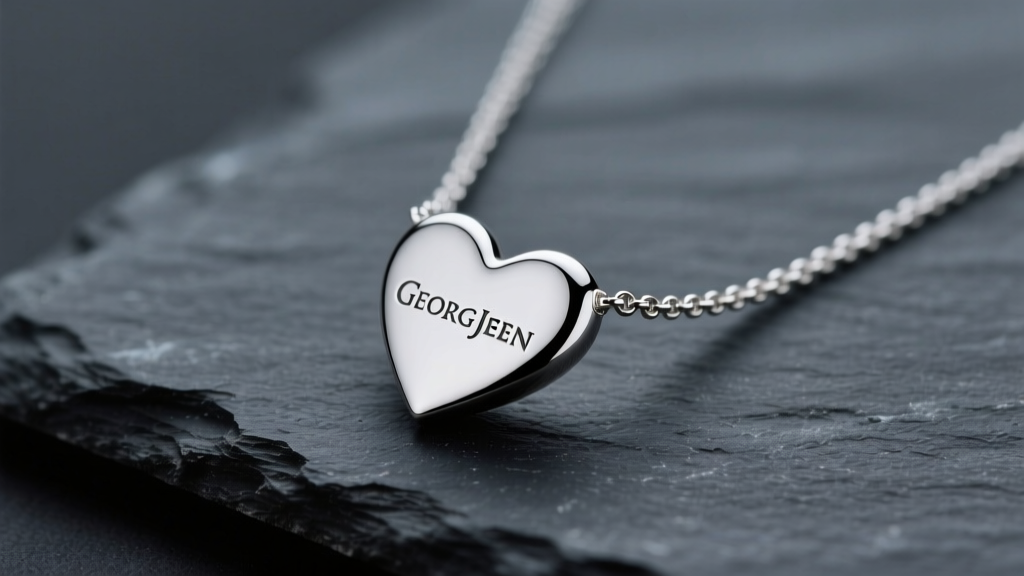
Owning a Georg Jensen silver heart necklace is an investment in iconic Scandinavian design and masterful silversmithing. Whether you wear the interlocking loops of the Heart of Georg Jensen collection, the fluid curves of the Mercy pendant, or a vintage heritage piece, the mirror-polished finish is a hallmark of the brand's uncompromising quality. However, sterling silver is a reactive metal. Without a rigorous, scientifically grounded care routine, environmental factors will inevitably dull its brilliance.
This comprehensive guide moves beyond generic jewelry advice. We will explore the specific metallurgy of Georg Jensen's 925 sterling silver, detail the chemical processes behind tarnish, and provide a step-by-step maintenance protocol designed to preserve the intricate contours and high-polish surfaces of your heart pendant.
The Metallurgy: Understanding 925 Sterling Silver and Tarnish
To properly care for your necklace, you must first understand its composition. Pure silver (999 fine silver) is too soft for daily wear jewelry. To achieve the structural integrity required for a durable pendant and chain, Georg Jensen utilizes the international sterling standard: an alloy consisting of exactly 92.5% pure silver and 7.5% copper.
While the silver provides the brilliant white luster, the copper is the culprit behind tarnish. When copper is exposed to hydrogen sulfide in the air, or to sulfur compounds found in everyday items like wool, rubber, and certain foods, a chemical reaction occurs. This forms silver sulfide (Ag2S), a dark, dull layer that manifests as yellowing, browning, and eventually black tarnish on the surface of your heart pendant. According to The Silver Institute, tarnish is not a defect or a sign of poor quality; it is a natural, inevitable chemical reaction that requires specific management.
Daily Wear Protocols and Preventative Maintenance
The most effective cleaning method is the one you never have to use. Preventing the buildup of silver sulfide and microscopic abrasions is paramount for preserving the factory mirror finish of a Georg Jensen piece.

The 'Last On, First Off' Rule
Cosmetics, perfumes, and hairsprays contain volatile organic compounds and alcohols that can leave a filmy residue on silver, accelerating oxidation and trapping dirt in the crevices of a heart motif. Always apply your beauty products and allow them to dry completely before putting on your necklace. Conversely, your necklace should be the first item you remove when returning home.
Skin pH and Environmental Factors
Human sweat is slightly acidic, typically ranging from a pH of 4.5 to 7.0. For individuals with highly acidic skin chemistry, the copper in the sterling alloy can react rapidly, causing the silver to darken within hours of wear. If you live in a high-humidity environment or near the ocean (where salt and moisture accelerate corrosion), you must be particularly diligent about wiping the pendant down with a dry, lint-free cloth immediately after removal.
Step-by-Step Cleaning Methods for Intricate Heart Pendants
When preventative measures are not enough, you must clean the necklace. Heart-shaped pendants, particularly those with overlapping loops or concave surfaces, trap skin oils and environmental dust. Choose your cleaning method based on the severity of the tarnish.
Method 1: The Mild Surfactant Wash (For Light Soil and Oils)
For routine cleaning to remove sebum and lotion buildup without affecting the silver's patina:
- Mix a few drops of phosphate-free dishwashing liquid (like Dawn) into a bowl of lukewarm distilled water. Avoid tap water, as chlorine and fluoride can cause spotting.
- Submerge the necklace for 3 to 5 minutes.
- Using an ultra-soft baby toothbrush, gently agitate the bristles along the inner curves of the heart pendant and the links of the chain. Never use medium or hard bristles, as they will inflict micro-scratches on the mirror finish.
- Rinse thoroughly under distilled water and dry immediately with a 100% cotton flannel cloth.
Method 2: The Electrochemical Aluminum Bath (For Heavy Tarnish)
If your necklace has developed heavy, black silver sulfide tarnish, you can reverse the chemical reaction using an ion-exchange bath. Warning: Do not use this method if your Georg Jensen piece features intentional oxidized detailing (darkened crevices for contrast) or any gemstone/enamel inlays.
- Line a glass bowl with heavy-duty aluminum foil, shiny side up.
- Place the tarnished silver necklace in direct contact with the foil.
- Sprinkle 2 tablespoons of baking soda and 1 tablespoon of sea salt over the jewelry.
- Pour boiling water into the bowl. You will immediately notice a sulfur (rotten egg) smell as the silver sulfide is converted back into pure silver, and the sulfur binds to the aluminum.
- Remove the necklace after 2 to 4 minutes using wooden tongs, rinse in distilled water, and buff dry.
Cleaning Method Comparison Chart
| Method | Best For | Abrasiveness | Risk to Intentional Patina |
|---|---|---|---|
| Mild Surfactant Wash | Daily oils, lotions, light dust | None (Zero) | None |
| Aluminum Electrochemical Bath | Heavy black tarnish | None (Chemical) | High (Strips all oxidation) |
| Commercial Silver Foam | Moderate tarnish, spot cleaning | Low (Micro-abrasive) | Moderate |
| Treated Polishing Cloths | Maintenance, quick shine | Low (Jeweler's rouge) | Low to Moderate |
Polishing Techniques: Preserving the Mirror Finish
Georg Jensen is renowned for its flawless, liquid-like mirror finishes. Improper polishing is the fastest way to destroy this effect, replacing it with a dull, scratched haze.
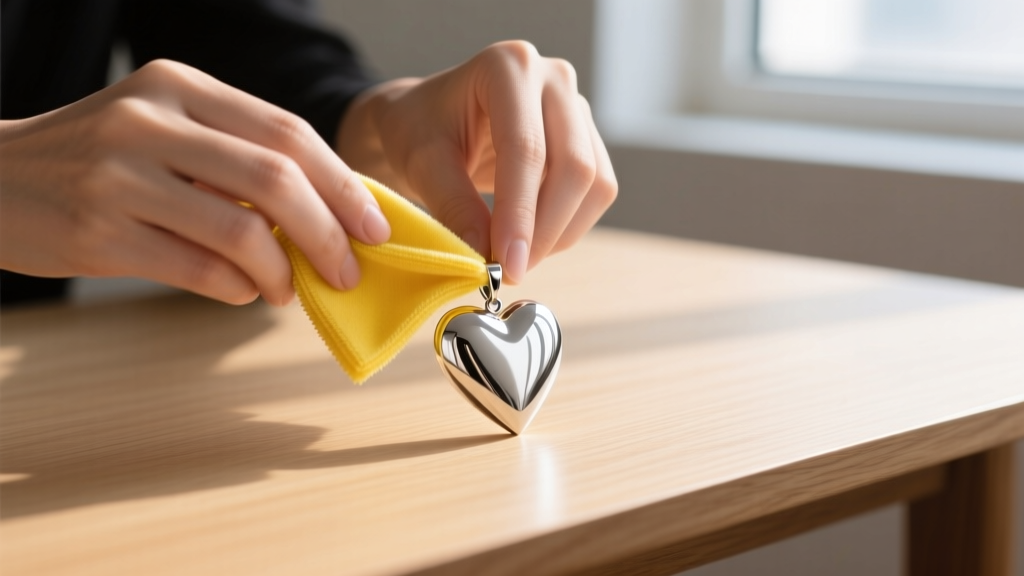
Never use paper towels, tissues, or toilet paper. These wood-pulp products contain microscopic fibers that act like sandpaper on polished silver. Instead, invest in high-quality, 100% cotton flannel or specialized microfiber jewelry cloths.
For active polishing, use a treated cloth impregnated with jeweler's rouge, such as a Sunshine Polishing Cloth. When polishing the heart pendant, use long, straight strokes rather than circular motions. Circular polishing can create visible, repetitive scratch patterns that catch the light and dull the reflection. Pay special attention to the bail (the loop connecting the pendant to the chain), as friction here often causes localized wear and tarnish buildup.
Proper Storage Solutions to Halt Oxidation
How you store your Georg Jensen silver heart necklace when not in use is just as critical as how you clean it. The goal of storage is to limit the metal's exposure to ambient humidity and sulfur compounds.
- Avoid Cardboard and Wood: Never store your silver in cardboard boxes or wooden jewelry armoires. Cardboard contains sulfur-based acids from the paper bleaching process, and raw wood emits acidic vapors, both of which aggressively promote tarnishing.
- Use Anti-Tarnish Strips: Place a 3M anti-tarnish strip inside the storage pouch. These strips contain copper-based polymers that act as sacrificial anodes, absorbing hydrogen sulfide from the air before it can reach your silver.
- Pacific Silvercloth: For long-term storage, wrap the necklace in a Pacific Silvercloth bag. This specialized cotton fabric is embedded with thousands of microscopic silver particles that intercept and neutralize tarnish-causing gases.
- Individual Polyethylene Bags: Seal the wrapped necklace in an airtight, zip-top polyethylene bag, squeezing out as much air as possible before sealing. Avoid polyvinyl chloride (PVC) plastics, which can off-gas chemicals that cause severe pitting in silver.
When to Seek Professional Georg Jensen Restoration
While home maintenance is highly effective for surface tarnish and daily grime, certain issues require the expertise of a certified silversmith or an authorized Georg Jensen service center.
If your heart pendant has acquired deep scratches, dents, or if the clasp mechanism (often a precision-engineered lobster or spring ring clasp) becomes stiff or fails to close securely, do not attempt DIY repairs. Furthermore, if your piece includes delicate elements like mother-of-pearl, quartz, or diamonds, avoid commercial ultrasonic cleaners. The high-frequency acoustic cavitation can loosen adhesive settings or fracture porous gemstones. As noted in the Gemological Institute of America's (GIA) care guidelines, mixed-material jewelry requires specialized, multi-step cleaning processes to ensure no single component is damaged by the treatment intended for another.
By adhering to these precise metallurgical and chemical care principles, your Georg Jensen silver heart necklace will retain its breathtaking Scandinavian elegance and structural integrity for generations, remaining a timeless focal point in your jewelry wardrobe.


