2026 Gift Guide: The Necklace 18 Inch Length Explained
Discover why the necklace 18 inch length is the ultimate jewelry gift. Our 2026 guide covers chain strength, occasion matching, and metal grades.

The Anatomy of the 18-Inch Necklace: Why It’s the Ultimate Safe Bet
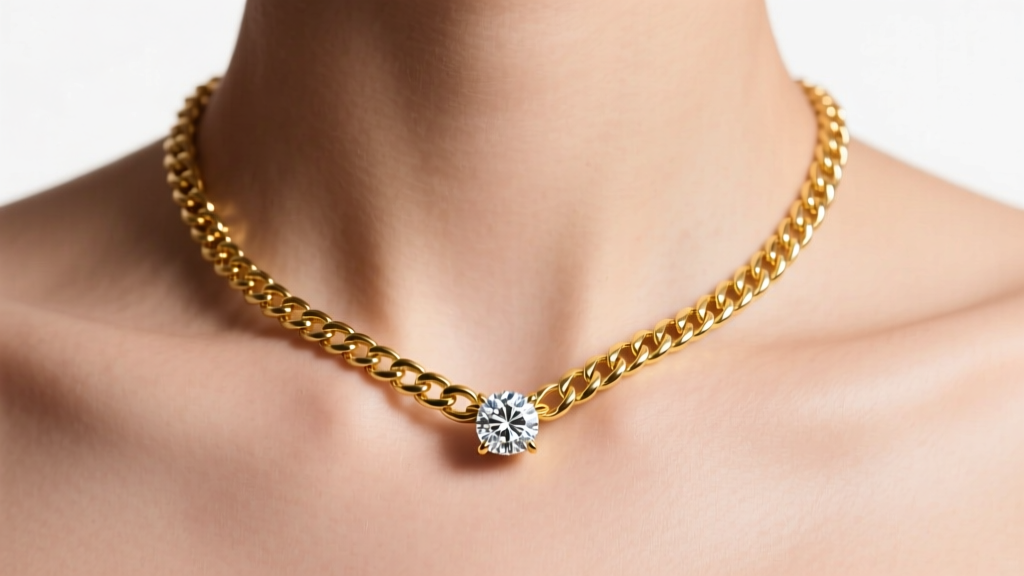
Gifting jewelry can feel like navigating a minefield of personal preferences, sizing issues, and style mismatches. Rings require exact finger measurements, bracelets can slide off, and earrings depend on whether the recipient’s lobes are pierced. Enter the universal savior of the jewelry gifting world: the princess-length chain. When you are evaluating a necklace 18 inch lengths sit precisely on the collarbone for the average woman (between 5’4” and 5’7”). This anatomical sweet spot makes it visible above most standard necklines—crew, scoop, and shallow V-necks—without getting lost in fabric or dangling awkwardly into the bust line.
From an expert perspective, the 18-inch drop (approximately 45.7 centimeters) offers the highest return on investment for a gift. It is long enough to slip over the head without a clasp if necessary, yet short enough to showcase a pendant directly in the wearer's line of sight. However, simply selecting the right length is only twenty percent of the battle. To truly impress in 2026, you must understand the metallurgy, chain architecture, and clasp mechanics that separate a cherished heirloom from a tangled disappointment.
Occasion Matching: Which 18-Inch Style Fits the Milestone?
An 18-inch chain is a blank canvas. The occasion dictates the pendant weight, metal color, and chain profile you should select. According to the Jewelers of America, consumers are increasingly prioritizing durability and everyday wearability over purely ornamental designs, meaning your gift must withstand daily friction.
Anniversaries & Romantic Milestones
For romantic milestones, the focus should be on premium metals and timeless geometry. An 18-inch chain crafted in 18k yellow gold (75% pure gold alloyed with copper and silver for a warm hue) paired with a bezel-set diamond solitaire is the gold standard. The bezel setting is crucial here: unlike prong settings, which can snag on silk blouses or cashmere sweaters, a bezel encases the diamond’s girdle in a smooth metal rim. For a 0.25 to 0.50-carat diamond, pair it with a 1.5mm cable chain. Anything thicker will overpower the stone; anything thinner risks snapping under the pendant's kinetic movement.
Graduations & Career Achievements
Graduation gifts require a blend of modern minimalism and professional polish. Platinum or 14k white gold (alloyed with nickel or palladium and plated in rhodium for a mirror finish) are ideal for the boardroom. Consider an 18-inch box chain featuring a horizontal bar pendant engraved with coordinates or a subtle Roman numeral date. Box chains reflect light beautifully and offer a contemporary, architectural look that pairs perfectly with structured blazers and silk blouses.
Birthdays & "Just Because" Gifts
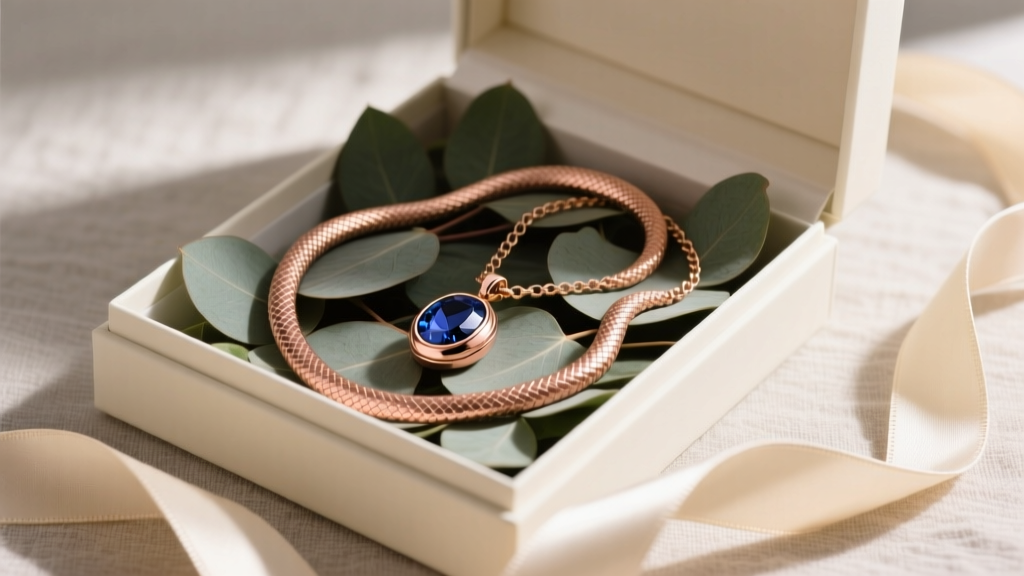
For birthdays, personalization is key. An 18-inch rose gold chain featuring a locket or a birthstone-encrusted initial pendant strikes the right emotional chord. Rose gold, alloyed with a higher percentage of copper, offers a vintage, romantic blush that flatters almost all skin undertones. If the recipient is a frequent traveler or has an active lifestyle, opt for a 316L surgical stainless steel alternative, which offers incredible tarnish resistance and tensile strength at a fraction of the precious metal cost.
Chain Profiles and Tensile Strength: A Technical Buyer's Guide
Not all chains are created equal. The structural integrity of an 18-inch necklace depends entirely on its link architecture. A common failure mode in gifted jewelry is chain breakage due to selecting a delicate profile for a heavy pendant. Below is a technical breakdown of the four most common chain styles you will encounter when shopping for a necklace 18 inch length.
| Chain Style | Link Architecture | Tensile Strength | Common Failure Modes | Best Pendant Weight |
|---|---|---|---|---|
| Cable | Uniform oval links connected at alternating 90-degree angles. | Medium | Link stretching over time if pulled. | Light (under 5 grams) |
| Rolo | Thick, interlocking D-shaped or round links. | High | Rare; highly resistant to snapping. | Heavy (5 to 15 grams) |
| Box | Square links fitted tightly together to form a smooth tube. | Medium-High | Hair snagging; kinking if bent sharply. | Medium (3 to 8 grams) |
| Snake | Tightly joined wavy rings forming a flexible, tubular mesh. | Low | Permanent kinking if folded; snapping under weight. | None (wear alone) |
Expert Insight: Never gift a snake chain with a pendant. Snake chains lack the structural rigidity to support localized weight. The constant friction and bending at the bail (the loop holding the pendant) will cause the tubular mesh to fracture within months. If you are gifting a heavy gemstone or solid gold pendant, a Rolo chain is the only mathematically sound choice for long-term survival.
Clasp Mechanics: Don't Ruin the Gift with a Weak Closure
The clasp is the single most critical mechanical component of any necklace, yet it is frequently overlooked by amateur buyers. A broken clasp means a lost necklace. When evaluating an 18-inch chain, inspect the closure mechanism closely.
- Spring Ring Clasps: These are the small, perfectly circular clasps operated by a tiny lever. They are inexpensive and ubiquitous, but they suffer from spring fatigue. The internal tension spring often fails after a year of daily use, and the small lever is notoriously difficult for individuals with long fingernails or limited dexterity to operate.
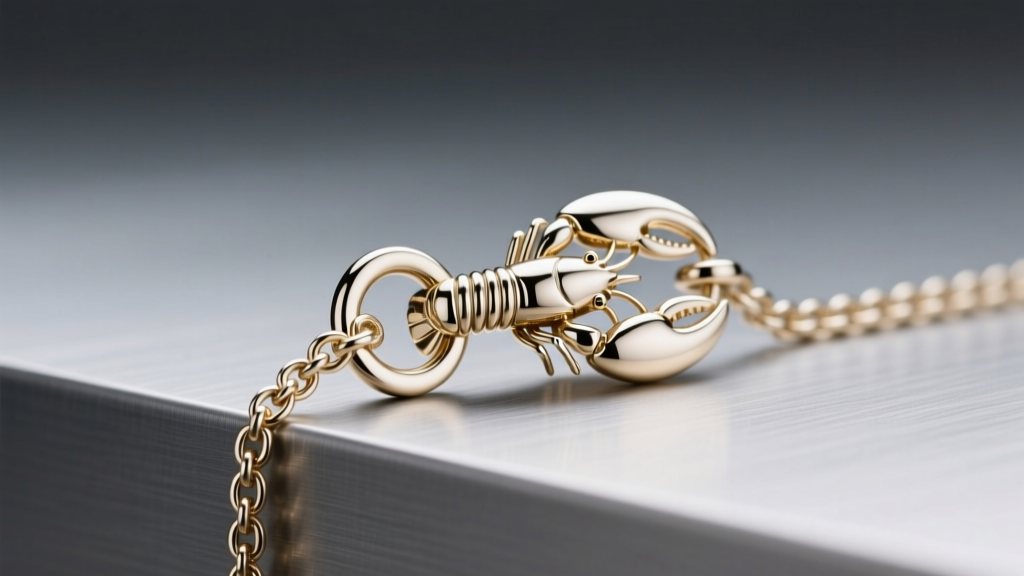
- Lobster Claw Clasps: The industry standard for quality jewelry. Shaped like a lobster’s claw, these feature a thicker, more robust internal spring and a wider opening. They offer superior shear strength and are significantly easier to manipulate. Always ensure the jump ring (the loop the clasp hooks into) is soldered shut; an unsoldered jump ring will easily pull apart under tension.
- Magnetic Clasps: While excellent for accessibility, magnetic clasps possess poor shear strength. A sudden tug on the 18-inch chain will cause the magnets to slide apart, dropping the necklace. Only gift magnetic clasps if they feature a secondary locking mechanism or a safety chain.
2026 Pricing Tiers: What to Expect When Shopping
Understanding market pricing prevents you from overpaying for branded markup or underpaying for suspicious, potentially counterfeit alloys. Based on current precious metal spot prices and manufacturing standards, here is what you should expect to pay for a high-quality 18-inch necklace in 2026.
The Accessible Tier ($40 - $150)
In this range, you are looking at 925 sterling silver (often rhodium-plated to prevent tarnishing) or gold vermeil (a thick layer of 14k or 18k gold over a sterling silver base). According to the Federal Trade Commission’s Jewelry Guides, vermeil must have a minimum gold thickness of 2.5 microns. Brands in this tier are excellent for trendy, fashion-forward birthday gifts, but expect the gold plating to wear through to the silver base after 12 to 18 months of daily friction.
The Core Investment Tier ($300 - $850)
This is the sweet spot for meaningful gifts like graduations or early anniversaries. Here, you transition into solid 10k and 14k gold (yellow, white, or rose) and platinum-plated brass. A solid 14k gold 18-inch Rolo chain (weighing around 3 to 5 grams) will typically cost between $400 and $600, depending on the exact gram weight and craftsmanship. This tier offers lifetime durability; 14k gold will not flake, peel, or tarnish, and it can be easily polished to remove micro-scratches.
The Luxury & Heirloom Tier ($1,200+)
Reserved for major anniversaries and milestone celebrations. This tier features solid 18k gold, platinum chains, and incorporates natural or lab-grown diamonds graded by reputable institutions like the Gemological Institute of America (GIA). An 18-inch platinum chain with a GIA-certified 0.50ct diamond solitaire pendant will easily command prices starting at $2,500, reflecting both the intrinsic metal value and the precision of the gemstone cutting.
Expert Gifting Checklist
Before you finalize your purchase and check out, run your selection through this rapid-fire quality assurance checklist:
- Verify the Length: Confirm the listing explicitly states 18 inches (45cm). Some brands sell 16-inch "chokers" with a 2-inch extender chain; these lack the structural drape of a true 18-inch chain.
- Check the Clasp: Upgrade to a lobster clasp if the piece currently features a spring ring.
- Match the Pendant to the Chain: Ensure the pendant bail (the hole) is wide enough to slide smoothly over the chain links without catching.
- Inspect the Solder: Look closely at the jump rings at both ends of the chain. They must be soldered completely shut.
- Request a Gift Receipt: Metal allergies (specifically to nickel in white gold) are highly personal. A gift receipt allows the recipient to exchange for a hypoallergenic platinum or high-karat yellow gold alternative if necessary.
By treating the selection of an 18-inch necklace as an exercise in material science and thoughtful occasion-matching, you elevate your gift from a simple accessory to a deeply considered, enduring treasure.


