Gifting Silver: How Do You Clean Sterling Silver Necklace Jewelry
Discover the perfect sterling silver necklace for any occasion and learn exactly how to clean, polish, and preserve your 925 silver jewelry gifts.

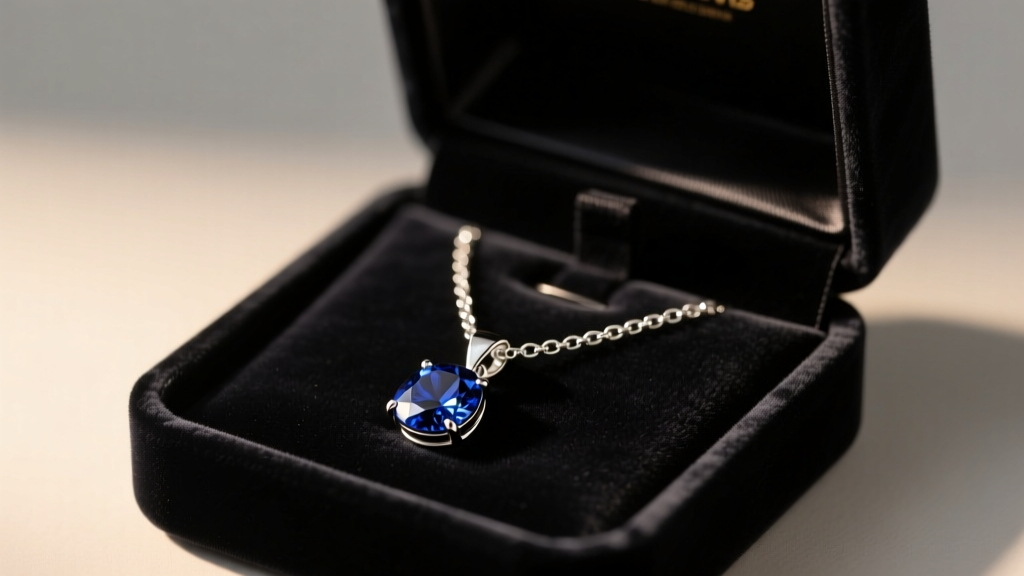
Gifting a sterling silver necklace is a timeless gesture that bridges the gap between everyday elegance and milestone luxury. Whether you are celebrating a graduation, an anniversary, or a significant birthday, silver offers a versatile, luminous canvas that suits every personal style. However, the brilliance of 925 sterling silver comes with a chemical caveat: tarnish. When your friends, partners, or family members inevitably ask, "how do you clean sterling silver necklace pieces without ruining the finish?" you want to be equipped with the right knowledge. This comprehensive guide pairs the perfect silver necklace styles with specific life occasions and provides a masterclass in silver maintenance, ensuring your gift remains as radiant as the day it was unwrapped.
The Ultimate Sterling Silver Occasion Gift Guide
Before diving into maintenance, selecting the right alloy and design for the recipient's lifestyle is crucial. Not all silver is created equal, and understanding the nuances between standard sterling and modern alloys can elevate your gift from thoughtful to extraordinary.
Milestone Anniversaries & Romantic Gestures
For romantic milestones, consider gifting Argentium silver rather than traditional 925 sterling. While standard sterling is 92.5% silver and 7.5% copper, Argentium silver (often 93.5% or 96% silver) replaces some of the copper with germanium. This metallurgical tweak makes Argentium highly resistant to tarnish and gives it a brighter, whiter luster that rivals platinum. A delicate Argentium silver lariat necklace or a bezel-set diamond pendant is perfect for a partner who loves luxury but despises high-maintenance jewelry care.
Graduations & Professional Milestones
Graduations call for pieces that transition seamlessly from campus to the corporate world. Opt for 925 sterling silver minimalist bar necklaces, geometric pendants, or subtle compass motifs. Look for pieces that feature a rhodium plating over the sterling silver. Rhodium, a precious metal in the platinum family, provides a hard, tarnish-resistant shield that keeps the necklace looking like white gold for the first few years of wear. According to the Gemological Institute of America (GIA), rhodium plating is an excellent barrier against the sulfur compounds that cause silver to darken.
Birthdays & Personalized Sentiments
Birthdays are ideal for birthstone pendants or initial lockets set in oxidized sterling silver. Oxidized (or antiqued) silver has been intentionally exposed to sulfur to create dark, blackened crevices that highlight intricate engraving or filigree work. Gifting an oxidized piece means the recipient never has to worry about "ruining" the patina—in fact, the dark contrast is the intended design feature.
The Science of Tarnish: Why Silver Darkens
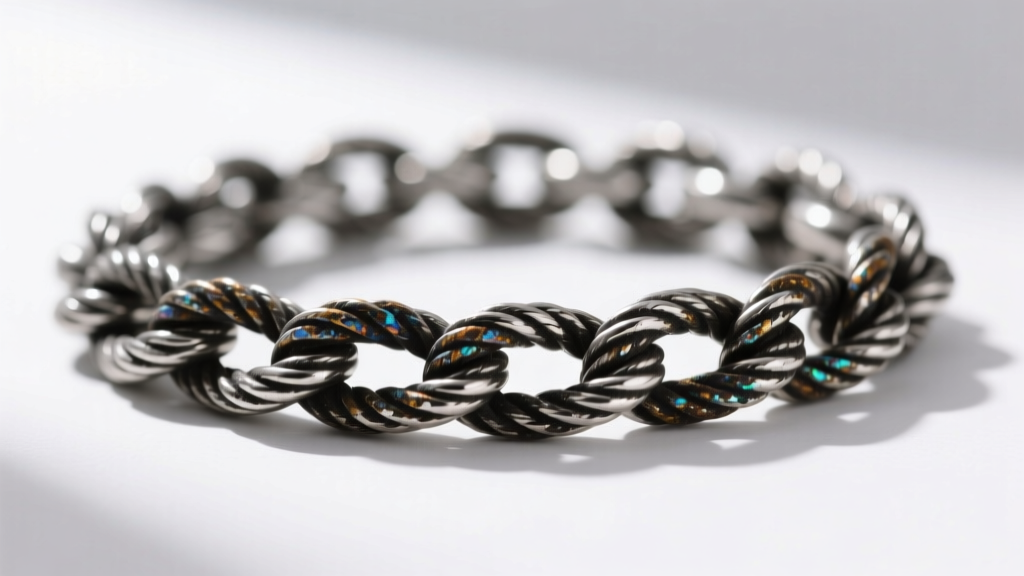
To understand how to clean silver, you must understand why it tarnishes. Pure silver (99.9%) is virtually immune to tarnish, but it is too soft for jewelry making. To add durability, jewelers alloy it with copper to create 925 sterling silver. It is this 7.5% copper that reacts with hydrogen sulfide and moisture in the air, forming copper sulfide—the dark, dull layer we recognize as tarnish. High humidity, air pollution, and everyday chemicals like perfume, hairspray, and even the natural pH of the wearer's skin can accelerate this chemical reaction. The Silver Institute notes that regular wear actually helps slow tarnish buildup, as the natural oils in human skin and the friction of clothing gently polish the metal.
How Do You Clean Sterling Silver Necklace Gifts? (Step-by-Step)
When recipients wonder how do you clean sterling silver necklace chains and pendants safely, the answer depends entirely on the severity of the tarnish and the presence of gemstones. Here are the two most effective, jeweler-approved methods.
Method 1: The Daily Maintenance Wash (Light Tarnish & Dirt)
For necklaces that have accumulated everyday body oils, lotion residue, and mild dullness, a gentle wash is the safest route.
- Step 1: Mix a few drops of phosphate-free, mild dish soap (like Dawn) into a bowl of lukewarm water. Avoid hot water, which can shock or fracture porous gemstones like opals or turquoise.
- Step 2: Submerge the silver necklace for 3 to 5 minutes to loosen debris.
- Step 3: Gently agitate the chain with your fingers. For intricate links (like rope or box chains), use a baby-soft toothbrush to lightly sweep the crevices.
- Step 4: Rinse thoroughly under cool running water and pat completely dry with a lint-free microfiber cloth. Air-drying can leave water spots that mimic tarnish.
Method 2: The Electrochemical Foil Bath (Heavy Tarnish)
If the necklace has turned black or yellow and polishing cloths aren't cutting it, you can reverse the chemical reaction using a redox (reduction-oxidation) process. This method removes tarnish without stripping away any of the underlying silver.
- Line a glass or ceramic bowl with aluminum foil, shiny side up.
- Place the heavily tarnished sterling silver necklace on the foil, ensuring the metal touches the aluminum.
- Sprinkle 2 tablespoons of baking soda over the jewelry.
- Pour boiling water into the bowl until the necklace is fully submerged. You will immediately see bubbles and smell a faint sulfur (rotten egg) odor—this is the sulfur transferring from the silver to the aluminum.
- Let it sit for 2 to 5 minutes. Use wooden tongs to remove the necklace, rinse it well, and buff it dry with a soft cloth.
Expert Warning: Never use the boiling foil bath on necklaces featuring pearls, emeralds, opals, amber, or any gemstone held in place by adhesive, as the extreme heat and alkaline environment will destroy the stones and melt the glue.
Cleaning Methods Comparison Chart
Choosing the right maintenance routine ensures the longevity of the piece. Use this chart to determine the best approach based on the necklace's condition and materials.
| Cleaning Method | Best Used For | Pros | Cons & Risks |
|---|---|---|---|
| Mild Soap & Water | Light dirt, body oils, everyday maintenance | Safe for almost all gemstones; inexpensive | Does not remove heavy chemical tarnish |
| Aluminum Foil Bath | Heavy black/yellow tarnish on plain chains | Reverses tarnish chemically; no abrasion | Destroys soft/porous gems; melts adhesives |
| Jeweler's Polishing Cloth | Moderate tarnish, quick touch-ups | Portable; leaves anti-tarnish residue | Can rub off intentional oxidized (antiqued) finishes |
| Commercial Silver Dips | Severe tarnish on complex, hard-to-reach chains | Extremely fast; reaches deep into chain links | Harsh chemicals; strips rhodium plating; requires thorough rinsing |
What to Avoid: Common Cleaning Mistakes
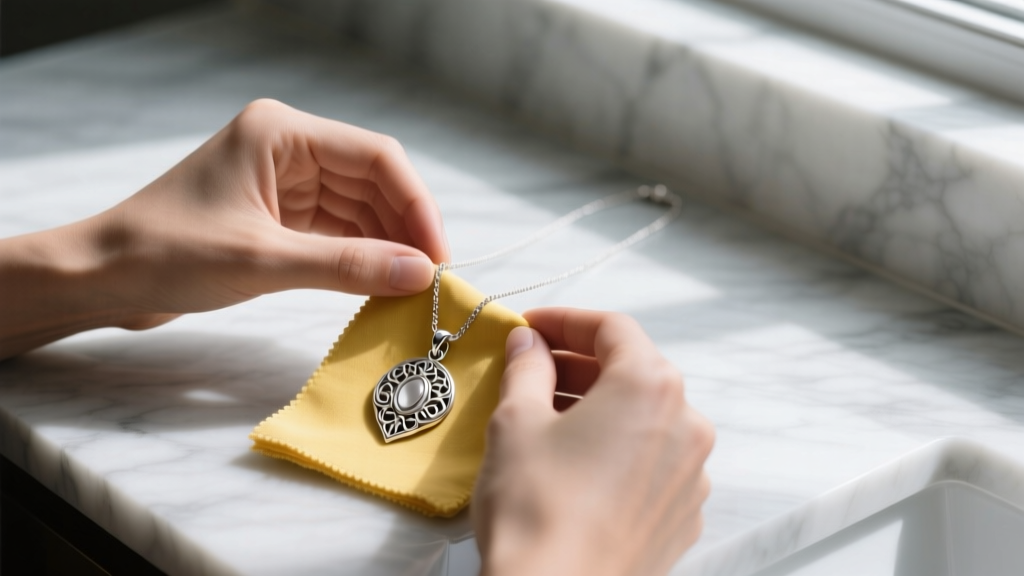
Well-intentioned cleaning can sometimes cause irreversible damage. If you are passing down care instructions with your gift, make sure to warn the recipient against these common household pitfalls:
- Toothpaste: A pervasive internet myth suggests scrubbing silver with toothpaste. Toothpaste contains hydrated silica and calcium carbonate, which are abrasive. These micro-scratches will permanently dull the mirror finish of your sterling silver and create microscopic grooves where future tarnish will quickly accumulate.
- Bleach and Chlorine: Never wear a sterling silver necklace in a swimming pool or clean it with bleach. Chlorine causes a rapid, severe chemical reaction that turns silver permanently black and makes the metal brittle, leading to chain breakage.
- Ultrasonic Cleaners: While ultrasonic machines are fantastic for cleaning diamond and sapphire tennis bracelets, the high-frequency vibrations can shatter fragile stones like turquoise, lapis lazuli, and tanzanite, or shake loose the settings on vintage pendants.
- Paper Towels and Tissues: Wood-pulp-based paper products contain microscopic fibers that can scratch high-polish silver. Always stick to 100% cotton flannel or microfiber cloths.
The Perfect Silver Gift Presentation Kit
To truly master the art of gifting silver, pair the necklace with a bespoke care kit. This not only elevates the unboxing experience but also provides the recipient with the tools they need to maintain the piece effortlessly. Consider assembling a small, elegant pouch containing the following:
- Sunshine or Treated Polishing Cloths: These yellow cloths are embedded with micro-abrasives and anti-tarnish agents that safely lift oxidation.
- 3M Anti-Tarnish Strips: These small, unobtrusive paper strips absorb airborne sulfur and hydrogen sulfide. Tucking one into the jewelry box will protect the necklace for up to 12 months.
- Pacific Silvercloth Storage Bag: Woven with thousands of micro-silver particles, this specialized fabric traps tarnish-causing gases before they reach the gifted necklace, making it the ultimate long-term storage solution.
By matching the right sterling silver design to the occasion and arming your recipient with the scientific know-how on how do you clean sterling silver necklace treasures, your gift transcends a simple accessory. It becomes a lasting heirloom, equipped to shine brilliantly for generations to come.


