Mackenzie Ziegler Clasp Necklace: Ultimate Care Guide
Learn how to clean, maintain, and protect your Mackenzie Ziegler clasp necklace from tarnish, clasp failure, and chain tangling with expert tips.

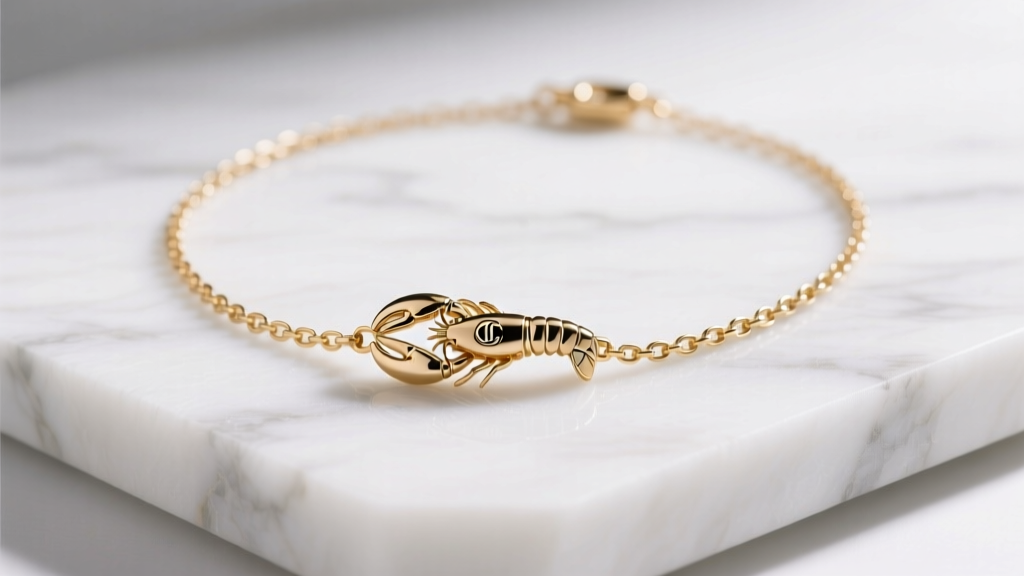
Understanding the Mackenzie Ziegler Clasp Necklace
Influencer-led jewelry lines have redefined accessible luxury, and the mackenzie ziegler clasp necklace is a prime example of this trend. Known for its delicate aesthetic, layered styling potential, and signature branded or decorative clasps, this piece is a staple in modern jewelry wardrobes. However, the very features that make it visually striking—fine 1.2mm cable chains and intricate clasp mechanisms—also make it highly susceptible to environmental wear, tangling, and mechanical failure if not maintained correctly.
Before diving into maintenance, it is crucial to understand the material composition. Most pieces in this style are crafted from 925 sterling silver or a brass base metal, finished with gold vermeil or flash plating. According to the Federal Trade Commission (FTC), true gold vermeil requires a base of sterling silver plated with at least 2.5 microns of 10k gold or higher. Flash-plated alternatives may have less than 0.5 microns, making them highly vulnerable to friction and chemical degradation. Knowing your exact plating thickness dictates your cleaning aggressiveness.
The Anatomy of the Clasp: Vulnerabilities & Maintenance
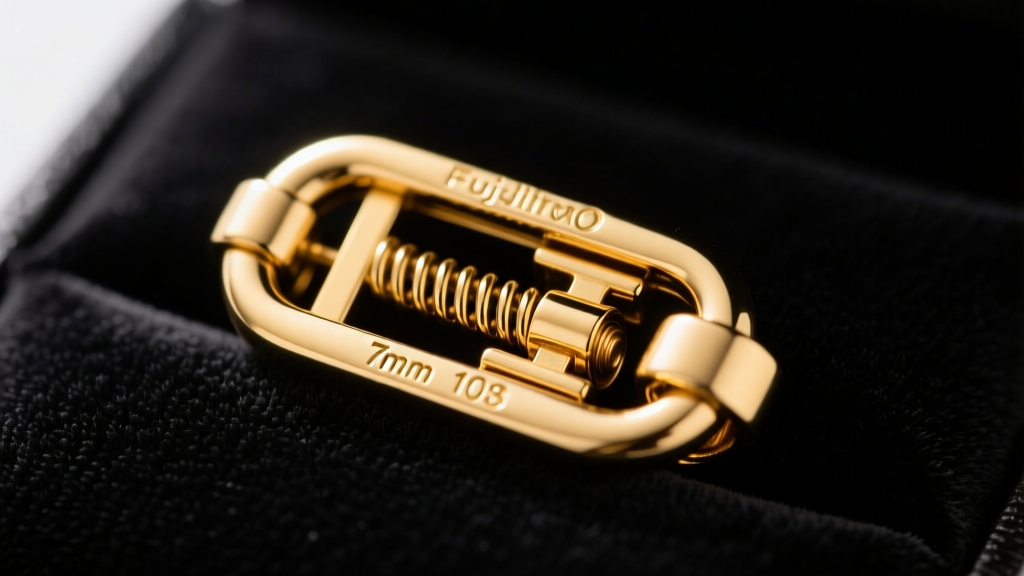
The clasp is the most critical mechanical component of any necklace. The mackenzie ziegler clasp necklace typically utilizes either a custom-stamped logo lobster clasp or a specialized spring-ring mechanism. These clasps contain a microscopic stainless steel or brass spring that provides the tension required to keep the lever shut.
Why Clasps Fail
The primary cause of clasp failure is the accumulation of microscopic debris—dead skin cells, lotion residue, and dust—inside the lever cavity. Over time, this paste-like buildup prevents the lever from closing flush, leading to accidental unhooking and lost jewelry. Furthermore, exposure to chlorinated water or high-sulfur environments can corrode the internal spring, resulting in a 'soft' clasp that no longer snaps back into place.
- Lubrication: Never use WD-40 or heavy oils on jewelry clasps. They attract more dirt and degrade gold plating.
- Debris Removal: Use a clean, dry interdental brush (size 0.4mm) to gently sweep the inside of the clasp lever once a month.
- Tension Testing: If the lever feels spongy, the internal spring has likely fatigued or corroded. A local jeweler can often replace a 7mm lobster clasp for $15–$25.
Step-by-Step Cleaning Protocol
When cleaning gold vermeil or plated silver pieces, the goal is to remove sebum and environmental pollutants without stripping the micron-layer of gold. The Gemological Institute of America (GIA) recommends mild, non-detergent soaps for delicate jewelry care.
The Safe Soak Method
- Prepare the Solution: Mix two drops of phosphate-free, mild dish soap (like Dawn Ultra) into a bowl of lukewarm distilled water. Avoid tap water, as trace minerals and chlorine can cause water spots on high-polish metals.
- Soak: Submerge the necklace for exactly 3 to 5 minutes. Do not exceed this time, as prolonged water exposure can weaken the adhesive on any pave-set cubic zirconia or moissanite accents near the clasp.
- Agitate Gently: Use a baby-soft toothbrush (bristles rated 'extra soft') to lightly brush the chain links and the clasp mechanism. Brush in the direction of the chain links to prevent snagging.
- Rinse and Dry: Rinse under a gentle stream of distilled water. Pat dry with a lint-free microfiber cloth, then lay flat on a paper towel to air-dry completely before storage.
Cleaning Agents: What to Use vs. What to Avoid
| Cleaning Agent | Verdict | Impact on Plated & Silver Jewelry |
|---|---|---|
| Mild Dish Soap & Distilled Water | ✅ Highly Recommended | Safely lifts oils without compromising the 2.5-micron gold vermeil layer. |
| Ultrasonic Cleaners | ❌ Never Use | High-frequency cavitation will strip flash plating and loosen pave stones instantly. |
| Baking Soda & Aluminum Foil | ⚠️ Use with Extreme Caution | Great for solid sterling silver, but the alkaline reaction will permanently discolor gold vermeil. |
| Commercial Silver Dips | ❌ Never Use | Contains thiourea and harsh acids that will dissolve the gold plating down to the brass base. |
| Isopropyl Alcohol (70%) | ✅ For Clasp Only | Use a Q-tip to sanitize the clasp mechanism, but avoid contact with the plated chain. |
Preventing Chain Tangling & Knotting
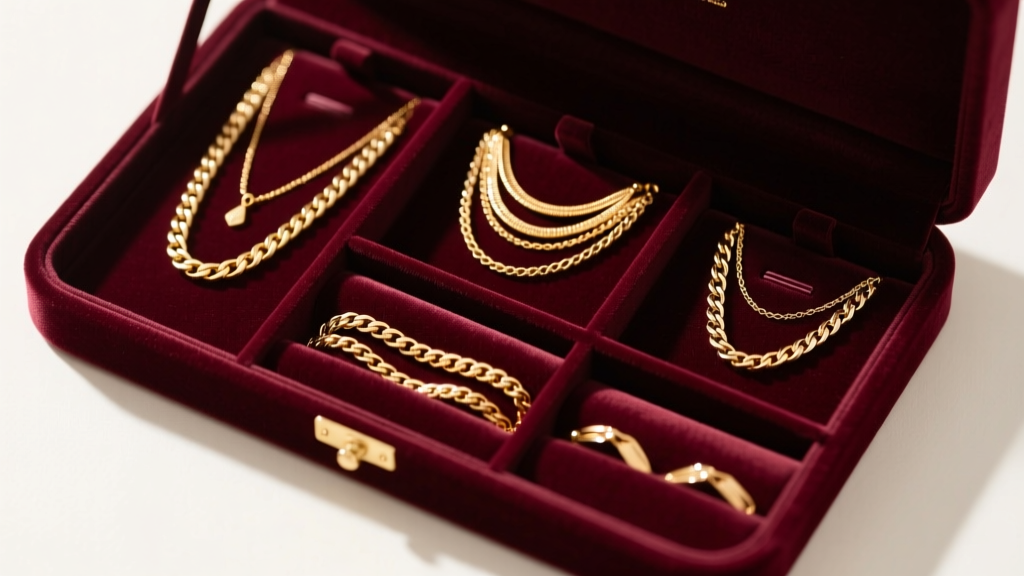
Delicate 1.2mm and 1.5mm chains are notorious for tangling, especially when stored loosely in a drawer or worn in layered stacks. The friction between multiple chains causes the links to weave together, forming micro-knots that can permanently deform the metal if pulled forcefully.
The Straw Trick for Stubborn Knots
If your mackenzie ziegler clasp necklace develops a tight knot, do not pull the ends. Instead, lay the chain flat on a hard surface. Apply a microscopic drop of baby oil or mineral oil directly to the knot to reduce friction. Insert a fine sewing needle or a straightened paperclip into the center of the knot and gently wiggle it outward. For chains that tangle frequently during travel, thread one end of the necklace through a plastic drinking straw and clasp it; this keeps the chain rigid and entirely tangle-free.
Long-Term Storage & Anti-Tarnish Strategies
Sterling silver and brass base metals oxidize when exposed to sulfur and humidity in the air. To preserve the brilliance of your necklace, proper storage is non-negotiable.
Expert Rule of Thumb: Never store your necklace in the bathroom. The fluctuating humidity and aerosolized hair products create a highly corrosive environment that accelerates tarnishing and degrades plating adhesion.
Store the necklace in an airtight polyethylene ziplock bag with a 3M anti-tarnish strip. These strips absorb sulfur gases and can protect jewelry for up to 12 months. Alternatively, use a jewelry box lined with Pacific Silvercloth, a specialized cotton fabric embedded with microscopic silver particles that intercept tarnishing gases before they reach your necklace.
Troubleshooting Common Issues
- Green Skin Discoloration: If the brass base metal is exposed due to plating wear, it reacts with sweat to create copper chloride. Apply a thin coat of clear nail polish to the inside of the clasp and the back of the pendant to create a temporary barrier.
- Stiff Clasp Lever: Dip a cotton swab in 90% isopropyl alcohol and swab the hinge of the clasp to dissolve hardened lotion buildup. Let it dry completely before wearing.
- Dull Chain Links: If the chain looks cloudy after cleaning, it may have hard water spots. Buff it gently with a dry, untreated jewelry polishing cloth (like a Sunshine cloth) using light, linear strokes.
By treating the mackenzie ziegler clasp necklace with the precision and care it demands, you ensure that both its mechanical integrity and its visual appeal remain intact for years of daily wear.


