Can You Wear a Necklace in Water? The Ultimate Metal Guide
Wondering if you can wear your necklace in water? Discover which metals survive pools, oceans, and showers, plus what to look for when buying.

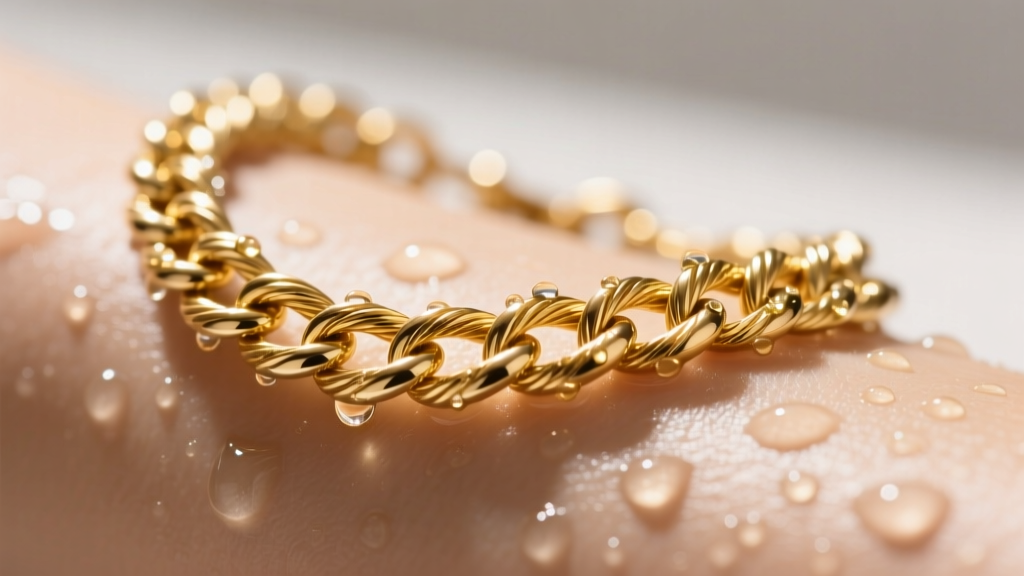
The Reality of the "Never Take It Off" Trend
The minimalist jewelry movement has popularized the idea of the "permanent" or "never take it off" necklace. But while sleeping in a delicate chain might only cause tangling, wearing a necklace in water introduces a volatile chemical environment that can destroy your jewelry in minutes. Whether you are stepping into a chlorinated pool, diving into the saltwater ocean, or simply taking a daily shower, the H2O molecule itself is rarely the culprit. It is the dissolved minerals, halogens, and surfactants in the water that wreak havoc on specific metal alloys and gemstone settings.
If you are shopping for a piece you intend to wear 24/7, understanding the metallurgical limitations of your jewelry is non-negotiable. This comprehensive buying guide breaks down exactly what happens to different metals when submerged, the hidden mechanical weak points in necklace construction, and how to shop for a truly waterproof piece in 2026.
The Chemistry of Water and Jewelry Metals
To make an informed purchase, you must first understand the three primary aqueous environments your necklace will face:
- Chlorinated Water (Pools & Spas): Hypochlorous acid and chlorine gas are highly reactive. They specifically target the alloyed metals (like copper and zinc) mixed into karat gold, leading to a phenomenon known as stress corrosion cracking. This can cause a solid gold chain to literally snap at the solder points.
- Saltwater (Oceans): Sodium chloride acts as an electrolyte, accelerating galvanic corrosion when two different metals are present (e.g., a gold chain with a steel clasp spring). Chlorides also break down the passive oxide layer on lower-grade stainless steels, causing micro-pitting.
- Freshwater & Showers: While chemically gentler, shower water contains hard minerals (calcium and magnesium) and soap surfactants. Over time, these create a stubborn, dulling film that lodges deep within the crevices of intricate chain weaves like rope or box chains.
"Consumers should be wary of the term 'waterproof' when applied to plated jewelry. The FTC Jewelry Guides require accurate representation of metal composition, as thin plating will inevitably compromise when exposed to prolonged moisture and friction." — Federal Trade Commission Jewelry Guidelines
Material Breakdown: What Survives and What Fails
Not all metals are created equal. When evaluating a necklace in water, the base material and its specific alloy composition dictate its lifespan.
The "Never Take Off" Tier: Platinum and Titanium
Platinum (Pt950): As a noble transition metal, platinum is entirely immune to water corrosion, chlorine, and saltwater. It will not tarnish, rust, or degrade. However, its high density makes it expensive and heavy, often limiting its use to pendant bails and high-end chains rather than everyday lightweight layering pieces.
Titanium (Grade 2 & Grade 5): Titanium forms a microscopic, self-healing passive oxide layer when exposed to oxygen. This makes it virtually impervious to both saltwater and chlorinated pools. In 2026, PVD (Physical Vapor Deposition) coated titanium has become the gold standard for affordable, waterproof jewelry. The PVD process bonds the color (like 18k gold or rose gold) at a molecular level, meaning it will not peel or wash off in the shower like traditional electroplating.
The "Shower Safe, Pool Risky" Tier: Solid Gold
14k and 18k Solid Gold: Pure 24k gold does not react with water. However, jewelry is alloyed for strength. 14k gold contains 41.7% alloy metals (often copper, silver, and zinc), while 18k contains 25%. Counterintuitively, 18k gold is more resistant to pool chlorine than 14k gold because it contains less copper. Copper reacts violently with chlorine to form copper chloride, which causes the metal to become brittle and snap. While solid gold is safe for showers and the ocean, frequent exposure to heavily chlorinated hot tubs will degrade 14k gold over time.
The "Immediate Damage" Tier: Vermeil, Plated, and Sterling Silver
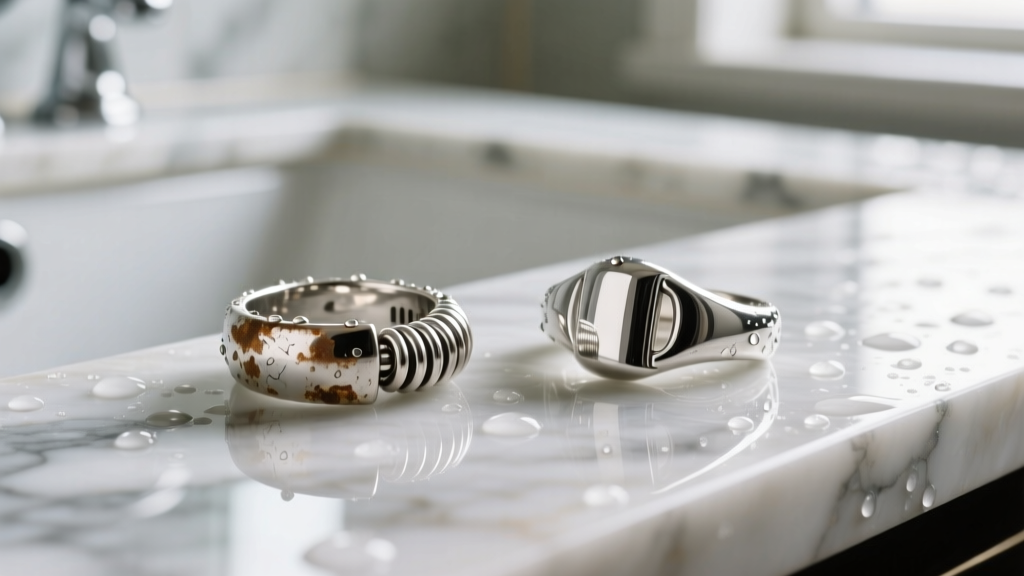
Sterling Silver (925): Silver reacts with chlorine almost instantly, forming silver chloride—a dark, irreversible tarnish that eats into the surface of the metal. Never wear a silver necklace in a pool.
Gold Vermeil & Gold Filled: Vermeil is a thick layer of gold over sterling silver. Gold filled is a thicker layer over brass or copper. While they survive freshwater showers for a few months, the underlying base metals will eventually oxidize if water breaches micro-scratches in the gold layer, causing the necklace to turn your skin green and blister.
The Hidden Weak Point: Clasps and Findings
The most critical failure point when wearing a necklace in water is rarely the chain itself—it is the clasp. According to jewelers, the majority of lost pendants occur because the internal mechanism of the clasp corroded.
Standard spring ring and lobster clasps contain a tiny internal coil spring. Even if the exterior of the clasp is cast in solid 14k gold, the internal spring is almost always made of cheap carbon steel to maintain tension. When water penetrates the clasp housing, that steel spring rusts, seizes, and eventually snaps. If you are buying a necklace specifically for swimming, you must look for alternative closure mechanisms:
- Toggle Clasps: A simple bar and ring with zero moving parts or internal springs. Completely waterproof and highly secure.
- S-Clasps or Hook Clasps: Relies on metal tension rather than a mechanical spring. Ideal for heavy chains.
- Sealed Magnetic Clasps: Modern neodymium magnets sealed inside 316L stainless steel or titanium tubes offer a waterproof, spring-free alternative that is easy to operate with wet hands.
Buying Guide: Waterproof Necklace Comparison Chart
Use this matrix when evaluating jewelry descriptions online or in-store to ensure the piece matches your lifestyle.
| Material | Freshwater (Shower) | Saltwater (Ocean) | Chlorine (Pool) | Est. Price (18" Chain) |
|---|---|---|---|---|
| Grade 2 Titanium (PVD) | Excellent | Excellent | Excellent | $45 - $120 |
| Platinum (Pt950) | Excellent | Excellent | Excellent | $1,500 - $4,000+ |
| 18k Solid Gold | Excellent | Excellent | Good (Rinse after) | $800 - $2,500 |
| 14k Solid Gold | Excellent | Excellent | Fair (Degrades over time) | $350 - $1,200 |
| 316L Surgical Steel | Excellent | Fair (Pitting risk) | Good | $25 - $80 |
| Sterling Silver (925) | Good (Tarnish risk) | Fair | Poor (Instant damage) | $40 - $150 |
| Gold Vermeil / Plated | Poor (Short lifespan) | Poor | Poor | $30 - $100 |
Gemstone Considerations for Aquatic Environments
If your necklace features a pendant, the metal is only half the battle. Water exposure can permanently ruin certain gemstones. The Mohs hardness scale does not dictate water resistance; porosity and chemical stability do.
Safe for Water: Diamonds, sapphires, and rubies (corundum family) are incredibly dense and chemically inert. They will easily survive pools and oceans without losing their luster.
Never Submerge: Pearls, opals, turquoise, malachite, and emeralds. Pearls and opals contain significant water content; exposing them to chlorinated or salt water will dehydrate them, leading to crazing (micro-cracks) and structural failure. Turquoise and malachite are highly porous and will absorb chemicals, permanently altering their color. Furthermore, as noted by the Blue Nile Jewelry Care Guide, emeralds are almost always treated with cedar oil to mask internal fractures; hot water and soap will strip this oil, leaving the stone looking cloudy and heavily included.
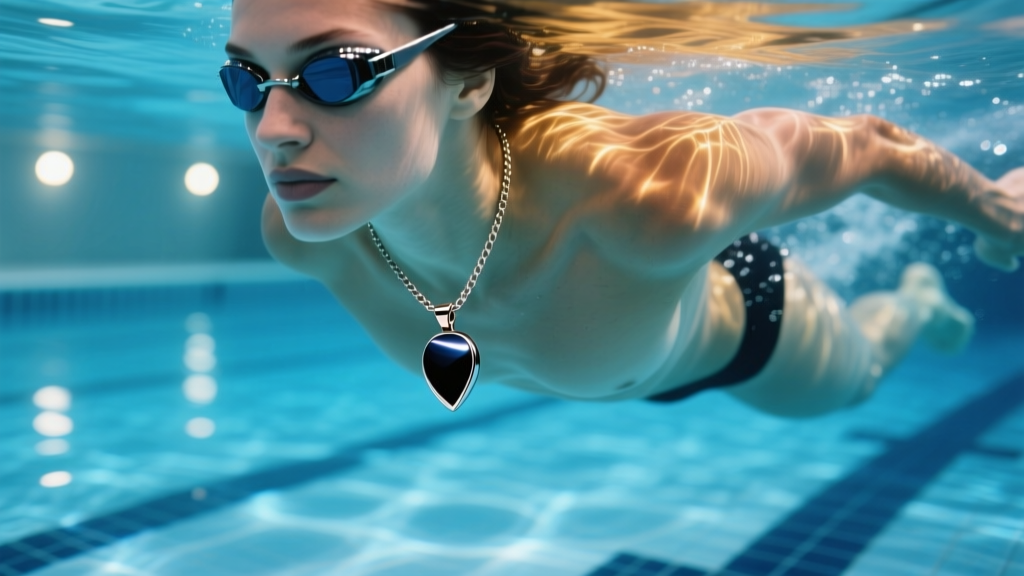
Post-Swim Maintenance Protocols
Even if you invest in a high-grade titanium or 18k gold necklace, proper maintenance after water exposure is required to maintain the polish and structural integrity of the links.
- The Distilled Rinse: After swimming in the ocean or a pool, rinse your necklace under distilled or filtered freshwater. This halts the chemical reaction of salt and chlorine immediately.
- Ultrasonic Warning: While ultrasonic cleaners are great for removing hard water buildup from showering, never use them on hollow chains (like certain puffed mariner links) or tension-set stones, as the high-frequency vibrations can compromise the structural integrity of thin, water-weakened solder joints.
- Microfiber Drying: Do not let the necklace air dry. Air drying leaves mineral deposits (water spots) that etch into the polish over time. Pat the chain dry with a lint-free microfiber cloth, ensuring you run the fabric through the clasp mechanism to wick away trapped moisture.
Final Verdict: What to Buy
If your goal is true "wear it in the water" peace of mind without spending thousands on platinum, a PVD-coated titanium chain with a toggle or magnetic clasp is the smartest purchase you can make in 2026. It offers the aesthetic of luxury gold with the metallurgical invincibility required to survive daily showers, ocean vacations, and chlorinated laps. Always inspect the clasp mechanism before purchasing, and remember that a chain is only as waterproof as its weakest mechanical spring.


