The Ultimate Guide to Choosing the Perfect Romantic Necklace
Discover how to choose the perfect romantic necklace. Learn about chain types, precious metals, gemstone durability, and neckline pairing.

What Defines a Romantic Necklace?
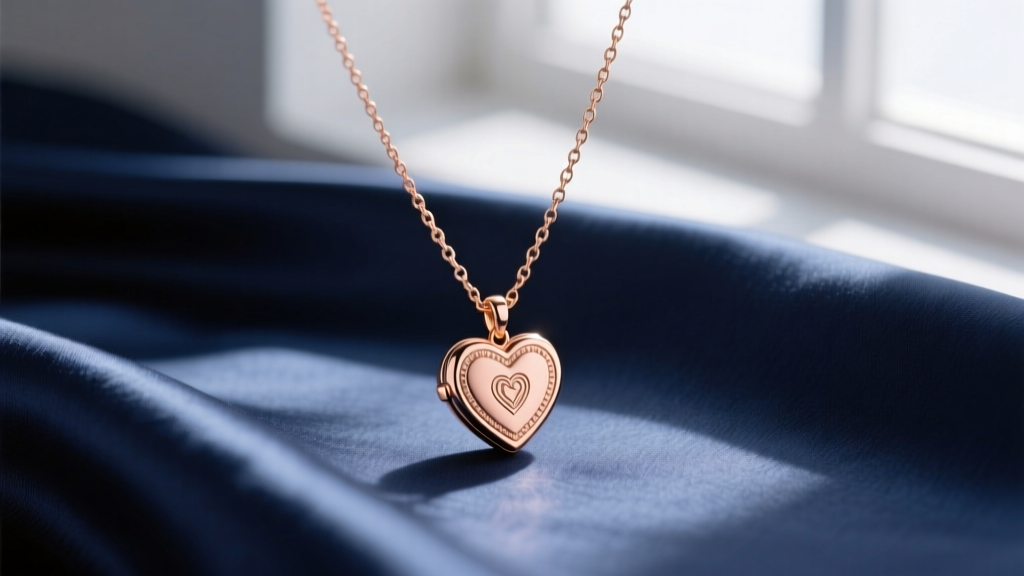
When beginners begin shopping for a romantic necklace, they often default to the classic heart pendant. While timeless, the romantic necklace category encompasses a much broader spectrum of sentimental jewelry. True romantic pieces are defined by their symbolism and emotional resonance. This includes vintage-style lockets designed to hold miniature photographs, infinity knots representing eternal bonds, celestial motifs like intertwined moons and stars, and personalized birthstone pendants. Understanding the anatomy and material science behind these pieces is the first step toward selecting an heirloom-quality garment that will survive daily wear.
Decoding the Anatomy: Chains, Clasps, and Bails
The pendant is only half the equation; the chain dictates the necklace's longevity. A common beginner mistake is pairing a heavy solid-gold locket with a delicate, lightweight chain, leading to inevitable breakage. The 'bail' (the loop that connects the pendant to the chain) must also be sized correctly. A standard locket bail requires an inner diameter of at least 4mm to 5mm to slide smoothly over thicker chains.
Chain Type Comparison Framework
| Chain Style | Ideal Thickness | Weight Capacity | Best Use Case |
|---|---|---|---|
| Box Chain | 1.0mm - 1.5mm | Up to 15g | Heavier lockets and solid gemstone pendants. Highly resistant to kinking. |
| Rope Chain | 1.5mm - 2.5mm | Up to 25g | Large, statement romantic pendants. Excellent tensile strength. |
| Cable Chain | 1.0mm - 1.2mm | Up to 8g | Lightweight minimalist charms and small birthstone drops. |
| Snake Chain | 1.0mm | Up to 5g | Sleek, modern aesthetic for ultra-light pendants. Prone to permanent kinking if bent. |
Material Matters: Vermeil vs. Solid Gold vs. Platinum
The metal you choose impacts both the price point and the wearer's skin sensitivity. For romantic necklaces intended for daily wear, understanding the difference between plating and solid alloys is critical.
- 925 Sterling Silver: An alloy of 92.5% pure silver and 7.5% copper. It is highly affordable ($40–$120) but will oxidize and tarnish when exposed to humidity and skin oils. Requires regular polishing.
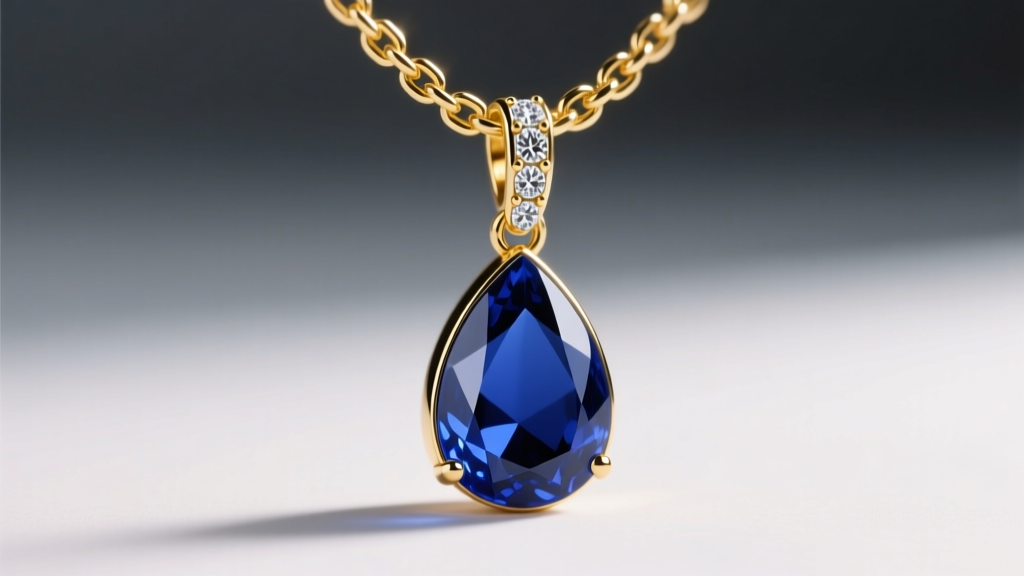
- Gold Vermeil: According to the Federal Trade Commission (FTC), true vermeil must have a sterling silver base plated with at least 2.5 microns of 10k, 14k, or 18k gold. It is hypoallergenic and mid-priced ($80–$200), but the gold layer will eventually wear away with heavy friction.
- Solid 14k / 18k Gold: The gold is alloyed throughout the entire piece. 14k gold (58.3% pure gold) offers the best balance of rich color and scratch resistance for daily wear. Prices generally start at $350 and can exceed $1,500 depending on weight.
- Platinum (950): Composed of 95% pure platinum, this dense, naturally white metal is hypoallergenic and will never fade or tarnish. It is the premium choice for diamond-accented romantic pendants, though it commands the highest price point ($800+).
Gemstone Durability for Everyday Romance
If your romantic necklace features a gemstone, you must consult the Mohs Hardness Scale. The Gemological Institute of America (GIA) ranks minerals from 1 to 10 based on scratch resistance. A necklace rests against the chest and is frequently bumped against desks, steering wheels, and doorframes.
- Pearls (2.5 - 3.0): Extremely soft. Easily scratched by dust (which contains quartz, hardness 7). Keep away from perfumes and lotions.
- Opals (5.5 - 6.5): Contain up to 20% water. Prone to cracking in dry environments or shattering from sudden temperature changes.
- Sapphires & Rubies (9.0): Exceptional durability. Ideal for heirloom lockets and rings meant to be worn 24/7 without fear of surface scratching.
Sizing and Neckline Pairing Framework
A romantic necklace must complement the wearer's wardrobe. The standard lengths serve distinct visual purposes:
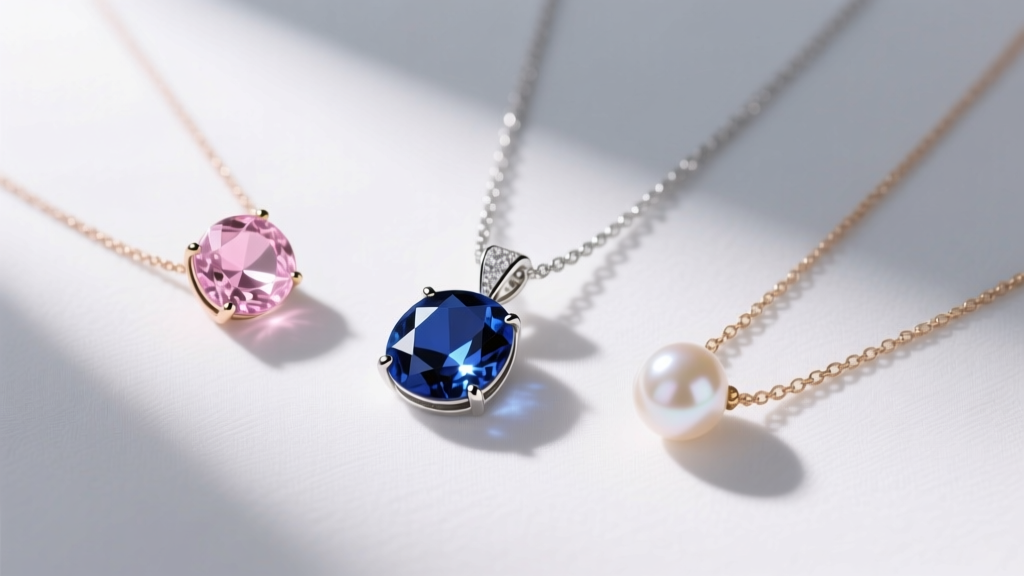
- Choker (14 to 16 inches): Sits tightly at the base of the neck. Best paired with off-the-shoulder tops, V-necks, or scoop necklines. Ideal for small, solitary heart charms or delicate celestial motifs.
- Princess (18 inches): The most versatile and popular length. Rests perfectly on the collarbone. This is the optimal length for standard lockets and birthstone pendants, as it draws the eye directly to the center of the chest and works with almost any neckline, including crew necks and button-down shirts.
- Matinee (20 to 24 inches): Falls at or just above the bust. Best suited for high necklines, turtlenecks, or business-casual blazers. Longer chains require heavier pendants to prevent them from flipping backward against the neck.
Care and Maintenance for Heirloom Pieces
Proper maintenance ensures a romantic necklace retains its structural integrity and brilliance. Beginners often make the mistake of using commercial ultrasonic jewelry cleaners for all pieces. Never use ultrasonic cleaners on pearls, opals, emeralds, or turquoise. The high-frequency vibrations can shatter opals and strip the delicate nacre off pearls.
For routine cleaning of solid gold, platinum, and diamond or sapphire pendants, use a bowl of lukewarm water with a single drop of mild, phosphate-free dish soap. Soak the necklace for 15 minutes, then gently agitate the chain and bail with a soft-bristled baby toothbrush. Rinse thoroughly under distilled water to prevent hard water spotting, and pat dry with a lint-free microfiber cloth. For sterling silver pieces, store them in an anti-tarnish flannel pouch with a silica gel packet to absorb ambient moisture and delay oxidation.


