How to Safely Wear Glasses on a Necklace: A Troubleshooting Guide
Learn how to safely wear glasses on a necklace. Troubleshoot frame damage, chain breakage, and lens scratches with our expert jewelry guide.

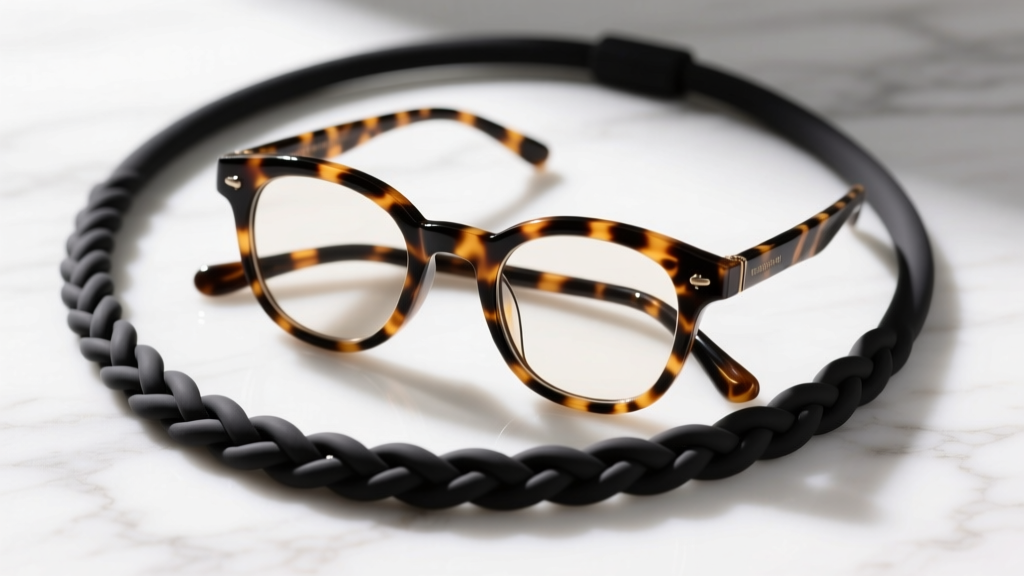
The Physics and Hidden Dangers of Hanging Eyewear
The trend of wearing glasses on a necklace has evolved from a purely utilitarian habit into a major fashion statement. Whether you are sporting vintage acetate reading glasses, heavy polarized sunglasses, or lightweight blue-light blockers, keeping your eyewear suspended around your neck is undeniably convenient. However, treating a necklace like a simple lanyard ignores the basic physics of pendulum motion and material science. When you bend over, a standard 35-gram pair of glasses on a 28-inch chain generates significant kinetic energy. At the apex of the swing, this creates a sudden shock load that can snap delicate frames, break cheap jewelry clasps, or violently swing metal beads into your lenses.
As jewelry and eyewear intersect, troubleshooting these mechanical failures requires an understanding of tensile strength, material hardness, and ergonomic weight distribution. This guide will help you diagnose and solve the most common problems associated with hanging eyewear on necklaces, ensuring your frames and lenses remain intact while keeping your style impeccable.
Troubleshooting Common 'Glasses on a Necklace' Failures
Problem 1: Frame Warping and Temple Snapping
The Issue: Many people hook a single chain clasp over one temple arm of their glasses. Acetate and TR-90 frames are thermoplastics; they are heated and molded to fit the face. Hanging the entire weight of the glasses from a single, off-center point applies asymmetric torque. Over time, this warps the frame front, misaligns the optical center of the lenses, and frequently snaps the temple hinge.
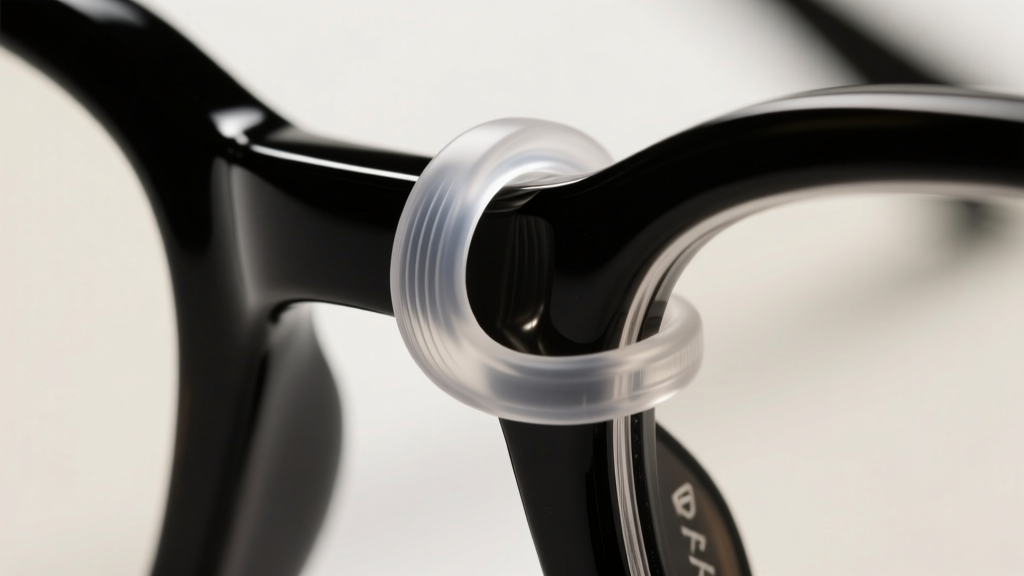
The Fix: Never use a single-point attachment. You must use a dual-temple silicone bridge or a continuous loop that distributes the weight evenly across both earpieces. If you must use a single chain, ensure it features a Y-splitter with two silicone O-rings to balance the load.
Problem 2: Lens Scratching from Metal Beads
The Issue: Eyewear lenses are surprisingly soft. According to optical material standards, standard CR-39 plastic lenses have a Mohs hardness of about 3.5, while polycarbonate lenses are even softer at roughly 3.0. Conversely, brass, copper, and stainless steel beads used in fashion necklaces range from 4.0 to 6.0 on the Mohs scale. When you walk, the glasses swing and the metal beads repeatedly strike the lenses, causing micro-abrasions that ruin anti-reflective coatings.
The Fix: Avoid metal beads near the attachment points. Opt for eyewear chains made of smooth glass beads, braided nylon, or pure silicone. If you prefer a metal chain, ensure it features a 3-inch drop of soft silicone or felt spacers at the terminal ends where the glasses connect. For comprehensive lens care and material specifications, All About Vision provides excellent guidelines on protecting soft polycarbonate and high-index lenses from abrasive damage.
Problem 3: Chain Breakage at the Clasp
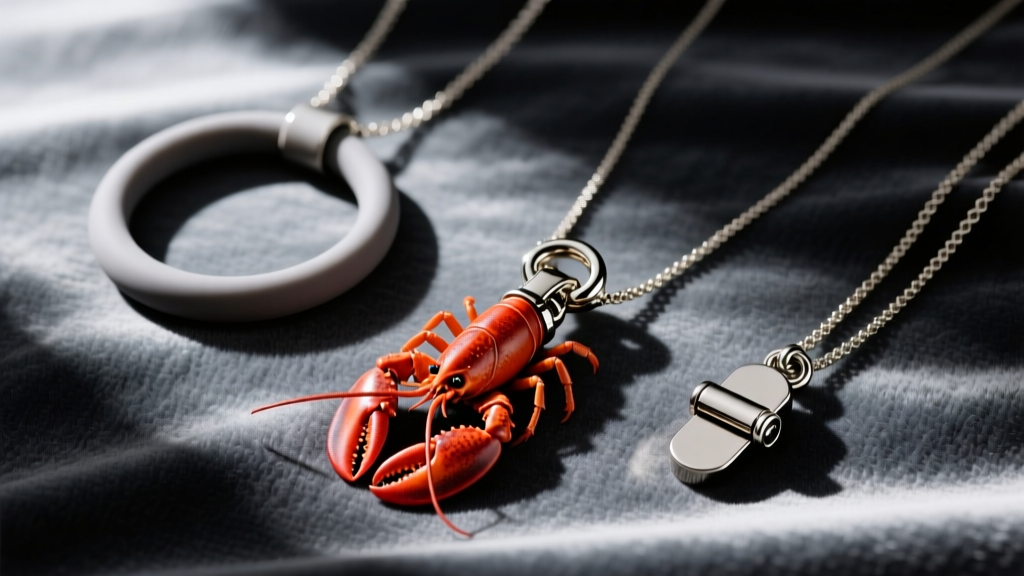
The Issue: The weakest point of any necklace is the jump ring connecting the chain to the clasp. Standard lobster clasps on delicate 20-gauge or 22-gauge fashion chains are designed to hold lightweight pendants (under 10 grams), not the dynamic, swinging weight of 40-gram sunglasses.
The Fix: Upgrade your hardware. Replace standard jump rings with soldered jump rings or heavy-duty split rings. For the clasp itself, switch to an N52-grade neodymium magnetic clasp. These provide a secure hold for everyday wear but will safely detach (rather than snapping the chain or your glasses) if the necklace gets caught on a door handle or bag strap.
The Engineering of Eyewear Chains: Materials & Weight Limits
Choosing the right chain or cord requires matching the material's tensile strength to the exact weight of your eyewear. A pair of wire-frame reading glasses might weigh just 18 grams, while oversized acetate sunglasses can easily exceed 55 grams. Below is a troubleshooting matrix to help you select the correct jewelry gauge and cord thickness based on your specific frames.
| Chain/Cord Type | Gauge / Thickness | Tensile Strength | Best Eyewear Match |
|---|---|---|---|
| Sterling Silver Cable | 18-Gauge (1.0mm) | ~15 lbs | Lightweight wire frames (<25g) |
| Braided Silicone Cord | 2.0mm - 3.0mm | ~40 lbs | Heavy acetate / sunglasses (30-60g) |
| Stainless Steel Rope | 16-Gauge (1.2mm) | ~35 lbs | Everyday reading glasses (25-40g) |
| Leather Braided Cord | 3.0mm | ~25 lbs | Casual / Vintage styles (up to 40g) |
Note: Tensile strength data is approximated based on standard jewelry manufacturing specs from suppliers like Rio Grande Jewelry Supply. Always factor in dynamic shock loads, which can temporarily triple the effective weight of the glasses during sudden movements.
Choosing the Right Attachment Mechanism
The interface between the jewelry chain and the glasses frame is where 90% of user frustration occurs. Here is a breakdown of the most common attachment mechanisms and how to troubleshoot their specific flaws:
- Silicone O-Rings (Shore A 40 Durometer): These are the gold standard. A Shore A 40 hardness provides enough rigidity to stay securely on the temple tip without stretching out over time, while remaining soft enough not to scratch acetate or metal finishes. Troubleshooting tip: If the ring keeps sliding off, clean the temple tip with isopropyl alcohol to remove skin oils that reduce friction.
- Heat Shrink Tubing: Often used in DIY eyewear chains. While secure, cheap PVC heat shrink can degrade and become brittle when exposed to UV light and facial sebum. Troubleshooting tip: Always use marine-grade, adhesive-lined polyolefin heat shrink for a permanent, waterproof seal.
- Metal Lobster Clasps: Troubleshooting tip: Never attach a metal lobster clasp directly to a metal frame temple. The resulting galvanic friction will scratch the frame's plating and create a harsh, grating noise when you walk. Always use a silicone buffer loop as an intermediary.
Skin Irritation and Galvanic Corrosion
A frequently overlooked issue with wearing glasses on a necklace is skin irritation. Necklaces rest directly against the highly sensitive skin of the décolletage and the back of the neck. When you sweat, the saline moisture acts as an electrolyte. If your chain or clasp contains cheap base metals, copper alloys, or nickel, a galvanic reaction occurs. This not only turns your skin green but also causes contact dermatitis and rapidly corrodes the jewelry, making the clasps brittle.
To solve this, ensure all metal components that touch your skin are made from hypoallergenic materials. Implant-grade titanium (ASTM F136), 316L surgical stainless steel, or solid 14k/18k gold are mandatory for all-day wear. Alternatively, fully encased silicone or nylon cords eliminate metal-to-skin contact entirely, making them ideal for active lifestyles or hot climates.
Maintenance and Cleaning Routines
Because your eyewear necklace acts as a catchment area for sweat, dead skin cells, and environmental dust, a strict maintenance routine is required to prevent the chain from degrading and the silicone loops from harboring bacteria.
Expert Cleaning Protocol: Once a week, detach the silicone loops from your glasses. Wash the loops in warm water with a drop of mild dish soap to break down facial sebum. For metal chains, use a soft-bristled baby toothbrush and a specialized jewelry cleaning solution to remove oxidized sweat from the chain links. Never use ultrasonic cleaners on chains that feature magnetic clasps, as the high-frequency vibrations and heat can demagnetize the neodymium core.
By treating your eyewear suspension system with the same engineering respect as your optical lenses, you can safely wear your glasses on a necklace without sacrificing style, comfort, or the structural integrity of your expensive frames.


