Gold Cross Necklace With Pearls: Metal & Gem Material Guide
Compare gold alloys and pearl varieties for your gold cross necklace with pearls. Expert insights on settings, hardness, and 2026 pricing.

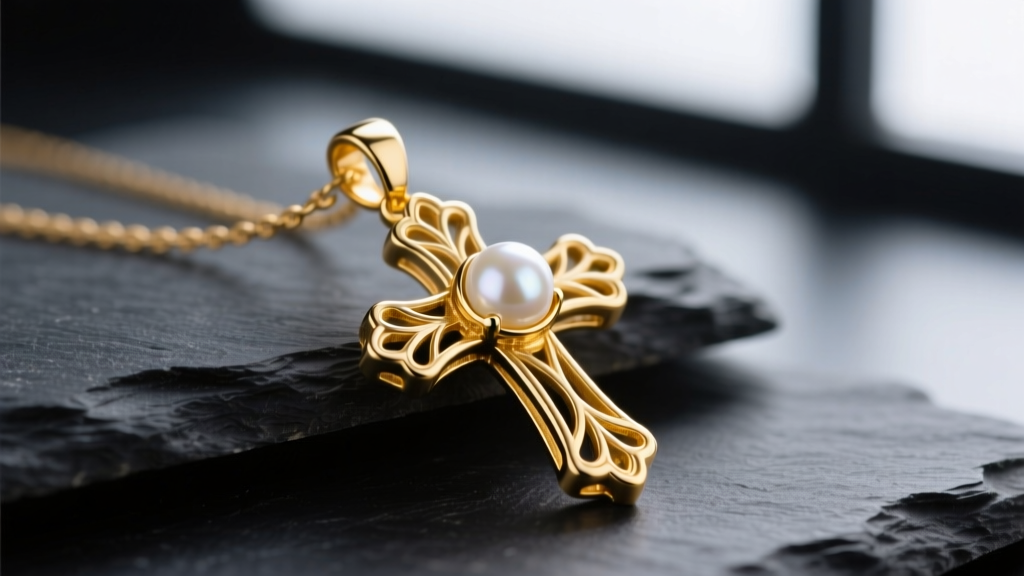
The Anatomy of a Gold Cross Necklace With Pearls
A gold cross necklace with pearls represents a fascinating intersection of metallurgy and organic gemology. Unlike purely mineral jewelry, combining precious metals with organic pearls introduces unique structural challenges and care requirements. The longevity of these pieces depends entirely on the specific gold alloy chosen and the nacre quality of the pearls. In this comprehensive material guide, we dissect the physical properties, failure modes, and grading metrics you need to know before investing in this timeless silhouette.
Gold Purity & Alloys: 14K vs. 18K vs. Vermeil
The structural integrity of the cross pendant and its chain relies heavily on the gold alloy. Pure 24K gold is too soft (Vickers Hardness of ~25 HV) to securely hold a pearl setting. Therefore, jewelers alloy gold with metals like copper, silver, and zinc to increase durability.
| Material | Gold Content | Vickers Hardness (HV) | Best Use Case | Tarnish Risk |
|---|---|---|---|---|
| 14K Solid Gold | 58.5% | 140 - 160 HV | Daily wear, secure prong/peg settings | Low |
| 18K Solid Gold | 75.0% | 120 - 140 HV | Occasional wear, rich color, bezel settings | Very Low |
| Gold Vermeil | Sterling Base + 2.5μm Gold | ~110 HV (Surface dependent) | Budget-friendly, fashion jewelry | High (if moisture trapped) |
For a gold cross necklace with pearls intended for daily wear, 14K gold is the superior engineering choice. Its higher copper and zinc content provides the tensile strength needed to keep pearl pegs and bail loops from bending. Conversely, 18K gold offers a deeper, richer yellow hue that beautifully contrasts with white pearls, but its softer nature means the bail (the loop connecting the cross to the chain) will wear down faster against a chain over several years.
If considering vermeil, ensure the manufacturer adheres to the US Federal Trade Commission standard of at least 2.5 microns of gold plating over sterling silver. Thinner plating (often sold as 'gold plated' rather than vermeil) will quickly wear away at the friction points of the chain and bail.
Pearl Varieties: Matching Luster to the Cross Pendant
Pearls are organic gemstones formed by mollusks, ranking between 2.5 and 4.5 on the Mohs hardness scale. Because they are significantly softer than gold, the type of pearl selected dictates how well it will survive being mounted in a metal cross. According to the Gemological Institute of America (GIA), nacre thickness and luster are the primary indicators of a pearl's durability and value.
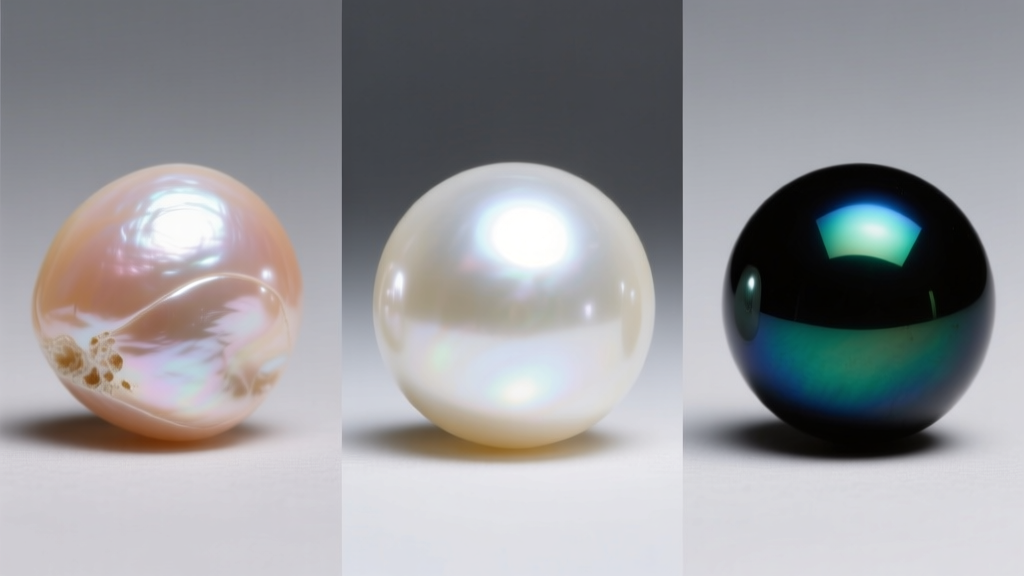
Akoya Pearls: The Classic Choice
Akoya pearls (typically 6mm–9mm) are renowned for their mirror-like luster, a result of their tightly packed crystalline nacre structure. However, saltwater Akoya pearls often have relatively thin nacre layers (0.1mm to 0.5mm) over a large mother-of-pearl bead nucleus. When setting an Akoya pearl into the center of a gold cross, jewelers must use extreme precision to avoid drilling too deeply and exposing the nucleus, which leads to irreversible peeling.
Freshwater Pearls: The Durable Alternative
Modern tissue-nucleated freshwater pearls are composed of solid nacre all the way through. This makes them significantly more resistant to chipping and peeling than their saltwater counterparts. While they traditionally exhibited a softer, more satiny luster, recent 'Edison' and metallic freshwater cultivars offer sharp luster rivaling Akoya, making them an excellent, highly durable choice for a gold cross pendant that will endure daily friction.
Tahitian Pearls: High Contrast & Luxury
For a striking, modern aesthetic, black or peacock Tahitian pearls (8mm–14mm) set in 18K yellow or rose gold create a breathtaking contrast. Tahitian pearls boast thick nacre (minimum 0.8mm by French Polynesian export law), providing excellent durability. However, their dark overtones can be easily dulled by the acidic oils from human skin, requiring more rigorous maintenance.
Structural Integrity: Prong Settings vs. Drilled Mounts
The most common failure mode in a gold cross necklace with pearls is the detachment of the pearl from the metal framework. Understanding how the pearl is mounted is critical for long-term wear.
Expert Insight: Never rely solely on jewelry adhesive (cyanoacrylate or epoxy) to hold a pearl in a vertical pendant setting. The natural oils from your skin and temperature fluctuations will eventually degrade the resin. Always insist on a mechanical setting.
- Half-Drilled Peg & Epoxy: The gold cross features a small vertical post (peg). The pearl is half-drilled and secured with a drop of jeweler's epoxy. While common, the peg must be scored (textured) to give the epoxy mechanical grip.
- Full-Drilled Wire Wrap: A gold wire passes entirely through the pearl and is wrapped or riveted to the cross arms. This is the most secure method, entirely immune to adhesive failure.
- Bezel Cup Settings: The pearl sits in a shallow gold cup with the edges burnished (pushed) over the pearl's equator. This requires a highly skilled setter, as too much pressure will crack the nacre, while too little will allow the pearl to rattle and fall out.
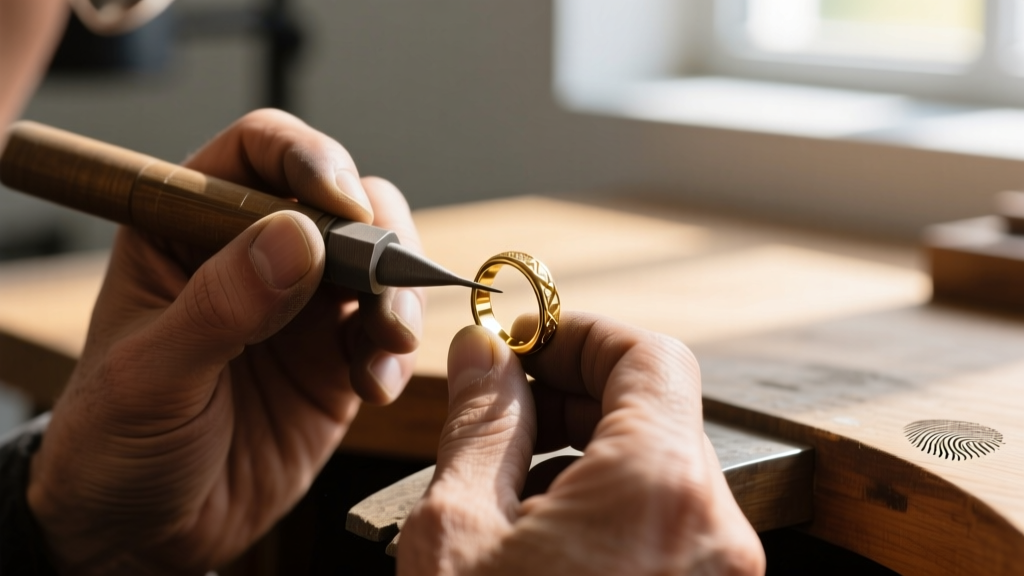
Care & Degradation: How Gold and Pearls Age Together
Maintaining a gold cross necklace with pearls requires navigating the conflicting care needs of the two materials. Gold can withstand harsh chemical cleaners, but pearls are highly porous and vulnerable to acids and alkalis.
The Ultrasonic Cleaner Trap
Never place this necklace in an ultrasonic cleaner. The high-frequency vibrations will shatter the nacre of the pearl and can easily shake a half-drilled pearl loose from its epoxy mount. Furthermore, if the gold is fracture-filled or treated, ultrasonic waves can cause internal structural damage to the metal.
Chemical Vulnerabilities
Chlorine is the enemy of both materials. While it will not dissolve the pearl instantly, it will attack the copper and zinc alloys in 14K gold, leading to stress corrosion cracking at the delicate bail and prong joints. Always remove the necklace before swimming in chlorinated pools or using household bleach cleaners.
Pricing Tiers: What to Expect in 2026
The cost of a gold cross necklace with pearls varies wildly based on the origin of the pearls and the weight of the gold. Based on current 2026 precious metal markets and gemological pricing, here is what you should expect to pay for authentic, high-quality pieces:
- Entry-Level ($150 - $350): 10K or 14K gold vermeil cross with commercial-grade, blemished freshwater pearls. Often mass-cast with thin, hollow bails.
- Mid-Tier ($400 - $900): Solid 14K gold (1.5 to 3 grams) featuring AAA-grade white freshwater or near-round Akoya pearls (6-7mm) with secure peg settings.
- Fine Jewelry ($1,200 - $3,500+): Solid 18K gold (4+ grams) with perfectly round, high-luster Akoya or Tahitian pearls, featuring hand-finished bezel or full-drilled mechanical mounts.
For authoritative grading and valuation, always request a certificate from recognized gemological laboratories like the GIA or AGS, particularly when investing in the upper tiers where nacre thickness and gold purity are paramount.
Final Verdict: Selecting Your Perfect Combination
A gold cross necklace with pearls is an investment in both art and material science. For a piece meant to be worn daily and passed down as an heirloom, prioritize a solid 14K gold framework for maximum tensile strength, paired with a solid-nacre freshwater or thick-nacre Tahitian pearl mounted via a full-drilled mechanical wire wrap. By respecting the Mohs hardness limitations and chemical sensitivities of organic gems, you ensure your pendant remains structurally sound and visually radiant for decades.


