Gold Dog Necklace Trends 2026: The Pet Parent Jewelry Guide
Explore the 2026 gold dog necklace trend. Discover luxury pet motif pendants, custom portrait chains, and styling tips for fine pet parent jewelry.

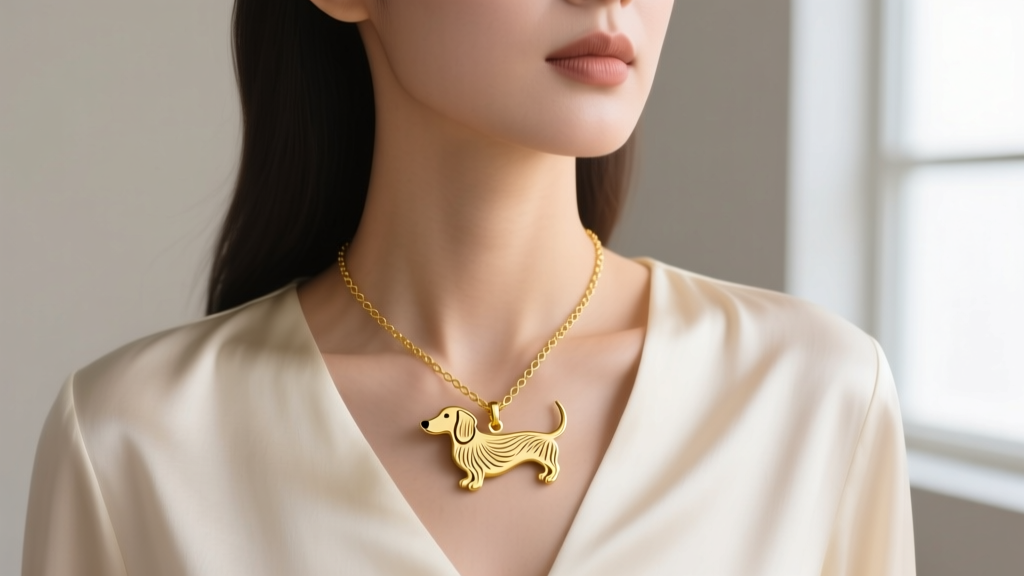
The intersection of luxury fine jewelry and pet companionship has evolved from a niche novelty into a dominant market force. As we navigate the style landscape of 2026, the gold dog necklace has emerged as a definitive staple for the modern "pet parent." No longer confined to cheap silver novelties or casual weekend wear, today's canine-inspired pendants are being crafted by heritage houses and bespoke jewelers using high-karat gold, precision CAD casting, and pavé diamond accents. This guide breaks down the metallurgy, styling frameworks, and market tiers defining the luxury gold dog necklace trend this year.
The Shift to Heirloom Pet Jewelry
According to data from the American Pet Products Association (APPA), the humanization of pets continues to drive luxury spending, with jewelry acting as a primary emotional touchstone. In 2026, consumers are investing in pieces that serve as modern heirlooms—memorializing beloved companions or celebrating the bond with their current dogs through enduring, high-value materials. The gold dog necklace is no longer just a cute accessory; it is a sophisticated expression of identity. Jewelers are responding by moving away from cartoonish depictions, favoring anatomical accuracy, Art Deco-inspired silhouettes, and abstract minimalist lines that integrate seamlessly into a curated, high-end jewelry wardrobe.
Decoding the Gold Dog Necklace: 3 Dominant Silhouettes
When shopping for a luxury canine pendant, the silhouette dictates both the aesthetic and the structural requirements of the piece. Here are the three primary design categories dominating 2026:
1. The Minimalist Breed Silhouette
Characterized by clean, continuous lines, these pendants focus on the recognizable outline of specific breeds. The Greyhound and the Dachshund are particularly popular due to their naturally elongated, aerodynamic profiles. A well-crafted silhouette pendant should be cut from a solid sheet of 14k or 18k gold, typically measuring between 15mm and 25mm in length. The bail (the loop that holds the chain) must be horizontally aligned for elongated breeds to ensure the dog "runs" parallel to the collarbone rather than hanging vertically.
2. The Custom Engraved Portrait Medallion
For a deeply personal approach, bespoke jewelers are utilizing CNC engraving and hand-chasing techniques to transfer actual photographs of pets onto flat gold medallions. These pieces usually range from 18mm to 25mm in diameter. The highest quality examples feature a matte or sandblasted background with polished, raised relief for the dog's fur, creating a striking contrast that catches the light without the need for gemstones.
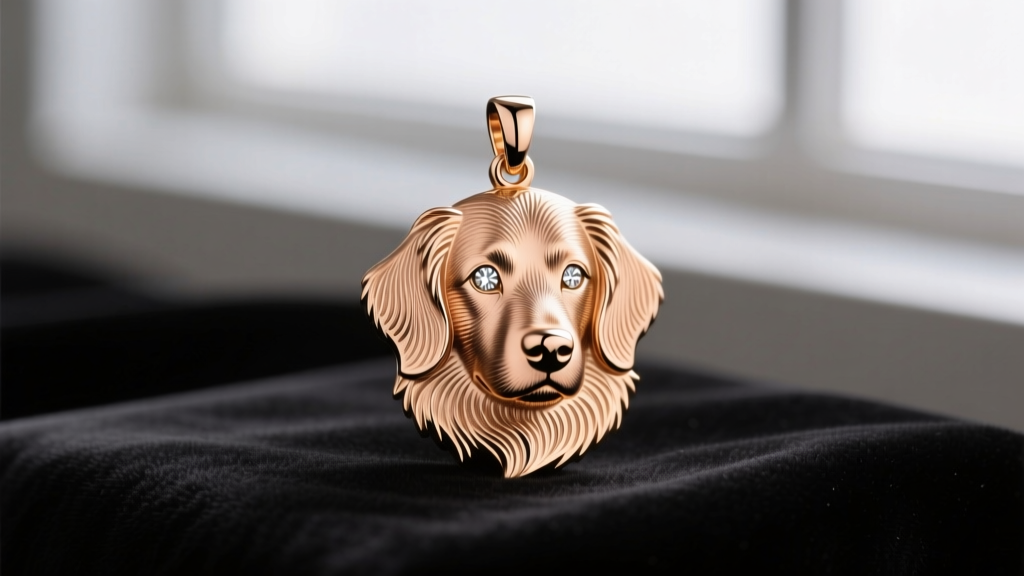
3. The 3D Sculptural Charm
Moving beyond flat profiles, 3D sculptural charms are cast using the lost-wax method to create miniature, fully rounded statues. These are heavier, often weighing between 4 and 8 grams, and require robust chain pairings. Breeds with compact proportions, like French Bulldogs or Pugs, translate best to this format, as their blocky anatomy provides a stable center of gravity when suspended from a single bail.
Metallurgy & Chain Mechanics: What to Buy
The durability of your gold dog necklace depends heavily on the karat weight and the chain's structural integrity. As noted by the Gemological Institute of America (GIA), pure 24k gold is too soft for daily-wear pendants that may experience friction or accidental impacts. Furthermore, the Federal Trade Commission (FTC) strictly regulates gold stamping, ensuring that when you buy a 14k piece, it contains exactly 58.3% pure gold, providing the necessary alloy hardness for intricate details like carved fur or prong-set diamond eyes.
| Gold Karat | Purity | Vickers Hardness (Approx) | Best Use Case | Durability Rating |
|---|---|---|---|---|
| 10k Gold | 41.7% | 160 - 180 HV | Highly detailed 3D charms, active lifestyles | Excellent |
| 14k Gold | 58.3% | 140 - 160 HV | Standard breed silhouettes, daily wear medallions | Very Good |
| 18k Gold | 75.0% | 120 - 130 HV | Flat portrait engravings, luxury evening pieces | Good |
| 22k Gold | 91.6% | 70 - 90 HV | Heirloom storage, soft hammered textures | Poor (Prone to bending) |
Chain Pairing Rules: A common failure mode in pet pendant jewelry is chain breakage at the clasp or the jump ring. For pendants weighing under 3 grams, a 1.2mm cable chain with a sturdy lobster clasp is sufficient. For 3D sculptural charms weighing 4 to 8 grams, you must upgrade to a 1.5mm or 2.0mm Rolo or Wheat chain. Avoid box chains, as their rigid links can kink and snap under the pendulum-like swing of a heavier dog charm.
Styling Your Gold Dog Pendant: Neckline & Layering Rules
Integrating a literal animal motif into a sophisticated wardrobe requires deliberate styling. In 2026, the "canine-centric" layering technique is the preferred method for wearing these pieces without looking overly casual.
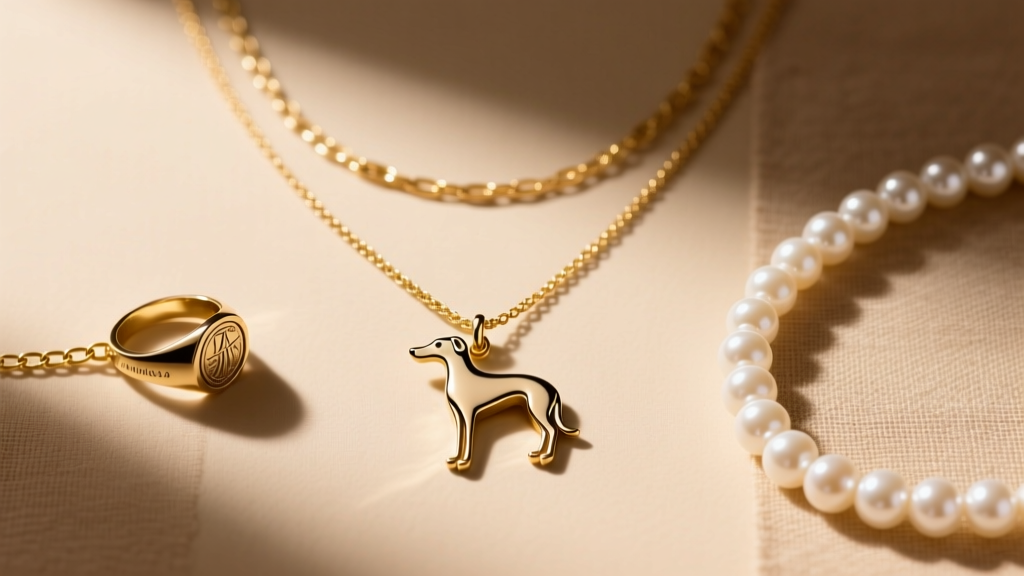
- The 16-18-20 Framework: Anchor your look with a 16-inch delicate choker (like a simple gold bead chain). Place your gold dog pendant on an 18-inch chain so it rests squarely in the hollow of the collarbone. Finish with a 20-inch chain featuring a geometric shape (like a simple gold hoop or signet ring) to balance the organic, asymmetrical lines of the dog silhouette.
- Metal Mixing: While yellow gold remains the most popular choice for animal motifs due to its warm, vintage appeal, mixing an 18k yellow gold dog pendant with white gold or platinum satellite chains creates a modern, editorial contrast that elevates the piece from "pet merch" to high fashion.
- Neckline Pairings: Dog pendants with horizontal silhouettes (like Dachshunds or Corgis) look best over crew necks or high boat necks, where the horizontal line of the collarbone is emphasized. Vertical or compact pendants (like Poodles or Greyhounds) are ideal for deep V-necks, as they draw the eye downward and elongate the neck.
Pricing Tiers & Where to Invest
The market for luxury gold dog necklaces is stratified by manufacturing technique and brand prestige. Understanding these tiers helps you allocate your budget effectively:
Entry-Level Luxury ($350 - $700): Typically features 10k or 14k solid gold, mass-produced via rubber mold casting. Silhouettes are flat, and details are minimal. Excellent for everyday wear and tear.
Mid-Tier Bespoke ($800 - $2,200): This is the sweet spot for 2026. You will find 14k and 18k gold, hand-finished edges, and custom engraving options. Many independent CAD jewelers on platforms like Etsy or specialized boutique studios operate in this range, offering custom 3D modeling based on your specific dog's proportions.
Haute & Heritage ($3,000 - $10,000+): At this level, you are paying for brand heritage, pavé diamond accents (often used for the animal's eyes or collar), and intricate guilloché enamel work. These pieces are treated as fine art and often feature mechanical elements, such as hinged ears or moving tails.
Care and Maintenance for Intricate Animal Motifs
The intricate crevices that give a gold dog necklace its lifelike texture—such as carved fur, floppy ears, and recessed collars—are magnets for skin oils, lotion, and environmental dust. Over time, this buildup will dull the gold's luster and obscure the design's fine lines.
Critical Warning: Never use ultrasonic cleaners on a gold dog pendant if it features gemstone accents (like diamond eyes or a sapphire collar). The high-frequency vibrations can easily loosen the microscopic prongs holding these stones in place. Instead, create a lukewarm bath of water and a few drops of mild, phosphate-free dish soap. Soak the necklace for 15 minutes, then use a soft-bristled baby toothbrush to gently sweep out the recessed areas of the casting. Rinse with distilled water to prevent hard water spots, and dry completely with a microfiber cloth before storing in an anti-tarnish pouch.


