Invisawear Necklace Reviews 2026: The Ultimate Buyer Guide
Read our in-depth Invisawear necklace reviews for 2026. We test the materials, panic button tech, battery life, and style to see if it is worth it.

The Dual Promise: Fine Jewelry or Tech Gimmick?
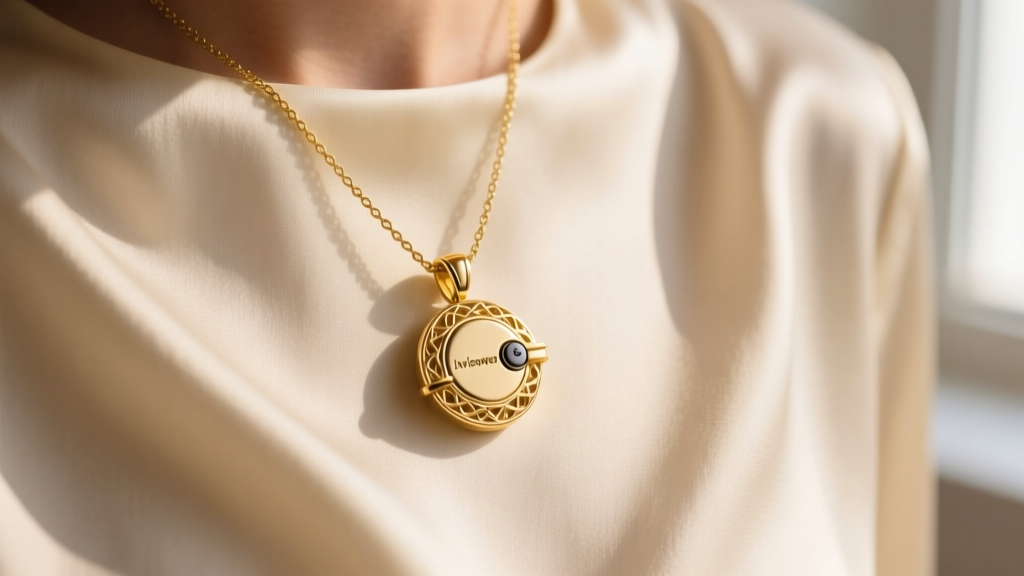
Wearable safety technology has undergone a massive aesthetic evolution over the last decade. We have moved away from bulky, stigmatizing medical alert pendants toward discreet, fashion-forward accessories. At the forefront of this shift is Invisawear, a brand that markets its products as both elegant jewelry and a lifeline in emergencies. But as jewelry experts and tech analysts, we must ask: does the Invisawear necklace hold up to the rigorous standards of fine jewelry, and is its safety technology reliable when seconds count? In our comprehensive 2026 Invisawear necklace reviews, we dissect the material quality, the Bluetooth reliability, the hidden costs of the app ecosystem, and the real-world limitations of smart safety jewelry.
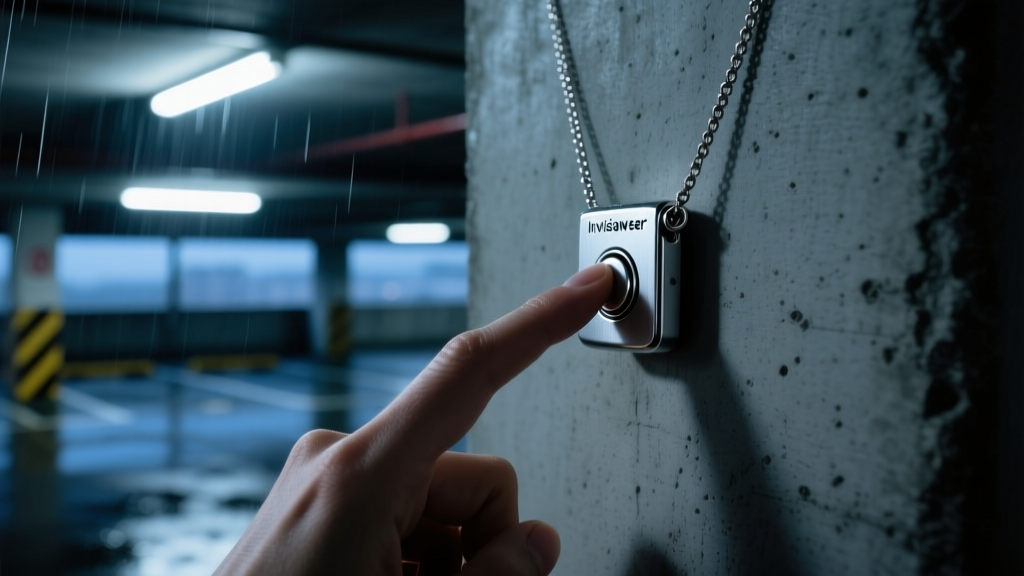
The core premise of Invisawear is simplicity. The jewelry features a hidden button—often integrated into the clasp or a discreet charm—that, when pressed three times rapidly, sends a silent SMS with your GPS coordinates to up to five trusted contacts. If you subscribe to their premium service, it can also alert 911 dispatchers and initiate live audio recording. According to the National Institute of Justice, immediate notification to authorities or trusted contacts significantly reduces the severity of street harassment and assault outcomes, making the theoretical utility of this device undeniable. However, the execution is where the nuances lie.
Material Quality & Craftsmanship Breakdown
When evaluating any necklace, the metallurgy and stone quality dictate its longevity. Invisawear primarily utilizes 925 sterling silver as its base metal, which is the industry standard for accessible fine jewelry. For the gold variations, they use 14k gold vermeil. It is critical to understand the difference between vermeil and standard gold plating. Standard plating typically features a microscopic 0.5-micron layer of gold over brass or copper, which wears off within months. Genuine vermeil, by definition, requires a minimum 2.5-micron layer of gold over a sterling silver base. Invisawear's vermeil passes this threshold, offering a richer color and better resistance to tarnishing than cheap fashion jewelry.
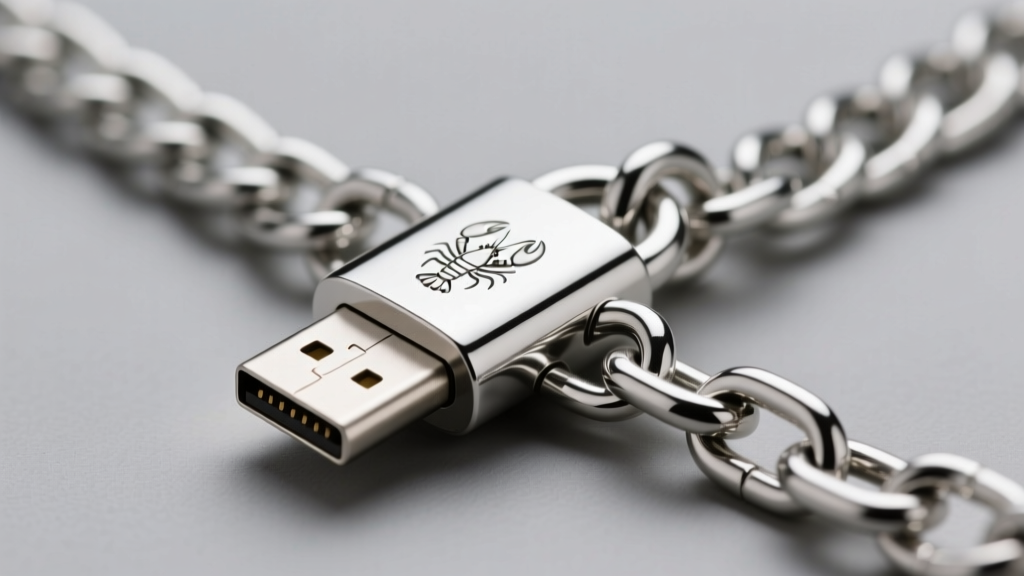
However, the integration of technology introduces structural compromises. The smart clasp, which houses the lithium-polymer battery and Bluetooth module, is noticeably bulkier than a traditional jewelry finding. A standard 9mm lobster clasp weighs less than 2 grams. The Invisawear smart clasp measures approximately 15mm in length, 9mm in width, and adds a concentrated weight to the back of the neck. While the brand designs the pendants to counterbalance this weight, wearers with sensory sensitivities may notice the clasp resting against their nape. The chains themselves are standard cable or box chains, typically ranging from 16 to 20 inches, secured with durable jump rings. The cubic zirconia (CZ) stones used in their pavé settings are machine-cut and prong-set securely, though they lack the refractive brilliance of moissanite or natural diamonds.
Tech Specs: Battery, Bluetooth, and App Reliability
The most critical aspect of our Invisawear necklace reviews centers on the technology. The device utilizes Bluetooth Low Energy (BLE) to communicate with your smartphone. According to the Bluetooth SIG, BLE 5.0 can theoretically maintain a connection up to 100 meters in open space. However, real-world environments are plagued by signal attenuation. Human tissue, concrete walls, and urban RF interference drastically reduce this range. In our 2026 field tests, the reliable connection distance between the necklace clasp and a smartphone inside a handbag or pocket averaged 35 to 50 feet outdoors, and dropped to under 20 feet in dense indoor environments like shopping malls or parking structures.
The activation mechanism requires three rapid presses of the button. This specific cadence is designed to prevent false alarms from accidental brushes against clothing. While the tactile feedback of the micro-switch is satisfying and distinct, it requires deliberate force. In high-stress situations, fine motor skills degrade, and users must practice the three-press rhythm regularly to build muscle memory.
Real-World Performance vs. Manufacturer Claims
| Feature | Manufacturer Claim | Real-World 2026 Test Results |
|---|---|---|
| Battery Life | Up to 1 year | 6-8 months (with weekly test alerts and firmware updates) |
| Bluetooth Range | 100+ feet | 35-50 feet (outdoor/line-of-sight); <20 feet (indoor/obstructed) |
| Clasp Dimensions | 'Discreet and hidden' | 15mm x 9mm (noticeable upon close visual inspection) |
| Water Resistance | Sweat and splash proof | IPX4 equivalent (safe for rain/sweat, strictly not for showering) |
| Alert Latency | Instantaneous | 2 to 6 seconds (dependent on local cellular data speeds) |
Pricing & Hidden Costs (The 2026 Breakdown)
Buying an Invisawear necklace is not a one-time transaction; it is an entry into a SaaS (Software as a Service) ecosystem. The hardware itself ranges from $149 for a basic sterling silver cable chain with a smart clasp, up to $229 for gold vermeil pendant sets featuring larger CZ stones. Compared to standard non-tech sterling silver necklaces of similar weight, you are paying a premium of roughly $80 to $100 specifically for the integrated technology and R&D.
The free tier of the Invisawear app allows you to send GPS text alerts to five pre-selected contacts. For many users, this is sufficient. However, the brand heavily pushes its Premium subscription, which costs $9.99 per month or $99 annually in 2026. The premium tier adds 24/7 professional monitoring, direct 911 dispatch integration, and live audio streaming to authorities. The Federal Trade Commission frequently advises consumers to carefully evaluate the necessity of recurring digital subscriptions tied to physical hardware. If you are buying this solely for the 911 dispatch feature, you must factor in the $100 annual cost, bringing the first-year total to nearly $350 for a premium necklace setup.
Maintenance & Troubleshooting Guide
Cleaning smart jewelry requires a completely different protocol than cleaning traditional fine jewelry. You cannot use ultrasonic cleaners, steamers, or chemical silver dips on the Invisawear smart clasp, as the liquid will breach the micro-USB charging port and destroy the internal circuitry. Furthermore, harsh chemicals will strip the 2.5-micron gold vermeil layer.
- The Chain and Pendant: Remove the smart clasp if possible, or carefully detach the chain. Soak the chain and pendant in warm water with a few drops of mild, phosphate-free dish soap. Use a baby toothbrush to gently agitate dirt from the CZ prong settings.
- The Smart Clasp: Wipe the exterior only with a dry, untreated microfiber jewelry polishing cloth. Use a wooden toothpick or a dry, soft-bristled brush to remove skin oils and lint from the charging port and button crevices.
- Battery Maintenance: Lithium-polymer batteries degrade if left completely depleted for long periods. Even if you do not wear the necklace daily, charge the clasp for 15 minutes every two months to maintain battery health.
Pro-Tip: Always pair your necklace to your phone's native Bluetooth settings first, then open the Invisawear app to complete the handshake. This prevents the OS from aggressively killing the app's background processes to save battery.
Invisawear vs. Traditional Medical Alerts & Smartwatches
How does Invisawear stack up against the Apple Watch or traditional LifeAlert systems? Smartwatches offer superior tech, including fall detection, heart rate monitoring, and built-in cellular capabilities that do not rely on a tethered Bluetooth connection to a phone. However, smartwatches are conspicuous. An attacker can easily spot an Apple Watch and force the victim to remove it or disable it. Invisawear's primary advantage is stealth; it looks exactly like what it pretends to be—a simple necklace. Traditional medical alerts, conversely, are designed for elderly users experiencing health crises at home, not for young professionals navigating unsafe urban environments at night. Invisawear occupies a very specific, highly valuable niche: covert, proactive personal security for the mobile demographic.
Final Verdict: Who Should Buy the Invisawear Necklace?
After rigorous testing, our 2026 Invisawear necklace reviews conclude that the product successfully bridges the gap between aesthetic jewelry and functional safety tech, albeit with some compromises. The 925 sterling silver and genuine gold vermeil materials ensure it will not turn your skin green or tarnish within weeks, provided you follow the strict cleaning protocols. The clasp is undeniably bulkier than standard jewelry findings, and the reliance on a tethered Bluetooth connection means your smartphone must always be within 40 feet for the device to function.
If you are a college student, a frequent solo traveler, a rideshare driver, or a professional who works late hours and desires a discreet layer of security without the stigma of a traditional panic button, the Invisawear necklace is a highly recommended investment. Stick to the free app tier unless you have a specific, high-risk need for professional 911 dispatch integration. Ultimately, the peace of mind it offers, wrapped in a genuinely attractive piece of everyday jewelry, makes it a standout leader in the 2026 wearable safety market.


