Beginner Guide to Buying a Gold Filled Beaded Necklace
Learn how to choose, wear, and care for a gold filled beaded necklace. We break down material grades, stringing wire, and pricing.

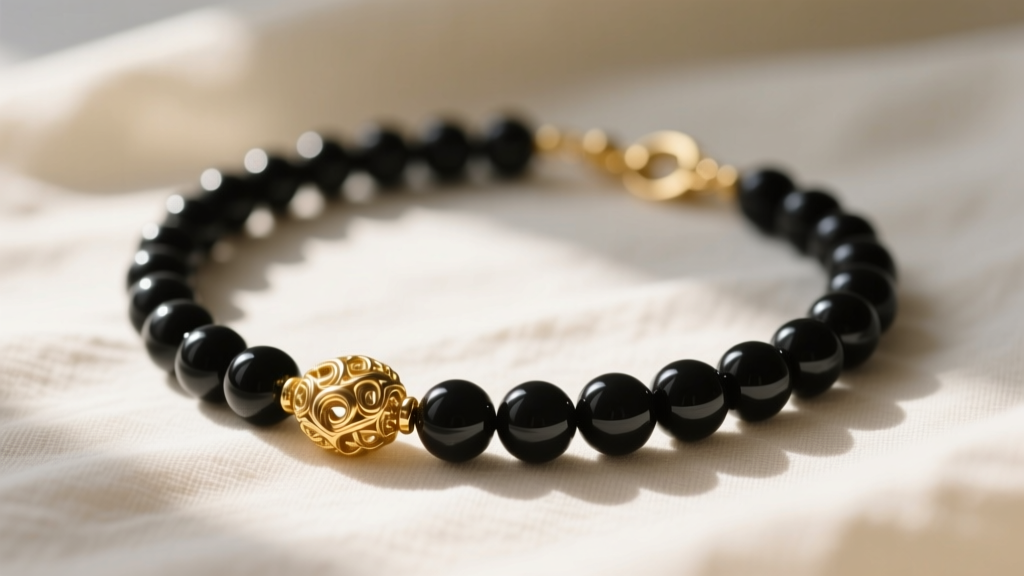
When you begin exploring fine jewelry alternatives, the sheer volume of terminology can be overwhelming. Solid gold is often prohibitively expensive for everyday wear, while cheap gold-plated costume jewelry tarnishes within weeks. Enter the gold filled beaded necklace—a masterclass in balancing luxury, durability, and affordability. Whether you are shopping for your first quality piece or looking to understand the craftsmanship behind your favorite artisan finds, knowing what goes into these necklaces is essential.
This beginner-friendly explainer strips away the marketing jargon. We will dissect the exact material grades, stringing hardware, and structural failure modes you need to know before making a purchase. By the end of this guide, you will be able to evaluate a necklace's construction like a seasoned bench jeweler.
What Exactly is a Gold Filled Beaded Necklace?
Before evaluating the beads, we must understand the metal. According to the Federal Trade Commission Jewelry Guides, the term 'gold filled' is strictly regulated. It is not merely a thicker layer of gold plating. To legally carry the 'gold filled' stamp, the gold layer must constitute at least 5% (or 1/20th) of the total weight of the item and be mechanically bonded to a brass or copper core using extreme heat and pressure.
Decoding the Stamps: 14/20 GF vs. 12/20 GF
When shopping, look for stamps like 14/20 GF or 12/20 GF. This tells you two things:
- The Karat: 14k or 12k gold is used for the outer layer. 14k is the industry standard for high-quality beaded necklaces because it offers a rich, warm yellow hue and excellent tarnish resistance.
- The Ratio: The '20' confirms the 1/20th weight ratio requirement.
Unlike electroplated jewelry, which has a microscopic gold layer measured in microns (often 0.05% of the weight), a gold filled beaded necklace can easily last a decade or more with proper care. The gold layer is thick enough that it will not flake off or expose the base metal under normal friction conditions.
Decoding the Beads: Material Pairings That Last
The 'beaded' aspect of a gold filled beaded necklace is where artisans showcase their creativity. However, not all beads are created equal, and their physical properties dictate how the necklace will wear over time.
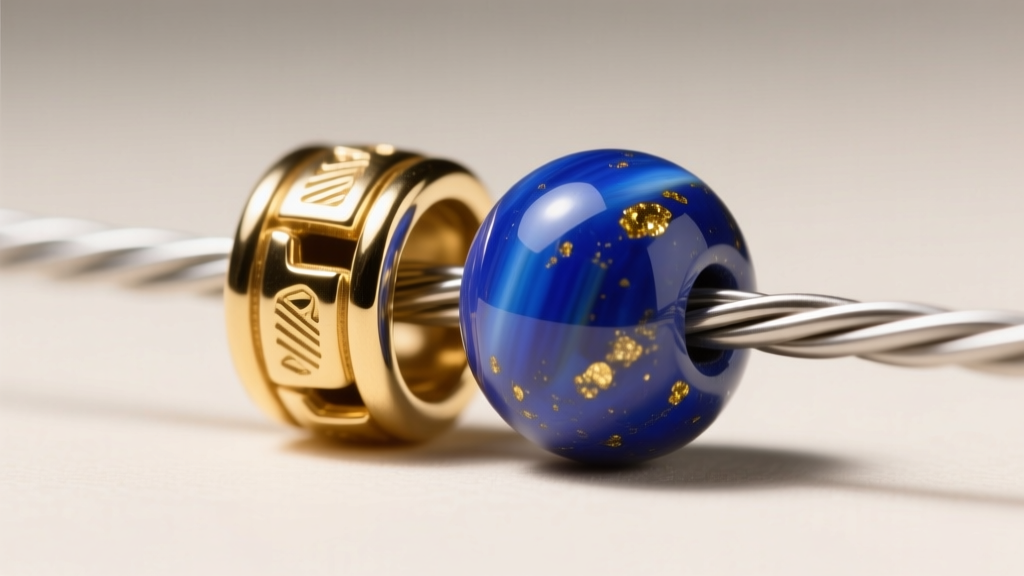
The Mohs Scale and Bead Hardness
Gemstone beads are rated on the Mohs scale of mineral hardness. This is critical because softer beads can wear down the stringing wire or become scratched by harder gold-filled spacer beads.
- Hard Stones (Mohs 7+): Onyx, quartz, and agate. These are incredibly durable, take a high polish, and feature clean, laser-drilled holes that won't abrade your stringing wire.
- Medium Stones (Mohs 5-6): Lapis lazuli, turquoise, and malachite. These require careful handling. Turquoise is often stabilized with resin to prevent cracking during the drilling process.
- Soft Organics (Mohs 2.5-4.5): Freshwater pearls and coral. The Gemological Institute of America (GIA) notes that pearls are highly sensitive to acids and friction. When pairing pearls with gold-filled components, artisans must use tiny rubber or nylon spacers to prevent the metal from scratching the pearl's nacre.
Bead Hole Sizing
A common beginner mistake is ignoring bead hole diameter. Standard gemstone beads are drilled at 0.8mm to 1.0mm. If a necklace features large-hole 'slider' beads mixed with tightly drilled 0.5mm pearls, the structural integrity of the stringing wire is compromised at the transition points, leading to premature kinking.
The Hidden Hardware: Wire, Clasps, and Crimp Beads
The true mark of a high-quality gold filled beaded necklace lies in the hardware you barely notice. If a necklace breaks, it is rarely the gold-filled chain or clasp that fails; it is almost always the stringing material or the crimp connection.
Stringing Materials Compared
Artisans use different materials depending on the drape and weight of the beads. Below is a comparison of the most common stringing mediums used in modern beaded necklaces.
| Stringing Material | Composition | Best For | Durability & Drape |
|---|---|---|---|
| 49-Strand Micro Wire | Stainless steel core, nylon coated | Heavy gemstones, everyday wear | Exceptional strength, fluid silk-like drape |
| 7-Strand Wire | Stainless steel core, nylon coated | Lightweight glass or crystal beads | Good strength, slightly stiff drape |
| Griffin Silk Thread | 100% natural silk | Pearls, soft organics (knotted) | Poor abrasion resistance, beautiful traditional drape |
| PowerCord / Elastomer | Polyurethane elastic | Slip-on stretch bracelets (rarely necklaces) | Degrades with UV/sweat exposure, high snap risk |
The Critical Role of Wire Guardians
If you are inspecting a premium gold filled beaded necklace, look closely at the clasp connection. The stringing wire should never loop directly through the metal jump ring of the clasp. Over time, the sharp inner edge of the jump ring will act like a saw, slicing through the nylon coating and snapping the steel core. High-end makers use 14k gold-filled wire guardians (also known as French wire or wire protectors)—tiny, horseshoe-shaped metal tubes that shield the stringing wire from friction.
Pro-Tip for Buyers: If a necklace uses soft nylon-coated wire but lacks wire guardians at the clasp, it is a sign of corner-cutting. The necklace will likely fail at the clasp within 12 to 18 months of daily wear.
Pricing and Value: What Should You Actually Pay?
Understanding the pricing tiers of gold filled beaded necklaces helps you avoid overpaying for mass-produced items or under-valuing true artisan craftsmanship.
Mass-Market & Fashion Brands ($40 - $75)
Brands found in department stores or large online boutiques often use 12/20 gold-filled components paired with dyed howlite (sold as turquoise) or glass beads. The stringing wire is usually a cheaper 7-strand variant, and crimp beads are simply flattened with flat-nose pliers rather than folded with a specialized micro-crimper.
Independent Artisans & Small Jewelers ($85 - $180+)
When you buy from independent makers (often found on platforms like Etsy or at local craft guilds), you are paying for premium materials and structural engineering. These necklaces feature:
- AAA-grade, ethically sourced natural gemstones.
- 49-strand Soft Flex wire for superior drape and strength.
- Properly folded 2x2mm gold-filled crimp tubes that mimic the look of seamless round beads.
- Custom-fabricated gold-filled clasps rather than mass-cast imports.
Care, Maintenance, and Common Failure Modes
While a gold filled beaded necklace is highly durable, it is not invincible. Understanding how these pieces fail will help you preserve them for years.

Preventing Galvanic Corrosion
Galvanic corrosion occurs when two dissimilar metals (like 14k gold-filled brass-core wire and a sterling silver clasp) are exposed to an electrolyte (like sweat or saltwater). This creates a tiny battery effect that rapidly corrodes the less noble metal. Always ensure your clasp, jump rings, and crimp beads are all 14k gold-filled to maintain metallurgical harmony.
The 'Green Neck' Myth and Reality
Gold-filled jewelry will not turn your neck green under normal circumstances. The brass core is completely encapsulated by the gold layer. However, if the necklace is subjected to extreme friction (such as rubbing against a rough wool collar daily for years), the gold layer can eventually wear thin at specific contact points. Once the brass is exposed, it can react with your skin's pH and leave a harmless, easily washable green mark.
Your Weekly Cleaning Routine
To maintain the brilliant luster of both the gold-filled spacers and the gemstone beads, follow this simple routine:
- After wearing, gently wipe the necklace with a clean, untreated microfiber cloth to remove skin oils and environmental dust.
- Never use ultrasonic cleaners or harsh chemical dips (like silver polish or ammonia-based solutions). These chemicals can strip the polish from soft gemstones like lapis lazuli and degrade the nylon coating on the internal stringing wire.
- Store the necklace laid flat or hung on a padded velvet bust. Coiling it tightly in a jewelry box can create memory kinks in the steel stringing wire, ruining the fluid drape of the piece.
Final Thoughts
A well-constructed gold filled beaded necklace is a triumph of accessible luxury. By paying attention to the FTC stamp, the hardness of the gemstone beads, and the presence of protective hardware like wire guardians, you can confidently invest in pieces that bridge the gap between everyday fashion and heirloom fine jewelry. Armed with this knowledge, you are now ready to evaluate, purchase, and cherish beaded necklaces that will stand the test of time.


