Gold Heart Chain Necklace Guide: Solid vs Plated Metals
Discover how to choose the perfect gold heart chain necklace by comparing solid, vermeil, and plated metals for lasting durability and shine.

The Anatomy of a Gold Heart Chain Necklace
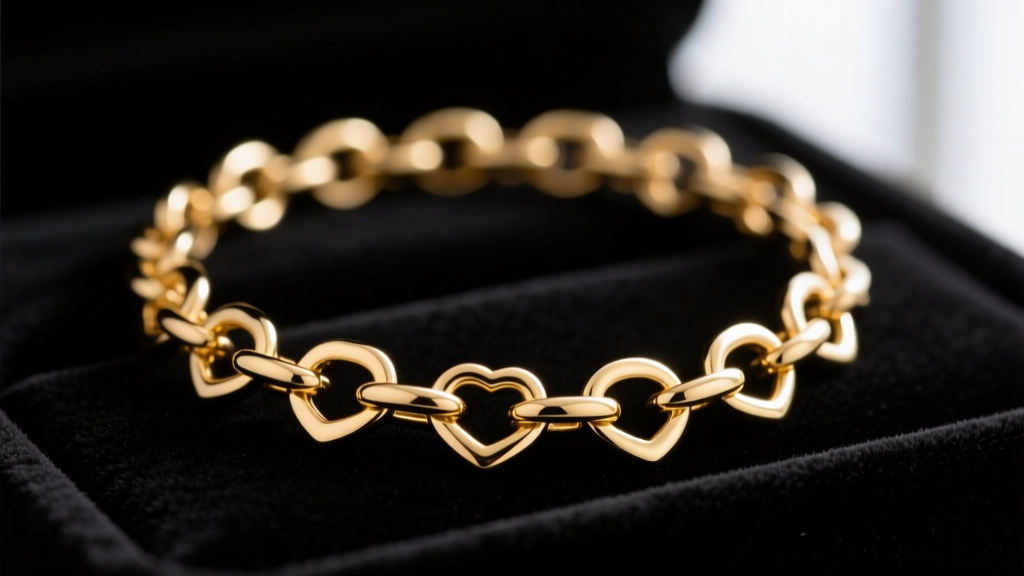
When shopping for a gold heart chain necklace, the aesthetic appeal of the romantic motif often overshadows the critical importance of the underlying metallurgy. A heart chain is not just a standard cable chain with a pendant attached; it frequently features interlocking heart-shaped links or a heavy, cast heart pendant that places unique stress on the metal. Understanding the material properties—ranging from solid karat gold to gold vermeil and plated alternatives—is essential for ensuring your jewelry withstands daily wear without stretching, tarnishing, or breaking.
In this comprehensive guide, we break down the exact material compositions, durability metrics, and structural vulnerabilities of the most common gold alloys used in heart chain necklaces, helping you make an informed investment based on your lifestyle and budget.
Solid Gold: 14K vs. 18K for Heart Pendants and Chains
Solid gold is the benchmark for fine jewelry, but pure 24K gold is far too soft (measuring roughly 25 on the Vickers Hardness scale) to hold the shape of a delicate heart link. Therefore, jewelers alloy pure gold with metals like copper, silver, and zinc to increase tensile strength. The two most prominent choices for a gold heart chain necklace are 14K and 18K.
14K Solid Gold (58.3% Pure Gold)
14K gold is the undisputed champion for structural integrity in chain jewelry. With a Vickers Hardness (HV) of approximately 125, 14K gold offers the perfect balance of rich color and mechanical strength. For a heart chain necklace, where the links must bear the weight of the pendant and resist pulling forces, 14K gold prevents the 'stretching' phenomenon that plagues softer metals. The higher copper and zinc content also makes 14K yellow and rose gold highly resistant to denting and deformation at the jump rings.
18K Solid Gold (75% Pure Gold)
18K gold offers a deeper, more saturated yellow hue and is highly prized in luxury markets. However, its Vickers Hardness drops to around 110 HV. While perfectly suitable for a simple heart pendant on a sturdy chain, an 18K gold heart chain necklace featuring interlocking heart links is more susceptible to micro-scratches and joint fatigue over time. If you opt for 18K, ensure the chain links are soldered and the gauge is at least 1.2mm to prevent the apex of the heart links from pulling apart.
Gold Vermeil vs. Gold-Filled: The Mid-Tier Contenders
For those seeking the look of a gold heart chain necklace without the premium price tag of solid gold, vermeil and gold-filled options offer viable alternatives, provided you understand their limitations.
Gold Vermeil (Sterling Silver Base)
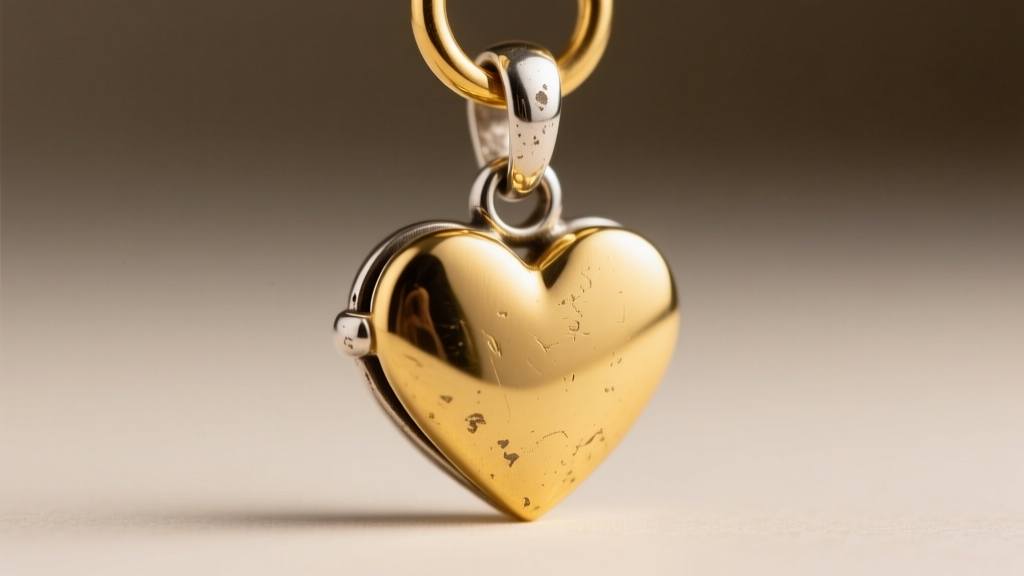
According to the Federal Trade Commission (FTC), for a piece to be legally classified as gold vermeil, it must have a sterling silver base and be plated with a minimum of 2.5 microns of gold (usually 14K or 18K). Vermeil is an excellent choice for a heart pendant, but it is less ideal for the chain itself. The friction between interlocking heart links can eventually wear through the 2.5-micron gold layer, exposing the silver beneath, which may then oxidize and tarnish.
Gold-Filled (Brass or Copper Base)
Gold-filled jewelry consists of a thick layer of gold mechanically bonded to a base metal core, comprising at least 5% of the item's total weight. While significantly more durable than standard gold plating, gold-filled heart chains have a major structural flaw: the jump rings and link connections cannot be fully soldered without melting the base metal core. This makes gold-filled heart chains prone to snapping at the clasp or the pendant bail under heavy tension.
Material Comparison Matrix
| Material Type | Gold Content | Base Metal | Lifespan (Daily Wear) | Avg. Price Range |
|---|---|---|---|---|
| 14K Solid Gold | 58.3% | None (Alloyed) | Lifetime (50+ years) | $250 - $600 |
| 18K Solid Gold | 75.0% | None (Alloyed) | Lifetime (Requires care) | $400 - $1,200 |
| Gold Vermeil | 2.5+ microns | Sterling Silver | 2 - 5 years | $45 - $120 |
| Gold-Filled | 5% by weight | Brass/Copper | 3 - 7 years | $30 - $80 |
| Gold Plated | < 0.5 microns | Brass/Steel | 6 - 12 months | $15 - $40 |
Skin Reactivity and Alloy Compositions
A frequently overlooked aspect of buying a gold heart chain necklace is how the metal alloys interact with your skin chemistry. The Gemological Institute of America (GIA) notes that allergic contact dermatitis in jewelry is rarely caused by the gold itself, but rather by the alloying metals.
- Nickel Allergies: Many white gold heart chains are alloyed with nickel to achieve a silvery-white color before rhodium plating. As the rhodium wears off at the friction points of the heart links, the nickel is exposed, causing severe contact dermatitis on the neck.
- Copper Oxidation: Rose gold heart chains derive their pink hue from a high copper content (up to 20% in 14K rose gold). Individuals with highly acidic sweat may find that copper alloys leave a harmless but unsightly greenish residue on the collarbone.
- The Hypoallergenic Solution: If you have sensitive skin, seek out a 14K or 18K yellow gold heart chain necklace that is explicitly alloyed with silver and palladium rather than nickel, or stick to high-quality sterling silver vermeil.
Chain Link Durability: How Material Impacts Link Failure
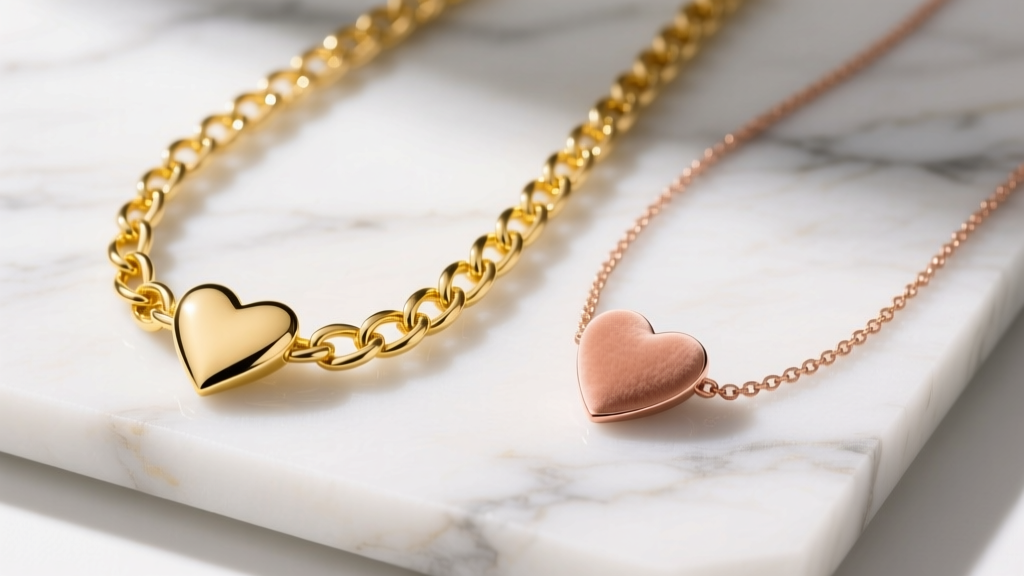
The structural design of a heart chain introduces specific failure modes that do not exist in standard round or oval cable chains. The geometry of a heart link features sharp inner angles and a delicate apex at the bottom of the heart. When tension is applied—such as the pendant catching on a sweater—the stress concentrates entirely on these curved apex points.
In softer metals like 18K gold or poorly manufactured gold-plated brass, this stress causes the metal to yield, resulting in the heart links elongating and eventually unhooking. Conversely, 14K solid gold possesses the yield strength required to absorb these micro-shocks without permanent deformation. When inspecting a gold heart chain necklace, always check the soldering at the top cleft of the heart links; laser-welded joints in solid gold offer superior longevity compared to the open, unsoldered links found in budget-friendly plated alternatives.
Expert Insight: Never use a standard ultrasonic jewelry cleaner on a gold vermeil or gold-plated heart chain. The high-frequency cavitation bubbles will strip the microscopic gold layers from the sharp inner angles of the heart links within minutes.
Care and Maintenance by Alloy Type
Preserving the luster of your gold heart chain necklace requires a tailored approach based on its material composition:
Solid Gold Maintenance
Solid 14K and 18K gold can be safely cleaned using a few drops of mild dish soap, warm water, and a soft-bristled baby toothbrush. This method effectively removes sebum and lotion buildup from the intricate crevices of the heart links. For deep scratches on 18K gold, professional polishing by a jeweler can restore the mirror finish, though it will remove a microscopic layer of metal.
Vermeil and Plated Care
Gold vermeil and plated chains must be cleaned exclusively with a dry, untreated microfiber cloth. Avoid any chemical dips, polishing pastes, or abrasive cloths, as these will instantly remove the gold plating. To prolong the life of a vermeil heart pendant, store it in an anti-tarnish ziplock bag with a silica gel packet to prevent the underlying sterling silver from oxidizing and pushing through the gold layer.
Final Verdict: Investing in Your Gold Heart Chain Necklace
Ultimately, the right material for your gold heart chain necklace depends on your wearing habits. If this piece is destined for daily, never-take-it-off wear, investing in a 14K solid gold chain is non-negotiable; its superior Vickers Hardness and structural integrity will ensure the heart links remain perfectly shaped for decades. For occasional wear, event-specific styling, or trend-driven fashion, a high-quality gold vermeil piece with a thick 2.5-micron plating offers a luxurious aesthetic at a fraction of the cost, provided it is handled with mindful care.


