Tooth Holder Necklace Buying Guide: Materials & Closures
Discover how to choose the perfect tooth holder necklace. Compare safe materials, secure closures, and preservation methods for lasting keepsakes.

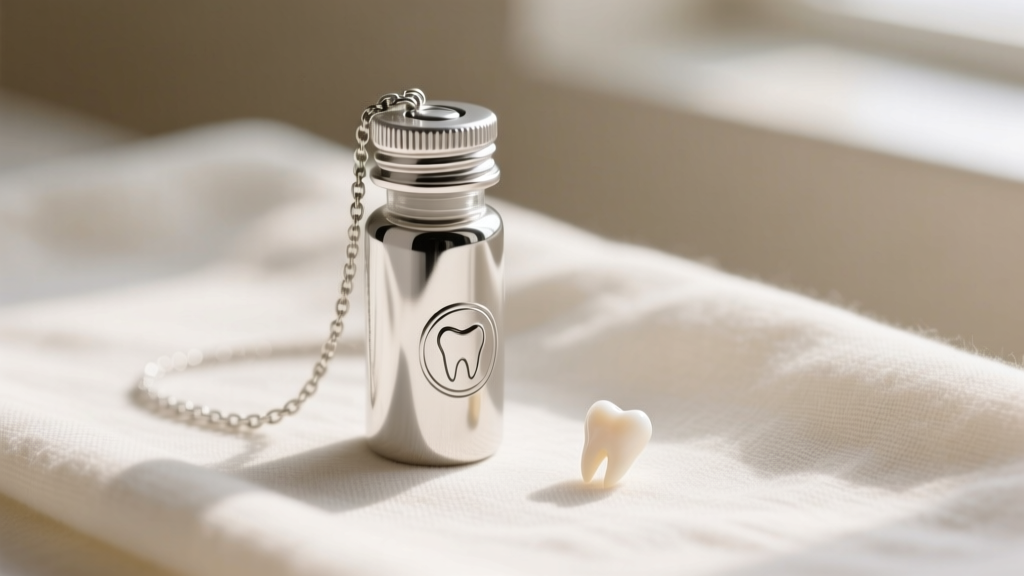
Understanding the Tooth Holder Necklace Niche
A tooth holder necklace is far more than a simple trinket; it is a modern reliquary. Whether you are preserving a child’s first lost baby tooth, keeping an extracted wisdom tooth as a personal memento, or embracing the gothic memento mori aesthetic, the functional requirements of these pendants are uniquely demanding. Unlike standard gemstone jewelry, a tooth holder must safely encapsulate organic biological matter while enduring the rigors of daily wear. In this comprehensive buying guide, we break down the exact metallurgical standards, closure mechanics, and preservation protocols you need to evaluate before making a purchase.
The Critical Factor: Closure Mechanisms
The most common failure point in any tooth holder necklace is the cap. Losing the cap means losing the keepsake, often irrevocably. When shopping, you will encounter three primary closure types. Understanding the mechanical differences is vital for long-term security.
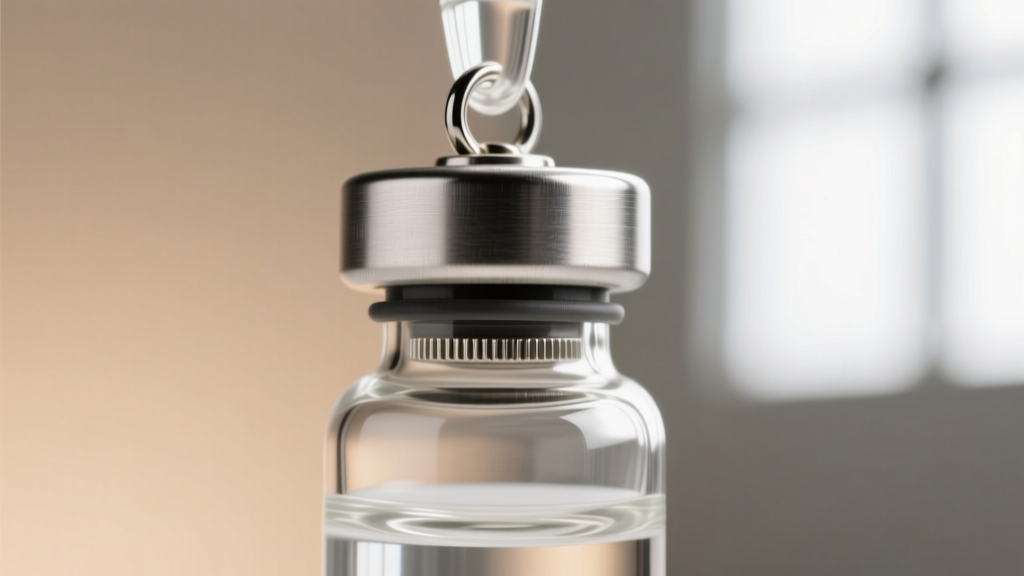
1. Screw-Top with O-Ring (The Gold Standard)
For daily wear, a threaded screw-top cap equipped with a nitrile or silicone O-ring is mandatory. The O-ring creates a watertight and airtight compression seal when the cap is tightened. This prevents moisture ingress (which rots the tooth) and ensures the cap cannot vibrate loose from body movement. Look for precision-machined threads; cheap cast threads will cross-thread and strip within weeks.
2. Friction Fit & Cork Stoppers
Often found in mass-produced or low-end novelty pendants, friction fits rely on a silicone plug or cork stopper. While aesthetically pleasing for rustic designs, they are highly susceptible to failure. Body heat causes the air inside the vial to expand, which can slowly push a friction stopper out over time. Verdict: Avoid for daily wear; reserve for display-only pieces.
3. Permanent Resin Encapsulation
Some jewelers offer to permanently suspend the tooth in clear UV-cured epoxy or polyurethane resin. While this completely eliminates the risk of the cap falling off, it is a destructive, irreversible process. If the resin yellows over time (a common issue with cheaper epoxies exposed to UV light), the keepsake is ruined.
Material Grades & Biocompatibility
Because a tooth holder necklace rests against the sternum—an area prone to sweating and friction—the materials must be highly resistant to corrosion and hypoallergenic.
Vial Materials: Borosilicate Glass vs. Acrylic
Always opt for borosilicate glass. Unlike standard soda-lime glass, borosilicate is highly resistant to thermal shock and scratching. More importantly, it will not yellow or degrade. Acrylic and polycarbonate alternatives may be shatterproof, but they micro-scratch easily, turning cloudy within months and obscuring the tooth inside.
Cap & Chain Alloys
- 316L Surgical Stainless Steel: The most reliable choice. The "L" denotes low carbon, providing superior resistance to the chlorides found in human sweat. It will not tarnish or react with the organic matter inside the vial.
- 925 Sterling Silver: A beautiful, traditional choice, but it requires maintenance. Silver sulfide tarnish can occur, especially if the vial's seal fails and sulfur compounds from the degrading organic matter escape. Ensure the silver is rhodium-plated for a maintenance-free experience.
- ASTM F136 Titanium: Rare but exceptional. If you have severe nickel allergies, seek out artisan jewelers who machine caps from implant-grade titanium.
Preservation Protocol: Prepping the Tooth
A common mistake buyers make is placing a freshly lost tooth directly into the necklace vial. Teeth contain organic pulp and moisture. If sealed wet, anaerobic bacteria will thrive, turning the tooth black and producing a foul odor. According to guidelines adapted from the American Dental Association regarding tooth handling, proper preparation is essential.
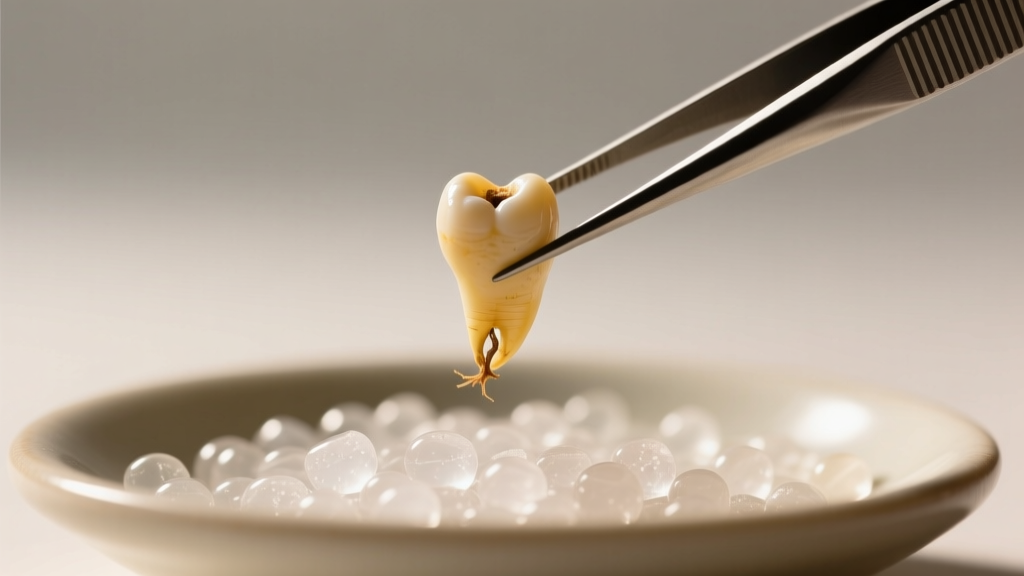
- Clean: Soak the tooth in a 3% hydrogen peroxide solution for 15 minutes to remove blood and surface debris. Do not scrub aggressively, as baby tooth enamel is thin and fragile.
- Dry: Pat dry and place the tooth in a sealed container with silica gel desiccant packets for 48 to 72 hours. This draws out internal moisture from the dentin.
- Seal: Once fully desiccated, place it in the vial. For added protection against UV degradation, you can add a microscopic drop of clove oil (a natural antibacterial) on a cotton micro-swab inside the cap, though this is optional if the tooth is bone-dry.
Safety Considerations & Choking Hazards
If the tooth holder necklace is intended for a child to wear, you must adhere to strict safety guidelines. The U.S. Consumer Product Safety Commission (CPSC) mandates that any small parts intended for children under three must pass rigorous choke-tube testing. Most glass vials (typically 8mm to 10mm in diameter) are severe choking hazards. Furthermore, glass can shatter if bitten. Expert Advice: Tooth holder necklaces should be worn exclusively by adults or older teenagers as sentimental keepsakes. If a child wants to wear their lost tooth, opt for a specialized, shatterproof, oversized silicone locket designed specifically for pediatric wear, and always supervise.
Chain Lengths & Ergonomics for Daily Wear
The placement of the vial on your chest affects both its visibility and its exposure to physical trauma. Because glass vials are inherently fragile, selecting the correct chain length is a matter of practical preservation.
- Choker (14-16 inches): Keeps the vial high on the clavicle. This is the safest length for active wearers, as the pendant rests against the bone and is less likely to swing outward and strike a table edge or doorframe.
- Princess (18 inches): The standard length, resting just below the collarbone. While aesthetically pleasing, the vial will swing freely when bending over. Ensure the cap is tightly secured before leaning forward.
- Matinee (20-24 inches): Rests on the sternum. This length is highly discouraged for rigid glass vials, as the pendulum effect generated during walking can cause the heavy metal cap to strike the glass body, leading to stress fractures over time.
Pricing Tiers & What to Expect
| Tier | Price Range | Materials & Features | Best For |
|---|---|---|---|
| Mass Market | $10 - $25 | Acrylic vial, friction-fit alloy cap, basic chain. | Occasional wear, novelty gifts. |
| Artisan / Mid-Range | $40 - $85 | Borosilicate glass, 316L steel screw-cap with O-ring, sterling chain. | Daily wear, secure long-term keepsakes. |
| Fine Jewelry | $150 - $300+ | Custom-machined 14k gold or platinum caps, hand-blown glass, diamond accents. | Heirloom pieces, luxury memento mori. |
Final Verdict: How to Choose
When investing in a tooth holder necklace, prioritize the mechanical integrity of the closure above all else. A beautifully crafted borosilicate vial with a 316L stainless steel screw-top and a nitrile O-ring will outlast friction-fit alternatives by decades. Ensure you properly desiccate the tooth before sealing it away, and treat the necklace as an adult keepsake rather than a child's toy. By focusing on material biocompatibility and secure threading, you can safely carry a deeply personal piece of history with you every day.


