Is a Solid Gold Round Necklace Worth It? 2026 Value Guide
Discover how to assess the true value of a gold round necklace in 2026. Learn to calculate melt value, spot brand markups, and choose the right karat.

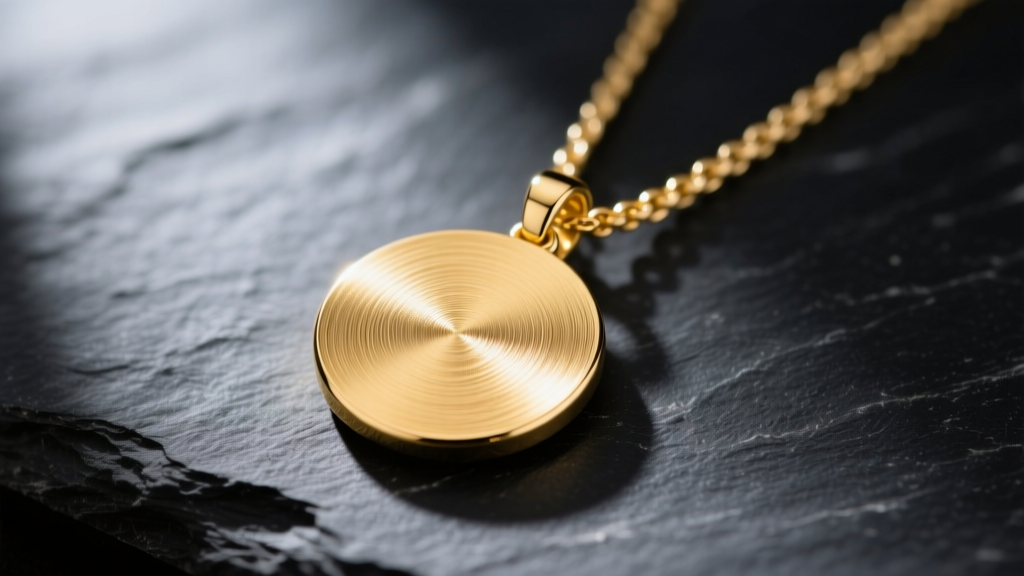
When building a timeless jewelry wardrobe, the gold round necklace remains an undisputed staple. Whether it takes the form of a sleek, minimalist disc pendant, a textured vintage-style coin, or a continuous chain of spherical beads, this geometric silhouette catches the light beautifully and layers effortlessly. However, with precious metal markets experiencing significant volatility, evaluating the true cost versus value of these pieces in 2026 requires more than just a quick glance at a price tag.
As a senior appraiser and style analyst, I frequently see consumers overpay for lightweight, mass-stamped pendants or mistakenly believe that heavy gold-plated vermeil holds long-term financial value. This comprehensive budget and value assessment will teach you how to deconstruct the pricing of a gold round necklace, calculate its intrinsic melt value, and identify the craftsmanship markers that justify a premium retail markup.
The Anatomy of a Gold Round Necklace: Disc, Coin, or Sphere?
Before assessing value, you must understand how the piece was manufactured. The term "gold round necklace" generally encompasses three distinct styles, each with different labor costs and durability profiles:
- Stamped Disc Pendants: Cut from a flat sheet of gold using a hydraulic press. These are the most cost-effective to produce. A 15mm stamped disc requires minimal finishing, meaning the retail price should closely track the raw gold weight plus a modest labor fee.
- Cast Coin Pendants: Created using the lost-wax casting method to achieve deep, three-dimensional details (like Roman numerals or zodiac engravings). Casting introduces porosity risks and requires extensive hand-polishing, justifying a 20% to 40% higher craftsmanship premium over stamped discs.
- Spherical Bead Chains: Often called "ball chains," these consist of hollow or solid gold spheres linked by short wire bars. Solid gold spheres are incredibly heavy and expensive, while hollow spheres offer the look of a massive gold round necklace at a fraction of the weight—but they are prone to denting and cannot be easily repaired.
The 2026 Gold Pricing Matrix: Calculating True Melt Value
To determine if you are getting a fair deal, you must separate the intrinsic metal value from the brand markup. With spot gold prices hovering near historic highs in 2026, understanding the melt value is your ultimate negotiation tool. According to live market trackers like Kitco, the baseline price per gram of pure 24k gold dictates the floor price of any solid gold jewelry.
Here is a practical matrix to help you assess the baseline value of a standard 5-gram gold round necklace (including a 2-gram pendant and a 3-gram 18-inch chain):
| Karat Grade | Purity % | Approx. Melt Value (per gram) | Total Melt Value (5g) | Fair Retail Range (Independent) | Luxury Brand Retail |
|---|---|---|---|---|---|
| 10k Gold | 41.7% | $30.15 | $150.75 | $250 - $350 | $500+ |
| 14k Gold | 58.3% | $42.17 | $210.85 | $350 - $550 | $800 - $1,200 |
| 18k Gold | 75.0% | $54.25 | $271.25 | $450 - $750 | $1,500 - $2,500 |
| 22k Gold | 91.6% | $66.25 | $331.25 | $600 - $900 | Rarely used for chains |
Note: Melt values are estimated based on early 2026 spot averages of $2,250/oz. Always check the daily spot price before making high-ticket purchases.
Expert Appraisal Tip: A fair retail multiplier for an independent, high-quality jeweler is typically 2x to 3.5x the melt value. If a brand is charging 10x the melt value for a simple, unbranded round disc pendant, you are paying strictly for marketing, not craftsmanship.
Chain Weight vs. Pendant Weight: The Durability Ratio
A critical failure point in many gold round necklaces is an improper weight distribution. A heavy, solid 18k gold coin pendant (weighing 4 to 6 grams) will quickly destroy a flimsy 1.5-gram cable chain. The constant friction at the bail (the loop connecting the pendant to the chain) acts like a saw, eventually snapping the chain links.
To ensure longevity, apply the 1.5x Weight Rule: your chain should weigh at least 1.5 times the weight of the round pendant. If you prefer a delicate, lightweight chain (such as a 1.0mm box chain), you must limit your pendant to under 2 grams, or opt for a high-tensile chain style like a Wheat or Rope chain, which distribute stress more evenly across multiple interlocking links.
Plated vs. Vermeil vs. Solid: Where Your Budget Actually Goes
When shopping on a budget, you will encounter many pieces labeled as "gold round necklaces" that contain only microscopic amounts of actual gold. Understanding the legal definitions, as outlined by the Federal Trade Commission (FTC) Jewelry Guides, is vital for value assessment.
Gold Plated (Brass Base)
Gold-plated necklaces use a base metal like brass or copper, coated with a gold layer thinner than 0.5 microns. Value Assessment: Near zero intrinsic value. The round edges of the pendant will experience high friction against the skin and clothing, causing the plating to rub off within months, exposing the green-oxidizing brass beneath.
Gold Vermeil (Sterling Silver Base)
Vermeil requires a sterling silver base and a gold layer of at least 2.5 microns thick. Value Assessment: Moderate. You are paying for the sterling silver scrap value and the thicker gold coating. While a vermeil gold round necklace is a great budget alternative, it is still a consumable item. Once the gold wears off the high-friction edges of the round disc, it must be professionally re-plated, which costs between $40 and $80 per session.
Solid Gold (Alloyed)
Solid gold is mixed with alloys like copper, silver, and zinc for strength. Value Assessment: High. Solid gold never flakes or wears away to reveal a different metal. It can be polished indefinitely, making a solid gold round necklace a true heirloom asset that retains its baseline melt value.
Red Flags: How to Spot Overpriced Gold Round Necklaces
Not all solid gold is created equal. When evaluating a piece, look out for these deceptive manufacturing tactics that inflate prices without adding value:
- The "Hollow Back" Disc: Some manufacturers create a large, impressive-looking 25mm round pendant that is actually a domed, hollow shell. While it looks substantial, it weighs less than 1.5 grams and is easily crushed if snagged. Always ask for the exact gram weight.
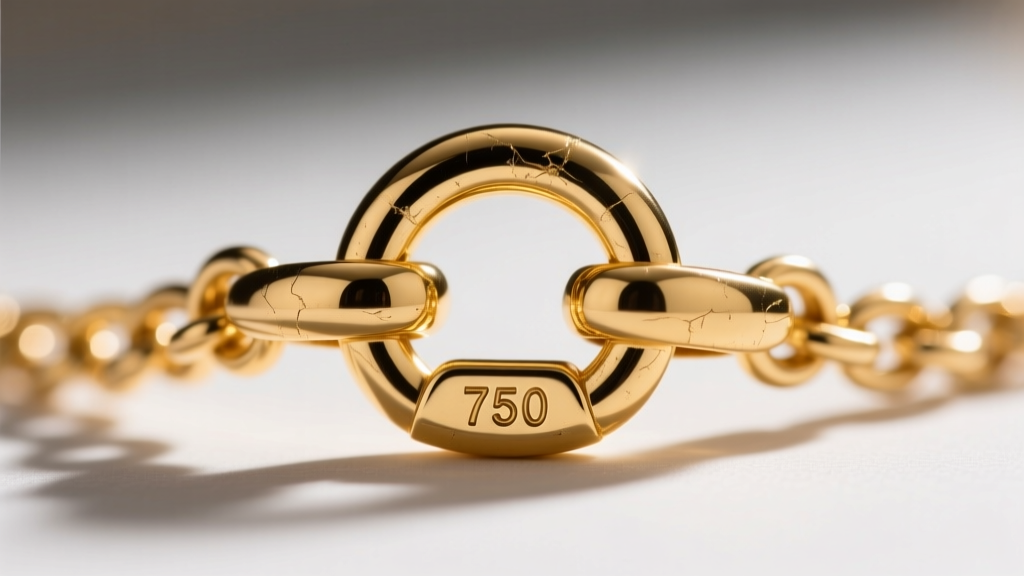
- Missing Hallmarks: According to the Gemological Institute of America (GIA), reputable gold jewelry must be stamped with its karatage (e.g., 14K, 585, 750) and a manufacturer's trademark. If the clasp or pendant bail lacks these micro-stamps, walk away.
- Overly Thick Bails: A disproportionately large, heavy bail on a lightweight round pendant is a trick to artificially inflate the total gram weight of the piece, making the delicate pendant seem more substantial than it is.
Expert Decision Framework: Which Karat Makes Sense for You?
Choosing the right karat for your gold round necklace depends entirely on your lifestyle, skin chemistry, and budget.
- 10k Gold (41.7% Pure): The most durable and budget-friendly, but it has a pale, slightly brassy yellow hue. Best for spherical bead chains that take a lot of physical abuse, but less ideal for detailed coin pendants where color richness matters.
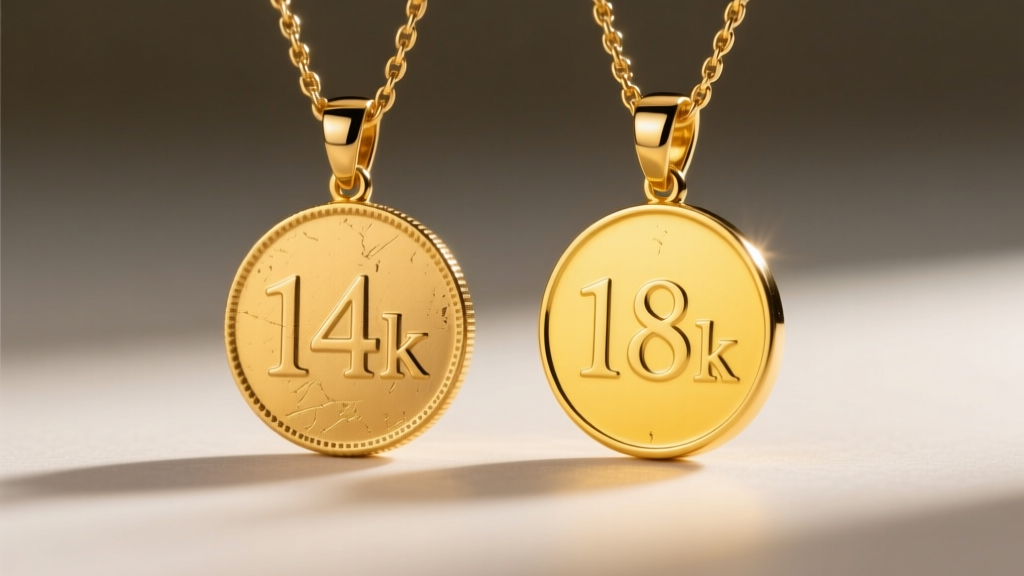
- 14k Gold (58.3% Pure): The ultimate sweet spot for everyday wear. It offers a beautiful, warm yellow tone while retaining enough alloyed hardness to resist scratching on the flat face of a round disc pendant. This is the recommended choice for 90% of buyers.
- 18k Gold (75.0% Pure): Deep, rich, and luxurious. However, 18k gold is softer. If you choose an 18k gold round necklace, opt for a hammered or brushed finish on the pendant face, as a high-polish mirror finish will quickly accumulate micro-scratches from daily wear.
Final Verdict: Maximizing Your Investment
A gold round necklace is a brilliant addition to any collection, provided you buy it with your eyes wide open. To maximize your budget in 2026, prioritize exact gram weight over brand names, insist on solid 14k or 18k gold for heirloom longevity, and ensure your chain-to-pendant weight ratio is balanced for long-term durability. By applying these appraisal techniques, you can confidently acquire a piece that not only elevates your personal style but also holds its intrinsic value for decades to come.


