The Ultimate Guide to Choosing a Gold Shark Necklace
Discover everything about the gold shark necklace, from shark tooth pendants to woven shark chains. Learn about karats, sizing, and pricing in our guide.

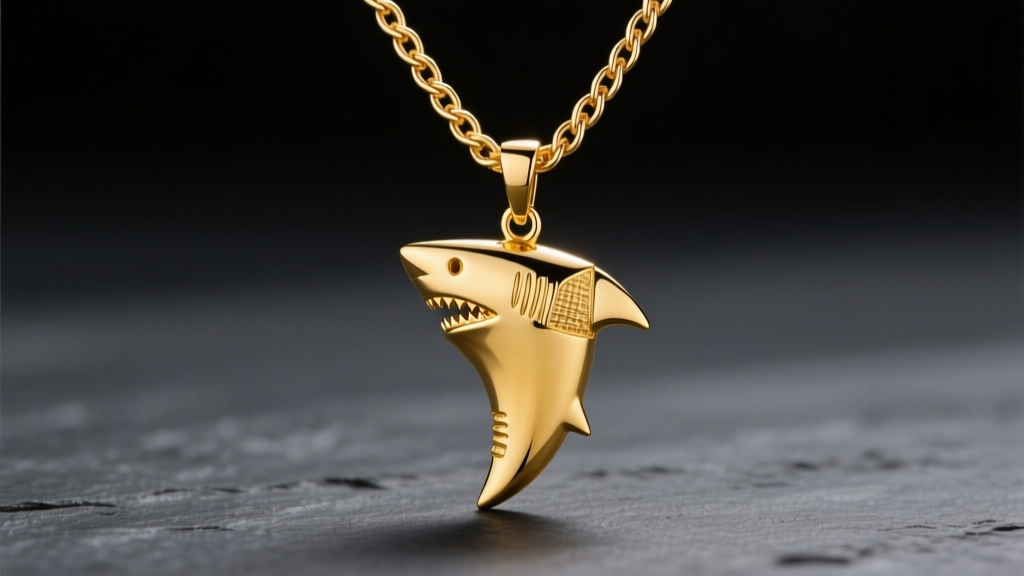
When you begin searching for a gold shark necklace, you will quickly realize that the term refers to two entirely different styles of jewelry. For some, it evokes the rugged, coastal aesthetic of a gold-cast shark tooth pendant. For others, it refers to the intricate, woven metalwork of a "shark chain" (often overlapping with foxtail or wheat chains). As a beginner navigating the fine jewelry market, understanding this distinction is the first step toward making a smart, long-lasting investment.
Whether you are upgrading a casual surf-style accessory into a luxury streetwear staple or looking for a durable, textured chain for everyday wear, this guide breaks down the metallurgy, sizing, and pricing you need to know before you buy.
Decoding the Term: Pendant vs. Chain
The phrase "gold shark necklace" is a catch-all in the jewelry industry. To shop effectively, you must separate the pendant from the chain style.
The Shark Tooth Pendant
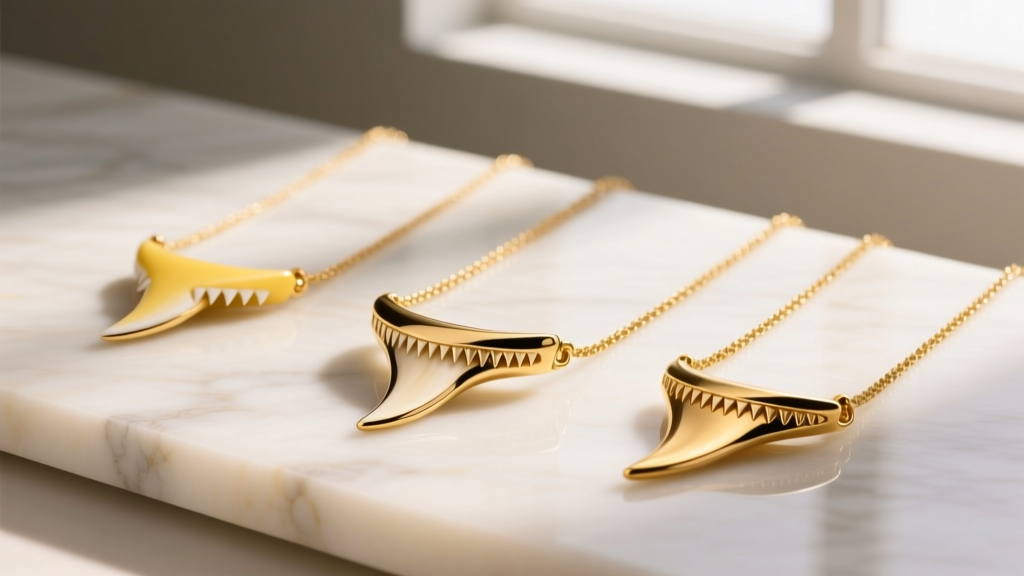
Historically, surfers and beachgoers wrapped real shark teeth in wire or dipped them in gold electroplate. Today, fine jewelers create cast replicas of shark teeth in solid gold. This is a crucial distinction. According to marine conservation guidelines, purchasing real shark teeth encourages unethical bycatch and finning. High-end jewelers now use 3D scanning and lost-wax casting to create hyper-realistic gold replicas that capture every serration and groove without harming marine life. When shopping, always look for "cast replica" or "ethically sourced" in the product description.
The Shark Link Chain
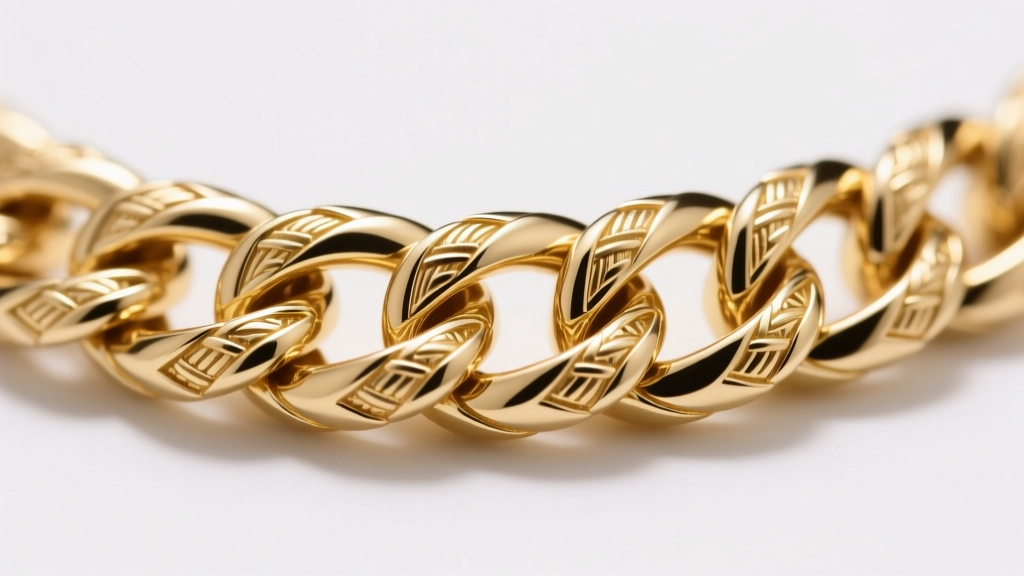
If you are looking for the chain itself, a "shark chain" (frequently grouped with foxtail or braided wheat chains) features tightly woven, V-shaped links that resemble the sleek, overlapping scales of a shark. These chains are celebrated for their fluid drape and high-shine finish. However, their complex woven structure makes them prone to kinking if bent backward sharply. They require specific care, which we will cover later.
Material Grades: Which Gold Karat is Best?
Gold purity is measured in karats (k). The Gemological Institute of America (GIA) notes that pure 24k gold is too soft for intricate chain weaving or detailed pendant casting. Therefore, alloy metals like copper, silver, and zinc are added. Here is how the most common karats perform for shark-style jewelry:
| Karat | Gold Purity | Durability for Chains | Best Use Case |
|---|---|---|---|
| 10k Gold | 41.7% | Excellent (Highly scratch-resistant) | Everyday shark chains for active wearers; budget-friendly pendants. |
| 14k Gold | 58.3% | Very Good (The industry sweet spot) | Standard for high-quality shark tooth pendants and durable woven chains. |
| 18k Gold | 75.0% | Good (Softer, richer color) | Luxury pendants and special-occasion shark chains; prone to kinking. |
| 22k Gold | 91.6% | Poor (Too malleable) | Avoid for woven chains; occasionally used for heavy, solid cast pendants. |
Expert Tip: If you are buying a shark link chain that you plan to wear daily, never exceed 14k gold. The woven links in 18k or 22k gold will stretch and permanently deform under the weight of their own metal over time.
Sizing and Proportions: Getting the Fit Right
A gold shark necklace can look incredibly stylish or overwhelmingly clunky depending on the proportions. Use this framework to select the right dimensions for your neckline and body type.
Pendant Sizing
- Subtle / Minimalist (0.75" - 1.25"): Ideal for layering with other delicate chains or for a discreet, professional look. Usually features a single, small great white or mako tooth casting.
- Standard / Statement (1.5" - 2.0"): The most versatile size. Sits perfectly on the chest and is large enough to show the intricate casting details of the tooth's serrations.
- Oversized / Streetwear (2.5" - 3.5"): Often featuring megalodon replicas or diamond-encrusted great white teeth. Best worn solo on a thick (3mm - 5mm) shark or Cuban link chain.
Chain Lengths
- 18 Inches: Sits at the collarbone. Best for smaller pendants and feminine necklines.
- 20 Inches: Falls just below the collarbone. The universal standard for men's shark tooth pendants.
- 22 - 24 Inches: Rests on the upper chest. Necessary for oversized, heavy gold shark pendants to prevent them from choking the wearer.
Pricing Guide: What Should You Expect to Pay?
The price of a gold shark necklace varies wildly based on whether you are buying gold vermeil (plated), solid gold, or designer pieces. According to market data analyzed by the Jewelry Shopping Guide, weight and manufacturing complexity drive the cost of woven chains, while designer branding drives pendant costs.
Beware of "Gold Dipped" Real Teeth: Many tourist shops sell real shark teeth dipped in a microscopically thin layer of gold. These are not fine jewelry; the gold will flake off within months, and the organic tooth underneath will eventually become brittle and crack. Always opt for solid cast gold replicas.
Real-World Pricing Tiers
- Fashion / Vermeil ($40 - $120): Sterling silver base plated with a thin layer of 14k or 18k gold. Expect the plating to wear off the high-friction links of a shark chain within 6 to 12 months of daily wear.
- Solid 10k Gold ($250 - $500): Entry-level fine jewelry. Excellent for durable, everyday shark chains, though the color will be slightly pale due to the high alloy content.
- Solid 14k Gold ($600 - $1,800): The core market for authentic gold shark necklaces. A solid 14k cast tooth pendant (approx. 3-5 grams) will typically cost between $350 and $600, while a 20-inch 14k shark link chain will range from $800 to $1,200 depending on the millimeter width.
- High-End / Designer 18k ($2,000 - $8,000+): Luxury brands and custom jewelers offering 18k gold, often accented with pavé diamonds along the edges of the shark tooth or integrated into the chain links.
Maintenance: Caring for Intricate Gold Links
Shark jewelry requires specific maintenance due to its complex geometry. The deep grooves of a cast shark tooth and the tightly woven V-links of a shark chain are magnets for skin oils, lotion, and environmental dust.
How to Clean a Shark Tooth Pendant
Mix a few drops of mild dish soap into a bowl of warm (not hot) water. Let the pendant soak for 10 minutes. Use a soft-bristled baby toothbrush to gently agitate the serrated edges of the tooth. Rinse with distilled water to prevent hard water spots, and pat dry with a microfiber cloth.
The Danger of Ultrasonic Cleaners for Shark Chains
While ultrasonic cleaners are great for solid cast pendants, never put a woven shark link chain in an ultrasonic cleaner. The high-frequency vibrations can cause the tightly woven links to grind against one another, accelerating wear and potentially snapping the microscopic solder points that hold the V-links together. Instead, clean your shark chain using the soapy soak method, gently rubbing the chain between your fingers to work the suds between the links.
Untangling a Kinked Shark Chain
Because of their scale-like structure, shark chains kink easily if stored improperly. If your chain develops a hard kink, do not pull it. Lay the chain flat on a glass surface, apply a single drop of baby oil or mineral oil to the kink, and use two sewing needles to gently tease the links back into their natural overlapping pattern. Wipe away the excess oil afterward with a jewelry polishing cloth.
Final Thoughts on Your Purchase
A gold shark necklace is a versatile piece that bridges the gap between casual coastal style and refined luxury. By understanding the difference between a cast pendant and a woven chain, selecting the appropriate 14k gold alloy for durability, and committing to proper, non-ultrasonic cleaning methods, you will secure a piece of jewelry that maintains its structural integrity and shine for decades. Always verify the ethical sourcing of your pendant and the exact gram weight of your chain to ensure you are paying a fair market price for your investment.


