Gold with Silver Necklace: Mixed Metal Care & Styling
Discover the material properties, care routines, and styling tips for your gold with silver necklace. Prevent tarnish and galvanic corrosion.

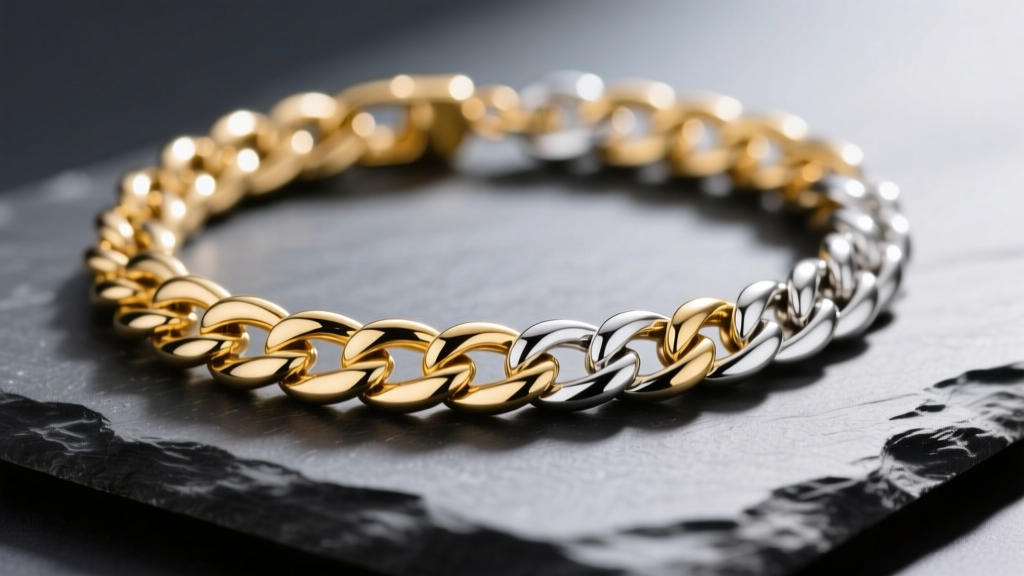
The Metallurgy of Mixed Metals: How Gold and Silver Interact
When you invest in a gold with silver necklace, you are not just making a fashion statement; you are wearing a complex metallurgical experiment. Mixing gold and silver in a single piece of jewelry requires a deep understanding of how these two precious metals interact on a chemical level. Gold is a highly noble metal, meaning it resists oxidation and corrosion. Silver, while also a precious metal, is inherently more reactive. According to the Gemological Institute of America (GIA), sterling silver is an alloy composed of 92.5% pure silver and 7.5% copper. It is this copper content that makes silver susceptible to tarnishing when exposed to sulfur compounds in the air or on the skin.
When gold and silver are in direct physical contact—such as in a two-tone chain where links are soldered together—they form a galvanic couple. In the presence of an electrolyte (like human sweat, which contains salt and water), the less noble metal (silver) acts as the anode and the more noble metal (gold) acts as the cathode. This can theoretically accelerate the localized corrosion or tarnishing of the silver components. However, in high-quality jewelry, this reaction is mitigated through precise alloying, protective rhodium flashing, and proper daily care routines.
Manufacturing Methods: Plated, Vermeil, and Soldered Two-Tone
Not every gold with silver necklace is created equal. The manufacturing method dictates the piece's longevity, price point, and eventual failure mode. Understanding these distinctions is critical for making an informed purchase and setting realistic expectations for wear and tear.
| Manufacturing Method | Material Composition | Durability Rating | Estimated Price Range | Primary Failure Mode |
|---|---|---|---|---|
| Soldered Two-Tone | Solid 14K Gold & Solid 925 Silver | High (Lifetime) | $150 - $1,200+ | Solder joint fatigue or silver tarnish |
| Gold Vermeil | 925 Silver base, 2.5µm+ 10K-18K Gold | Medium (2-5 Years) | $60 - $350 | Plating wear at high-friction contact points |
| Standard Gold Plated | Brass or Silver base, <0.5µm Gold | Low (Months) | $20 - $90 | Rapid flaking, base metal oxidation |
| PVD Coated | Stainless Steel base with TiN Gold PVD | High (5-10 Years) | $40 - $150 | Color fading, inability to be resized or repaired |
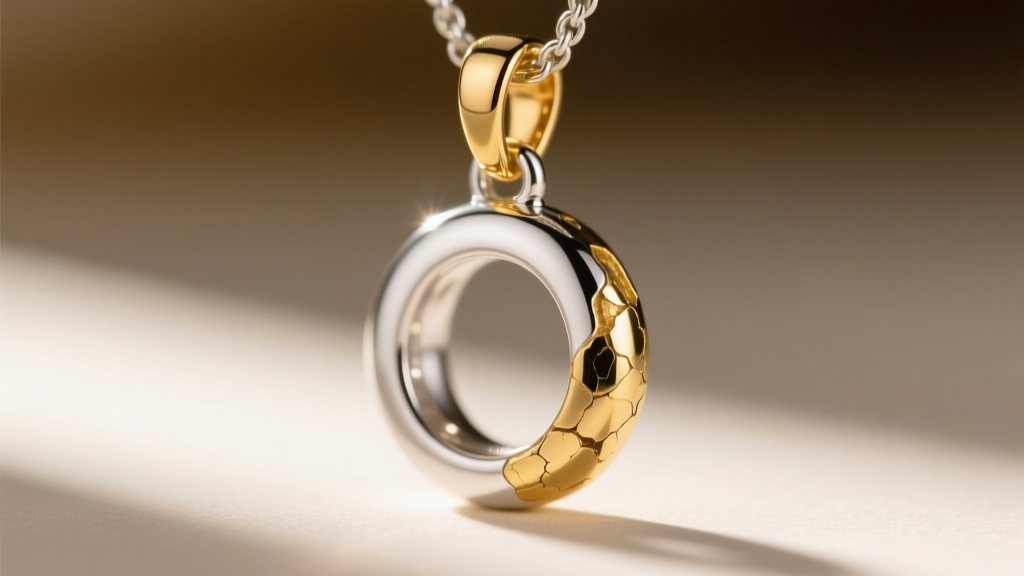
For heirloom-quality pieces, soldered two-tone is the gold standard. Jewelers use a laser or a specialized torch with a lower-temperature solder to fuse solid gold links with solid silver links without melting the base metals. Vermeil, on the other hand, is an excellent choice for trend-driven pendants, provided the gold layer meets the strict Federal Trade Commission (FTC) requirement of being at least 2.5 microns thick over a sterling silver base.
Galvanic Corrosion and Tarnish: The Science of Wear
The most common complaint among owners of mixed-metal jewelry is uneven tarnishing. Because gold does not tarnish, the silver sections of your necklace will inevitably darken over time, creating a stark, sometimes undesirable contrast. This is due to the formation of silver sulfide (Ag2S) on the surface of the silver.
To combat this, high-end manufacturers often apply a micro-layer of rhodium plating (usually between 0.1 and 0.3 microns thick) over the silver components of a two-tone necklace. Rhodium is a platinum-group metal that is highly reflective, completely hypoallergenic, and impervious to tarnish. This creates a bright white barrier that matches the visual tone of white gold or polished silver while buying the wearer years of maintenance-free use. However, once this rhodium layer wears off at friction points—such as the clasp or the bail of a pendant—the underlying silver will be exposed to the elements and will require polishing.
A Practical Care Framework for Two-Tone Chains
Cleaning a gold with silver necklace requires a delicate balance. You must remove silver sulfide tarnish without stripping away protective rhodium layers or damaging the gold alloy. Avoid commercial silver dip solutions at all costs; these contain thiourea and harsh acids that can permanently dull the finish of the gold and degrade the solder joints.
The Safe Cleaning Protocol
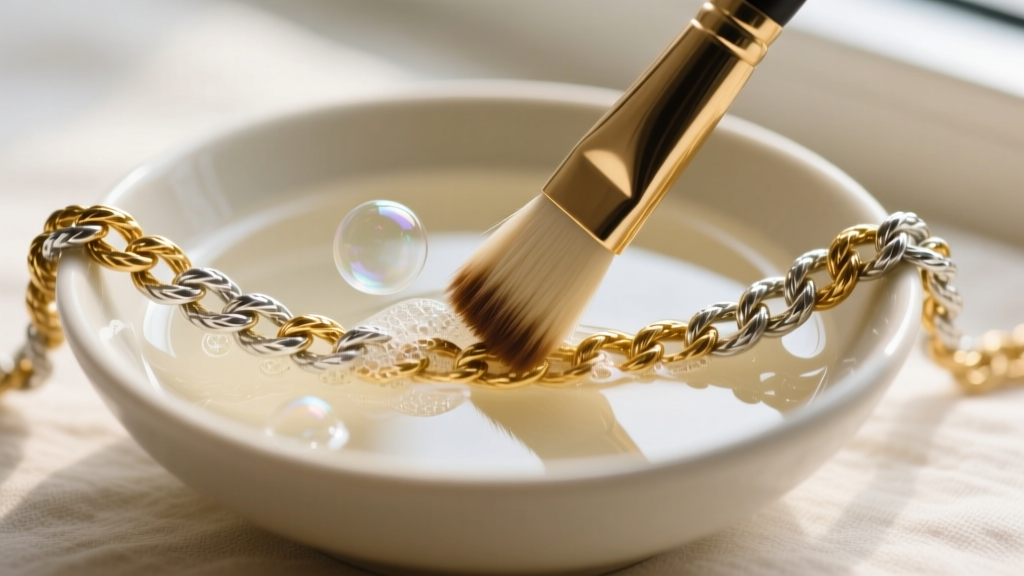
- Preparation: Mix a few drops of phosphate-free, mild dish soap (like Dawn) into a bowl of lukewarm distilled water. Avoid tap water, as the chlorine and fluoride can leave micro-deposits on the metal.
- Soaking: Submerge the necklace for exactly 5 to 10 minutes. This loosens sebum, dead skin cells, and environmental dust trapped in the chain links.
- Agitation: Use a newborn baby toothbrush (which has ultra-soft bristles) to gently sweep the crevices. Brush in the direction of the chain links to prevent snagging.
- Rinsing: Rinse thoroughly under a gentle stream of distilled water.
- Drying: Pat dry with a lint-free microfiber cloth. Never use paper towels, as the wood pulp fibers can cause micro-scratches on high-polish gold surfaces.
Note on Ultrasonic Cleaners: While ultrasonic cleaners are highly effective for solid gold and solid silver chains, they should be used with extreme caution on two-tone jewelry if the piece contains any gemstones, enamel work, or hollow links. The high-frequency vibrations can shatter tension-set stones and fracture weakened solder joints.
Styling the Gold with Silver Necklace in 2026
As we navigate the layered styling trends of 2026, the mixed-metal aesthetic has evolved from a faux pas to a hallmark of sophisticated, curated personal style. The key to pulling off a gold with silver necklace is intentionality. Rather than letting the metals clash, use them to create visual depth and anchor your overall look.
“The secret to mastering mixed metals is contrast in texture, not just color. Pair a high-polish gold chain with a matte or oxidized silver pendant to create visual depth that prevents the two metals from blending into a muddy, indistinguishable tone.”
— Jewel Style Radar Editorial Team
When layering, adhere to the gauge rule: ensure a minimum of 1.5mm difference in chain thickness between layers. For example, pair a delicate 1.2mm two-tone cable chain with a heavier 3.0mm solid silver curb chain. This prevents the chains from tangling and allows the distinct colors of the gold and silver to be individually appreciated.
Buying Guide: Hallmarks, Clasps, and Quality Indicators
Before purchasing, always inspect the hallmarks. According to the GIA's gold quality guidelines, a genuine two-tone piece should bear the stamps of both metals if space permits. Look for "925" or "Sterling" on the silver components, and "14K", "18K", or their metric equivalents ("585" or "750") on the gold components. If the piece is vermeil, it may be stamped "925" with a maker's mark, but it will not bear a gold karat stamp, as the gold is merely a surface coating.
Pay close attention to the clasp. For chains weighing over 15 grams or exceeding 3.5mm in width, a stamped lobster claw clasp is mandatory. Spring ring clasps are notoriously prone to spring failure and can easily snap under the weight of a heavy mixed-metal chain. Additionally, check the jump ring connecting the clasp to the chain; it should be soldered closed or feature a secure locking mechanism to prevent the necklace from slipping off during wear. By prioritizing structural integrity and understanding the metallurgical realities of mixed metals, your gold with silver necklace will remain a versatile, enduring staple in your jewelry collection for decades.


