How to Choose the Perfect Gold Wolf Necklace: A Beginner's Guide
Discover how to choose the perfect gold wolf necklace. Learn about gold purity, chain pairing, pendant sizing, and care in this beginner guide.

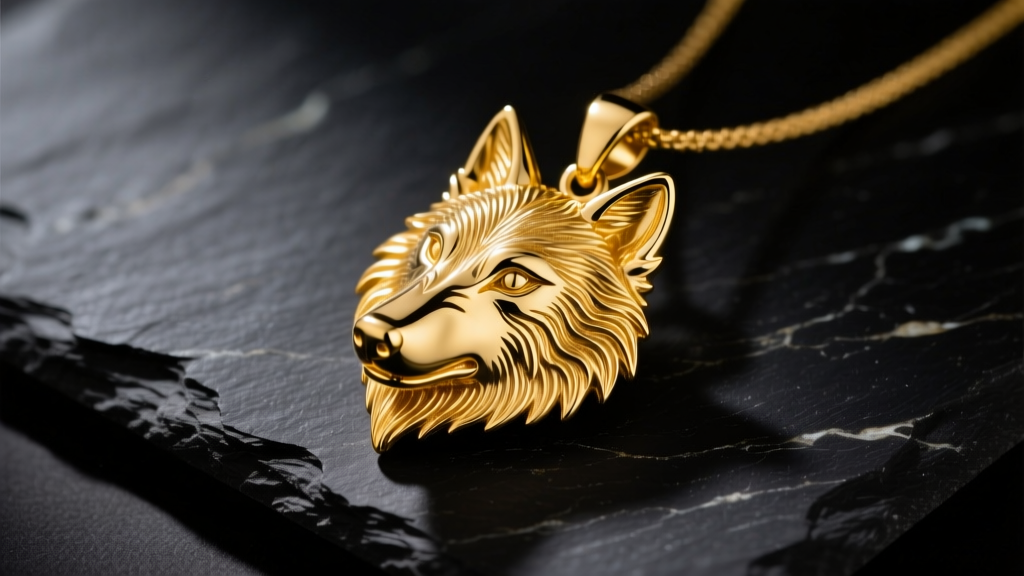
The wolf is one of the most enduring symbols in jewelry, representing loyalty, strength, and deep intuition. When translated into a gold wolf necklace, this primal motif elevates from a simple talisman to a striking statement piece. However, for beginners stepping into the world of fine animal-motif jewelry, the sheer variety of karats, chain styles, and casting methods can be overwhelming.
Whether you are buying your first piece of solid gold jewelry or looking to understand why certain pendants cost significantly more than others, this guide breaks down the exact specifications, material grades, and structural considerations you need to know before making a purchase.
The Art of the Cast: How Gold Wolf Pendants Are Made
To understand the pricing and durability of a gold wolf necklace, you first need to understand how it is manufactured. High-quality 3D wolf pendants are typically created using a technique called lost-wax casting. A master model is meticulously carved in wax, capturing every strand of fur and the sharp geometry of the snout. This wax model is encased in a plaster-like investment, heated to melt the wax away, and then molten gold is centrifugally forced into the cavity.
Because a detailed 3D wolf head requires a substantial volume of metal to maintain its structural integrity, these pendants are inherently heavy. A standard men's 3D wolf head pendant in solid 14k gold typically weighs between 8 grams and 15 grams. This weight is a crucial factor when selecting your chain, as the pendant's 'swing weight' will put continuous stress on the chain links.
Decoding Gold Purity: What Karat is Best for Animal Motifs?
According to the Gemological Institute of America (GIA), gold purity is measured in karats, with 24k being pure gold. However, pure gold is far too soft for intricate jewelry. When choosing a gold wolf necklace, you are balancing color richness against structural durability.
The Hardness Factor
Animal motifs feature delicate protrusions like ears, teeth, and textured fur. These elements require a harder metal alloy to prevent bending or snapping during daily wear.
- 10k Gold (41.7% pure): The hardest and most durable option. It has a slightly paler yellow hue but is highly resistant to scratching and bending. Ideal for rugged, everyday wear.
- 14k Gold (58.5% pure): The industry sweet spot. It offers a rich, warm yellow color while maintaining enough alloyed metals (like copper and zinc) to keep the wolf's snout and ears rigid.
- 18k Gold (75% pure): Noticeably richer in color and more expensive, but softer. An 18k wolf pendant will scratch more easily, and thinner details like the ear tips may warp if caught on clothing.
- 24k Gold (99.9% pure): Avoid for 3D animal pendants. It is far too malleable and will deform under its own weight over time.
Solid Gold vs. Vermeil vs. Plated: A Buyer's Matrix
Not every gold wolf necklace is made of solid gold. The Federal Trade Commission (FTC) strictly regulates how jewelry can be labeled based on its gold content. Here is a practical matrix to help you decide which material fits your budget and lifestyle.
| Material Type | Composition | Estimated Price Range | Lifespan & Durability | Best For |
|---|---|---|---|---|
| Solid 14k Gold | 100% gold alloy throughout | $600 - $1,200+ | Lifetime; can be polished endlessly | Heirloom pieces, daily wear |
| Gold Vermeil | Sterling silver base with thick 14k/18k gold plating (min 2.5 microns) | $120 - $250 | 2-5 years before requiring re-plating | Budget-conscious buyers wanting precious metals |
| Gold Plated (Brass) | Brass or copper base with thin gold flash | $30 - $80 | 6-12 months; prone to tarnishing and skin discoloration | Occasional costume wear |
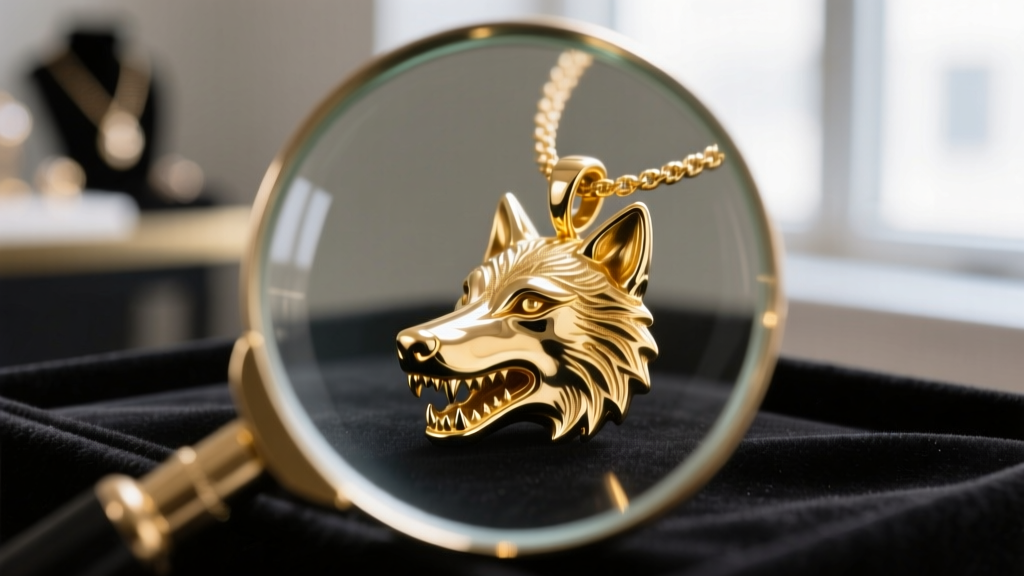
Pro Tip: Always check the stamp on the bail (the loop that connects the pendant to the chain). A genuine solid gold piece will be stamped '14K', '585', '18K', or '750'. Vermeil should be stamped '925' for the sterling silver base.
Chain Pairing: Matching Weight and Aesthetics
A heavy gold wolf pendant will quickly destroy an inadequate chain. The most common beginner mistake is pairing a 12-gram pendant with a thin, hollow 1.5mm cable chain. The pendulum effect of the heavy wolf head will cause work-hardening at the chain's stress points, leading to a snapped link and a lost pendant.
Recommended Chain Styles
For a rugged, masculine, or bold aesthetic that matches the wolf motif, opt for chains that offer high tensile strength and visual weight:
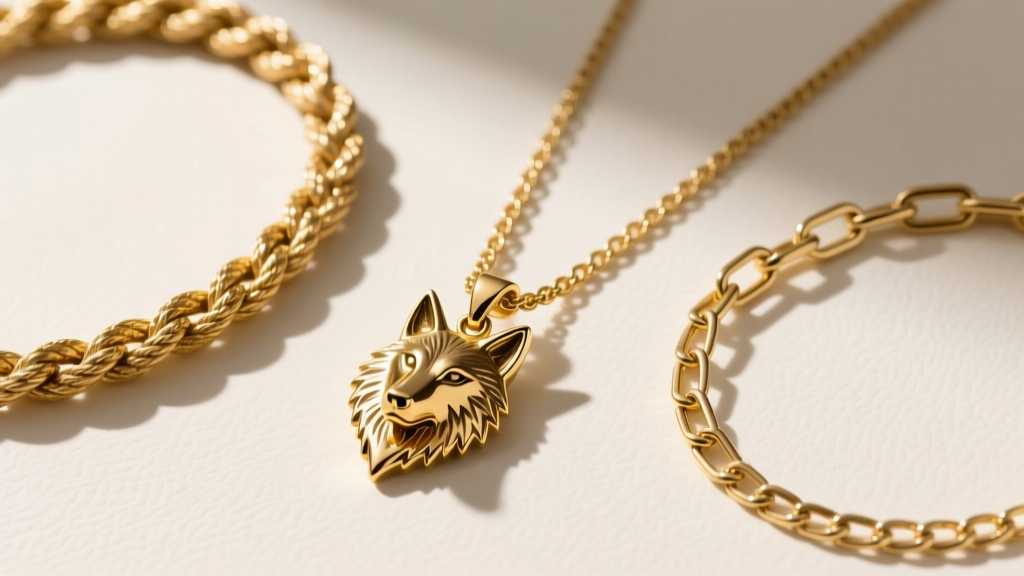
- Rope Chain (3mm - 5mm): The twisted links mimic the organic, wild nature of the wolf. A solid 4mm rope chain can easily support a 15g pendant.
- Figaro Chain (4mm+): The alternating long and short links provide a vintage, rugged look that complements detailed animal motifs beautifully.
- Box Chain (2.5mm - 4mm): Offers a modern, geometric contrast to the organic shape of the wolf. Box chains are incredibly strong due to their interlocking square links.
Bail Types and Clearances
Pay close attention to the pendant's bail. A standard loop bail allows thick chains to pass through easily but sits visibly on top of the wolf's head. A hidden bail is drilled horizontally through the top of the pendant, allowing the chain to pass through the metal itself for a 'floating' effect. However, hidden bails usually have a strict clearance limit, often maxing out at 3.5mm chain thickness.
Sizing and Proportions: Getting the Drop Length Right
The visual impact of your gold wolf necklace depends heavily on where the pendant rests on your chest.
- 18-Inch Drop: Sits right at the collarbone. Best for smaller, flatter 2D wolf silhouettes (under 20mm in height). Ideal for layering or wearing under an unbuttoned collar.
- 20-Inch Drop: The most versatile length. Rests just below the collarbone, allowing a medium-sized 3D wolf head (25mm - 30mm) to sit perfectly in the V-neck of a t-shirt.
- 24-Inch Drop: Rests on the upper chest/sternum. Reserved for large, heavy statement pieces (35mm+). This length is popular in streetwear and allows the pendant to swing freely over crewneck sweatshirts.
Maintenance: Cleaning Intricate Crevices
Wolf pendants are notorious for trapping skin oils, lotions, and environmental dust in their deeply carved fur textures and behind the teeth.
To clean your necklace, avoid harsh chemical dips. Instead, use a bowl of warm water with a few drops of mild dish soap. Let the pendant soak for ten minutes to loosen debris. Then, use a soft-bristled baby toothbrush to gently agitate the crevices.
Warning: If your gold wolf necklace features gemstone accents—such as onyx or ruby eyes—never use an ultrasonic cleaner. The high-frequency vibrations can easily shatter onyx, especially if the stone has microscopic internal fractures from the setting process. Stick to manual, gentle brushing to preserve both the gold and the stones.
Final Thoughts for the First-Time Buyer
Investing in a gold wolf necklace is about more than just acquiring a piece of metal; it is about choosing a symbol that resonates with your personal ethos. By prioritizing 14k solid gold for the perfect balance of color and durability, matching your chain's tensile strength to the pendant's gram weight, and committing to proper crevice cleaning, your necklace will remain a striking, intact heirloom for decades to come.


