Gold Wrap Necklace Guide: Karat Alloys, Weaves, and Tensile Specs
Discover the technical specs of a gold wrap necklace. We analyze karat alloys, chain weaves, tensile strength, and clasp mechanics for optimal durability.

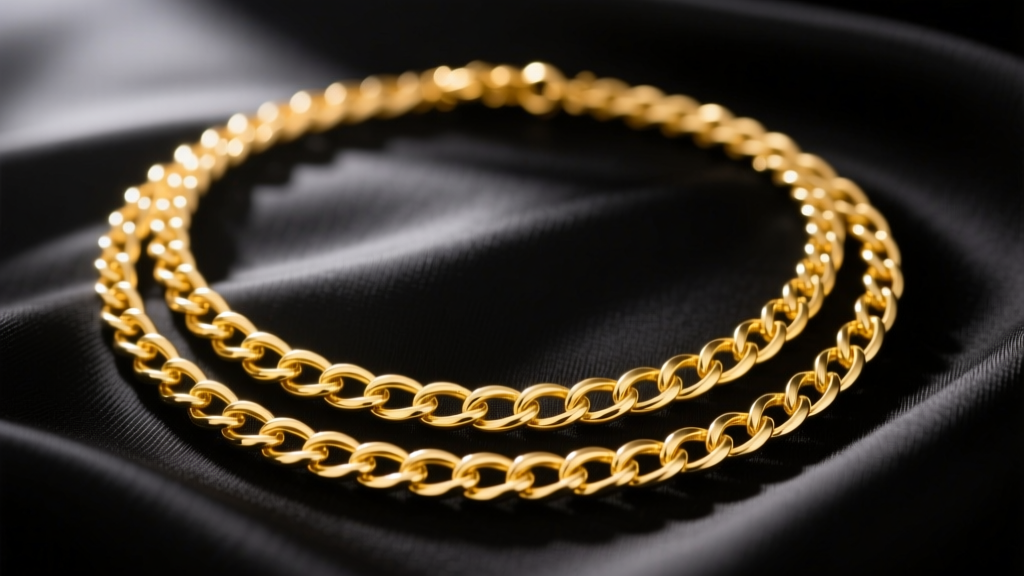
A gold wrap necklace is far more than a versatile styling accessory; it is a complex exercise in jewelry engineering. Unlike standard 16-inch or 18-inch chains that rest statically on the clavicle, wrap necklaces—typically ranging from 42 to 72 inches in length—endure continuous mechanical stress, repetitive bending, and variable tensile loads. When a single strand of gold is looped multiple times around the neck, knotted, or threaded through a friction slider, the metallurgical properties and structural geometry of the chain dictate its lifespan.
In this technical deep dive, we examine the material science, chain weave mechanics, and closure tolerances that separate a high-performance gold wrap necklace from a fragile, easily kinked liability.
The Metallurgy of Long-Form Gold Jewelry
The fundamental challenge of designing a wrap necklace lies in balancing malleability with yield strength. Pure 24k gold is entirely unsuitable due to its extreme softness. According to data from the World Gold Council, alloying gold with copper, silver, and zinc fundamentally alters its crystalline structure, dictating how the metal responds to repetitive stress.
Vickers Hardness (HV) and Work-Hardening
When a 60-inch chain is wrapped tightly or knotted, the metal undergoes localized plastic deformation. Over time, this leads to work-hardening, where the metal becomes brittle and eventually snaps.
- 14k Gold (58.5% Au): Exhibits a Vickers Hardness of approximately 125-150 HV. The higher concentration of copper and zinc creates a rigid alloy that resists permanent creasing. This makes 14k the superior technical choice for wrap necklaces that will be tightly knotted or subjected to high-friction sliders.
- 18k Gold (75% Au): Sits at a softer 110-130 HV. While it offers a richer, deeper yellow hue and higher intrinsic value, 18k gold is highly susceptible to kinking. If an 18k wrap chain is folded sharply under tension, the links can permanently deform, creating a weak point prone to metal fatigue.
For daily-wear wrap styles involving complex looping, 14k gold provides a 20-30% increase in tensile resilience compared to 18k, a crucial metric for long-form jewelry.
Chain Weave Engineering and Tensile Strength
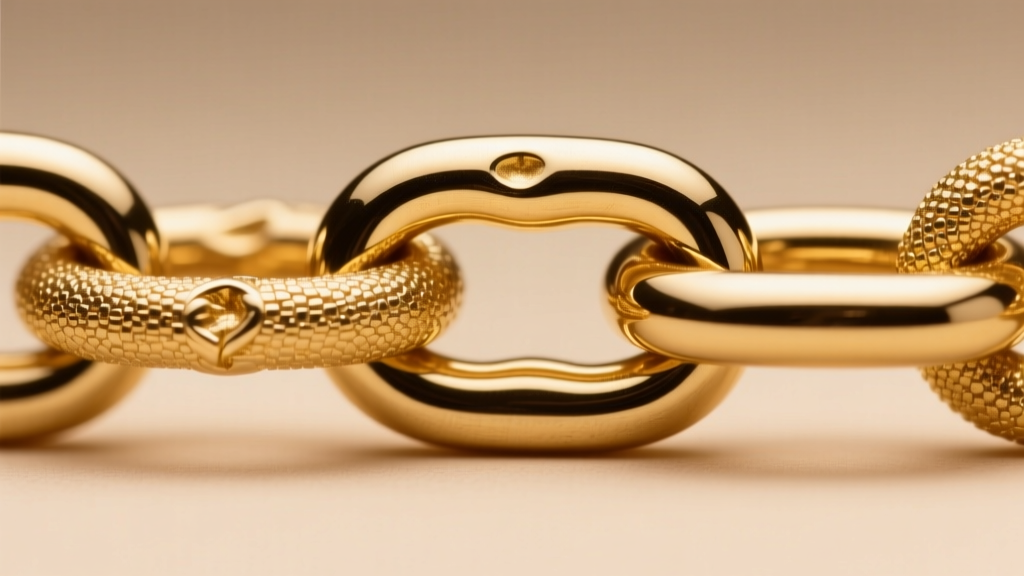
The geometry of the chain links determines multi-axis flexibility, drape fluidity, and resistance to hair-snagging. The Gemological Institute of America (GIA) notes that link articulation is paramount for long chains to prevent structural memory and coiling. Below is a technical comparison of common weaves used in gold wrap necklaces.
| Chain Weave | Multi-Axis Flexibility | Kink Resistance | Hair Snag Risk | Verdict for Wraps |
|---|---|---|---|---|
| Foxtail | Excellent | High | Low | Optimal. Multi-directional hinges prevent permanent creasing. |
| Rope | Moderate | Moderate | High | Good drape, but twisted links easily trap fine hair. |
| Box | Poor (Single-axis) | Low | Low | Risky. 90-degree hinges fail under the repetitive bending of wraps. |
| Snake | None (Rigid) | Very Low | Moderate | Catastrophic. Will permanently kink if bent against its rigid tube structure. |
As the data illustrates, foxtail chains represent the pinnacle of wrap necklace engineering. Their interlocking, multi-directional links allow the chain to fold flat upon itself without stressing a single hinge point, effectively eliminating the risk of work-hardening at the fold.
Clasp and Closure Mechanics for Wrap Styles
Unlike standard necklaces that rely on a static lobster clasp, a gold wrap necklace requires dynamic closure systems that allow the wearer to adjust the drape and loop tension on the fly. The engineering of these sliders and clasps is critical to preventing accidental unspooling.
Friction Sliders vs. Magnetic Clasps
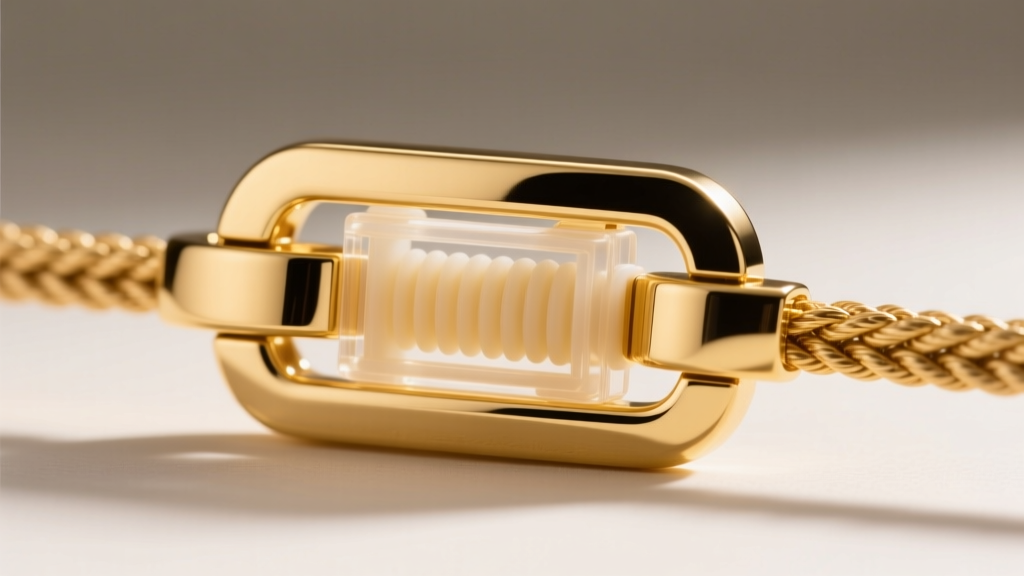
The most common closure for a lariat or wrap style is the adjustable friction bead. Inside a seemingly solid gold sphere lies a micro-silicone O-ring or a precision-machined metal spring insert.
- Silicone O-Ring Sliders: These rely on the coefficient of friction between the silicone and the gold chain. They are ideal for delicate chains (1.0mm - 1.5mm width) but require periodic replacement as the silicone degrades from exposure to skin oils and cosmetics.
- Spring-Loaded Metal Sliders: Utilizing a tiny internal ball-bearing mechanism, these offer a tactile 'click' and superior grip on thicker chains (2.0mm+). They are more durable but require precise manufacturing tolerances to avoid scraping the gold links.
- Neodymium Magnetic Clasps: Often used to convert a long wrap into a shorter, multi-strand loop. High-grade N52 neodymium magnets offer sufficient Gauss ratings to hold the weight of a 60-inch 14k gold chain (which can exceed 25 grams) without slipping.
Biomechanics of Styling: Weight Distribution and Drape
Styling a gold wrap necklace is an exercise in managing the center of mass. A 60-inch chain weighs significantly more than a standard pendant necklace, and how that weight is distributed affects both comfort and the structural load on the chain's weakest link (usually the jump ring near the clasp).
The Physics of the Loop
When wrapping a 60-inch strand twice around the neck (creating two 30-inch loops), the tensile load is halved across the posterior of the neck. However, when worn as a single 60-inch lariat with a heavy geometric pendant attached to the terminus, the kinetic swing of the pendant generates lateral shear forces on the chain links.
To mitigate this, expert jewelers design wrap necklaces with graduated weight distribution. The links at the posterior (the back of the neck) are often soldered or slightly thicker to bear the brunt of the resting weight, while the anterior links remain highly articulated to allow for fluid movement and knotting.
Preventing Metal Fatigue and Kinking: Maintenance Protocols
Even the most meticulously engineered 14k foxtail gold wrap necklace will succumb to metal fatigue if maintained improperly. The sheer length of the chain makes it a magnet for environmental hazards and improper storage.
Storage and Memory Coil
Never store a wrap necklace coiled in a small jewelry box. Gold possesses 'structural memory'; when confined in a tight radius for extended periods, the alloy attempts to retain that shape, leading to micro-fractures when straightened. Always store wrap necklaces hanging vertically from a padded hook, allowing gravity to maintain the chain's linear alignment.
Ultrasonic Cleaning Risks
While ultrasonic cleaners are excellent for removing sebum and lotion from gold, submerging a 60-inch chain poses a severe tangling risk. The high-frequency cavitation bubbles can cause a long, unsecured chain to whip and knot upon itself in seconds, resulting in catastrophic kinking. For wrap necklaces, manual cleaning using a soft-bristle brush, warm water, and a pH-neutral surfactant is the only recommended protocol.
Conclusion
Selecting the ideal gold wrap necklace requires looking past the karat stamp and evaluating the piece as a dynamic mechanical system. By prioritizing 14k alloys for their superior Vickers Hardness, demanding multi-axis weaves like the foxtail, and ensuring the presence of high-tolerance friction sliders, you secure a piece of jewelry that is not only breathtakingly versatile but engineered to withstand the rigorous physics of daily wear.


