Goth Cross Necklace Metals: Silver, Steel & Pewter Guide
Discover the best metals for a goth cross necklace. Compare oxidized silver, 316L steel, and pewter for durability, patina, and skin safety.

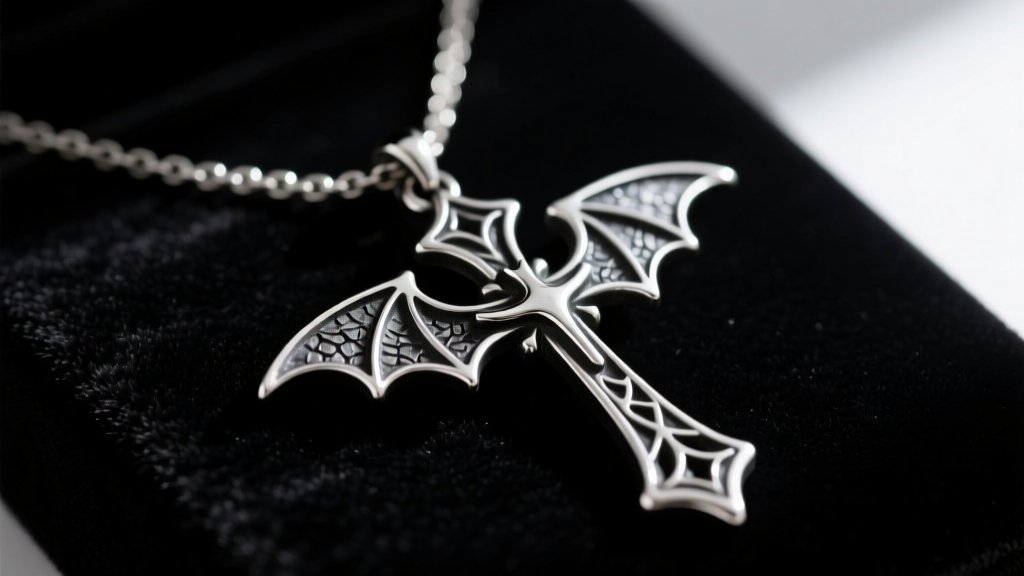
The Metallurgy of Dark Aesthetics
When curating a dark, romantic, or punk-inspired wardrobe, the goth cross necklace remains an undisputed cornerstone of alternative jewelry. However, the visual impact of a cruciform pendant is only half the equation; the underlying metallurgy dictates its longevity, weight, skin compatibility, and how it ages over time. A beautifully sculpted bat-wing or mourning cross can quickly become a source of frustration if cast in the wrong alloy, leading to unwanted green skin, brittle prongs, or a loss of that crucial antique patina.
In this comprehensive material guide, we dissect the three most common metals used in gothic jewelry manufacturing: oxidized sterling silver, 316L surgical stainless steel, and white metal alloys (pewter). By understanding the specific properties, failure modes, and maintenance requirements of each, you can invest in a piece that perfectly aligns with your lifestyle and aesthetic demands.
Oxidized Sterling Silver: The Premium Gothic Standard
Sterling silver (92.5% pure silver, 7.5% copper alloy) is the traditional benchmark for high-end alternative jewelry. The copper content provides the necessary tensile strength for intricate casting, but it is also the catalyst for tarnish. In mainstream jewelry, tarnish is a flaw; in gothic jewelry, it is a feature. Artisans intentionally accelerate this process using liver of sulfur (potassium sulfide) to create oxidized silver, forcing the metal into a deep, moody black or gunmetal grey.
The Liver of Sulfur Process and Patina Control
According to the Gemological Institute of America (GIA), silver sulfide formation is a natural chemical reaction. For a goth cross necklace, the piece is submerged in a heated liver of sulfur solution, turning the entire pendant pitch black. The artisan then uses a polishing cloth or rotary tool to buff the high-relief areas back to a bright silver shine, leaving the deep crevices, filigree, and skull motifs dark. This high-contrast finish highlights the macabre details that define the gothic subculture.
- Price Range: $45 to $180+ depending on weight and artisan craftsmanship.
- Weight: Dense and substantial; a solid 2-inch silver cross can easily weigh 25-40 grams.
- Failure Mode: The polished high-points will naturally re-tarnish over months of wear, requiring occasional maintenance with a dry silver polishing cloth to maintain the contrast.
316L Surgical Stainless Steel: The Indestructible Alternative
For those who want a maintenance-free, highly durable goth cross necklace, 316L surgical stainless steel is the undisputed champion. Unlike standard 304 stainless steel, the 316L grade includes molybdenum, which drastically increases resistance to corrosion from sweat, humidity, and environmental pollutants. Furthermore, it is virtually nickel-free on the surface level, making it highly hypoallergenic for those with contact dermatitis.
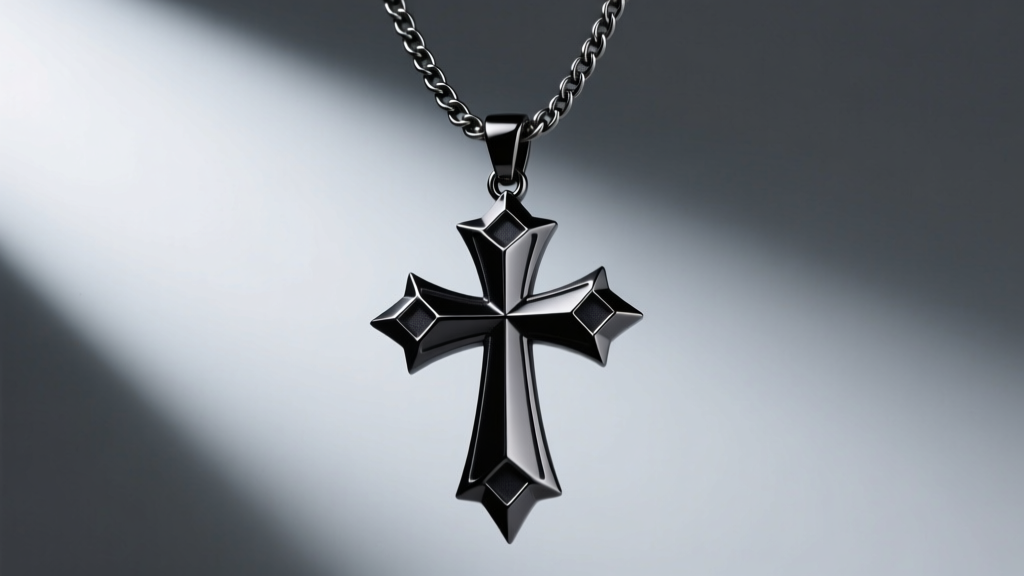
PVD Coating vs. Traditional Electroplating
Many modern gothic steel pendants feature a matte black or gunmetal finish. It is vital to distinguish between cheap electroplating and premium PVD (Physical Vapor Deposition). Electroplated black steel will chip and flake within months of daily wear, revealing the shiny silver steel beneath and ruining the gothic aesthetic. PVD coating, however, bonds titanium nitride or zirconium at a molecular level in a vacuum chamber. As noted by manufacturing experts at Rio Grande Jewelry Supply, PVD coatings are exponentially harder and more wear-resistant than traditional wet plating, ensuring your matte black cross survives years of friction against leather jackets and skin.
- Price Range: $15 to $55.
- Weight: Slightly lighter than silver, but still offers a satisfying, heavy drape.
- Failure Mode: While the metal won't tarnish, cheap spring-ring clasps on steel chains often snap. Always upgrade to a lobster clasp.
Pewter and White Metal Alloys: Budget and Antique Appeal
If you are browsing fast-fashion alternative retailers or Etsy mass-casters, you will frequently encounter pewter or zinc-based white metal alloys. Modern jewelry pewter is lead-free, typically composed of 90% tin, with antimony and copper added for hardness. These alloys have a very low melting point, allowing for incredibly detailed, cheap sand-casting or spin-casting of complex gothic motifs like weeping angels, thorny vines, and ornate reliquaries.
The Fragility Factor
The primary drawback of pewter and white metals is their structural softness and low tensile strength. A heavy pewter goth cross necklace dropped on a hardwood floor is highly likely to bend, snap a bail, or lose a glued-in rhinestone. Furthermore, these alloys cannot be soldered easily with standard jewelry torches; if the jump ring breaks, it often requires laser welding or specialized low-temp soldering pastes, making repairs difficult. They are best suited for occasional wear or collector pieces rather than daily drivers.
Dermatological Note: While modern pewter is lead-free, cheap white metal alloys from unverified overseas manufacturers may contain trace nickel or cadmium. If you have a known metal allergy, the National Institutes of Health (NIH) strongly recommends sticking to 316L steel or verified .925 silver to prevent allergic contact dermatitis.
Material Comparison Matrix
| Material | Tarnish Resistance | Weight / Drape | Hypoallergenic | Avg. Price |
|---|---|---|---|---|
| Oxidized .925 Silver | Low (Intentional) | Heavy / Premium | Mostly (Copper alloy) | $45 - $180 |
| 316L Steel (PVD) | Extremely High | Medium-Heavy | Yes | $15 - $55 |
| Lead-Free Pewter | Medium (Dulls over time) | Light-Medium | Varies by alloy | $10 - $35 |
Chain Gauges and Clasp Hardware
A goth cross necklace is only as strong as the chain it hangs from. The heavy, oversized crosses popular in romantic goth and trad goth styles exert significant downward force on the chain's weakest link—usually the clasp or the jump rings. When selecting or upgrading your chain, pay strict attention to the wire gauge and the clasp mechanism.
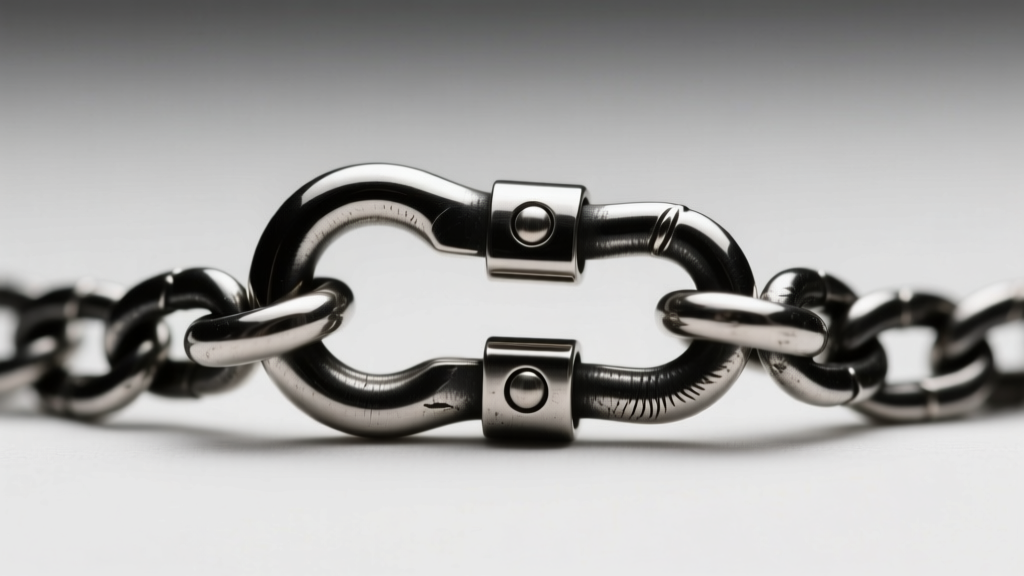
Matching Chain Thickness to Pendant Weight
For small, delicate crosses (under 1 inch), a 1.5mm to 2.0mm cable or rolo chain is sufficient. However, for the quintessential oversized gothic cross (2 inches or larger, weighing 30+ grams), you must step up to a 3.5mm to 5.0mm curb, Cuban, or Figaro chain. Thinner chains will suffer from metal fatigue at the friction points, eventually snapping and sending your pendant to the floor.
Clasp Upgrades: Abandon the Spring Ring
Never trust a heavy pendant to a standard spring-ring clasp. The internal tension spring is prone to failure, and the tiny soldered seam on the jump ring will pull apart under the dynamic weight of a swinging cross. Always ensure your necklace is fitted with a heavy-duty stainless steel or sterling silver lobster clasp, paired with a thick, fully soldered jump ring. This minor hardware upgrade guarantees the structural integrity of your entire piece.
Final Verdict: Matching Metal to Lifestyle
Choosing the right metal for your goth cross necklace ultimately comes down to how you intend to wear it. If you value heritage, artisanal craftsmanship, and a living patina that evolves with you, oxidized sterling silver is an investment that will last generations. If your lifestyle is rugged, you sweat heavily, or you simply refuse to polish your jewelry, a PVD-coated 316L stainless steel piece offers an indestructible, sleek alternative. Avoid cheap white metal alloys for daily wear, reserving them only for lightweight, highly detailed costume pieces. By prioritizing material integrity and heavy-duty chain hardware, your dark aesthetic will remain striking and secure for years to come.


