Graduation Necklace Ideas: Technical Guide to Heirloom Metals
Discover expert graduation necklace ideas focusing on metal grades, chain mechanics, and gemstone durability for pieces that last a lifetime.

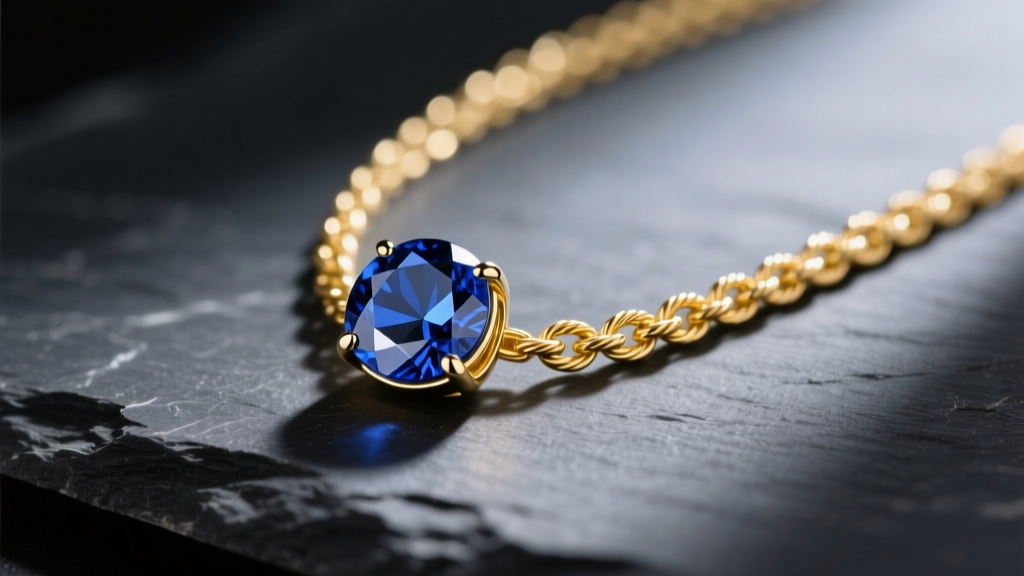
The Engineering of an Heirloom: Choosing the Right Metal
Graduation represents a definitive chronological marker, demanding jewelry engineered for decades of continuous wear rather than seasonal trends. When evaluating graduation necklace ideas, most buyers focus solely on aesthetics, overlooking the metallurgical realities that dictate a piece's lifespan. To select a true heirloom, one must understand alloy compositions and structural integrity.
Platinum 950 vs. Karat Gold
Platinum 950 (95% pure platinum, typically alloyed with 5% ruthenium or iridium) is the undisputed champion for lifelong durability. Unlike gold, which loses microscopic layers of metal when scratched, platinum merely displaces. This creates a soft patina over time that can be polished back to a mirror finish without compromising the structural integrity of the prongs or chain links. However, platinum's density makes it roughly 60% heavier than 14k gold, which can cause neck fatigue if the chain gauge is excessively thick.
For gold, the debate between 14k and 18k is critical:
- 14k Gold (58.5% pure gold): Alloyed with copper, silver, and zinc. It offers superior tensile strength, making it the optimal choice for delicate prong settings and thin chain links that must resist deformation.
- 18k Gold (75% pure gold): Yields a richer, warmer color and higher hypoallergenic properties, but is significantly softer. It requires thicker wire gauges to maintain structural stability over decades of daily wear.
Chain Mechanics: Selecting a Link Style for Daily Wear
The chain is the structural backbone of any pendant necklace. A common failure point in graduation jewelry is pairing a heavy, meaningful pendant with a chain that lacks the tensile strength to support it. According to Jewelers of America, chain repairability should be a primary consideration in your purchase.
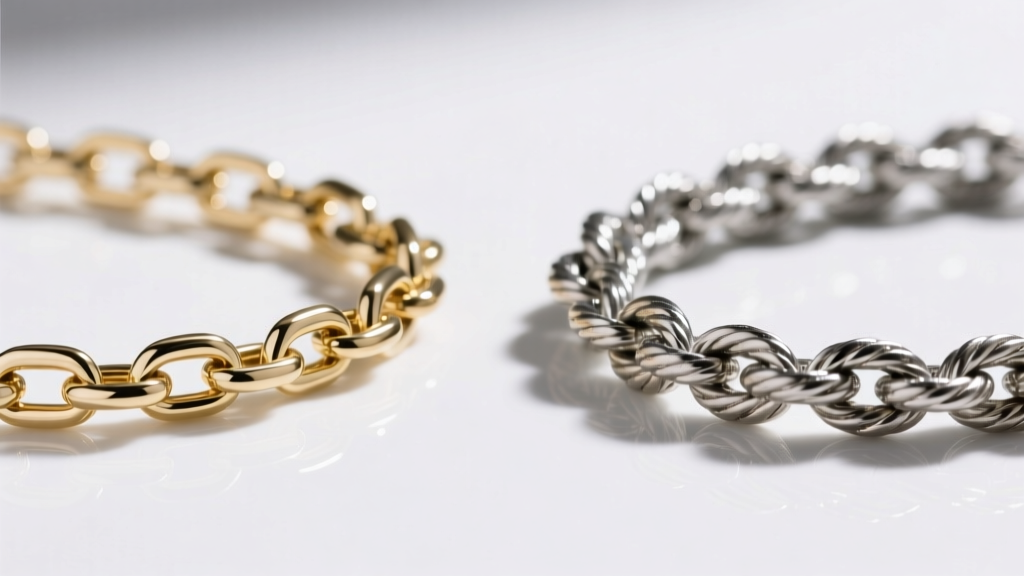
| Chain Style | Durability Rating | Repairability | Best Pendant Weight | Price Tier |
|---|---|---|---|---|
| Cable | Moderate | Excellent (Easy to solder) | Light (1g - 4g) | $ |
| Curb | High | Good | Medium (4g - 10g) | $$ |
| Box | Low (Kink-prone) | Poor (Requires laser welding) | Very Light (Under 3g) | $$ |
| Rope | Very High | Moderate (Complex soldering) | Heavy (10g+) | $$$ |
Expert Insight: While modern 2026 laser welding technologies have improved the repairability of complex chains like the Box style, a Cable or Curb chain remains the most pragmatic choice for a piece meant to be worn daily without constant jeweler intervention.
Pendant Architecture: Gemstone Hardness and Setting Types
A graduation pendant often features a birthstone or a meaningful gemstone. However, not all gems survive the rigors of daily wear. The GIA's durability framework emphasizes that hardness (scratch resistance) and toughness (chip resistance) are distinct properties.
The Mohs Scale Reality Check
For an everyday graduation necklace, restrict your gemstone choices to those ranking 8 or higher on the Mohs scale. Diamonds (10), Sapphires (9), and Rubies (9) are exceptional. Morganite (7.5-8) is acceptable but requires careful maintenance. Avoid Emeralds, which are heavily included and inherently brittle, or Opals, which are highly sensitive to sudden temperature changes and dehydration.
Bezel vs. Prong Settings
While traditional prong settings maximize light return, they leave the gemstone's girdle vulnerable to impact. For an active graduate, a bezel setting—where a continuous ribbon of metal encircles the stone's perimeter—reduces the risk of chipping by over 80%. If maximum brilliance is required, opt for a semi-bezel or a low-profile 4-prong basket setting that keeps the stone's table close to the skin, minimizing leverage upon impact.
Clasp Technology: Ensuring Security
The clasp is the most frequent point of mechanical failure. Standard spring-ring clasps, commonly found on mass-market jewelry, utilize a tiny internal steel spring that degrades rapidly and fails under the pendulum motion of a heavy pendant.
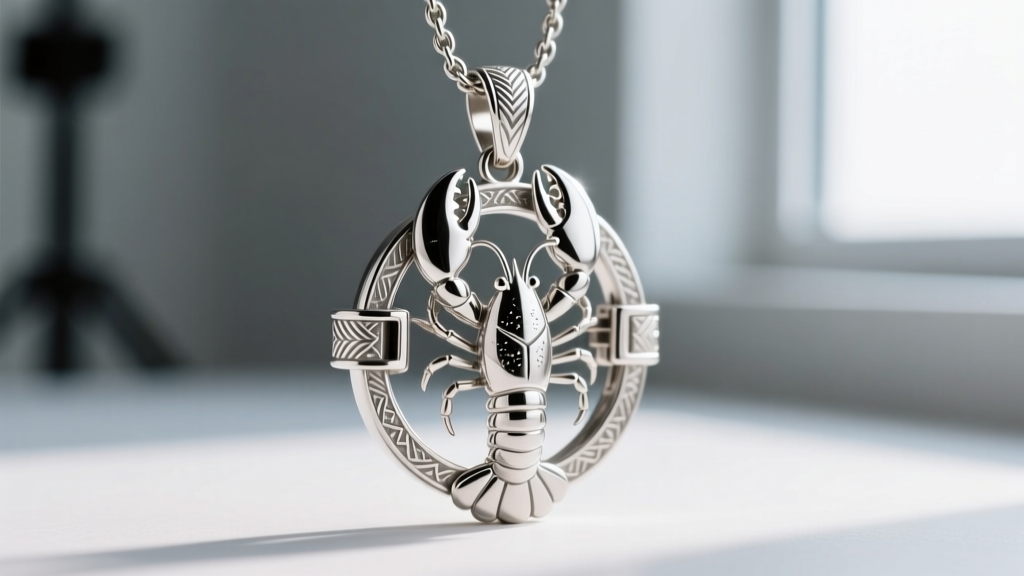
- Lobster Claw: The industry standard for security. The asymmetrical design and thicker internal spring provide reliable tension. Ensure the 'trigger' operates smoothly and the nose seals completely flush against the base.
- Box Clasp with Figure-8 Safety: Mandatory for heavy gold or platinum chains. The tongue-and-groove mechanism bears the weight, while the figure-8 wire acts as a redundant fail-safe if the primary latch disengages.
- Magnetic Clasps: Avoid these for heirloom pieces. Neodymium magnets can lose their polarization over time when exposed to heat or impacts, leading to catastrophic loss of the pendant.
Sizing, Proportion, and Engraving Techniques
The relationship between pendant weight and chain width is a strict mathematical ratio. A general rule of thumb is that the chain's breaking strength should be at least five times the weight of the pendant. For a 5-gram pendant, utilize a chain no thinner than 1.5mm in diameter to prevent premature link stretching and neck fatigue.
Permanent Markings: Laser vs. Rotary Engraving
Many graduation necklaces feature a date, coordinate, or short message on the pendant's reverse.
Fiber Laser Engraving: Uses concentrated light to vaporize metal, allowing for microscopic precision, QR codes, and complex typography without removing structural mass. Ideal for platinum and 14k gold.
Rotary Diamond Drag: A physical diamond tip cuts into the metal. It creates a deeper, more tactile groove that retains enamel or ink beautifully, but removes metal and can warp very thin pendants due to physical pressure.
Final Considerations for the 2026 Graduate
Selecting the perfect piece requires looking past the display case lighting and scrutinizing the engineering. By prioritizing Platinum 950 or 14k gold, selecting high-tensile chain weaves like the Curb or Rope, utilizing protective bezel settings, and demanding robust lobster or box clasps, you elevate a simple gift into a multi-generational artifact. True heirloom jewelry is not defined merely by its price tag, but by its deliberate, technical resilience against the passage of time.


