How to Authenticate and Restore a Vintage Black Pearl Necklace
Learn how to authenticate, clean, and restring a vintage black pearl necklace with our expert step-by-step guide for Tahitian and dyed Akoya pearls.

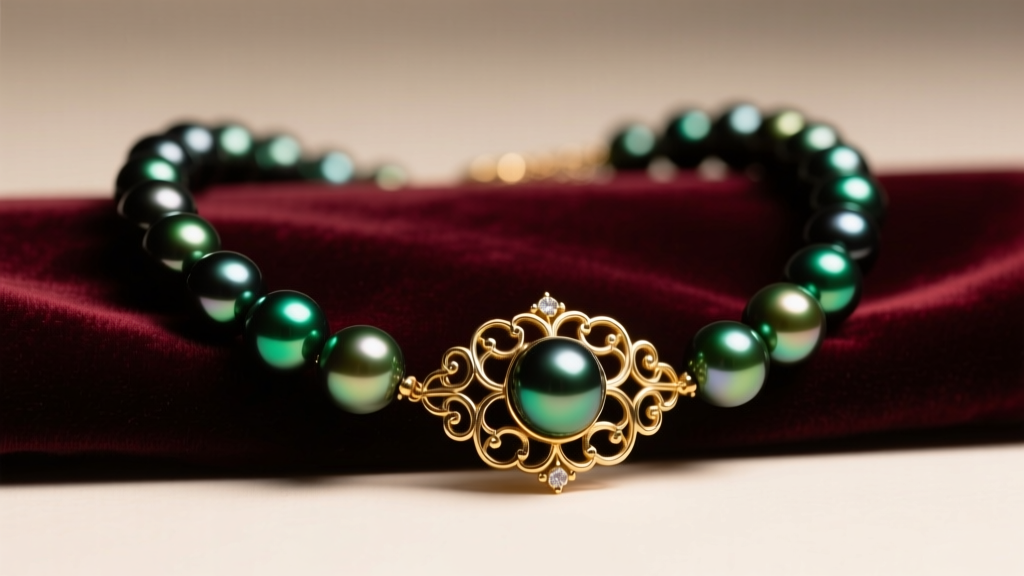
The Resurgence of Vintage Black Pearls in 2026
As the vintage jewelry market continues to surge in 2026, the vintage black pearl necklace has emerged as a highly coveted heirloom piece. However, the secondary market is flooded with misidentified strands. True natural-color black pearls—specifically Tahitian pearls produced by the Pinctada margaritifera oyster—are vastly different from the dyed Akoya or freshwater pearls that dominated mid-century costume and fine jewelry markets. Whether you have inherited a family heirloom or are hunting at estate sales, knowing how to properly authenticate, clean, and restore these delicate organic gems is essential to preserving their value and structural integrity.
This comprehensive, step-by-step guide will walk you through the precise methodologies used by gemologists and master jewelers to evaluate and restore vintage black pearl strands.
Step 1: Authenticating the Pearls (Tahitian vs. Dyed)
The first and most critical step in evaluating a vintage black pearl necklace is determining the origin of the color. Before the 1970s, true Tahitian pearls were rarely exported in large quantities. Therefore, a 'vintage' black pearl strand from the 1950s or 60s is almost certainly dyed Akoya or dyed freshwater. To verify the pearls, you must conduct a multi-point inspection.
The Loupe and Drill Hole Inspection
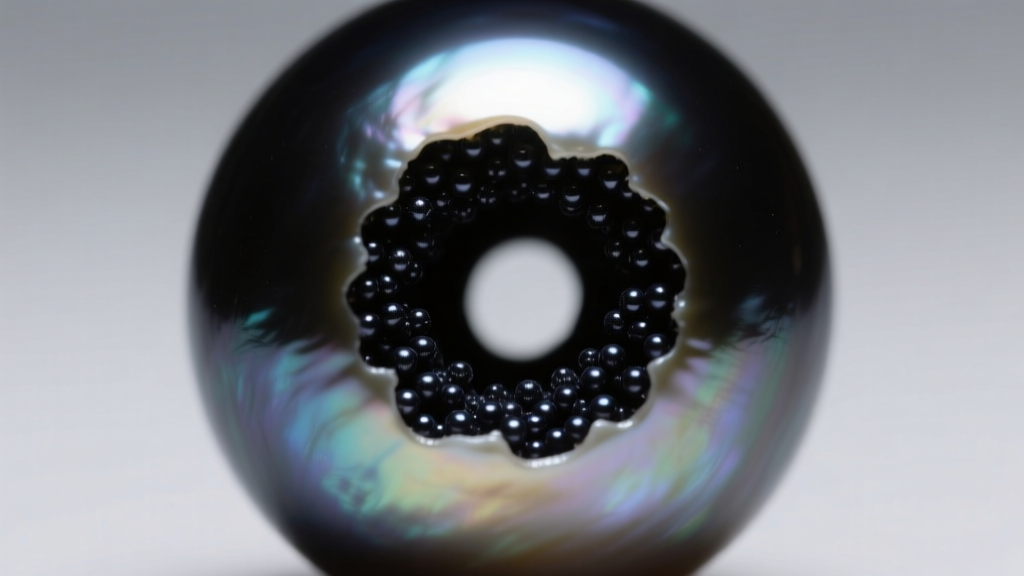
Using a 10x triplet jeweler's loupe, examine the drill holes of the pearls. According to the Gemological Institute of America (GIA), dye concentration is the most reliable indicator of treatment. In dyed pearls, you will notice dark, unnatural bands of color pooling around the drill hole or settling into surface blemishes and cracks. Natural Tahitian pearls will show a uniform color transition into the drill hole with no concentrated dye rings.
Comparative Data: Natural vs. Treated Black Pearls
Use the following framework to quickly categorize the pearls in your vintage strand:
| Feature | Natural Tahitian | Dyed Akoya | Dyed Freshwater |
|---|---|---|---|
| Nacre Thickness | Thick (0.8mm - 2.0mm+) | Thin to Medium (0.3mm - 0.8mm) | Solid nacre (no bead) |
| Overtone | Peacock, Aubergine, Pistachio | Flat black, slight green | Metallic, flat black |
| Drill Hole Edge | Clean, uniform color | Dark dye pooling visible | Dye streaks, chalky core |
| UV Reaction | Inert to faint chalky blue | Often fluoresces green/yellow | Variable, often chalky |
Step 2: Evaluating the Hardware and Silk Thread
Vintage hardware tells the story of the necklace's era and intrinsic metal value. Inspect the clasp mechanism closely using your loupe.
Identifying Clasp Hallmarks
- 1920s-1940s: Look for 14k or 18k gold filigree box clasps, often featuring a figure-eight safety catch. Hallmarks may be worn; look for '14K', '585', or '18K' stamped on the tongue or inside the box.
- 1950s-1970s: Fishhook clasps and simple spring-ring clasps became prevalent. If the clasp is stamped 'GF' (Gold Filled) or lacks a hallmark entirely, the piece was likely a commercial-grade strand utilizing dyed pearls.
Next, gently pull the pearls apart to examine the thread. If the silk is frayed, darkened, or stretching visibly between the knots, the necklace is a structural failure risk and must be restringed immediately. Never wear a vintage pearl strand with compromised silk, as the thread can snap without warning.
Step 3: Safe Cleaning Protocols for Aged Nacre
Pearls are organic gemstones composed of calcium carbonate and conchiolin. They rank a mere 2.5 to 3.0 on the Mohs hardness scale, making them highly susceptible to chemical damage. Never use ultrasonic cleaners, steamers, or commercial jewelry dips on a vintage black pearl necklace. These methods will strip the nacre and destroy the pearl's luster instantly.
'The safest approach to cleaning vintage pearls is the least invasive one. Distilled water and a neutral pH soap are all you need to remove decades of accumulated skin oils and cosmetics without risking the nacre's integrity.' - Master Gemologist Appraiser Guidelines
The Step-by-Step Cleaning Process
- Prepare the Solution: Mix two cups of distilled water with three drops of mild, phosphate-free castile soap.
- Dampen, Do Not Soak: Dip a soft, lint-free microfiber cloth into the solution and wring it out until it is barely damp. Never submerge the strand, as water trapped in the drill holes will rot the silk thread from the inside out.
- Wipe Gently: Wipe each pearl individually, paying special attention to the areas near the drill holes where grime accumulates.
- Dry Flat: Lay the necklace flat on a dry, clean towel in a well-ventilated area away from direct sunlight or heat sources. Allow it to dry completely for 24 hours before wearing or storing.
Step 4: Professional Restringing Guidelines
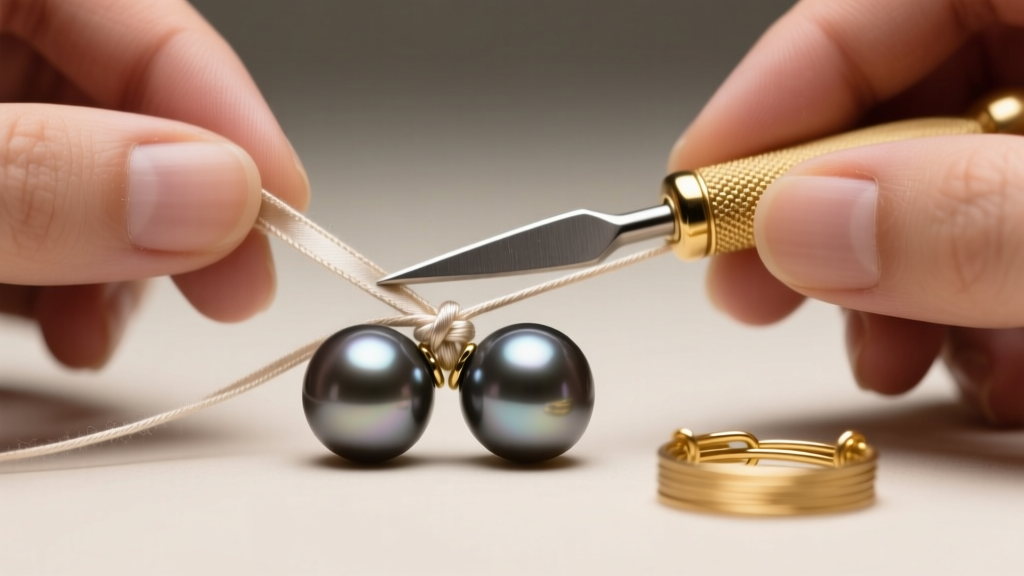
If your vintage black pearl necklace requires restringing, it is highly recommended to hire a certified pearl stringer. However, if you are a jewelry professional or an advanced hobbyist undertaking the restoration, you must adhere to strict material specifications to honor the vintage nature of the piece.
Selecting the Correct Silk Gauge
Using the wrong thread thickness will result in loose knots or damaged drill holes. German-manufactured Griffin silk threads are the industry standard. Match the thread size to the pearl diameter:
- Size D (0.30mm): Ideal for small vintage Akoya pearls (5.0mm - 6.5mm).
- Size E (0.35mm): Best for medium strands (6.5mm - 7.5mm).
- Size F (0.40mm): Required for larger Tahitian or heavyweight vintage pearls (7.5mm - 9.0mm).
The Importance of French Wire (Gimp)
Never tie silk directly to a metal clasp. The friction of the metal will saw through the silk thread over time. You must use French wire (also known as gimp)—a microscopic coiled metal wire available in gold or silver. Thread the silk through the French wire before attaching it to the clasp ring. This creates a protective, flexible barrier that extends the life of your restringing job by years.
Conclusion: Preserving Your Heirloom
Owning a vintage black pearl necklace is an exercise in horological-level care and historical appreciation. Whether your strand features rare, natural-color Tahitian gems or historically significant mid-century dyed Akoyas, proper authentication and meticulous maintenance are paramount. For further reading on long-term organic gemstone preservation, consult the GIA Pearl Care and Cleaning guidelines. By following these precise, step-by-step protocols, you ensure that your vintage pearls will retain their dark, mysterious luster for generations to come.


