A Buyer's Guide to Necklace Closure Types: Security & Style
Discover the best necklace closure types for security and ease of use. Compare lobster, spring ring, toggle, and magnetic clasps in our expert buyer's guide.

The Hidden Importance of Clasp Hardware
When investing in fine jewelry, buyers typically fixate on the carat weight of a pendant, the purity of the gold chain, or the clarity of the gemstones. However, the structural integrity of any necklace ultimately rests on a component that rarely receives the spotlight: the clasp. Understanding the mechanics, metallurgy, and failure points of various necklace closure types is essential for protecting your investment. A heavy 18k gold rope chain is only as secure as the 5mm spring ring holding it together, and a poorly engineered clasp can turn a sudden snag into a catastrophic loss.
According to repair data published by Jewelers of America, clasp failure and ring-shank sizing account for the vast majority of bench jewelry repairs. The constant friction, tension, and exposure to cosmetics and skin oils degrade clasp mechanisms over time. In this comprehensive buyer's guide, we deconstruct the most common necklace closure types, analyzing their tensile strengths, mechanical vulnerabilities, and ideal use cases to help you make an informed, secure purchase.
Detailed Breakdown of Common Necklace Closure Types
Lobster Claw Clasps: The Industry Workhorse
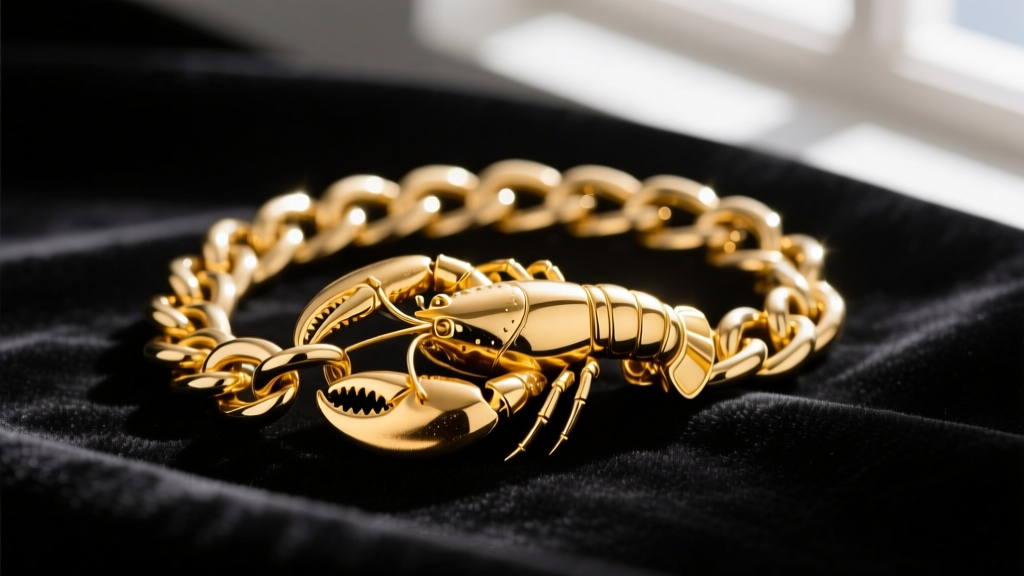
The lobster claw is the undisputed standard for mid-weight to heavy chains. Named for its resemblance to a lobster's pincer, this clasp features a spring-loaded lever that retracts to open and snaps shut securely. High-quality lobster clasps are cast or stamped from solid precious metals, but the internal spring is almost universally made of stainless steel. Precious metals like 14k or 18k gold lack the 'memory' (springback) required for thousands of articulation cycles without permanent deformation.
What to look for: Avoid hollow, stamped lobster clasps on chains heavier than 15 grams. Look for 'cast' or 'solid' lobster claws, typically ranging from 10mm to 15mm in length. A 12mm solid 14k gold lobster clasp can withstand roughly 15 to 20 pounds of tensile force before the lever bends or the jump ring pulls open.
Spring Ring Clasps: Delicate and Affordable
Spring rings are perfectly circular clasps operated by a tiny sliding trigger. They are lightweight, cost-effective, and ubiquitous on delicate cable and box chains under 2.0mm in width. However, their mechanical design is inherently fragile. The internal coil spring is minuscule, and the sliding trigger is prone to jamming if exposed to lotion buildup or pocket lint.
What to look for: Spring rings are typically sold in 5mm, 7mm, and 9mm diameters. Never use a standard 7mm spring ring on a chain that weighs more than 10 grams. Over time, the internal steel spring can succumb to metal fatigue or rust if exposed to moisture, causing the clasp to fail to close completely. If you have dexterity issues, avoid spring rings entirely, as the tiny trigger is notoriously difficult to operate.
Toggle Clasps: Gravity and Geometry
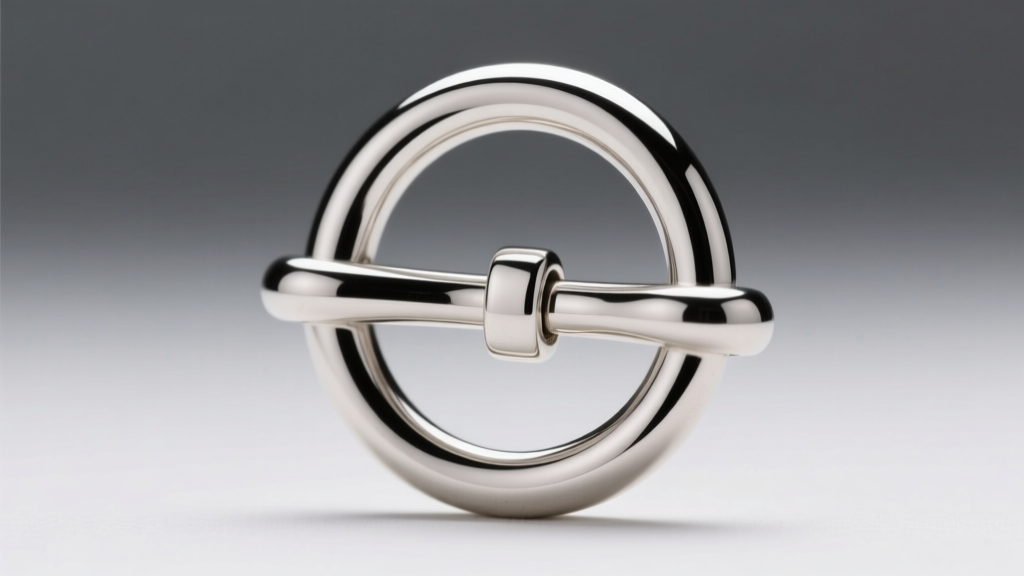
Toggle clasps consist of a T-shaped bar that inserts through a circular or oval ring. They rely entirely on gravity and the geometric ratio between the bar and the ring to stay closed. Because they lack internal moving parts or springs, they are virtually immune to mechanical fatigue. Furthermore, they are highly accessible for individuals with arthritis or limited fine motor skills.
What to look for: The physics of a toggle clasp dictate its security. The T-bar must be at least 1.5 times the inner diameter of the ring it passes through. If the ratio is too close, a slight upward tug on the chain can fold the bar and slip it through the ring. Always test the drape of the necklace; the weight of the chain must be sufficient to keep the bar pulled taut against the ring.
Magnetic Clasps: Modern Convenience
Magnetic clasps have surged in popularity due to their effortless operation. High-end magnetic clasps utilize N52 grade neodymium magnets, which provide an astonishing 40+ pounds of pull force. They are encased in stainless steel or precious metal housings that screw or snap onto the chain's end rings.
What to look for: While the magnetic hold is incredibly strong, the weak point is the solder joint connecting the clasp housing to the chain's jump ring. Additionally, the sheer snap force of an N52 magnet can actually damage delicate chains (under 1.0mm) if the magnets are allowed to violently attract each other from a distance. Ensure the housing has a smooth, rounded exterior to prevent snagging on clothing.
Box Clasps with Safety Catches: The Heavy-Duty Standard
For heavy tennis bracelets, multi-strand pearl necklaces, and thick Cuban link chains, the box clasp is the gold standard. It features a folded metal 'tongue' that compresses as it slides into a rectangular box, expanding to lock into place. Because the tongue can loosen over time, premium box clasps are equipped with 'figure-eight' safety catches—secondary wire hinges that lock over a button on the opposite side of the clasp.
What to look for: Inspect the safety wire. It should be at least 0.8mm thick and feature a tight, secure hinge. According to the Gemological Institute of America (GIA), multi-strand pearl necklaces should always utilize a box clasp with dual safety catches to distribute the immense tension of the knotted silk threads evenly.
Security vs. Usability: A Comparative Matrix
Choosing the right closure requires balancing the physical security of the mechanism against the daily convenience of putting the necklace on and taking it off. Below is a decision matrix to help you align your priorities.
| Clasp Type | Security Rating | Ease of Use | Best Chain Weight | Common Failure Mode |
|---|---|---|---|---|
| Lobster Claw | High | Moderate | 10g - 50g | Lever bending; jump ring pulling open |
| Spring Ring | Low to Moderate | Difficult | Under 10g | Internal spring fatigue; trigger jamming |
| Toggle | Moderate | Very Easy | 20g+ (needs weight) | T-bar slipping through oversized ring |
| Magnetic | High | Very Easy | 5g - 30g | Solder joint failure at the end ring |
| Box w/ Safety | Very High | Moderate | 30g - 100g+ | Tongue losing compression tension |
Failure Modes: Why Clasps Break and How to Prevent It
Understanding how clasps fail is the first step in preventing the loss of your jewelry. Metal fatigue, chemical degradation, and improper sizing are the primary culprits.
- Work Hardening and Fatigue: Every time you open and close a spring ring or compress the tongue of a box clasp, the metal undergoes stress. Over years of use, the metal 'work hardens' and becomes brittle, eventually snapping. Have your jeweler check the tension of box clasp tongues annually.
- Jump Ring Separation: The jump ring is the tiny circular wire connecting the clasp to the chain. If the jump ring was cut rather than sawed, or if the solder joint is weak, a sudden tug will pull the ring open. Always request 'soldered jump rings' for chains over 20 grams.
- Chemical Degradation: Lotions, perfumes, and chlorine can degrade the base metal alloys used in the internal springs of gold and silver clasps. Rinse your jewelry with fresh water after swimming or heavy sweating to preserve the internal mechanics.
Matching the Clasp to Chain Weight and Gauge
A common mistake in custom jewelry design is mismatching the clasp scale to the chain gauge. A heavy clasp on a delicate chain will constantly pull the necklace to the back of the neck, while a lightweight clasp on a heavy chain is a structural liability.
For chains measuring 1.0mm to 1.5mm in width (typically weighing under 10 grams), a 7mm or 9mm spring ring or a small 10mm lobster claw is appropriate. For mid-weight chains (2.0mm to 4.0mm, weighing 15 to 40 grams), a 12mm to 15mm solid lobster claw provides the ideal balance of security and aesthetics. For heavy statement pieces, wide Cuban links, or multi-strand designs exceeding 50 grams, a box clasp with a figure-eight safety wire or a heavy-duty locking carabiner is non-negotiable.
Expert Verdict: Which Closure Should You Choose?
There is no single 'best' clasp; the ideal choice depends entirely on the chain's architecture and the wearer's lifestyle. For everyday wear on standard pendant necklaces, the lobster claw remains the most reliable and versatile option, provided you verify that the internal spring is responsive and the lever sits flush against the body of the clasp. For individuals prioritizing accessibility and ease of use without sacrificing security on heavier chains, a well-proportioned toggle clasp or a high-grade magnetic clasp with reinforced solder joints offers the best user experience.
Ultimately, when evaluating necklace closure types, treat the clasp as an integral structural component rather than an afterthought. By matching the clasp's tensile capacity to the chain's weight and understanding the mechanical limits of the hardware, you ensure that your jewelry remains safely secured for a lifetime of wear.


