The Beginner's Guide to Choosing a Guitar Necklace
Discover how to choose, style, and care for a guitar necklace. Learn about metals, chain lengths, and pendant sizes for musicians and music fans.

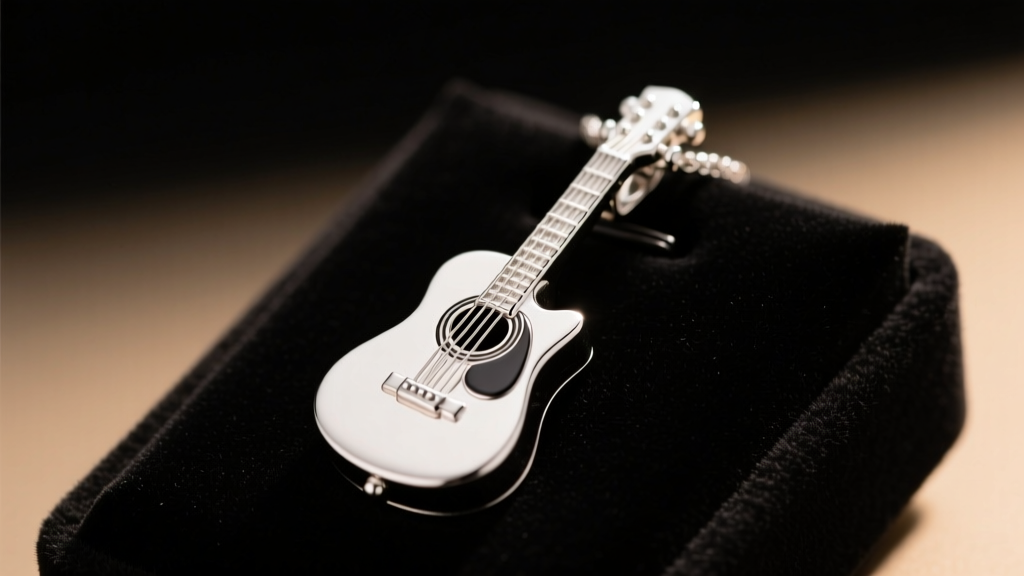
More Than Just Merch: The Appeal of the Guitar Necklace
Music and fashion have always shared a symbiotic relationship, but few accessories bridge the gap between personal passion and everyday style quite like a guitar necklace. Whether you are a gigging musician, a dedicated collector, or simply someone who appreciates the architectural beauty of fretted instruments, a guitar pendant is a powerful statement piece. However, the market is flooded with cheap, mass-produced costume jewelry that tarnishes within weeks. For beginners looking to invest in a piece that actually lasts, understanding the nuances of metallurgy, chain gauges, and proportional scaling is essential. This guide will walk you through exactly how to select a high-quality guitar necklace that looks authentic, feels comfortable, and stands the test of time.
Decoding Metals: Avoiding the "Green Neck" Trap
The most common mistake beginners make when buying instrument-inspired jewelry is prioritizing the shape of the pendant over the metal composition. If you have ever worn a necklace that left a green or black ring around your neck, you have experienced the oxidation of base metals reacting with the natural acidity of your sweat. To avoid this, you must understand the difference between solid alloys and plated imitations.
| Metal Type | Durability & Tarnish Resistance | Best For | Price Range |
|---|---|---|---|
| 316L Surgical Stainless Steel | Exceptional; highly resistant to tarnish and sweat. | Daily wear, stage performances, active lifestyles. | $25 - $50 |
| 925 Sterling Silver | High; will tarnish over time but is easily polished. | Smart casual wear, premium gifts, detailed engravings. | $60 - $130 |
| Solid 14k Gold | Superior; will not tarnish or react with skin. | Luxury heirlooms, high-end collector pieces. | $250 - $600+ |
| Zinc Alloy / "Tibetan Silver" | Poor; heavy, brittle, and often contains nickel. | Avoid entirely (high risk of contact dermatitis). | $5 - $15 |
According to the Gemological Institute of America (GIA), genuine sterling silver must contain exactly 92.5% pure silver and 7.5% alloy metals (usually copper). When shopping, always look for the "925" hallmark stamped on the back of the guitar body or the clasp. If you sweat heavily or plan to wear the necklace while playing live shows, 316L stainless steel is vastly superior, as it is completely impervious to moisture and stage lighting heat.

Proportions and Scale: Getting the Sizing Right
A guitar necklace can easily look like a child's toy if the proportions are wrong. The scale of the pendant must be balanced against the thickness of the chain and the wearer's body type.
Pendant Dimensions
Guitar silhouettes vary wildly. An acoustic guitar shape is naturally wider and rounder, while a Stratocaster or Les Paul electric shape is elongated and asymmetrical. For a subtle, everyday look, aim for a miniature pendant measuring between 15mm and 25mm in length. These sit elegantly on the collarbone without overwhelming your outfit. If you prefer a bold, statement-making piece, look for pendants in the 35mm to 45mm range. Anything larger than 50mm tends to look like a novelty keychain rather than a refined piece of jewelry.
Chain Lengths and Gauges
The chain is just as important as the pendant. A delicate 0.8mm chain will snap under the weight of a solid metal guitar, while a thick 4mm Cuban link will completely overshadow a miniature acoustic pendant. The sweet spot for most guitar pendants is a 1.2mm to 1.5mm cable or box chain. These gauges offer excellent tensile strength while remaining unobtrusive. For length, an 18-inch chain places the guitar right at the base of the throat (ideal for crew necks), while a 20-inch to 22-inch chain lets the pendant rest on the upper chest, allowing it to swing freely and catch the light.
Styling Your Guitar Necklace for Everyday Wear
Styling a guitar necklace requires balancing your love for music with your personal aesthetic. Here is how to integrate it into different wardrobes:
- The Musician's Uniform (Button-Downs): Wear a 20-inch stainless steel electric guitar pendant over a dark denim or flannel button-down shirt, leaving the top two buttons undone. The metallic sheen contrasts beautifully with rugged textiles.
- Minimalist Casual (Crew Necks): Pair a small, 15mm gold or silver acoustic guitar pendant with a crisp, solid-colored crew neck t-shirt. Let the pendant sit just below the collarbone for a subtle nod to your musical roots.
- Layering with Edge (V-Necks): Guitar necklaces layer exceptionally well with geometric pendants or simple signet chains. Combine a 22-inch guitar chain with a shorter, 18-inch plain box chain to create depth and visual interest without looking cluttered.
Pro-Tip for Gigging Musicians: If you play an acoustic or electric guitar, be mindful of your pendant while performing. A heavy metal guitar necklace can easily scratch the back of your actual instrument. Many working musicians opt to wear their necklaces under their shirts while playing, pulling them out only after the set is over.

Maintenance and Long-Term Care
Even the highest quality metals require basic maintenance to retain their luster. According to jewelry care experts at Jewelrywise, environmental factors like humidity, lotions, and chlorine can accelerate tarnishing. To keep your guitar necklace looking pristine, follow these actionable steps:
- Regular Polishing: Use a microfiber jewelry polishing cloth treated with anti-tarnish compounds. Gently rub the body and neck of the guitar pendant once a month. Avoid paper towels, which can cause micro-scratches on high-polish silver.
- Deep Cleaning: For intricate details (like etched fretboards or tuning pegs), use a soft-bristled baby toothbrush with a drop of mild dish soap and warm water. Rinse thoroughly and pat dry immediately.
- What to Avoid: Never use ultrasonic cleaners on guitar necklaces that feature inset enamel, painted details, or soft gemstones (like turquoise or mother-of-pearl inlays), as the high-frequency vibrations will shatter the decorative elements.
Smart Shopping: Hallmarks and Authenticity
When you are ready to purchase, buy from reputable jewelers or specialized music-merchandise brands that provide clear metallurgical breakdowns. Always verify the clasp mechanism; a sturdy 10mm or 12mm lobster clasp is vastly superior to the flimsy spring-ring clasps often found on mass-market jewelry. By focusing on premium materials like 316L steel or 925 sterling silver, respecting the scale of the instrument's silhouette, and matching the chain gauge to the pendant's weight, you will secure a guitar necklace that honors your musical passion with genuine sophistication.


