A Step-by-Step Guide for Guys Wearing Necklaces with Style
Learn the exact rules for guys wearing necklaces. This step-by-step guide covers chain widths, lengths, layering, and metals for every neckline.

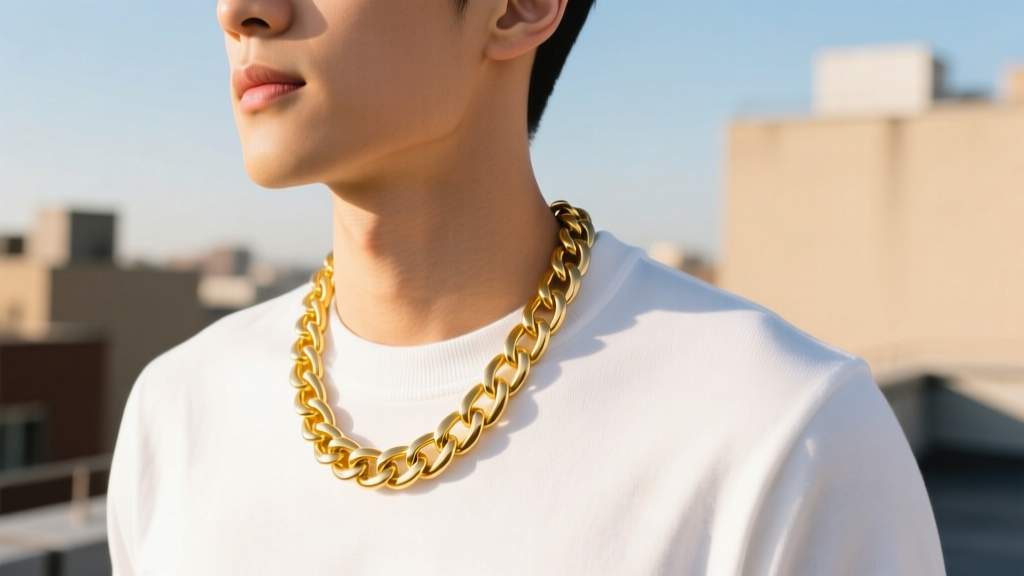
The landscape of men's accessories has evolved dramatically, and when it comes to guys wearing necklaces, the margin between effortless style and trying too hard is measured in millimeters. According to JCK Online, the men's jewelry market has seen consistent double-digit growth, driven by a cultural shift toward personalized, everyday adornment. However, navigating chain widths, metal grades, and layering techniques can be daunting. This step-by-step guide strips away the guesswork, providing a precise, actionable framework for guys wearing necklaces to elevate their wardrobe with confidence and technical precision.
Step 1: Choose the Right Metal and Material Grade
The foundation of any good chain is its metallurgy. Many guys wearing necklaces for the first time make the mistake of buying cheap, plated base metals that turn their skin green or tarnish within weeks. To ensure longevity, focus on these three primary material grades:
316L Surgical Stainless Steel
Unlike standard 304 stainless steel, 316L contains molybdenum, which drastically increases its resistance to corrosion from sweat and saltwater. If you want a gold-tone steel chain, look for PVD (Physical Vapor Deposition) coating. PVD bonds the gold color at a molecular level, typically lasting 2 to 5 years without flaking, compared to traditional electroplating which wears off in months.
925 Sterling Silver with Rhodium Plating
Solid silver is a classic, but it oxidizes. For daily wear, seek out 925 sterling silver that has been flash-plated with rhodium. This platinum-group metal provides a bright, tarnish-resistant barrier. According to the Gemological Institute of America (GIA), rhodium-plated silver maintains its luster significantly longer in high-friction environments.
14k vs. 18k Solid Gold
While 18k gold (75% pure gold) offers a richer, deeper yellow hue, it is softer and more prone to scratching and stretching, especially on heavier link styles like Cubans. For everyday chains subjected to tension and friction, 14k gold (58.3% pure gold) is the superior choice due to its higher alloy content, providing the necessary structural rigidity to maintain the chain's geometry over time.
Step 2: Dial in the Exact Length and Width
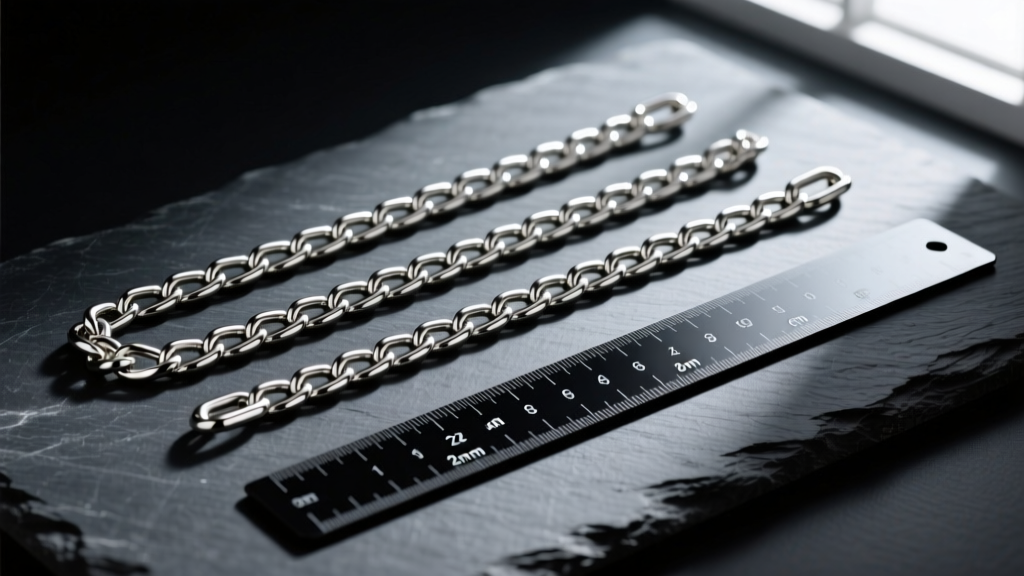
The most common pitfall for guys wearing necklaces is choosing the wrong proportions. A chain that is too thick looks ostentatious, while one that is too thin can appear fragile and get lost against the chest. Use the following matrix to select your dimensions based on your build and style intent.
| Chain Width | Visual Impact | Best Length for Men | Ideal Link Styles |
|---|---|---|---|
| 1.5mm - 2.5mm | Subtle / Minimalist | 20" - 22" | Cable, Box, Bead |
| 3.0mm - 5.0mm | Versatile / Everyday | 20" - 24" | Cuban, Figaro, Rope |
| 6.0mm - 10.0mm | Statement / Bold | 22" - 26" | Cuban, Curb, Franco |
The Pendant Rule: If you plan to add a pendant, the chain width must not exceed 4mm. Chains wider than 4mm require heavy, oversized bails that rarely fit standard men's pendants. A 2mm to 3mm rope or box chain provides the perfect tensile strength for pendants weighing up to 15 grams without kinking.
Step 3: Match the Chain to Your Neckline
A necklace should complement your clothing, not fight it. The interaction between the metal and the fabric's hemline dictates the visual flow of your outfit.
- The Crew Neck T-Shirt: The most common menswear staple. A 20-inch or 22-inch chain (3mm-5mm width) resting just below the collarbone creates a clean, framed look. Avoid chains that sit exactly on the collar seam, as this creates visual clutter.
- The V-Neck and Henley: These necklines naturally draw the eye downward. Mirror this geometry with a longer chain (22 to 24 inches) featuring a vertical pendant or a elongated link pattern like a Figaro chain.
- The Button-Down Shirt (Unbuttoned): When wearing an open camp-collar or Oxford shirt, layering becomes essential. A shorter 18-inch choker-style chain paired with a 22-inch pendant chain fills the negative space of the exposed chest perfectly without tangling in the fabric.
Step 4: Master the Layering Technique (The 2-Chain Rule)
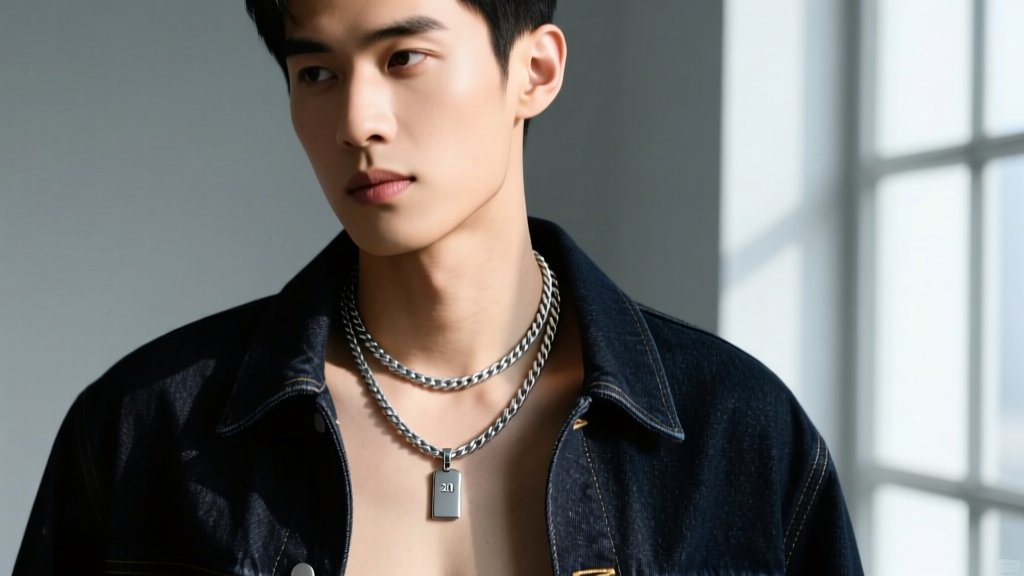
Layering is where guys wearing necklaces can showcase true sartorial expertise, but it requires strict adherence to spatial rules. The golden rule of layering is the 2-Inch Gap. Your first chain should sit at 18 or 20 inches, and the second must be at least 2 inches longer (20 or 22 inches). This prevents the chains from tangling and ensures both are distinctly visible.
Texture and Weight Contrast
Never layer two identical chains. Contrast is mandatory. Pair a smooth, reflective chain (like a Box or Snake chain) with a textured, matte, or complex chain (like a Rope or Wheat chain). Furthermore, balance the visual weight: if your primary chain is a bold 6mm Cuban, your secondary chain should be a delicate 2mm cable chain with a small pendant to anchor it.
Step 5: Select the Right Clasp and Maintenance
The clasp is the most frequent point of failure on any necklace. Discard any chain that uses a standard spring-ring clasp; they are notoriously difficult to operate with one hand and prone to snapping under tension.
- Lobster Claw Clasp: The industry standard for chains under 6mm. It features a solid spring mechanism and a secure grip.
- Box Clasp with Safety Catch: Mandatory for heavy chains (8mm and above). It locks the ends together flush and usually features a secondary wire safety latch to prevent loss if the primary lever fails.
- Magnetic Clasps: Avoid these entirely for daily wear. They easily detach when snagged on clothing, leading to lost jewelry.
Maintenance Protocol: Clean your chains bi-weekly using a few drops of mild dish soap, warm water, and a soft-bristled baby toothbrush. Avoid ultrasonic cleaners on oxidized silver or chains with porous gemstone pendants (like turquoise or opal), as the high-frequency vibrations can fracture the stones or strip the intentional oxidation.
Troubleshooting Common Issues
Even experienced guys wearing necklaces encounter mechanical annoyances. Here is how to solve them:
Chain Pulling Chest Hair
This is almost exclusively caused by hollow chains or specific link styles like the Herringbone or Snake chain, which have flat, overlapping surfaces that trap hair. Switch to a solid, rounded link style like a Rope, Box, or rounded Cuban link, which allow hair to slide off the smooth, convex surfaces.
The Pendant Flipping Upside Down
This occurs when the pendant's center of gravity is misaligned with the chain's movement. To fix this, apply a tiny dot of clear silicone jewelry glue to the inside of the pendant bail, or use a rubber pendant grip. Alternatively, ensure your chain is thick enough to provide friction; a chain that is too thin allows the bail to slide freely and flip.
By treating your jewelry choices with the same technical precision as your watch collection or footwear, you elevate your entire aesthetic. As noted in GQ's definitive men's jewelry guide, the right chain isn't just an accessory; it is an anchor for your personal style. Follow these measurements, respect the metallurgy, and wear your chains with absolute intention.


