The Ultimate Gymnastics Necklace Safety & Material Guide
Discover the technical specs, safety rules, and breakaway materials required for a safe gymnastics necklace in training and competition.

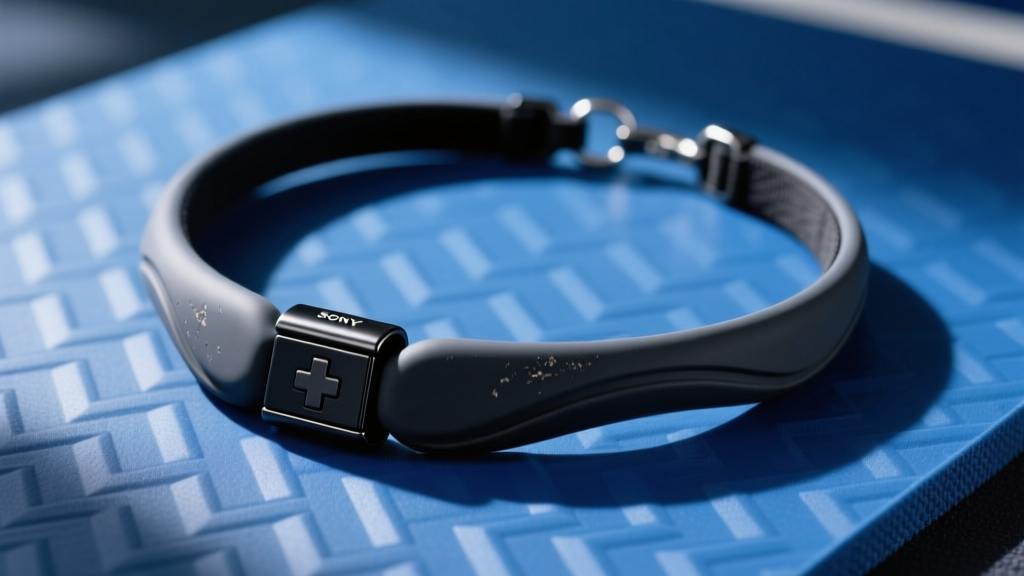
The concept of a gymnastics necklace exists at the complex intersection of biomechanical safety, material science, and strict sporting regulations. Unlike traditional jewelry, which prioritizes aesthetic drape and precious metal purity, neckwear designed for gymnasts must function as highly engineered safety equipment. Whether serving as a mandatory medical alert ID, a sensory grounding tool, or a personal talisman, any necklace worn in a gym environment must withstand extreme kinetic forces, high-acidity sweat, and the unforgiving geometry of apparatus work.
In this expert deep dive, we deconstruct the anatomical requirements of safe gymnastics neckwear, examining breakaway clasp engineering, material degradation rates, and the precise regulatory frameworks that dictate what is legally permitted on the competition floor.
The Regulatory Reality: FIG and USAG Standards
Before evaluating materials, we must establish the legal boundaries of gymnastics jewelry. The Fédération Internationale de Gymnastique (FIG) and USA Gymnastics (USAG) maintain notoriously strict safety codes regarding personal adornment. The baseline rule across all disciplines (Artistic, Rhythmic, Trampoline) is an absolute prohibition of jewelry during competition.
However, a critical exception exists for medical identification. Gymnasts with severe allergies, diabetes, or specific cardiac conditions are permitted to wear medical ID necklaces, but with heavy caveats. The pendant must lie completely flat against the sternum, and the chain must be secured—often requiring the athlete to tape the chain to their skin or leotard using hypoallergenic zinc oxide tape to prevent any swinging or snagging on the uneven bars or balance beam. Understanding these baseline regulations is the first step in designing or selecting a compliant gymnastics necklace.
Engineering the Breakaway: Magnetic vs. Mechanical
The most critical component of any active-wear necklace is the breakaway mechanism. A standard lobster clasp or welded spring ring is a catastrophic failure point in gymnastics; if caught on a fiberglass rail or a teammate's hand, a non-breaking chain will transfer the full kinetic energy of the athlete's body weight to their cervical spine, risking severe tracheal or vertebral injury.
Engineered gymnastics necklaces utilize one of two primary breakaway technologies, each governed by specific tension thresholds outlined in standards like ASTM F2923 (Standard Specification for Consumer Product Safety for Children's Jewelry):
1. Mechanical Plastic Snap Clasps
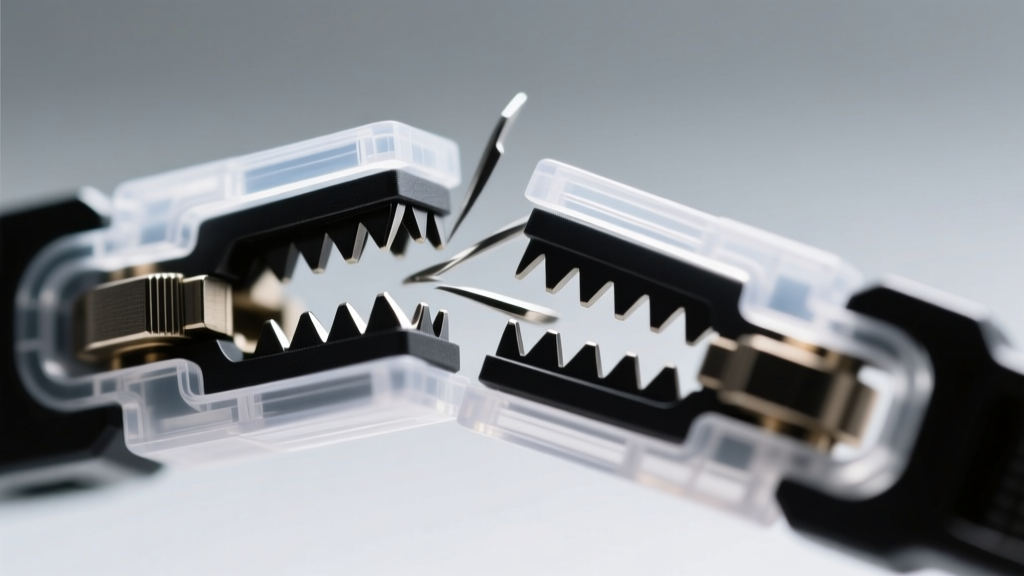
These clasps utilize interlocking polymer teeth housed in a cylindrical casing. They are calibrated to release when subjected to a specific lateral or perpendicular force, typically between 5 to 7 pounds (22 to 31 Newtons). The advantage of mechanical clasps is their predictable failure point and low cost. The disadvantage is material fatigue; the plastic teeth can wear down after 400 to 500 engagement cycles, inadvertently lowering the release threshold and causing the necklace to pop open during routine tumbling passes.
2. Neodymium Magnetic Clasps
High-end gymnastics necklaces utilize N42 or N52 grade neodymium magnets encased in medical-grade silicone or resin. These magnets provide a secure hold during normal movement (resisting the 1-2 pounds of force generated by a swinging pendant) but will instantly decouple when subjected to the sudden, high-velocity yank of a snag. Magnetic clasps do not suffer from mechanical teeth degradation, making them vastly superior for long-term training use, provided the athlete does not have a pacemaker or sensitivity to rare-earth metals.
Material Science: What Survives the Gym Environment?
The gymnastics environment is highly corrosive. Athletes generate profuse sweat, which contains high concentrations of sodium chloride, urea, and lactic acid. Furthermore, gymnasts frequently apply chalk (magnesium carbonate) to their hands and grips, creating an abrasive, alkaline dust that settles on the chest and neck. Traditional sterling silver will oxidize rapidly, and low-grade stainless steel (like 304) is prone to pitting and crevice corrosion under these conditions.
When specifying materials for a gymnastics necklace, we look at three primary categories:
| Material | Technical Grade | Sweat/Chalk Resistance | Tensile Strength | Best Application |
|---|---|---|---|---|
| Silicone | Medical-Grade (Shore A 40-50) | Exceptional | Low (Elastic) | Chains, sensory pendants |
| Titanium | Grade 5 (Ti-6Al-4V) | Superior | Very High (900 MPa) | Medical ID plates, rigid pendants |
| PTFE (Teflon) | Extruded Monofilament | Exceptional | High (21-35 MPa) | Alternative cordage, laces |
| Stainless Steel | 316L (Marine Grade) | Good (Requires rinsing) | High (485 MPa) | Chain links (only with breakaway) |
For the chain or cord itself, extruded PTFE (polytetrafluoroethylene) is the gold standard. It is entirely impervious to lactic acid, does not absorb moisture, and has a slick surface that prevents chalk dust from embedding into the fibers. For pendants, Grade 5 Titanium is unmatched. It is 45% lighter than steel, entirely biocompatible, and will not trigger contact dermatitis, which is vital when metal is pressed against sweat-soaked skin inside a tight spandex leotard.
Medical IDs and Sensory Pendants: Safe Integrations
For athletes requiring a medical ID, the pendant design must eliminate all snag hazards. Traditional raised-letter medical tags are dangerous; the raised edges can catch on the velcro straps of wrist grips or the porous surface of a gymnastics mat. Instead, expert jewelers utilize deep laser engraving on a flat, beveled titanium disc. Laser engraving alters the surface oxidation of the titanium, creating high-contrast black text that sits flush with the metal surface, offering zero catch-points.
For younger gymnasts or neurodivergent athletes who utilize necklaces for sensory grounding, the pendant must be constructed from high-durometer silicone. A Shore A hardness of 60 or higher is required to prevent the athlete from biting through the pendant and choking on silicone fragments, while still providing the tactile feedback necessary for sensory regulation during high-stress routines.

Biomechanical Sizing: Length and Clearance
The length of a gymnastics necklace is not a matter of style; it is a matter of physics. A standard 18-inch or 20-inch chain is entirely unacceptable for gym use. At these lengths, the pendant rests near the xiphoid process or lower sternum, creating a pendulum effect during flips and handsprings. This swinging mass can cause blunt force trauma to the athlete's own face or chin during tucked somersaults.
The correct specification for a gymnastics necklace is a choker length of 14 to 15 inches. At this length, the necklace sits securely in the suprasternal notch (the hollow at the base of the neck), resting flat against the clavicles. This positioning ensures the pendant moves in unison with the athlete's torso, eliminating independent kinetic momentum. When fitting the necklace, the "two-finger rule" must apply: you should be able to slide exactly two fingers between the cord and the athlete's neck to ensure the breakaway clasp is not under constant pre-tension, which could cause premature release.
Maintenance Protocols for High-Sweat Environments
Even the most advanced materials require specific maintenance protocols to ensure structural integrity. While PTFE and silicone are virtually indestructible in the face of sweat, the mechanical or magnetic clasps are vulnerable. Chalk dust (magnesium carbonate) is highly desiccating and mildly abrasive. If it infiltrates a mechanical snap clasp, it will grind down the polymer teeth, altering the 5-pound release threshold and creating a choking hazard.
After every training session, the gymnastics necklace must be rinsed in distilled water to dissolve and remove sweat salts and chalk residue. It should be air-dried completely before storage. Magnetic clasps should be wiped with a microfiber cloth to ensure no microscopic metal shavings (picked up from gym equipment) are adhering to the neodymium core, which could compromise the magnetic field strength over time. By treating the necklace as a piece of safety equipment rather than an accessory, gymnasts can maintain compliance, safety, and peace of mind on the apparatus.


