The Ultimate Halo Necklace Material Guide & Comparison
Discover the best metals for your halo necklace. We compare gold, platinum, and sterling silver properties, durability, and pricing for savvy buyers.

The Anatomy of a Halo Necklace: Why Metal Choice Dictates Longevity
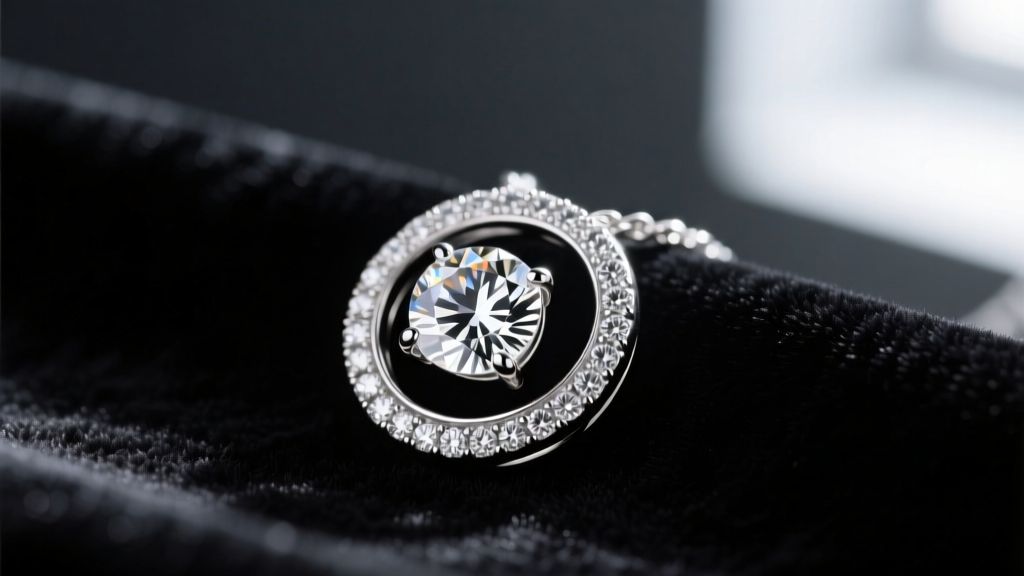
A halo necklace is more than just a brilliant optical illusion; it is a complex feat of micro-engineering. The classic halo design features a center gemstone encircled by a continuous row of micro-pavé melee diamonds, typically ranging from 1.0mm to 1.7mm in diameter (0.01ct to 0.03ct each). While buyers often obsess over the 4Cs of the center stone, the structural metal holding those dozens of microscopic prongs in place is the true determinant of the pendant’s lifespan.
Unlike a simple solitaire pendant with four robust prongs, a halo setting relies on dozens of shared micro-prongs. If the metal is too soft, the prongs will bend and drop stones. If the metal is too brittle, the prongs will snap under the daily tension of wearing a necklace. Furthermore, the metal's color and reflectivity directly influence the perceived color grade of your center diamond. In this comprehensive guide, we break down the exact metallurgical properties, maintenance requirements, and real-world pricing of the most popular halo necklace materials.
Platinum vs. White Gold: The Classic Halo Debate
When designing a white-metal halo pendant, the choice almost always comes down to Platinum (Pt950) and White Gold (14k or 18k). While they look nearly identical in a brightly lit jewelry showcase, their atomic behaviors are vastly different.
Platinum (Pt950): The Heavyweight Champion
According to the Gemological Institute of America (GIA), jewelry-grade platinum is typically alloyed to 95% purity, mixed with 5% ruthenium or iridium for added strength. Platinum possesses a unique property called "malleability without material loss." When a platinum micro-prong is scratched or bumped, the metal merely displaces; it does not flake away. This makes it the undisputed king of micro-pavé halos, as the prongs will bend rather than snap, keeping your melee stones secure for decades.
However, platinum has a lower Vickers Hardness (HV) rating (~125 HV) compared to white gold, meaning it will develop a satiny "patina" over time. Additionally, its high density (21.45 g/cm³) means a platinum halo pendant will be noticeably heavier. This requires pairing it with a sturdy chain—such as a 1.2mm solid box or cable chain—to prevent premature wear at the bail.
White Gold (14k & 18k): The High-Maintenance Alternative
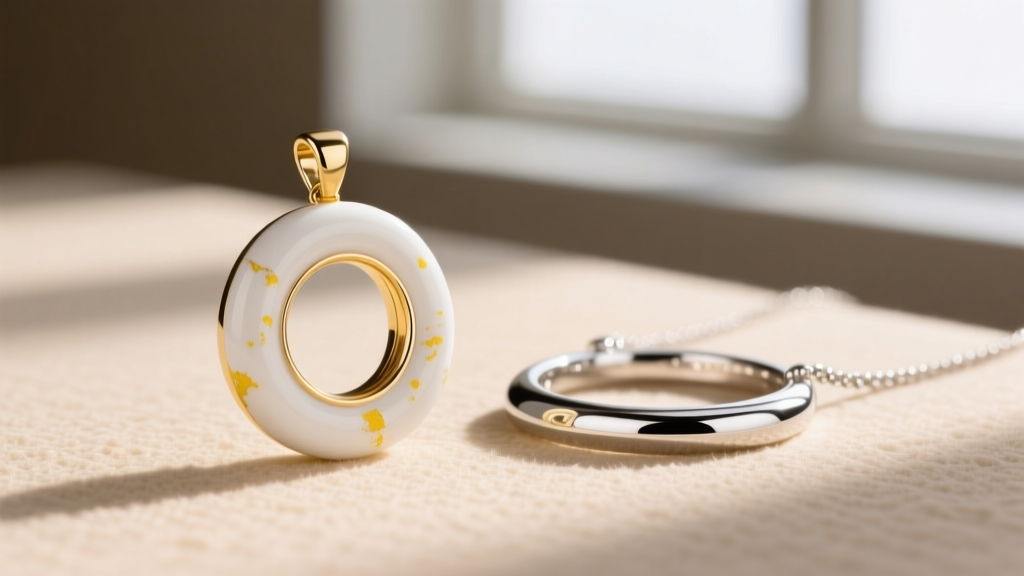
White gold is created by alloying pure yellow gold with white metals like nickel, palladium, or zinc. Because the underlying alloy still retains a faint yellowish-gray tint, the finished halo pendant is electroplated with a microscopic layer of rhodium (usually 0.75 to 1.5 microns thick) to achieve a mirror-like white finish.
White gold is harder than platinum (14k white gold measures around 160 HV), making it highly resistant to surface scratching. However, this hardness comes with brittleness. Over 5 to 7 years of daily wear, the micro-prongs in a white gold halo can literally wear away or snap off due to friction against clothing and skin oils. Furthermore, the friction of a necklace resting against the collarbone will wear away the rhodium plating on the back of the pendant and the bail within 12 to 18 months, requiring professional replating that costs between $50 and $120 per session.
Yellow and Rose Gold Halos: Alloy Compositions and Color Shifts
Choosing a colored metal for your halo necklace isn't just an aesthetic choice; it fundamentally alters how your center diamond is perceived. A near-colorless diamond (G-H grade) will reflect the hue of the metal beneath it. Setting a G-color diamond in a yellow gold halo will make the stone face up warmer, potentially resembling a J or K color.
18k vs. 14k Yellow Gold
18k yellow gold (75% pure gold, 12.5% silver, 12.5% copper) offers a rich, buttery hue that complements vintage-inspired halos with milgrain detailing. However, its higher gold content makes it softer. 14k yellow gold (58.3% pure gold) is significantly more durable and scratch-resistant, making it the pragmatic choice for active wearers who want a yellow metal halo pendant that won't easily warp if the chain is tugged.
The Metallurgy of Rose Gold
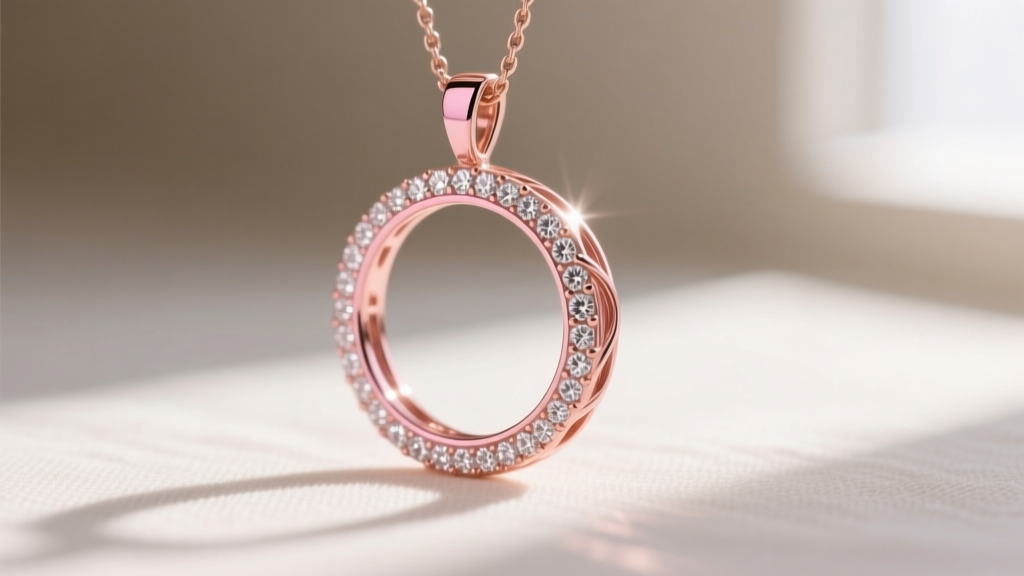
Rose gold gets its signature blush from a high copper content. An 18k rose gold alloy typically consists of 75% gold, 22.25% copper, and 2.75% silver. The copper acts as a natural hardener, making 18k rose gold surprisingly durable for micro-pavé settings. However, copper is reactive. Over years of exposure to sweat, lotions, and environmental humidity, the copper in the halo's gallery wire can oxidize, leading to a darkening of the metal. Regular polishing with a specialized jewelry cloth will restore the original pink luster.
Sterling Silver and Alternative Metals: Budget Halos and Their Limits
Sterling silver (92.5% silver, 7.5% copper) is a popular entry-level metal for halo necklaces, often paired with cubic zirconia or lab-created moissanite. However, from a structural standpoint, sterling silver is entirely unsuited for genuine diamond micro-pavé. With a Vickers Hardness of only ~65 HV, silver prongs will bend under minimal pressure. If you purchase a sterling silver halo pendant, expect to lose melee stones within the first year of regular wear.
Alternative metals like titanium and tungsten carbide are virtually impossible to use for halo settings. These metals are so hard that they cannot be cast into the intricate micro-prongs required for a halo, nor can they be easily resized or repaired by a bench jeweler if a stone falls out.
Comprehensive Metal Property & Pricing Matrix
To help you make an informed decision, we have compiled a technical matrix comparing the most common metals used in fine diamond halo necklaces. Pricing reflects the setting only, excluding the center stone and chain, based on a standard 1.00ct round brilliant halo design.
| Metal Type | Alloy Composition | Vickers Hardness (HV) | Prong Wear Behavior | Avg. Setting Price Range |
|---|---|---|---|---|
| Pt950 Platinum | 95% Pt, 5% Ru/Ir | ~125 | Displaces (bends, doesn't snap) | $900 - $1,600 |
| 18k White Gold | 75% Au, Pd/Ni, Zn | ~135 | Wears away, requires rhodium | $600 - $1,100 |
| 14k White Gold | 58.3% Au, Pd/Ni, Zn | ~160 | Wears away, requires rhodium | $450 - $850 |
| 18k Yellow Gold | 75% Au, 12.5% Ag, 12.5% Cu | ~120 | Moderate wear, easy to re-tip | $600 - $1,000 |
| 14k Rose Gold | 58.3% Au, ~35% Cu, Ag | ~170 | Highly durable, resists wear | $450 - $800 |
| Sterling Silver | 92.5% Ag, 7.5% Cu | ~65 | Bends easily, high stone loss | $50 - $150 |
Expert Maintenance Protocols for Halo Pendants
The structural complexity of a halo necklace demands specific care routines. The Jewelers of America strongly advises against using ultrasonic cleaners on micro-pavé jewelry. The high-frequency vibrations can easily shake loose the microscopic melee stones if the prongs have experienced even minor wear.
The Bench Jeweler's Rule: Never pull a halo necklace by the chain to remove it. Always unhook the clasp. The sudden tension transferred through the bail can warp the halo's basket, instantly compromising the tension holding the outer ring of pavé diamonds.
For routine cleaning, use a soft baby toothbrush, warm water, and a single drop of mild, ammonia-free dish soap. Gently brush the underside of the halo pendant (the gallery) where skin oils and cosmetics accumulate, blocking light from entering the pavé stones and making the necklace look dull.
Final Verdict: Matching Metal to Your Lifestyle
If you are investing in a natural or high-grade lab-grown diamond halo necklace meant to be worn daily, Platinum (Pt950) is the undisputed best choice. The upfront premium of $300 to $500 over white gold is quickly offset by the elimination of rhodium replating costs and the vastly superior security of the micro-prongs.
For buyers who prefer a warmer aesthetic or are working with a stricter budget, 14k Rose or Yellow Gold offers an excellent balance of structural integrity and visual warmth. Avoid sterling silver for any halo pendant containing genuine gemstones, as the inevitable cost of replacing lost melee diamonds will far exceed the initial savings of the metal.
By understanding the metallurgical realities of your jewelry, you ensure your halo necklace remains as brilliant and secure on its tenth anniversary as it was on the day it was unboxed.


