Handkerchief Necklace Value Guide: Is It Worth It in 2026?
Discover if a handkerchief necklace is worth your budget. We assess silk weights, hardware quality, and price-to-value ratios for smart jewelry buying.

The Anatomy of a Handkerchief Necklace: What Are You Actually Paying For?
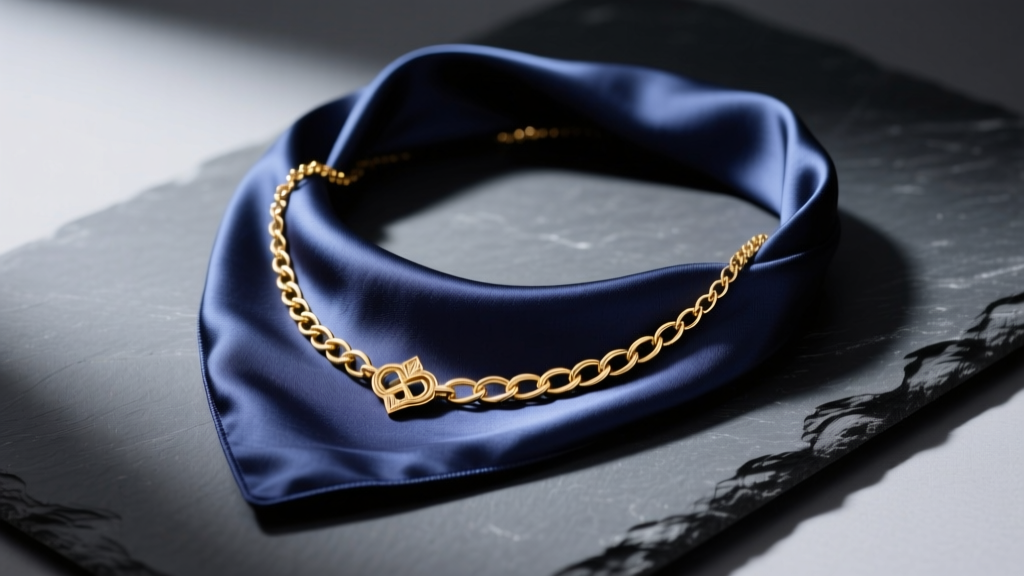
The handkerchief necklace—often interchangeably referred to as a bandana necklace, kerchief choker, or scarf-style pendant—has evolved from a fleeting festival trend into a staple of contemporary bohemian and eclectic wardrobes. As we navigate the jewelry market in 2026, consumers are increasingly scrutinizing the intersection of textile and metalwork. But when a piece combines fabric with jewelry hardware, how do you accurately assess its value? Unlike a solid sterling silver chain or a 14k gold pendant, a handkerchief necklace requires a dual-lens evaluation: you must judge both the textile integrity and the metallurgical quality of the hardware.
At its core, this hybrid accessory consists of three distinct components: the fabric body (the 'handkerchief' element), the transition hardware (aglets, end caps, or crimp beads that secure the fabric), and the functional chain or clasp system. The true value of the piece hinges on how seamlessly and durably these elements are integrated. A $200 necklace can be rendered useless if a cheap brass clasp tarnishes and stains the silk, while a $40 piece might offer years of wear if the synthetic fabric is properly sealed and the hardware is hypoallergenic. Understanding these nuances is the key to making a financially sound jewelry investment.
Material Breakdown: Silk, Cupro, and Synthetic Blends
The fabric body dictates the drape, luster, and baseline cost of the necklace. In the current market, you will primarily encounter three categories of textiles. According to the Fashion Revolution Transparency Index, tracing the origin of these textiles is crucial for assessing both ethical value and material longevity.
| Material Grade | Weight / Denier | Average Price Range | Estimated Lifespan | Care Requirements |
|---|---|---|---|---|
| 100% Mulberry Silk | 16-19 Momme | $85 - $250+ | 3-5 Years | Dry clean or gentle hand wash; highly sensitive to sweat and perfume. |
| Cupro / Viscose | 12-15 Momme equiv. | $45 - $90 | 1-2 Years | Hand wash cold; prone to water spotting and loses luster over time. |
| Polyester Twill / Chiffon | 75-100 Denier | $15 - $40 | 6 Months - 1 Year | Machine washable; durable but lacks breathability and natural drape. |
For buyers seeking heirloom quality, 19-momme mulberry silk is the gold standard. The 'momme' weight indicates the density and durability of the silk; anything below 14-momme is too fragile for the friction of daily neckwear and will fray near the hardware attachments. Conversely, high-grade polyester twill offers vibrant, fade-resistant prints that mimic silk visually, making it a superior choice for buyers who prioritize low-maintenance durability over natural fiber prestige.
Hardware Integration: The Hidden Cost Driver
The most common point of failure in a handkerchief necklace is the junction where the fabric meets the metal. Budget manufacturers often use simple crimp beads or fold-over end caps that rely on sheer mechanical pressure to hold the fabric. Over time, the metal slices through the textile fibers. Premium brands invest in 'aglet-style' enclosures or resin-sealed end caps that distribute the tension evenly across the fabric width.
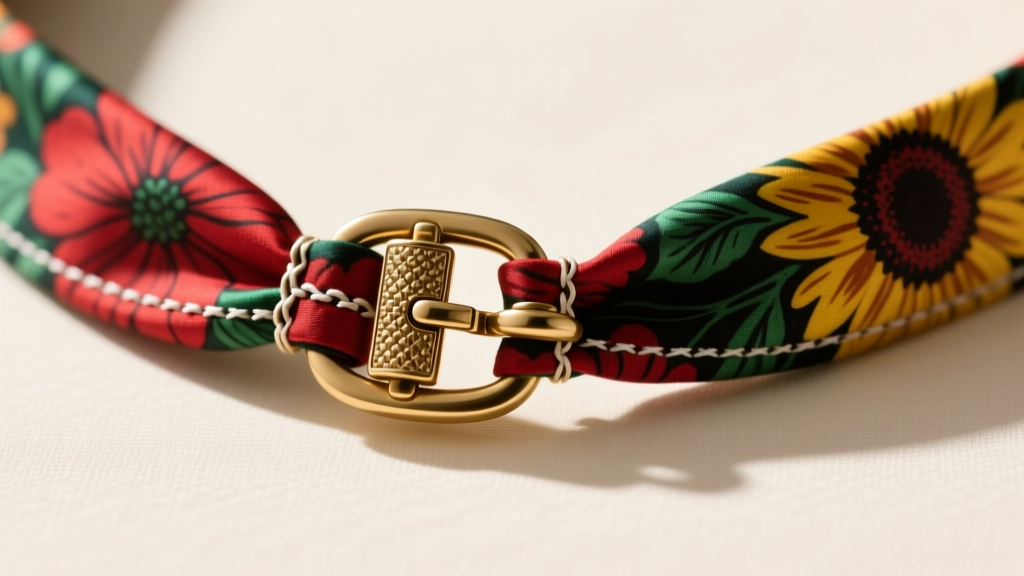
Furthermore, the metal composition of the chain and clasp heavily influences the price. As detailed by the GIA Gem Encyclopedia, understanding metal plating standards is vital for jewelry buyers. A 'gold-tone' chain is typically flash-plated brass with less than 0.5 microns of gold, which will wear off in weeks, exposing reactive brass that can turn your skin green and stain the fabric edge. True value lies in 'gold vermeil'—which legally requires a minimum of 2.5 microns of 10k or 14k gold over a sterling silver base. When assessing a mid-tier handkerchief necklace ($80-$150), always verify that the hardware is vermeil or solid stainless steel, rather than plated brass or zinc alloy.
Price vs. Value Matrix: Budget, Mid-Tier, and Luxury
To determine if a handkerchief necklace is 'worth it,' we must map the pricing tiers against the tangible quality you receive. Here is a practical decision framework for your next purchase:
- Budget Tier ($15 - $45): Expect polyester or rayon blends with machine-stitched hems and zinc-alloy or brass hardware. The value here is purely aesthetic and trend-driven. These pieces are excellent for seasonal styling or festival wear but should not be viewed as long-term investments. The fabric edges are often heat-sealed rather than hemmed, which can lead to stiff, scratchy necklines.
- Mid-Tier / Contemporary ($60 - $150): This is the sweet spot for value. You will find 16-momme silk or high-quality cupro paired with gold vermeil or surgical stainless steel hardware. Hems are typically hand-rolled or tightly machine-stitched with silk thread. The transition hardware is reinforced, and the clasps are smooth, snag-free lobster or spring rings. This tier offers the best cost-per-wear ratio for regular use.
- Luxury / Designer ($200 - $500+): At this level, you are paying for heritage textile sourcing (e.g., Como silk), exclusive artist collaborations, and solid 14k or 18k gold hardware. The value proposition shifts from pure durability to brand equity, artisanal craftsmanship, and limited-edition exclusivity. While beautiful, the CPW (Cost Per Wear) can be high unless the piece is a core component of your daily signature style.
Real-World Failure Modes: Where Cheap Necklaces Fall Apart
When assessing value, it is just as important to understand how these necklaces fail. By knowing the common failure modes, you can inspect a piece in-store or scrutinize macro-photos online before purchasing.
The Sweat Degradation Factor: Silk is a natural protein fiber. The acidic pH of human perspiration, combined with the salts and urea in sweat, actively breaks down the peptide bonds in silk over time. If you live in a humid climate or plan to wear the necklace during active summer days, a 100% silk handkerchief necklace will degrade rapidly at the neckline. In this scenario, a high-end synthetic or a silk-cotton blend offers vastly superior functional value, despite the lower prestige of the material.
The Clasp Snag: Cheap spring-ring clasps often have a microscopic seam where the metal wire meets the housing. This seam acts like a tiny saw blade against delicate 16-momme silk. Every time you take the necklace off, the seam catches and pulls a thread. High-value necklaces use seamless lobster clasps or magnetic clasps with smoothed, polished housings to protect the textile.
Hardware Oxidation and Bleed: Unsealed brass and copper alloys react with sulfur in the air and the acidity of your skin, creating a dark green or black patina. When this oxidized metal rubs against the fabric of the handkerchief, it leaves a permanent, dark stain on the hem. Always ensure the metal components are sealed with a clear e-coating or are made of inert metals like titanium, platinum, or high-grade stainless steel.
The Cost-Per-Wear (CPW) Analysis
Ultimately, the true value of any jewelry piece is best measured by its Cost-Per-Wear. Let us compare two hypothetical handkerchief necklaces over a two-year period:
Piece A ($25 Fast Fashion): Made of polyester twill with flash-plated brass hardware. The plating chips after 4 wears, and the heat-sealed hem begins to fray after 12 wears. You discard it after two months. Total wears: 12. CPW: $2.08 per wear.
Piece B ($120 Contemporary): Made of 16-momme mulberry silk with 2.5-micron gold vermeil hardware and reinforced aglet ends. With proper care (spot cleaning and storing flat), you wear it twice a week for two years. Total wears: 208. CPW: $0.57 per wear.
As the math demonstrates, spending more upfront on superior hardware integration and natural, resilient textiles actually yields a higher financial return over time. The 'cheap' option is almost always the most expensive choice in the long run.
The Final Verdict: How to Maximize Your Investment
Is a handkerchief necklace worth the investment in 2026? Absolutely, provided you buy with intentionality. The hybrid nature of this accessory bridges the gap between the softness of a scarf and the structure of fine jewelry, offering unparalleled versatility for layering over both casual tees and structured blazers.
"The secret to evaluating textile-based jewelry is to ignore the print and focus entirely on the seams and the clasp. A beautiful silk print is worthless if the hardware destroys the fabric it touches." — Senior Textile Conservator, Jewel Style Radar
To maximize your budget, target the $75 to $140 mid-tier range. Demand 16-momme silk or higher, insist on gold vermeil or stainless steel hardware, and inspect the transition points for reinforced stitching or resin sealing. By prioritizing structural integrity over fleeting designer logos, you will secure a handkerchief necklace that remains a vibrant, functional cornerstone of your jewelry collection for years to come.