Harry Potter Horcrux Necklace: Budget & Value Guide
Assess the true value of a Harry Potter Horcrux necklace. We compare materials, licensed replicas, and pricing tiers to help you buy smart.

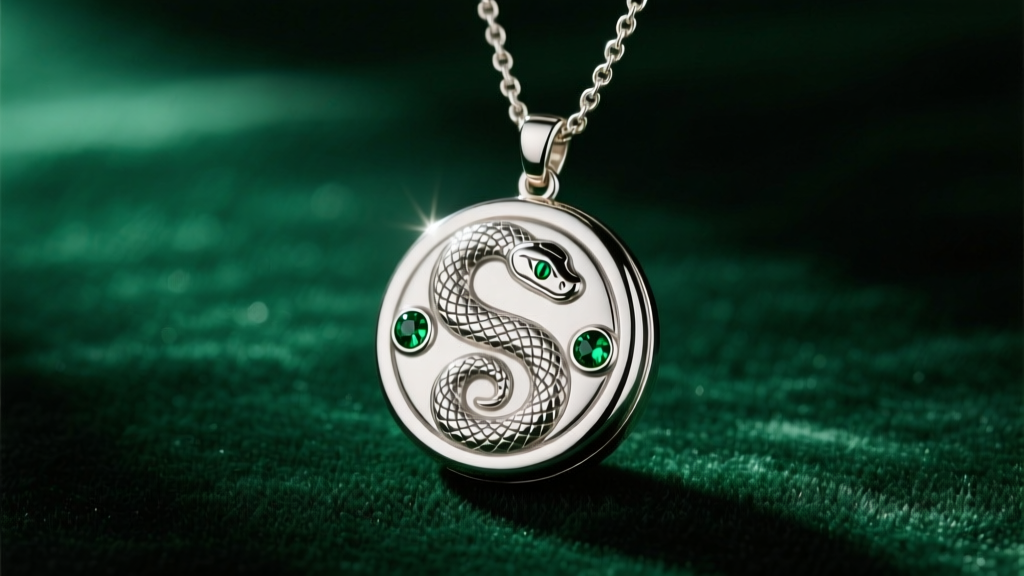
The Quest for the Perfect Slytherin Locket
When shopping for a Harry Potter Horcrux necklace, collectors and fans are immediately confronted with a market flooded with options ranging from cheap costume jewelry to high-end artisan replicas. In the lore, Salazar Slytherin's locket is the only true necklace among the Horcruxes, making it the most highly sought-after piece of wearable wizarding world memorabilia. The original film prop measured approximately 2.25 inches (5.7 cm) in length and possessed a substantial, heavy feel, a detail that separates premium replicas from disappointing knock-offs.
As we navigate the 2026 collectibles and jewelry market, the line between mass-produced fandom merchandise and handcrafted artisanal jewelry has never been more blurred. Online marketplaces are saturated with AI-generated designs and low-quality dropshipped alloys. To ensure you are investing your Galleons wisely, this guide breaks down the metallurgical realities, chain mechanics, and true market value of the iconic Slytherin locket.
Material Breakdown: Zinc, Brass, or Solid Silver?
The single biggest factor determining the value and longevity of your Harry Potter Horcrux necklace is the base metal. The locket's intricate snake motif and the runic inscriptions on the back require precise casting methods to capture the necessary depth and shadow.
The Budget Tier: Zinc Alloy and Pewter ($15 - $35)
Most entry-level replicas found on mega-retailer sites are cast from Zamak (a zinc-aluminum alloy) or basic pewter. These are produced using high-pressure die-casting, which is cheap but results in a loss of fine detail. The scales on the serpent often look blurred or melted. Furthermore, zinc alloys are notoriously brittle; the delicate hinge mechanism required to open the locket is highly prone to snapping under the torque of daily wear. While acceptable for a one-time cosplay event, these materials offer zero long-term jewelry value and frequently cause skin discoloration due to nickel or copper leaching.
The Mid-Tier: Solid Brass and Silver Plating ($45 - $85)
Solid brass represents the sweet spot for value and durability. High-quality brass lockets are typically created using the lost-wax casting method, which perfectly captures the sharp, overlapping scales of the Slytherin serpent and the crisp geometry of the 'S' clasp. Brass also takes to chemical patinas exceptionally well. Artisans use liver of sulfur to darken the recessed areas, creating a striking antique contrast that mimics the centuries-old aesthetic of a dark artifact. If the piece is heavily plated in silver or gold, ensure it is sealed with a protective e-coating to prevent the brass from oxidizing through the plating over time.
The Investment Tier: Solid 925 Sterling Silver ($150 - $300+)
For serious collectors, solid 925 sterling silver is the ultimate choice. According to the Gemological Institute of America (GIA), sterling silver is an alloy containing 92.5% pure silver and 7.5% copper, providing the necessary hardness for jewelry while retaining the luminous quality of a precious metal. A solid silver Horcrux necklace will feature hand-engraved details, genuine gemstone cabochons (often synthetic emeralds or green onyx for the serpent's eyes), and a heavy, satisfying drape. This tier is meant to be an heirloom piece, though it requires regular polishing to manage natural tarnish.
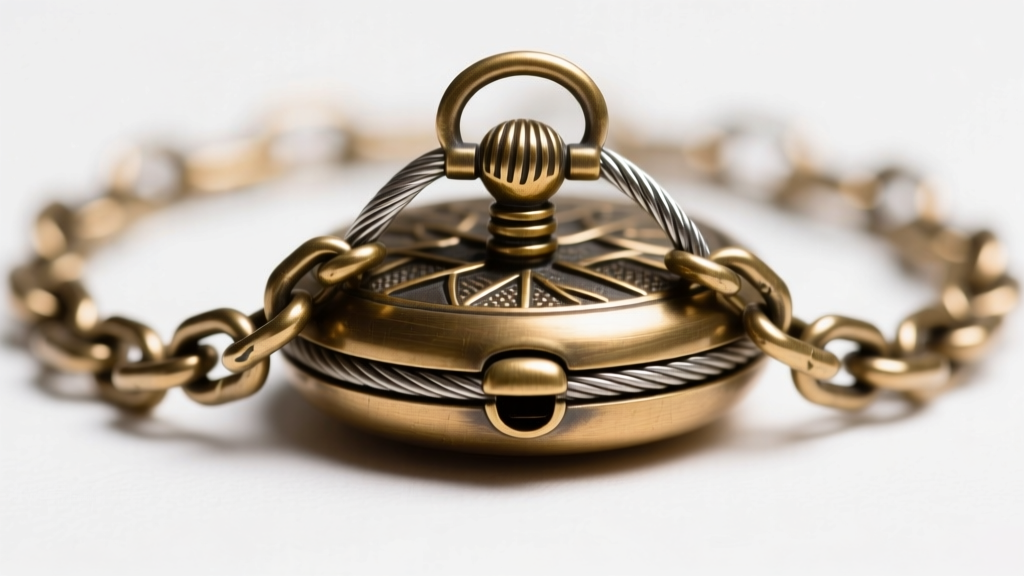
Chain Gauge and Clasp Mechanics: The Hidden Value
A common trap when assessing the budget of a Harry Potter Horcrux necklace is focusing entirely on the pendant while ignoring the chain. A heavy brass or silver locket will easily snap a cheap, thin chain, resulting in the loss of your prized possession. When evaluating a listing, always check the chain gauge and clasp type.
| Chain Specification | Gauge / Thickness | Clasp Type | Value Verdict |
|---|---|---|---|
| Standard Fashion Chain | 1.0mm - 1.2mm | Spring Ring | Avoid. Will snap under the weight of a metal locket. |
| Mid-Weight Cable Chain | 1.5mm - 2.0mm | Lobster Clasp | Ideal. Provides excellent support and secure closure. |
| Heavy Rope / Curb Chain | 2.5mm+ | Heavy Lobster | Premium. Best suited for solid silver, oversized replicas. |
Always insist on a lobster clasp. Spring ring clasps, which rely on a tiny internal spring, are notorious for failing when subjected to the pendulum-like swinging motion of a heavy pendant. Additionally, ensure the jump ring connecting the chain to the locket's bail is soldered closed, rather than just pinched shut.
Licensed Merch vs. Artisan Replicas
The market is largely divided into two camps: officially licensed merchandise and independent artisan creations. The Noble Collection, the official licensee for Warner Bros., produces highly accurate, screen-used prop replicas. Their pieces are exceptional for display and strict canon accuracy, often coming in premium velvet-lined boxes. However, they frequently utilize base metals with heavy silver plating, meaning you are paying a premium for the licensing rather than the intrinsic metallurgical value.
Conversely, independent jewelers on platforms like Etsy often craft superior, lore-accurate pieces using solid 925 silver and genuine gemstones. While they may lack the official Warner Bros. holographic sticker, the craftsmanship, hinge durability, and material quality often far exceed licensed base-metal counterparts. For a comprehensive breakdown of the locket's canonical history and design evolution, the Harry Potter Wiki remains an invaluable resource for verifying the accuracy of artisan engravings.
Spotting Poor Craftsmanship: A Buyer's Checklist
Before finalizing your purchase, scrutinize the product photos for these critical failure points:
- The Hinge Mechanism: Look for a continuous, multi-knuckle brass or steel hinge. Cheap replicas use a tiny, single-pin glue hinge that will detach within weeks.
- The Serpent's Scales: The scales should have deep, sharp undercuts. If the snake looks smooth or 'melted,' the mold was poorly made or the casting temperature was too low.
- The Clasp Closure: The front 'S' clasp should snap shut with a magnetic or mechanical catch. Many budget versions simply rely on friction, meaning the locket will pop open and hang awkwardly on your chest.
- Runic Accuracy: The back of the locket features specific alchemical and runic symbols. Low-quality manufacturers often use randomized, nonsensical squiggles instead of the correct canonical engravings.
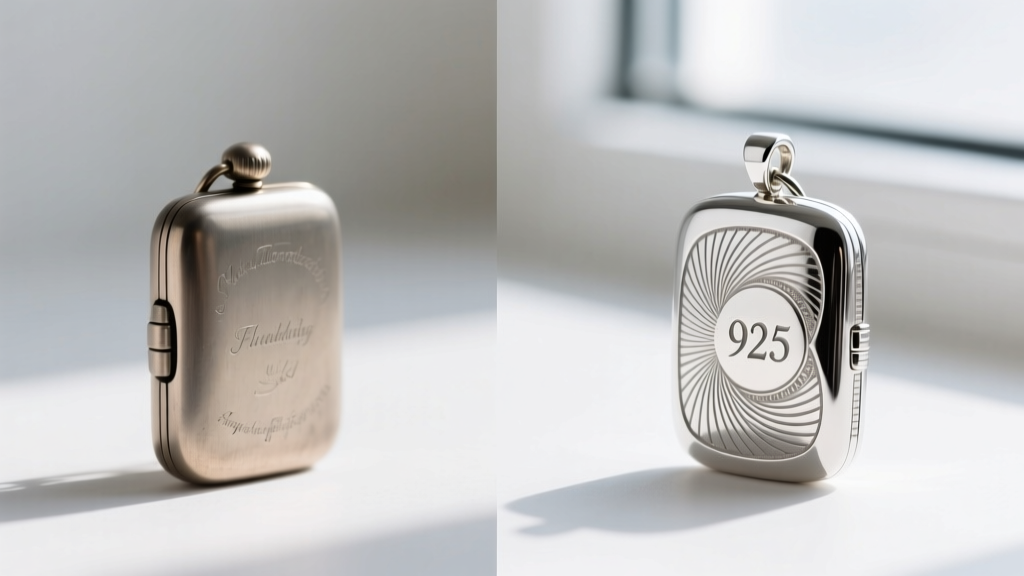
Final Verdict: Where Should You Spend Your Galleons?
If you are buying a Harry Potter Horcrux necklace for casual cosplay or a temporary festival accessory, a $25 zinc-alloy replica will suffice, provided you treat it gently and avoid moisture. However, if you are seeking a piece of jewelry that holds genuine value, integrates into a daily wardrobe, and honors the intricate artistry of the wizarding world, you must elevate your budget.
Allocating between $60 and $90 for a lost-wax cast solid brass pendant on a 2.0mm stainless steel cable chain offers the absolute best return on investment. You gain the necessary weight, the antique patina, and the structural integrity required for daily wear. For those seeking a true generational keepsake, investing $200 or more in a solid 925 sterling silver artisan piece transforms a simple movie prop into a masterwork of contemporary fantasy jewelry.


