Hawaii Necklace Name Jewelry: Ultimate Care and Cleaning Guide
Discover how to clean and maintain your Hawaii necklace name jewelry. Expert tips for bone, seed, and engraved metal pendants to prevent damage.

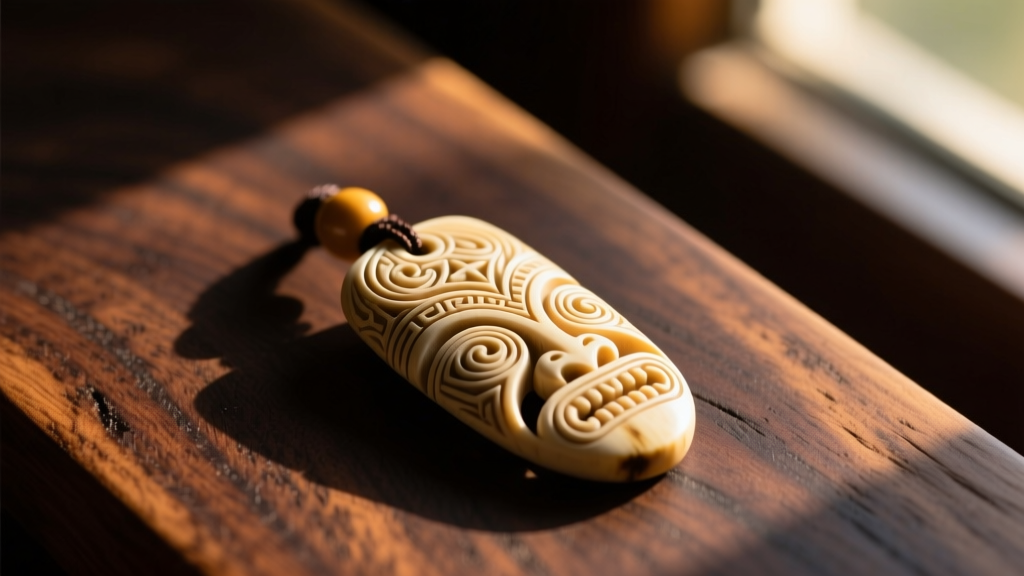
When searching for a specific hawaii necklace name, jewelry enthusiasts are usually looking for one of two things: the traditional, culturally significant Niho Palaoa (carved whale tooth or bone pendant) or a modern, personalized Hawaiian name necklace featuring deep script engraving. Both styles require vastly different maintenance protocols. As organic materials and precision-engraved metals react differently to humidity, skin oils, and cleaning agents, applying a one-size-fits-all approach will result in irreversible damage.
This comprehensive care guide breaks down the exact chemical and physical maintenance routines required to preserve both traditional Hawaiian organic pendants and contemporary engraved name necklaces, ensuring they remain pristine for generations.
Identifying Your Hawaii Necklace Name Materials
Before applying any cleaning solution, you must accurately identify the materials. Traditional Hawaiian jewelry heavily relies on organic, porous elements, while modern name necklaces utilize specific metal alloys.
- Carved Bone & Ivory Alternatives: Highly porous, susceptible to cracking in low humidity and staining from skin oils.
- Kukui Nut & Seeds: Natural oils can turn rancid if over-processed; sensitive to harsh solvents.
- Sterling Silver (925): Contains 7.5% copper, making it highly reactive to sulfur and high humidity (common in tropical climates).
- 14k/18k Gold: More stable, but deep script engravings trap microscopic debris and lotions.
Cleaning Traditional Carved Bone and Seed Pendants
If your hawaii necklace name refers to a traditional Niho Palaoa or carved bone piece, you must avoid water immersion and ultrasonic cleaners. According to the Gemological Institute of America (GIA), organic gem materials and carved bones possess micro-fissures. Ultrasonic cavitation will force water into these fissures, expanding and contracting to shatter the piece from the inside out.
The Dry-Brush and Oil Method
- Dust Removal: Use a clean, ultra-soft makeup brush (like a goat-hair blending brush) to sweep dust out of the carved grooves. Do not use toothbrushes, as nylon bristles will leave micro-scratches on polished bone.
- Surface Wiping: Dampen a microfiber cloth slightly—not wet—with distilled water and wipe the surface to remove acidic skin oils. Lactic acid from sweat degrades calcium structures in bone over time.
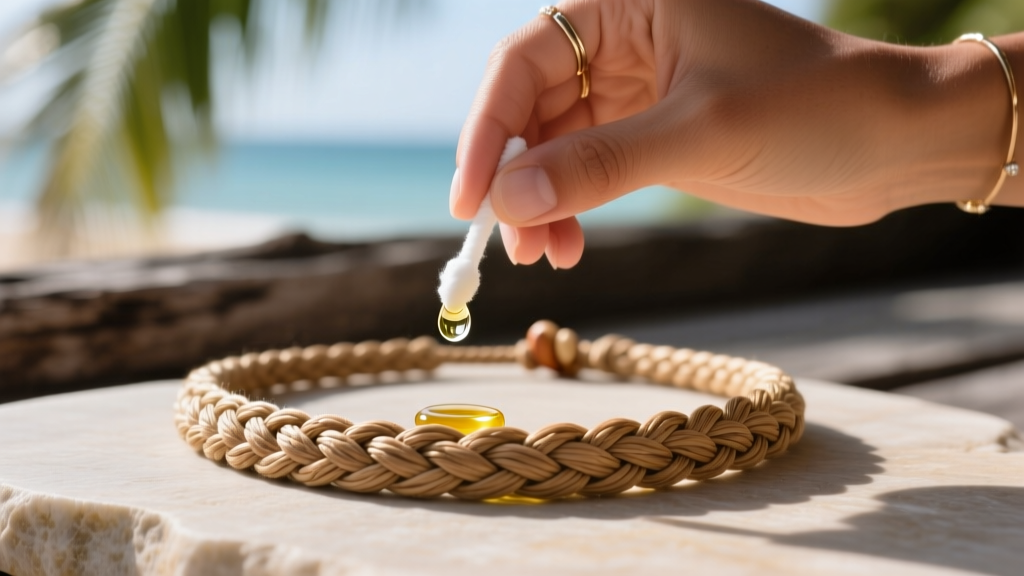
- Conditioning: Once a year, apply a single drop of food-grade macadamia nut oil or mineral oil to a cotton swab. Rub it gently into the bone or kukui nut. Let it sit for 15 minutes, then buff away all excess. This prevents the organic material from drying out and cracking in arid, air-conditioned environments.
Maintaining Modern Engraved Hawaiian Name Necklaces
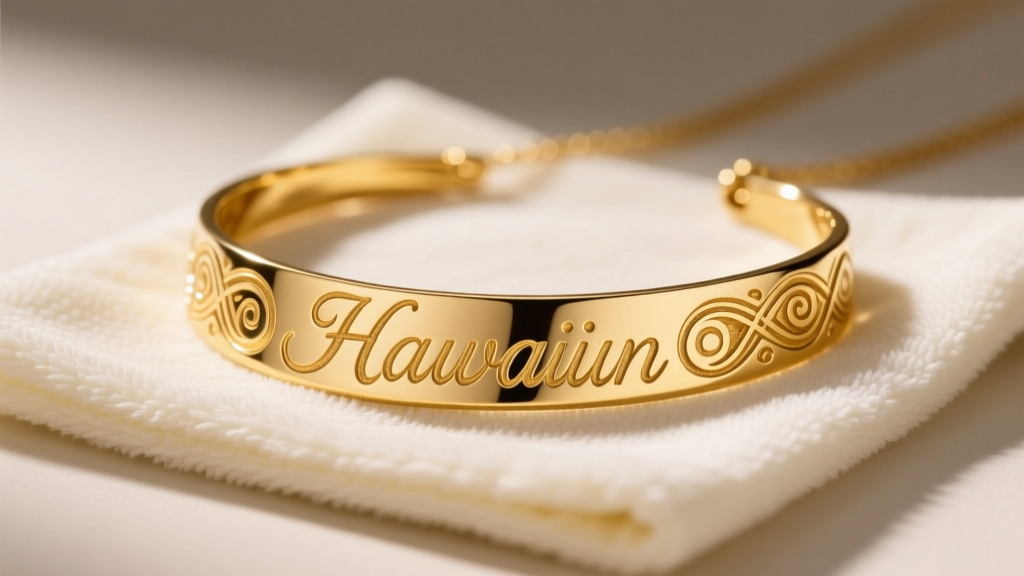
Modern personalized pendants present a different challenge: the deep, sweeping curves of Hawaiian script engravings act as traps for dead skin cells, sebum, and cosmetic lotions. Over time, this buildup creates a dull, grayish film that mimics tarnish.
Safe Soaking and Agitation
For 14k gold and platinum name necklaces, create a lukewarm bath using distilled water and two drops of phosphate-free dish soap. Let the pendant soak for exactly 10 minutes. Use a specialized jewelry cleaning brush with ultra-soft bristles to gently agitate the inside of the engraved letters. Rinse with distilled water—never tap water, as trace minerals and chlorine will leave water spots on high-polish gold.
Material Compatibility Chart
| Material | Safe Cleaners | Strictly Avoid | Failure Mode |
|---|---|---|---|
| Carved Bone | Dry brush, mineral oil | Water, ultrasonics, ammonia | Micro-fissure expansion, calcium degradation |
| Sterling Silver (925) | Silver polishing cloth, mild soap | Bleach, toothpaste, hard brushing | Copper oxidation, scratching of rhodium plating |
| 14k Gold Engraved | Phosphate-free soap, distilled water | Chlorine, abrasive pastes | Alloy weakening, gold surface dulling |
| Kukui Nut | Dry cloth, natural nut oils | Alcohol, chemical solvents | Stripping of natural protective patina |
Cord, Sinew, and Chain Maintenance
A pendant is only as secure as its suspension. Traditional Hawaiian necklaces often utilize braided sennit (coconut husk fiber) or natural sinew, while modern name necklaces use box or rope chains.
Caring for Sennit and Natural Fibers
Natural fibers are highly susceptible to rot when exposed to prolonged moisture and the salt from human sweat. If you wear a traditional cord necklace in the ocean or during heavy exercise, you must rinse the cord in fresh distilled water and allow it to air dry completely in a well-ventilated area, away from direct sunlight (which degrades the lignin in coconut fibers). According to preservation guidelines from the Bernice Pauahi Bishop Museum, storing natural fiber cords flat rather than hanging prevents the fibers from stretching and weakening under the pendant's weight.
Chain Link Inspection
For metal chains holding heavy name pendants, inspect the jump ring and clasp monthly. The constant friction of a heavy engraved pendant against the jump ring can wear down the metal over time. If you notice the jump ring thinning, have a jeweler replace it with a hard-soldered jump ring to prevent catastrophic loss, as detailed in standard maintenance protocols by Jewelers of America.
Troubleshooting Common Damage and Wear
Even with meticulous care, jewelry encounters environmental hazards. Here is how to address specific failure modes without causing secondary damage.
Stubborn Tarnish in Deep Engravings
If your sterling silver name necklace develops black tarnish deep within the script letters, do not use liquid silver dips. These harsh thiourea-based chemicals will strip the rhodium plating and leave a chalky residue trapped in the grooves. Instead, use a treated silver polishing cloth. Fold the corner of the cloth to create a sharp edge, and gently run it through the engraved channels. For unreachable crevices, use a wooden toothpick—never metal or plastic, which can scratch the silver or melt under friction.
White Haze on Carved Bone
A white, chalky haze on a bone or ivory-alternative pendant indicates severe dehydration and calcium leaching, often caused by exposure to chlorinated pool water or harsh soaps. To rehabilitate the piece, lightly buff the surface with a dry microfiber cloth, then apply a generous coat of food-grade mineral oil. Wrap the pendant in a soft cloth and let it rest in a dark, temperature-controlled drawer for 48 hours to allow deep penetration. Wipe away the excess before wearing.
Storage and Environmental Protection
The environment in which you store your jewelry dictates its lifespan. High humidity accelerates the tarnishing of sterling silver name necklaces due to the copper alloy reacting with airborne sulfur and moisture. Conversely, extremely dry environments (like those with heavy central heating in winter) will desiccate and crack organic bone and seed pendants.
- For Silver Name Necklaces: Store in an airtight ziplock bag with a 3M anti-tarnish strip. Replace the strip every 6 months.
- For Organic Pendants: Store in a breathable cotton pouch in a room with stable humidity (around 45-55%). Never store bone or seeds in airtight plastic, as trapped ambient moisture can encourage mold growth on the organic surface.
- For Engraved Gold: Store flat in a lined jewelry box to prevent the chain from tangling and scratching the high-polish surface of the engraved nameplate.
Conclusion
Whether your search for a hawaii necklace name led you to a culturally profound carved bone Niho Palaoa or a beautifully scripted 14k gold name pendant, proper maintenance is non-negotiable. By respecting the unique chemical properties of organic materials and the physical vulnerabilities of deep engravings, you ensure these meaningful pieces remain vibrant, structurally sound, and ready to be passed down as enduring family heirlooms.


