What Is the Hawaiian Flower Necklace Called? Lei & Jewelry Guide
Discover what the Hawaiian flower necklace is called. Explore our gift guide to traditional leis and fine floral jewelry for every occasion.

The Direct Answer: What Is the Hawaiian Flower Necklace Called?
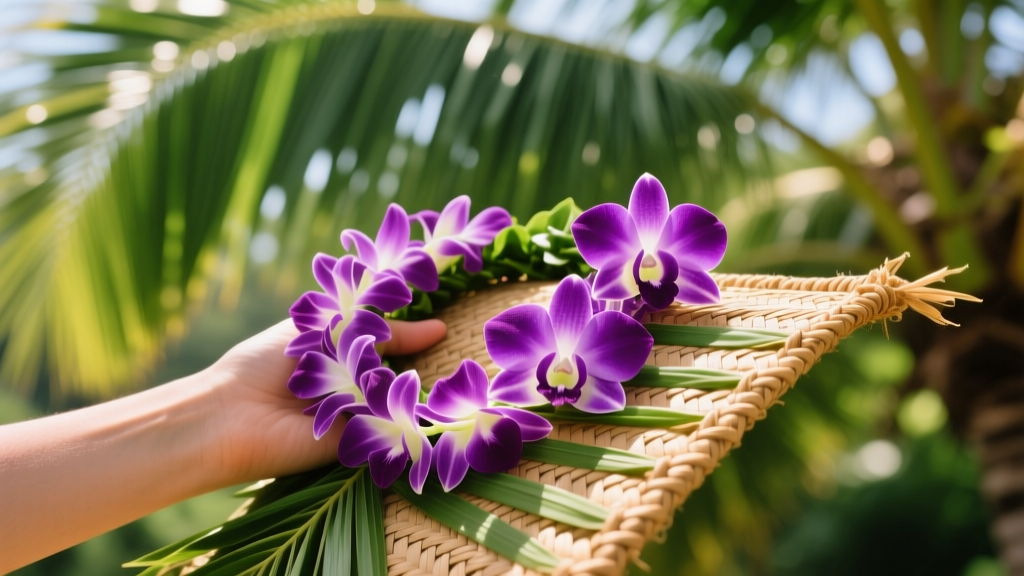
When travelers, gift-givers, and jewelry enthusiasts first encounter these beautiful island adornments, a common question arises: what is the Hawaiian flower necklace called? The traditional answer is a lei (pronounced "lay"). In the Hawaiian language, a lei is any garland or wreath, but when most people use the term, they are referring specifically to the lei a'i (neck lei) made from fresh tropical blossoms.
However, the concept of the Hawaiian flower necklace extends far beyond perishable blooms. In the realm of fine jewelry, the lei translates into permanent floral motifs—such as plumeria, orchid, and hibiscus pendants—crafted from precious metals. Whether you are shopping for a fresh floral greeting or a lifelong heirloom piece, understanding the cultural roots and material specifications of these necklaces is essential for proper occasion matching.
Traditional Floral Leis: Occasion Matching Guide
Gifting a fresh lei is a profound gesture of aloha (love, respect, and affection). Different flowers carry distinct meanings, scents, and price points, making them suitable for specific milestones. Below is a comprehensive guide to matching traditional floral necklaces to the right occasion.
| Flower Type | Cultural Meaning & Scent | Best Occasion | Avg. Price & Lifespan |
|---|---|---|---|
| Dendrobium Orchid | Welcoming, friendship; scentless | Arrivals, graduations, corporate events | $35 - $60 | 5-7 days |
| Pikake (Jasmine) | Deep romance, elegance; highly fragrant | Weddings, anniversaries, proposals | $100 - $150+ | 2-3 days |
| Maile (Vine/Leaf) | Peace, respect, sacred bonds; earthy scent | Groom's wedding lei, blessings, memorials | $40 - $80 | 1-2 weeks |
| Tiare (Tahitian Gardenia) | Purity, rare beauty; intoxicating fragrance | Milestone birthdays, VIP gifting | $120 - $200 | 3-4 days |
A traditional pikake lei requires anywhere from 50 to 150 hand-strung jasmine blossoms, which explains its premium pricing and status as the ultimate romantic gift. According to cultural historians at the Bernice Pauahi Bishop Museum, the act of stringing the lei is just as significant as the flowers themselves, representing the weaving together of relationships.
The Permanent Lei: Fine Hawaiian Flower Jewelry
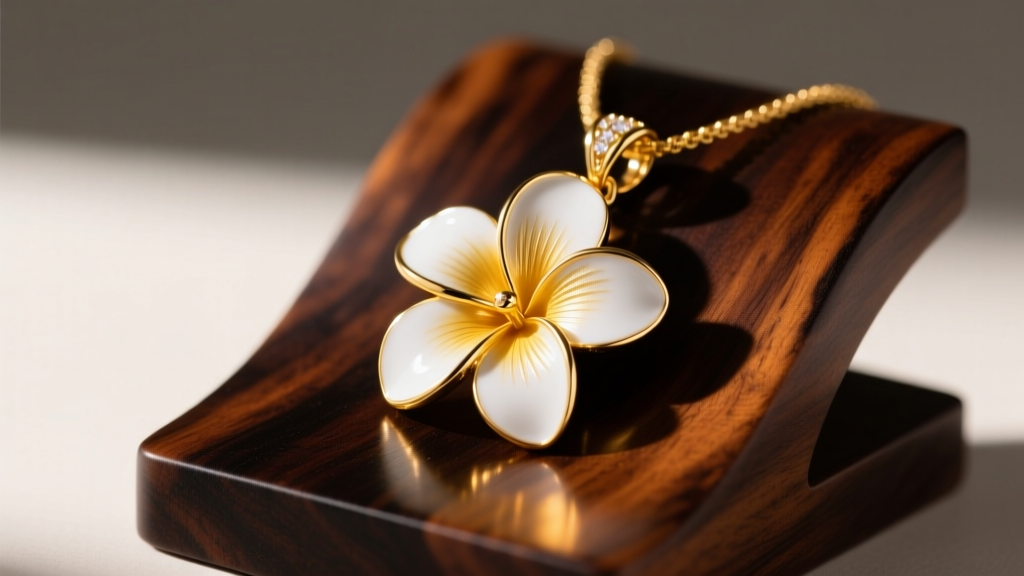
While fresh leis eventually return to the earth, fine jewelry offers a way to gift a permanent Hawaiian flower necklace. For occasions where a perishable gift is impractical—such as long-distance gifting, milestone anniversaries, or everyday wear—jewelry designers translate island flora into enduring pendants.
Plumeria Pendants: Sizing and Proportions
The plumeria (or melia) is the most iconic floral motif in Hawaiian jewelry. When selecting a plumeria pendant, gauge and diameter are critical for achieving the right look:
- 10mm - 12mm (Dainty): Ideal for layering or for younger recipients. Best paired with a 1.0mm to 1.2mm box chain.
- 15mm - 18mm (Standard): The most versatile size for everyday wear. Sits perfectly on a 16-inch or 18-inch princess-length chain.
- 22mm - 30mm (Statement): Reserved for bold, standalone pieces. Requires a heavier chain, such as a 2.0mm rope or Cuban link, to support the pendant's weight without bending the bail.
Metal Grades and Enamel Techniques
Authentic Hawaiian floral jewelry is predominantly crafted in 14k yellow gold. While 18k gold (75% pure gold) is popular in European luxury markets, it is too soft for the intricate cut-out patterns and high-polish edges required for detailed plumeria and hibiscus designs. 14k gold (58.5% pure gold) provides the necessary tensile strength to hold the delicate petal shapes over decades of wear.
For colored pieces, look for vitreous enamel rather than cold epoxy resin. Vitreous enamel is essentially powdered glass fired at temperatures exceeding 1400°F, fusing it permanently to the gold. Cold enamel, while cheaper, will yellow, chip, and degrade within a few years of exposure to UV light and skin oils.
Chain Pairings for Tropical Pendants
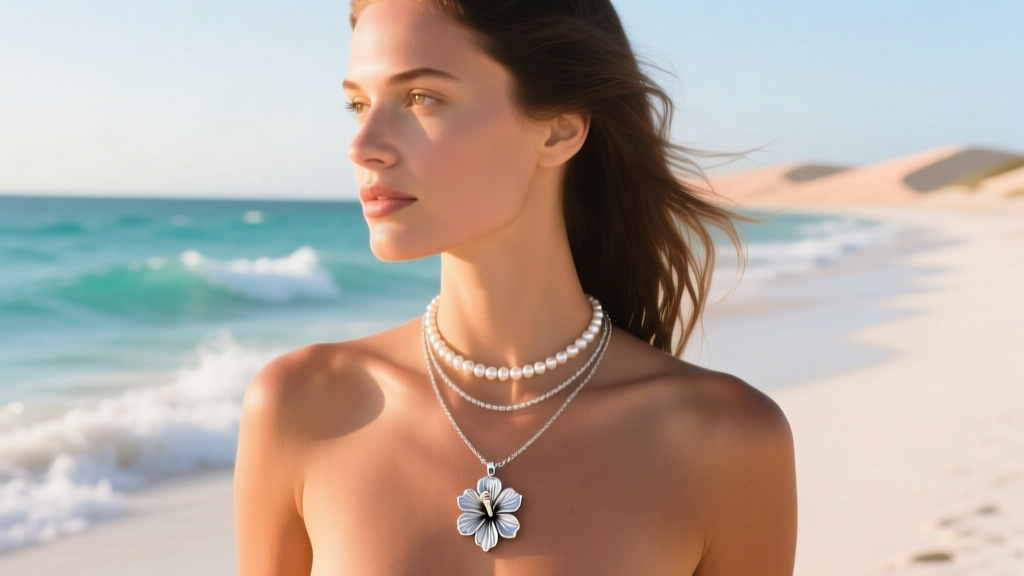
The chain you select can either elevate or undermine a Hawaiian flower pendant. Because floral motifs are inherently organic and curved, the chain should provide a subtle, structured contrast.
- Box Chains (1.2mm - 1.5mm): The geometric links of a box chain contrast beautifully with the soft curves of an orchid or plumeria pendant. They are highly resistant to kinking and offer a modern, clean aesthetic.
- Rope Chains (1.5mm - 2.0mm): The twisted, reflective nature of a rope chain mimics the organic textures found in nature, making it an excellent pairing for highly detailed, vintage-style hibiscus pendants.
- Snake Chains (1.5mm): Offer a sleek, liquid-metal appearance that allows the pendant to take center stage. However, they are prone to permanent bending if slept in, so they are best for occasional wear.
Always ensure the clasp is a sturdy lobster claw rather than a spring ring, especially for pendants weighing over 3 grams. Spring rings are notorious for failing under the pendulum-like stress of a heavy floral pendant.
Cultural Etiquette: Gifting and Receiving
Whether you are gifting a fresh orchid lei or a 14k gold floral necklace, understanding the etiquette of the exchange is paramount. The presentation of a lei is a deeply personal act.
"A lei is a symbol of aloha. It is considered highly disrespectful to refuse a lei when one is offered to you. The proper way to receive a lei is to accept it with a smile, a kiss on the cheek, and a warm 'mahalo' (thank you)." — GoHawaii Cultural Guide
When gifting a fresh lei, it should always be presented draped over the recipient's shoulders, never handed in a box or bag (unless shipping requires it). For fine jewelry, presenting the necklace in a hand-carved Koa wood box elevates the gift, tying the precious metal back to the native forests of the islands.
Disposal of Fresh Leis
If you are guiding a recipient on the care of a fresh floral necklace, remind them of the traditional disposal method. In Hawaiian culture, a lei should never be thrown in the trash. Once the flowers have wilted, the lei should be returned to the earth—hung on a tree, buried in the garden, or cast into the ocean—symbolizing the returning of the gift to nature and the enduring cycle of life.
Final Thoughts on Gifting Island Adornments
Understanding what the Hawaiian flower necklace is called is just the first step in appreciating its profound cultural weight. Whether you opt for the fleeting, fragrant beauty of a hand-strung pikake lei or the enduring brilliance of a 14k gold plumeria pendant, your gift carries the spirit of aloha. By matching the specific flower, metal grade, and chain style to your recipient's lifestyle and the significance of the occasion, you ensure that your necklace is not just an accessory, but a deeply meaningful token of connection.


