What Is a Hawaiian Flower Necklace Called? A Value & Pricing Guide
Discover what a Hawaiian flower necklace is called and explore our 2026 value assessment guide for fresh leis, shell necklaces, and fine gold pendants.

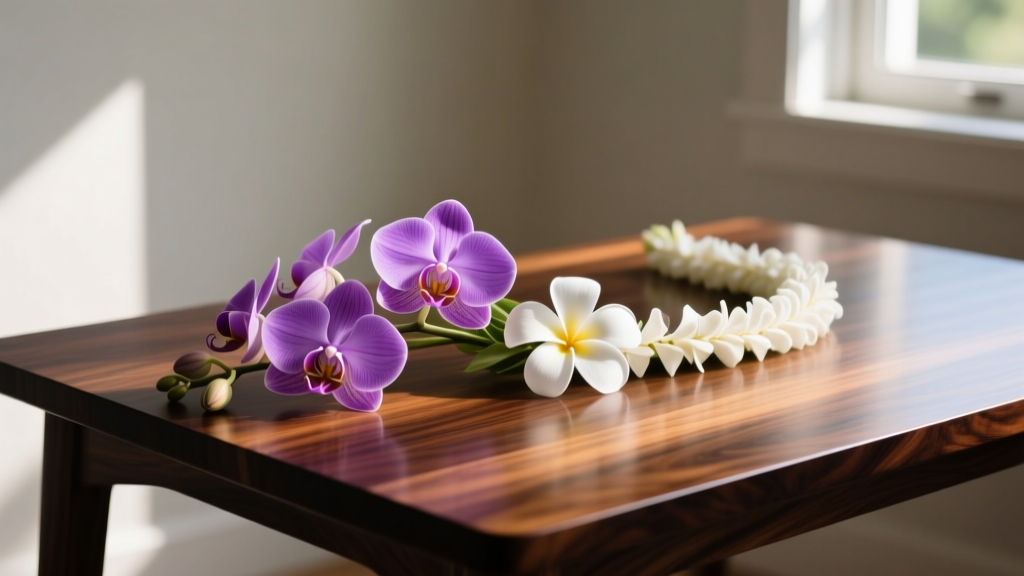
When travelers, collectors, and jewelry enthusiasts first encounter the rich floral traditions of the islands, a common question arises: what is a hawaiian flower necklace called? The most direct answer is a lei (specifically a lei ʻaʻi when worn around the neck). However, as the appreciation for Hawaiian culture has merged with fine jewelry markets, the term now encompasses everything from ephemeral fresh orchid garlands to permanent 14k gold plumeria pendants.
As of 2026, evaluating the budget and true value of a Hawaiian flower necklace requires a nuanced understanding of material grades, cultural significance, and market markups. Whether you are budgeting for an authentic Niʻihau shell lei or assessing the gold weight of a hibiscus pendant, this comprehensive value assessment guide will help you make an informed, financially sound purchase.
The Short Answer: What Is a Hawaiian Flower Necklace Called?
In the Hawaiian language, a lei is any garland or wreath. When referring specifically to a necklace-style lei worn around the neck, the precise term is lei ʻaʻi. If the floral arrangement is braided and worn as a crown or headpiece, it is called a haku or lei poʻo.
While fresh flowers like orchids, plumeria, and pikake are the most recognizable materials, traditional Hawaiian necklaces are also crafted from seeds, leaves, and shells. In the realm of fine jewelry, the 'Hawaiian flower necklace' translates into precious metal pendants featuring iconic island flora—most notably the plumeria (melia), hibiscus (pua aloalo), and orchid. Understanding the distinction between a cultural artifact (a fresh or shell lei) and a commercial jewelry piece is the first step in accurately assessing value and budgeting accordingly.
Fresh, Shell, and Seed Leis: Budgeting for Authentic Wearables
Before investing in precious metals, it is vital to understand the baseline economy of traditional Hawaiian necklaces. According to the Hawaii Tourism Authority, the gifting of a lei is a profound cultural exchange, but the commercial pricing varies wildly based on material scarcity and labor intensity.
| Lei Type | Material | Average Price Range | Lifespan | Value Retention |
|---|---|---|---|---|
| Fresh Orchid | Dendrobium Flowers | $15 - $35 | 1 - 2 Days | None (Experiential) |
| Kukui Nut | Polished Candlenut | $15 - $45 | Decades | Low |
| Maile Leaf | Native Vine Leaves | $25 - $60 | 1 - 2 Weeks (Dried) | Low |
| Niʻihau Shell | Micro-Shell | $150 - $10,000+ | Generations | High (Investment) |
The Investment Grade: Niʻihau Shell Leis
If you are looking for a Hawaiian flower necklace alternative that holds tangible financial value, the Niʻihau shell lei is the pinnacle of island jewelry. Sourced exclusively from the shores of the restricted island of Niʻihau, these micro-shells are graded similarly to gemstones. The Bernice Pauahi Bishop Museum notes that authentic Niʻihau shell work is a protected cultural art form.
- Momi: Pearlescent white shells, highly prized for their uniformity. Expect to pay $800 to $3,000 for a multi-strand piece.
- Kahelelania: Delicate, rice-grain-sized shells in soft pastels. These require immense labor to string, pushing prices between $2,000 and $8,000.
- Pupukahele: Rare, deep golden or brown shells. A flawless, multi-strand pupukahele lei can easily exceed $10,000 at auction.
Budget Tip: Never purchase a Niʻihau shell lei from a generic tourist kiosk. Authentic pieces must come with a certificate of origin and a notarized affidavit from the artisan, as counterfeit shell necklaces imported from the Philippines frequently flood the market.
Fine Jewelry Hawaiian Flower Pendants: Material Grades & Pricing
For those seeking a permanent interpretation of the lei ʻaʻi, fine jewelry Hawaiian flower pendants are a staple. However, the retail markup on island-inspired jewelry can be severe if you do not understand material grades and gold weight metrics.
Plumeria (Melia) Pendants
The plumeria is the most commercialized Hawaiian flower motif. When assessing value, look past the aesthetic and calculate the gold-to-retail ratio.
- Sterling Silver (925): Typically priced between $45 and $120. Ensure the piece is rhodium-plated to prevent rapid oxidation in humid climates. Value is purely aesthetic; silver holds no resale premium.
- 10k Gold: Priced around $180 - $250. While technically gold, 10k (41.7% purity) is prone to tarnishing and lacks the rich luster of higher karats. Not recommended for heirloom value.
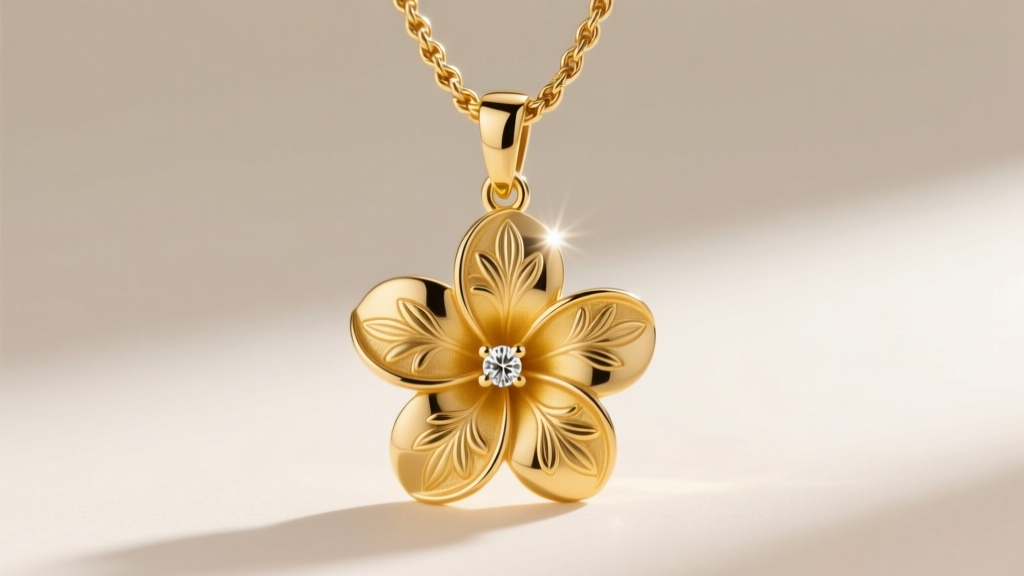
- 14k Gold: The industry standard for durability and color. A standard 1-inch 14k yellow gold plumeria pendant weighs approximately 2.5 to 3.5 grams. With 2026 gold spot prices hovering near all-time highs, expect a fair retail price of $350 to $550. Anything above $700 for a basic, un-stoned 14k plumeria indicates a heavy 'tourist tax' markup.
Hibiscus and Orchid Designs with Gemstones
When Hawaiian flower necklaces incorporate diamonds or colored gemstones (like blue topaz or amethyst to mimic tropical waters), the valuation shifts. A 14k white gold hibiscus pendant featuring 0.10 ctw of melee diamonds should retail between $600 and $850. Beware of pieces using 'diamond chips' or single-cut melee, which lack brilliance and significantly lower the secondary market value. Always demand a loupe inspection to verify that prong settings are used for the center stones, rather than cheap bezel or glued settings common in mass-produced souvenir shops.
Value Assessment Framework: How to Avoid Tourist Trap Markups
To ensure your budget is allocated toward genuine quality rather than aggressive retail markups, apply this 4-step assessment framework before purchasing any Hawaiian flower necklace or pendant:
- Verify the Hallmark and Maker's Mark: Authentic fine jewelry will feature a '14k', '18k', or '925' stamp alongside a registered maker's mark. Unstamped pieces sold in high-traffic areas like Waikiki are often gold-plated brass.
- Calculate the Melt Value Ratio: For gold pendants, ask the jeweler for the exact gram weight. Multiply the gram weight by the current daily spot price of 14k gold. A fair retail multiplier for a well-crafted Hawaiian pendant is 2.5x to 4x the melt value. If the retailer is charging 10x the melt value, walk away.
- Assess the Bail and Chain Quality: A high-value pendant should be paired with a solid chain (like a 1.5mm rope or box chain), not a hollow, machine-made snake chain that will kink and break under the weight of a solid gold flower.
- Check for Hand-Engraving vs. Cast Detail: Premium Hawaiian jewelry features hand-engraved petal veins and matte-finished centers to create contrast. Mass-produced cast pieces look flat, overly shiny, and lack dimensional depth.
Care and Longevity: Maximizing Your Investment
The true value of a necklace is intrinsically tied to its longevity. Hawaiian environments—characterized by high humidity, salt air, and intense UV exposure—can rapidly degrade poorly maintained jewelry.
'A fine gold plumeria pendant is an heirloom, but only if protected from the harsh chemical sunscreens and chlorinated pools that strip rhodium plating and dull high-polish gold finishes.' - Master Jeweler Assessment, 2026
For sterling silver Hawaiian pendants, store them in anti-tarnish cloth pouches with silica gel packets when not in use. For fresh and seed leis, lightly misting kukui nut or maile leaf leis with purified water and storing them in a crisper drawer can extend their life by several weeks. Niʻihau shell leis should never be submerged in water or exposed to commercial jewelry cleaners; instead, gently wipe them with a soft, dry microfiber cloth to preserve the natural oils and luster of the micro-shells.
Final Verdict: Which Hawaiian Necklace Offers the Best Value?
If your goal is pure cultural immersion and a memorable experience, the $25 fresh orchid lei ʻaʻi offers unmatched emotional value. For collectors seeking an appreciating asset, a multi-strand Niʻihau shell lei remains the ultimate investment, provided you have the budget and the verification documentation. However, for everyday wear and long-term financial retention, a solid 14k gold plumeria or hibiscus pendant—purchased based on gram weight rather than brand markup—represents the most balanced intersection of island beauty, durability, and intrinsic value.


