How to Tie, Size, and Style Your Hawaiian Hook Necklace
Learn how to properly tie, adjust, and care for your Hawaiian hook necklace. Step-by-step knotting guide and material tips for authentic makau pendants.

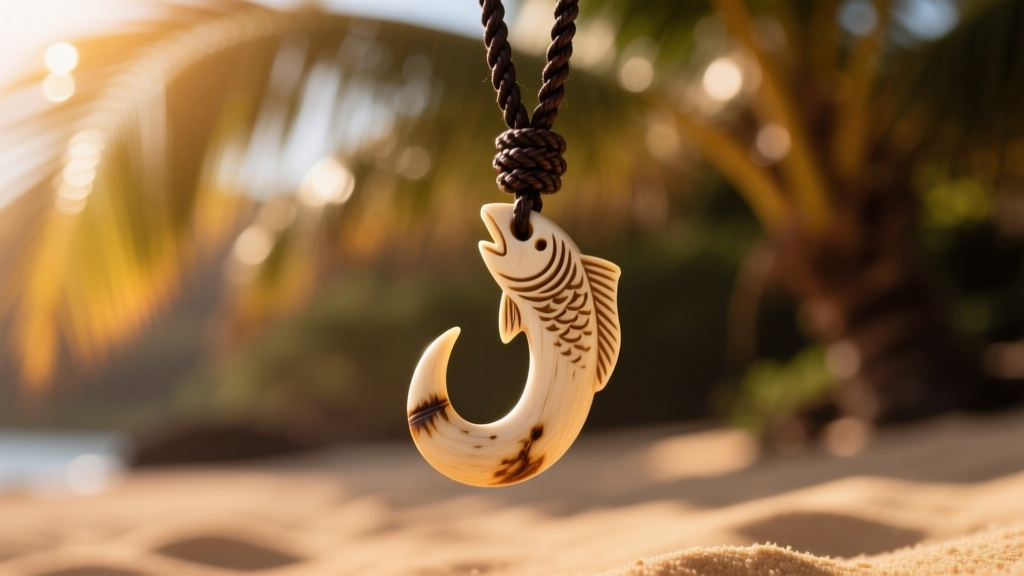
The Cultural Significance of the Makau
The Hawaiian fish hook, traditionally known as the Makau, is far more than a striking piece of jewelry. In ancient Polynesian culture, the fish hook represented safe passage over water, immense strength, and prosperity. For early Hawaiians, the ocean was both a provider and a formidable force; the hook was a talisman of survival and respect for the sea. Today, wearing a Hawaiian hook necklace serves as a nod to this rich maritime heritage. However, many buyers receive their pendants on generic, pre-tied cords that either sit too high on the collarbone or fail to secure the heavy carving properly. This guide provides a masterclass in selecting the right cord, tying an adjustable sliding knot, and maintaining the integrity of organic and metal materials.
Choosing the Right Material for Your Pendant
Before you string your necklace, you must understand the material of your Makau. The physical properties of the hook dictate the thickness of the cord you should use and the long-term care required. By 2026, strict CITES regulations and ethical sourcing standards have shifted the market away from endangered materials, making authentic, ethically sourced alternatives more important than ever.
| Material | Durability & Weight | Ideal Cord Type | Price Range (USD) |
|---|---|---|---|
| Bovine / Buffalo Bone | High durability, heavy, porous. Ethically sourced alternative to whale bone. | 1.5mm Braided Nylon | $45 - $150 |
| Acacia Koa Wood | Lightweight, chatoyant grain. Susceptible to water damage and cracking. | 1.0mm Waxed Cotton | $60 - $220 |
| 14k / 18k Solid Gold | Heavy, malleable, non-porous. Requires a sturdy bail to prevent bending. | 2.0mm Leather or Chain | $800 - $3,000+ |
| New Zealand Jade (Pounamu) | Extremely heavy, brittle upon hard impact. Needs a reinforced top hole. | 1.5mm Braided Nylon | $120 - $400 |
Expert Note on Bone Sourcing: The Marine Mammal Protection Act strictly prohibits the sale of modern whale bone across state lines in the US. Always verify that bone carvings are sourced from fossilized remains or ethically harvested bovine/buffalo stock. Reputable artisans will provide a certificate of material origin.
Step-by-Step: Tying the Adjustable Sliding Knot
The most functional and traditional way to wear a Hawaiian hook necklace is on an adjustable cord. This allows you to change the drop length depending on your neckline. We recommend using a 1.5mm braided nylon cord or waxed polyester cord—avoid cheap cotton, which rots when exposed to sweat and ocean water.
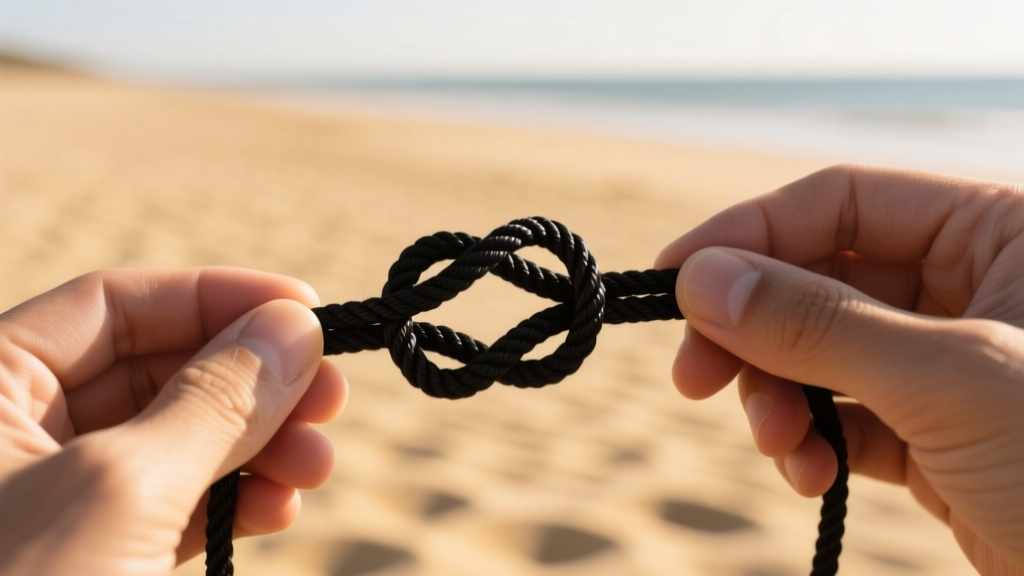
Step 1: Prepare the Core Cord
Cut a piece of cord approximately 38 inches long. Fold it in half to find the center. Thread the two loose ends through the bail (the hole at the top of the fish hook) from the front to the back. Pull the cord through until the center loop rests snugly against the top of the hook.
Step 2: Measure Your Desired Drop
Place the necklace around your neck. Slide the hook down to your desired resting point—typically the lower sternum for a traditional look, or the upper chest for a modern, layered aesthetic. Pinch the two cord ends together at the nape of your neck where you want the knot to sit.
Step 3: Create the Sliding Square Knot
To make the adjustable mechanism, you need a separate piece of cord (about 12 inches long) to act as the "knotting cord."
- Wrap: Place the 12-inch cord horizontally behind the two main necklace cords.
- Left Over Right: Take the left end of the knotting cord, pass it over the main cords, and tuck it under the right end of the knotting cord.
- Right Over Left: Now take the right end, pass it over the main cords, and thread it through the loop created on the left side.
- Pull Tight: Gently pull both ends of the knotting cord outward to tighten the first half of the square knot.
- Repeat: Reverse the process (Right over Left, then Left over Right) to complete the full square knot. Repeat this 4 to 6 times to create a sturdy, barrel-like knot that will grip the main cords tightly but still allow them to slide when pulled with force.
Step 4: Secure and Finish
Trim the excess knotting cord, leaving about 2mm of tail. Use a lighter to carefully melt the ends of the nylon or polyester cord, pressing them flat against the knot with the side of the lighter flame (do not let the flame touch the cord directly). This prevents fraying and locks the knot in place.
Sizing and Drop Length Guide
Where should a Hawaiian hook necklace sit on the chest? The answer depends on the size of the Makau and the occasion. According to cultural historians at the Bishop Museum, traditional adornments were often worn longer, resting near the solar plexus, to keep the heavy bone or stone pendants from swinging violently during physical activity or voyaging.
- 16 to 18 Inches (Collarbone): Best for small, delicate gold or silver hooks (under 1.5 inches). Ideal for layering with other chains or wearing with open-collar linen shirts.
- 20 to 24 Inches (Upper Chest / Sternum): The sweet spot for medium-sized bone or wood carvings (2 to 3 inches). This length draws the eye downward and works perfectly over a standard crew-neck t-shirt.
- 26 to 30 Inches (Solar Plexus): Reserved for large, heavy statement pieces (over 3.5 inches). Worn traditionally by fishermen and navigators, this length keeps the heavy pendant anchored and prevents it from catching on equipment.
Long-Term Care and Maintenance
Despite the oceanic theme of the fish hook, not all materials are meant to be submerged in saltwater. Improper care is the leading cause of cracked wood and degraded bone.
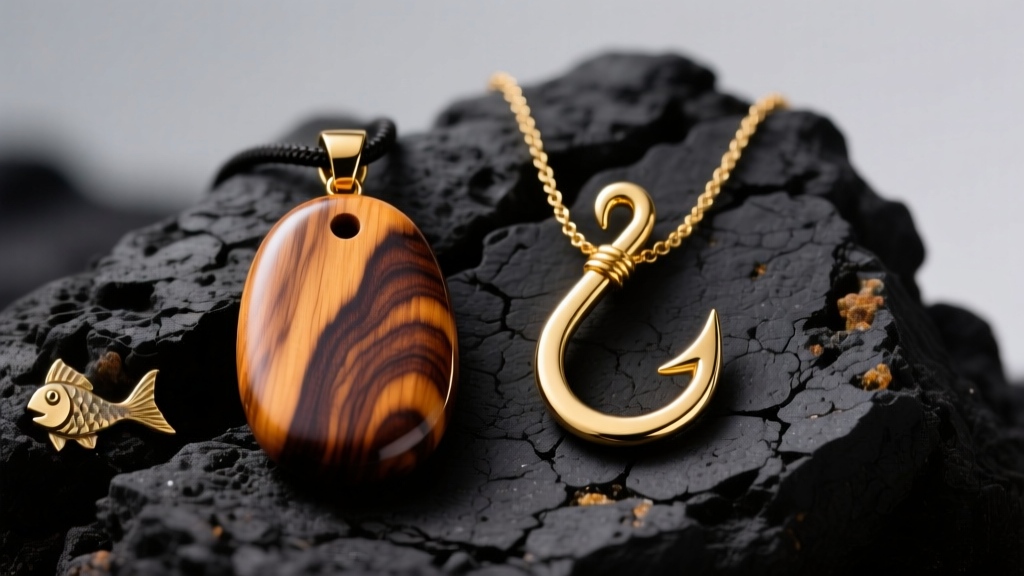
Caring for Organic Materials (Bone and Wood)
Acacia Koa wood and carved bone are highly porous. While a quick splash in the ocean won't destroy them, prolonged exposure to saltwater will draw the natural moisture out of the wood, leading to micro-fractures.
- Hydration: Once a month, rub a single drop of food-grade mineral oil or specialized wood wax into the Koa pendant using a microfiber cloth. This maintains the chatoyancy (the 3D wave effect in the grain).
- Bone Whitening: If your bovine bone hook begins to yellow from skin oils, you can gently buff it with a paste made of baking soda and water. Avoid bleach, which compromises the structural integrity of the calcium matrix.
Caring for Precious Metals
Gold and silver fish hooks require minimal maintenance but are prone to scratching. Because 14k and 18k gold are relatively soft alloys, storing your metal Makau in a soft pouch away from diamond or sapphire jewelry is critical. For a comprehensive guide on Hawaiian cultural artifacts and their preservation, the Hawaii Tourism Authority's cultural resources offer excellent insights into respecting and maintaining island heritage items.
Styling the Hawaiian Hook Necklace
The versatility of the Hawaiian hook necklace makes it a staple in both casual and semi-formal wardrobes.
- The Surfer Casual: Pair a weathered, matte-finish bone hook on a dark brown cord with a faded graphic tee and board shorts. The adjustable knot allows you to shorten the necklace so it doesn't dangle into the wax when you're surfing.
- The Resort Evening: Elevate a polished Koa wood or 14k gold hook by wearing it over a lightweight, unbuttoned camp-collar shirt. The dark wood tones contrast beautifully with crisp white or pastel linen.
- The Layered Approach: Use a small (1-inch) gold fish hook on a delicate 18-inch chain, and layer it above a simple 20-inch silver rope chain. This creates a textured, modern look that nods to maritime roots without looking like a costume.
Mastering the adjustable knot and understanding the specific needs of your pendant's material ensures that your Hawaiian hook necklace remains a lifelong talisman. Whether carved from ancient bone or cast in solid gold, the Makau is a testament to resilience, respect for nature, and the enduring spirit of the islands.


