Is a Hawaiian Necklace With Flowers Worth the Price in 2026?
Discover the true value of a Hawaiian necklace with flowers in 2026. We analyze materials, pricing tiers, and failure modes to protect your budget.

The True Cost of Island Floral Jewelry
When you begin searching for a hawaiian necklace with flowers, the market immediately presents a jarring price disparity. You will find everything from $14 mass-produced airport souvenirs to $15,000 heirloom-quality botanical pendants and shell leis. As a jewelry buyer in 2026, navigating this spectrum requires more than just an eye for aesthetics; it demands a rigorous understanding of material science, metallurgy, and organic preservation techniques. The floral motifs of Hawaii—specifically the plumeria (melia), hibiscus (pua aloalo), and orchid—carry deep cultural significance, representing hospitality, delicate beauty, and aloha. However, the jewelry industry's translation of these motifs varies wildly in quality and value.
In this comprehensive budget and value assessment, we deconstruct the three primary tiers of Hawaiian floral necklaces. We will examine the exact materials used, the inevitable failure modes of cheap alternatives, and the specific hallmarks that justify premium pricing. Whether you are seeking a durable everyday piece or an investment-grade heirloom, understanding where your money actually goes is the first step toward making a sound purchase.
Tier 1: Mass-Produced Resin and Base Metals (The Tourist Trap)
The lowest tier of the market is saturated with necklaces manufactured overseas and shipped to tourist hubs. These pieces typically feature a zinc alloy (Zamak) or brass base that is flash-plated with a microscopic layer of gold or rhodium. The floral elements are either molded from cheap polyurethane or feature low-grade, UV-cured resin meant to mimic the look of preserved botanicals.
Material Reality and Failure Modes
The primary issue with Tier 1 necklaces is their rapid degradation in humid, coastal environments. According to the Federal Trade Commission Jewelry Guides, gold plating must meet specific thickness requirements to be labeled as such, yet many tourist pieces bypass these regulations. When the thin flash plating wears off—often within three to six months of contact with sweat and sunscreen—the underlying brass or zinc reacts with oxygen and salt, resulting in severe pitting, green skin discoloration, and structural weakening of the jump rings. Furthermore, cheap UV resin is highly susceptible to photo-degradation. Under Hawaii's intense UV index, these resins will yellow, become brittle, and delaminate from their metal bezels within a single season.
Tier 2: Artisan Preserved Botanicals and Enamel
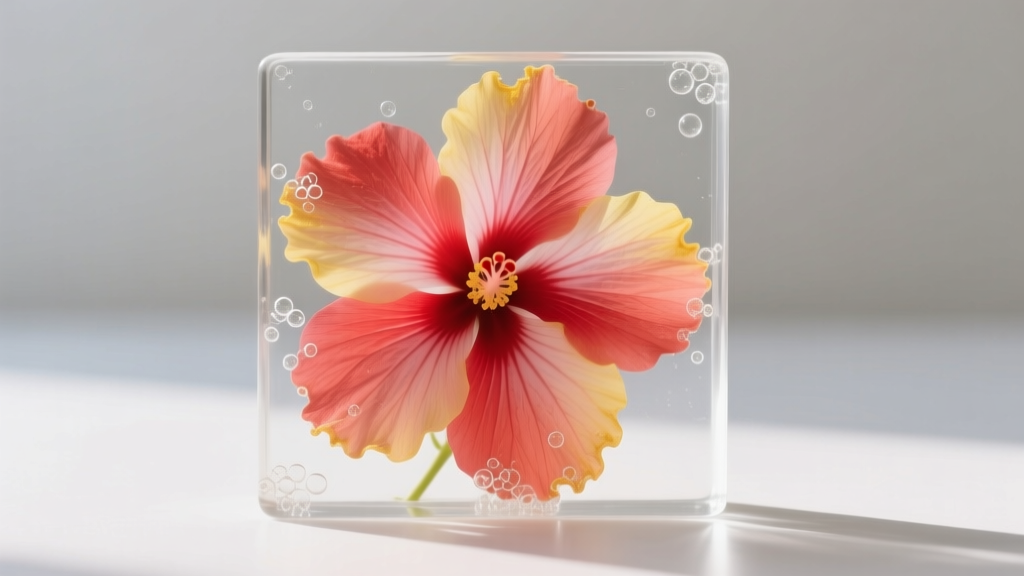
Stepping up in value, Tier 2 represents the work of local artisans and specialized botanical jewelers. These necklaces feature actual, organically grown Hawaiian flowers that have been carefully preserved. The preservation process is critical: high-quality makers use a multi-step freeze-drying and silica desiccation process to draw out moisture without collapsing the cellular structure of the petals.
The Chemistry of High-Grade Encapsulation
Once dried, the flowers are encapsulated in jeweler's-grade, optically clear epoxy resin, not cheap UV resin. Epoxy cures slowly through a chemical reaction with a hardener, resulting in a dense, glass-like finish that resists yellowing for decades. The metalwork in this tier is typically 925 sterling silver or solid 14k gold, ensuring that the bezel and chain will not corrode. Priced between $120 and $450 in 2026, these pieces offer excellent value for buyers who want authentic organic matter without the astronomical cost of heirloom shells or high-karat gold. However, buyers must still inspect the resin for micro-bubbles and ensure the pendant is sealed with a UV-inhibiting topcoat to protect the organic pigments from fading.
Tier 3: Heirloom Gold and Ni'ihau Shell Floral Leis
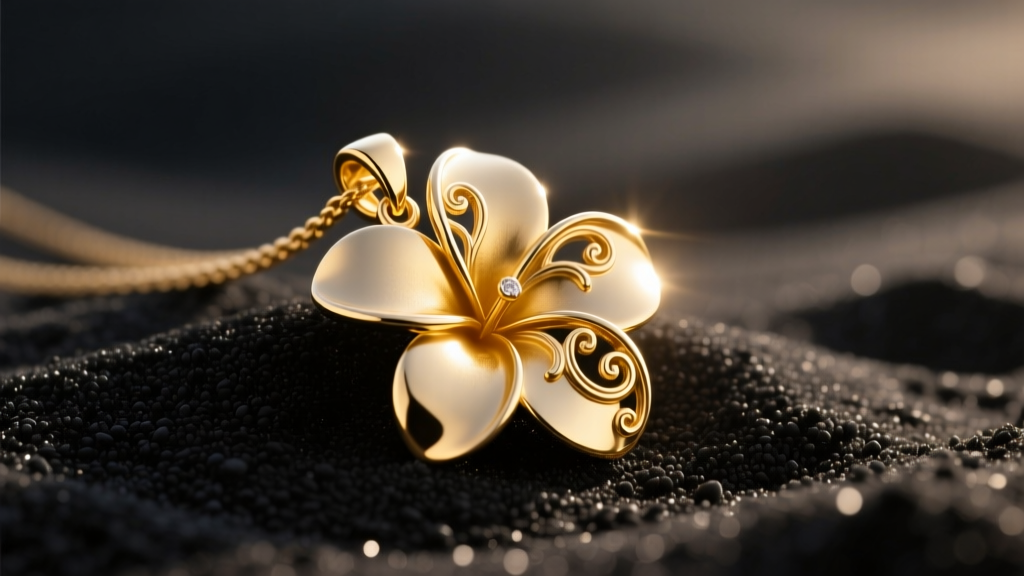
The apex of Hawaiian floral jewelry lies in two distinct categories: traditional 14k/18k gold cut-out pendants and authentic Ni'ihau shell leis. Gold Hawaiian jewelry, often featuring intricate scrollwork and floral cut-outs, is typically crafted using the lost-wax casting method. The value here is intrinsic, tied directly to the daily spot price of gold and the master craftsmanship required to execute the delicate filigree.
The Gem-Grade Standard of Ni'ihau Shells
Conversely, the Ni'ihau shell lei is the only shell jewelry recognized as a precious gemstone by major gemological authorities. As outlined by the Gemological Institute of America (GIA), these shells are harvested exclusively from the shores of Ni'ihau and are graded on size, color, and flawlessness. The three primary shells used are the tiny, rare Kahelelani, the medium, color-varied Momi, and the white, rice-like Laiki. Artisans string these microscopic shells into intricate, multi-strand floral patterns, sometimes incorporating carved cowrie shells or puka accents. A genuine, multi-strand Ni'ihau shell lei necklace commands prices ranging from $4,000 to over $25,000, functioning as both a wearable art piece and a generational asset.
2026 Pricing Matrix: What You Should Actually Pay
To protect your budget, use this matrix to evaluate whether a seller's asking price aligns with the material reality of the piece. Overpaying for base metals disguised as artisan work is the most common mistake buyers make in this category.
| Category | Primary Materials | Floral Motif Execution | 2026 Fair Price Range | Value Verdict |
|---|---|---|---|---|
| Mass-Market | Zamak/Brass, UV Resin, Plastic | Molded or cheap resin cast | $10 - $45 | Poor (Expect rapid tarnishing and yellowing) |
| Artisan Botanical | 925 Silver/14k Gold, Epoxy Resin | Real preserved plumeria/orchid | $120 - $450 | High (Excellent balance of authenticity and cost) |
| Heirloom Gold | Solid 14k or 18k Yellow Gold | Lost-wax cast floral cut-outs | $800 - $3,500+ | Excellent (Intrinsic metal value + cultural heritage) |
| Ni'ihau Shell Lei | Authentic Ni'ihau Shells, 14k Clasp | Multi-strand floral shell weaving | $4,000 - $25,000+ | Investment Grade (Appreciates over time) |
How to Authenticate Premium Hawaiian Floral Jewelry
When evaluating a high-ticket hawaiian necklace with flowers, visual inspection is not enough. You must look for specific hallmarks and ask pointed questions about the manufacturing process. For gold pieces, look for the '14K' or '18K' stamp, but also check for the maker's mark. Traditional Hawaiian jewelers often stamp their pieces with a specific trademark that can be verified through local guilds.

Verifying Organic and Shell Materials
For preserved botanical pieces, ask the seller about the resin type. If they cannot confirm the use of a UV-stabilized, two-part epoxy, walk away. For Ni'ihau shell leis, authentication is paramount. The Bishop Museum of Hawaii and local cultural trusts emphasize that true Ni'ihau shells have a distinct, porcelain-like luster and lack the chalky, porous texture of imitation shells harvested from other Pacific islands. Furthermore, a genuine lei will feature a 14k gold clasp and often comes with a certificate of authenticity detailing the specific shell types and the artisan's lineage.
Final Verdict: Maximizing Your Budget
The value of a Hawaiian floral necklace is entirely dependent on your intent. If you need a temporary, carefree accessory for a single vacation, a Tier 1 piece will suffice, provided you understand it is a disposable expense. However, for those seeking genuine value, Tier 2 artisan botanicals offer the best intersection of organic beauty, durability, and reasonable pricing. For serious collectors and those marking milestone life events, investing in Tier 3 heirloom gold or Ni'ihau shells provides unmatched cultural resonance and long-term financial retention. By prioritizing material integrity over superficial flash, you ensure that your island jewelry remains as enduring as the flowers that inspired it.


