Expert Care and Cleaning Guide for a Heart Initial Necklace
Learn expert cleaning, tarnish removal, and storage techniques to keep your personalized heart initial necklace shining brilliantly for years.

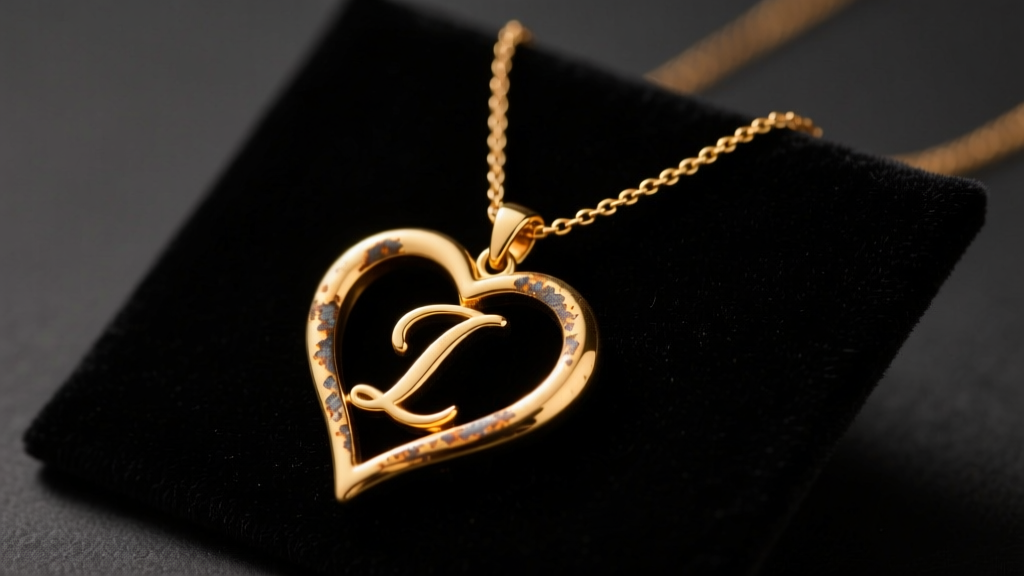
A personalized piece of jewelry like a heart initial necklace holds immense sentimental value, often representing a loved one, a child, or a personal milestone. However, the intricate cutouts of the letter, the delicate cable chains, and the constant exposure to skin oils make these specific pendants magnets for sebum, dead skin cells, and cosmetic residue. According to the Jewelers of America, regular, targeted maintenance is the single most effective way to prevent irreversible damage to fine jewelry. This comprehensive guide will walk you through the material science, deep-cleaning protocols, and mechanical maintenance required to keep your necklace in pristine condition.
Understanding Your Necklace Material Composition
Before applying any cleaning solution to your heart initial necklace, you must accurately identify its material composition. The wrong chemical reaction can strip plating, pit the surface, or permanently discolor the metal. Most initial pendants fall into one of three categories: sterling silver, gold vermeil, or solid gold.
- Sterling Silver (925): Composed of 92.5% pure silver and 7.5% copper. The copper provides structural integrity but is highly reactive to sulfur and moisture, leading to silver sulfide (tarnish).
- Gold Vermeil: A base of sterling silver heavily plated with at least 2.5 microns of 10k, 14k, or 18k gold. Vermeil requires extreme caution; aggressive polishing will permanently strip the gold layer, exposing the silver beneath.
- Solid Gold (14k/18k): Highly resistant to tarnish and corrosion. 14k gold (58.5% pure gold) is more durable for daily wear, while 18k (75% pure gold) offers a richer color but scratches more easily.
| Material | Primary Vulnerability | Safe Cleaning Agents | Agents to Avoid |
|---|---|---|---|
| Sterling Silver (925) | Oxidation & Sulfur Tarnish | Mild dish soap, specialized silver dip | Bleach, toothpaste, baking soda |
| Gold Vermeil | Plating degradation | Lukewarm water, phosphate-free soap | Polishing cloths, ultrasonic cleaners |
| Solid 14k/18k Gold | Surface scratching | Ammonia-free jewelry cleaner, mild soap | Abrasive powders, stiff brushes |
The 5-Step Deep Cleaning Protocol
For routine maintenance and the removal of daily grime, a gentle aqueous cleaning method is the safest approach across all metal types. This method focuses on lifting debris from the tight corners of the initial letter without stressing the delicate prongs or jump rings.
Step 1: The Distilled Water Soak
Fill a small glass bowl with distilled water. Avoid tap water, as the chlorine and dissolved minerals can leave microscopic spots on high-polish finishes. Add exactly two drops of a phosphate-free, ultra-mild dish detergent (such as Dawn). Submerge the heart initial necklace and let it soak for no more than 5 minutes. Prolonged soaking can weaken the adhesive if your pendant features any micro-pave gemstone accents.
Step 2: Agitating the Initial Crevices
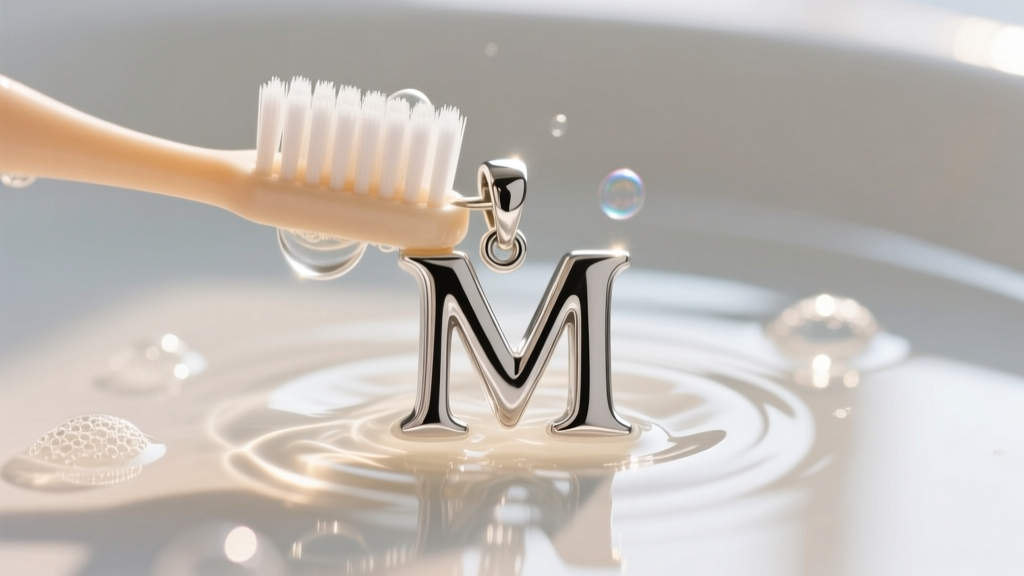
The most challenging part of cleaning a heart initial necklace is the interior cutout of the letter. Use a brand-new, ultra-soft baby toothbrush or a #0000 detailing brush. Gently agitate the soapy water into the corners of the initial. Never apply downward pressure; let the bristles do the work. Scrubbing too hard can bend thin metal components or scratch high-polish surfaces.
Step 3: The Distilled Rinse
Remove the necklace from the soapy bath and rinse it thoroughly under a slow stream of distilled water. Ensure all soap residue is flushed out of the chain links and the pendant bail.
Step 4: Microfiber Pat-Dry
Lay the necklace flat on a clean, lint-free microfiber cloth. Gently pat the metal dry. Do not rub the chain, as this can cause the delicate links to kink or snap.
Step 5: Air Displacement
Water trapped in the microscopic gaps of the chain or the initial cutouts will cause water spots or accelerate tarnishing. Use a hair dryer on the cool setting to blow the remaining moisture out of the crevices. Never use heat, as rapid thermal expansion can damage gemstone settings.
Tackling Silver Sulfide Tarnish Safely
If your sterling silver heart initial necklace has developed a yellow, brown, or black film, you are dealing with silver sulfide tarnish. This is a chemical reaction, not dirt, and requires a specific approach.
Expert Warning: Never use household baking soda and aluminum foil baths on jewelry with intentional oxidation (antiquing) or gemstones. The electrochemical reaction will strip the darkened detailing that gives your initial pendant its depth and contrast.
For safe tarnish removal, the GIA (Gemological Institute of America) recommends using a dedicated, chemically treated jewelry polishing cloth (such as a Sunshine cloth). These cloths are impregnated with micro-abrasives and anti-tarnish agents. Gently rub the cloth over the raised surfaces of the heart and the initial letter. Avoid pulling the cloth through the chain, as the micro-abrasives can wear down the links over time, and the cloth fibers can snag on the clasp.
Mechanical Maintenance: Chains, Jump Rings, and Clasps
The physical structure of a necklace is just as important as its surface shine. The most common failure point in a heart initial necklace is the soldered jump ring that connects the pendant to the chain, followed closely by the clasp mechanism.
- Inspect the Jump Ring: Once a month, use a jeweler's loupe or your smartphone's macro camera to inspect the jump ring holding the initial pendant. Look for a visible gap where the ring was soldered. If you see a gap, stop wearing the necklace immediately and take it to a jeweler for a quick laser weld.
- Lubricate the Clasp: Spring ring and lobster claw clasps contain a tiny internal spring that can seize up due to soap scum or oxidation. Place a microscopic drop of synthetic watch oil on the clasp hinge and work the lever back and forth to distribute it. Wipe away any excess oil with a cotton swab.
- Check for Chain Stretch: Hold the chain taut between your hands. If you notice any sections where the links are elongated or asymmetrical, the chain has suffered mechanical fatigue and requires professional repair before it snaps.
Long-Term Storage and Prevention Strategies
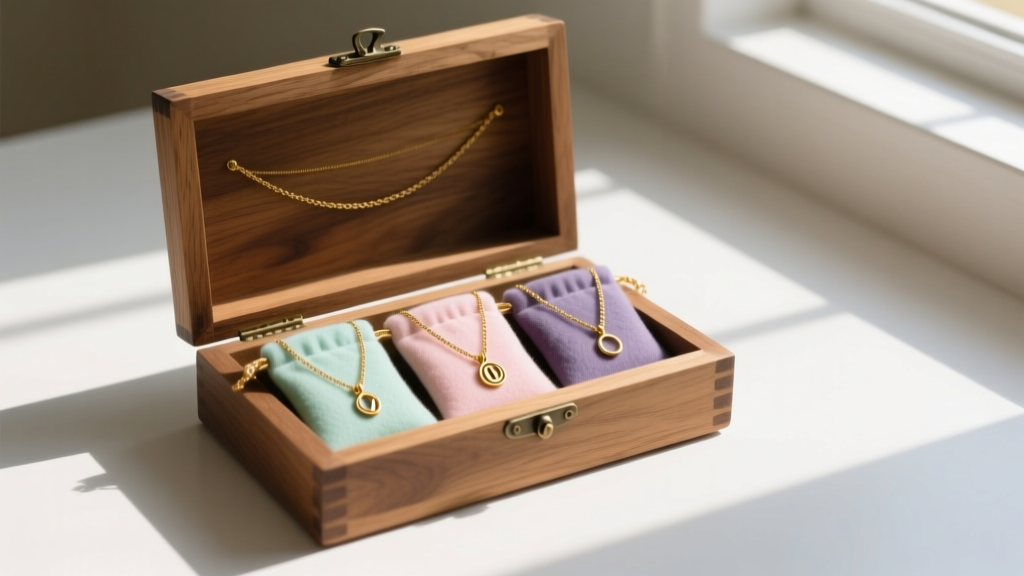
Proper storage is the ultimate defense against environmental degradation. Humidity, airborne sulfur, and friction are the enemies of fine jewelry. When you are not wearing your heart initial necklace, never toss it into a communal jewelry box where it can become entangled with harder gemstones like diamonds or sapphires, which will easily scratch the gold or silver.
Store the necklace in an individual, airtight polyethylene zip bag. Before sealing the bag, place a 3M anti-tarnish strip inside. These strips absorb sulfur compounds and moisture from the enclosed air, effectively halting the tarnishing process for up to 12 months. Keep the sealed bags in a cool, dark drawer away from direct sunlight and the high humidity of bathrooms. By combining meticulous cleaning habits with proactive storage, your personalized necklace will remain a brilliant, legible keepsake for generations.


