Heart of the Ocean Necklace Real Price: Appraisal Guide
Discover the heart of the ocean necklace real price with our step-by-step appraisal guide. Learn to evaluate sapphires, diamonds, and auction replicas.

The Myth vs. Reality: Defining the Piece
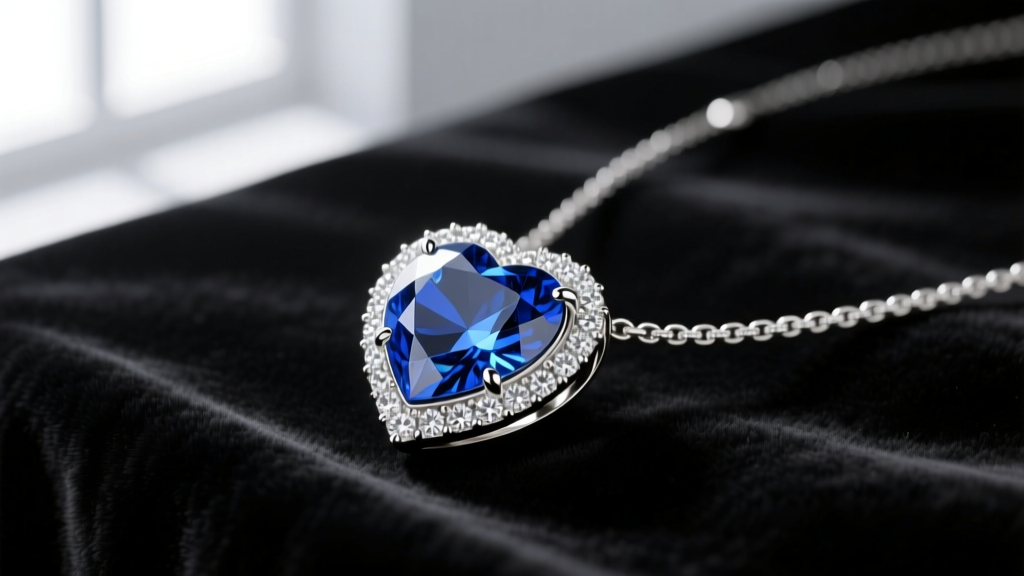
When collectors, estate liquidators, and jewelry enthusiasts search for the heart of the ocean necklace real price, they are often met with a tangled web of movie props, auction house legends, and mass-market replicas. The iconic piece from James Cameron’s 1997 film Titanic was never a single historical artifact; rather, it was a cinematic creation inspired by the infamous Hope Diamond. However, the jewelry world quickly materialized the fiction into reality, resulting in three distinct tiers of "Heart of the Ocean" necklaces: the original Asprey & Garrard movie prop, the Harry Winston red-carpet masterpiece, and the vast market of high-end and commercial replicas.
Determining the true market value of a Heart of the Ocean-style pendant requires a systematic gemological approach. Whether you are evaluating an estate find, considering a bespoke commission, or simply trying to understand the auction premiums attached to sapphire heart pendants, this step-by-step appraisal guide will help you uncover the real price based on material science, provenance, and current market metrics.
Step 1: Identify and Grade the Center Stone
The single largest variable in determining the heart of the ocean necklace real price is the identity and treatment status of the center stone. While the cinematic narrative suggested a rare blue diamond, the original prop created by London-based Asprey & Garrard actually featured a massive 170-carat Ceylon sapphire. Conversely, the piece worn by Celine Dion at the 1998 Academy Awards, crafted by Harry Winston High Jewelry Archives, featured a 15-carat heart-shaped blue diamond.
Evaluating Sapphires vs. Simulants
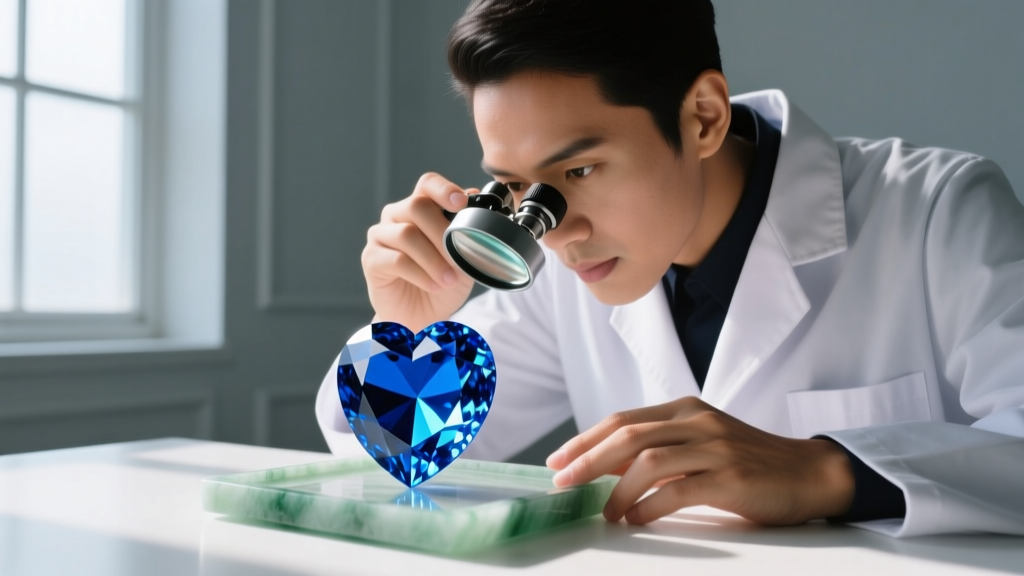
If you are appraising a sapphire heart pendant, you must first determine if the stone is natural, synthetic, or a simulant like tanzanite or blue spinel. Natural sapphires possess a refractive index of 1.76–1.78 and exhibit strong pleochroism (showing different colors when viewed from different crystal angles). According to the GIA Sapphire Encyclopedia, the most valuable sapphires exhibit a "Royal Blue" or "Cornflower Blue" saturation without the inky darkness that extinguishes brilliance.
- Unheated Natural Sapphires: Command the highest premium. An unheated, high-clarity Ceylon sapphire over 10 carats can fetch $10,000 to $30,000+ per carat at auction.
- Heat-Treated Sapphires: Standard in the industry to improve clarity and color. These trade at roughly 40% to 60% less than their unheated counterparts.
- Beryllium-Diffused Sapphires: Treated with light elements to artificially induce blue color. These have minimal resale value and are often sold in commercial replica markets for under $500 total.
- Tanzanite or Glass/CZ: Frequently used in budget replicas. Tanzanite is softer (Mohs 6-7) and highly pleochroic, while glass and cubic zirconia lack natural inclusions entirely.
Step 2: Assess the Diamond Halo and Metal Purity
The framing of the heart-shaped center stone drastically alters the appraisal value. The classic Heart of the Ocean design features a continuous halo and bail encrusted with white diamonds. To accurately price this component, a gemologist must evaluate the melee diamonds and the precious metal setting.
Diamond Melee Quality
High-end replicas and bespoke commissions typically utilize natural or high-grade lab-grown diamonds in the VS (Very Slightly Included) clarity range and G-H color range. If the melee diamonds are I1-I3 clarity with I-J color (showing visible carbon spots and yellow tints), the piece is a commercial-grade replica, capping its real price well below $2,000 regardless of the center stone.
Metal Hallmarks and Weight
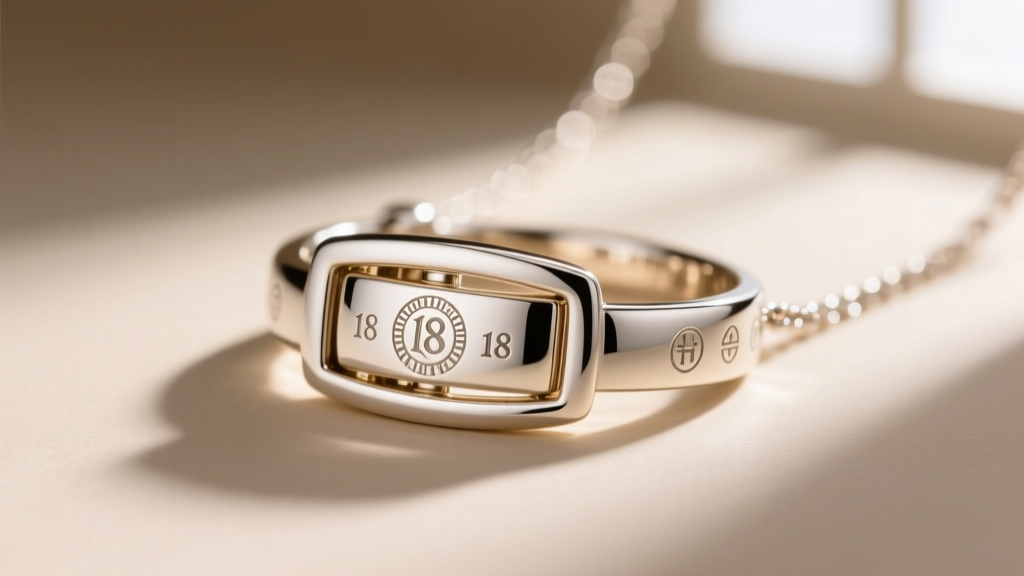
Check the clasp and the reverse side of the pendant bail for hallmarks. Authentic high-jewelry pieces will be stamped with PT950 (Platinum) or 750 / 18K (18-Karat White Gold). Platinum is denser and more expensive, often adding $1,500 to $3,000 to the raw material value of a heavy pendant setting compared to 18k white gold. Beware of pieces stamped 925 (Sterling Silver) with rhodium plating; these are fashion jewelry replicas and hold virtually no intrinsic gemological value.
Step 3: Consult the Appraisal Pricing Matrix
To synthesize your findings from Steps 1 and 2, use the following pricing matrix. This table reflects current 2026 market valuations for Heart of the Ocean-style pendants based on material composition and provenance.
| Tier / Classification | Center Stone | Metal & Melee | Estimated Real Price Range |
|---|---|---|---|
| Harry Winston Original (Celine Dion) | 15ct Fancy Blue Diamond | Platinum / White Diamonds | $20,000,000+ (Museum/Auction) |
| Asprey & Garrard Movie Prop | 170ct Ceylon Sapphire | 18k White Gold / Diamonds | $2,200,000+ (Historical Auction) |
| High-Jewelry Bespoke Replica | 10-20ct Unheated Sapphire | PT950 / VS-G Melee | $85,000 – $250,000 |
| Fine Jewelry Commercial Replica | 5-10ct Heated Sapphire | 18k White Gold / SI Melee | $8,000 – $25,000 |
| Luxury Fashion Replica | Lab Sapphire or Tanzanite | 14k White Gold / CZ Melee | $1,500 – $4,500 |
| Mass-Market Movie Merchandise | Crystal / Glass / CZ | Sterling Silver or Base Metal | $45 – $350 |
Step 4: Verify Provenance and Lab Documentation
If you are dealing with a piece in the "High-Jewelry" or "Fine Jewelry" tier, visual inspection is not enough. You must demand gemological laboratory reports. For colored stones, the American Gemological Laboratories (AGL) is the gold standard. An AGL Prestige Report will detail the stone's exact weight, dimensions, geographic origin (e.g., Ceylon/Sri Lanka, Madagascar), and crucially, any enhancement or treatment history.
Checking the Girdle and Maker's Marks
High-end jewelers often laser-inscribe the GIA or AGL report number directly onto the girdle of the center stone. Using a 20x jeweler's loupe or a digital microscope, locate this inscription. If the number matches the physical report, you have verified the stone's identity. Additionally, look for the maker's mark (a stamped symbol or initials indicating the manufacturing house) near the clasp. Pieces from recognized houses like Asprey, Harry Winston, or Cartier carry a 20% to 40% brand premium over unsigned bespoke pieces of identical material quality.
Step 5: Commissioning a Bespoke Replica (A Buyer's Guide)
For many collectors, the goal is not to purchase a multi-million dollar auction artifact, but to commission a high-fidelity, gemologically sound replica that captures the majesty of the original without the cinematic markup. If you are navigating the bespoke market to secure a fair "real price," follow these procurement rules:
- Demand Origin-Specific Sapphires: Specify that you want a natural, untreated or traditionally heated sapphire from Sri Lanka (Ceylon) or Kashmir. Avoid Madagascar sapphires if you want the exact velvety cornflower blue associated with the movie prop.
- Specify the Cut: The heart brilliant cut requires precise symmetry. The two lobes of the heart must be perfectly mirrored, and the cleft (the dip at the top) must be sharp and well-defined. Poorly cut hearts suffer from "bow-tie" extinction (dark shadows across the center).
- Insist on CAD Approval: Before the jeweler casts the 18k white gold or platinum setting, require a Computer-Aided Design (CAD) rendering to ensure the diamond halo is perfectly flush and the bale (the loop the chain passes through) is proportionate to the massive center stone.
Final Appraisal Thoughts
Ultimately, the heart of the ocean necklace real price is entirely dictated by its gemological DNA. A piece is only worth the sum of its verified materials and the prestige of its maker. By systematically evaluating the center stone's treatment history, scrutinizing the diamond melee, and demanding third-party lab reports from institutions like the GIA or AGL, you can confidently navigate the market. Whether you are holding a $150 silver-plated souvenir or a $150,000 unheated Ceylon sapphire masterpiece, the appraisal methodology remains the same: trust the science, verify the hallmarks, and let the gemstones speak for themselves.


