The Heart of the Ocean Necklace Replica: Material Guide
Explore our material guide to finding a premium the heart of the ocean necklace replica, comparing lab sapphires, CZ, and precious metals.

The Legacy and the Lore: Decoding the Iconic Blue Diamond
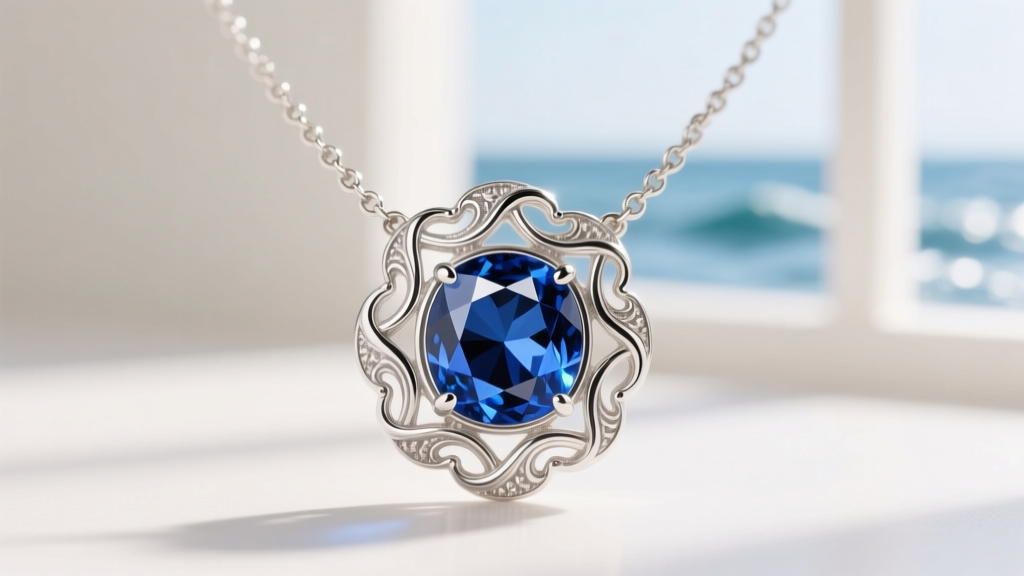
Since its cinematic debut in 1997, the Heart of the Ocean has remained one of the most recognizable pieces of jewelry in pop culture history. While the fictional lore described a massive blue diamond, the actual movie prop was crafted by London jeweler Asprey & Garrard using a blue sapphire surrounded by cubic zirconia. Later, Harry Winston created a genuine 15-carat blue diamond version valued at over $2 million. Today, in 2026, the market for the heart of the ocean necklace replica is vast, ranging from $15 novelty trinkets to $5,000 bespoke heirloom recreations. However, the true value and wearability of any replica depend entirely on its material composition. Understanding the optical physics of the center stone and the metallurgical integrity of the setting is crucial for collectors and enthusiasts who want a piece that looks authentic and withstands daily wear.
The Centerpiece: Simulant vs. Lab-Created Gemstones
The defining feature of this necklace is the deep, oceanic blue of the center stone. When shopping for a replica, you will primarily encounter three materials: Cubic Zirconia (CZ), Lab-Created Sapphire, and Glass/Resin. The optical and physical differences between these materials dictate how the necklace interacts with light and how it ages over time.
Cubic Zirconia (CZ): The High-Flash Budget Option
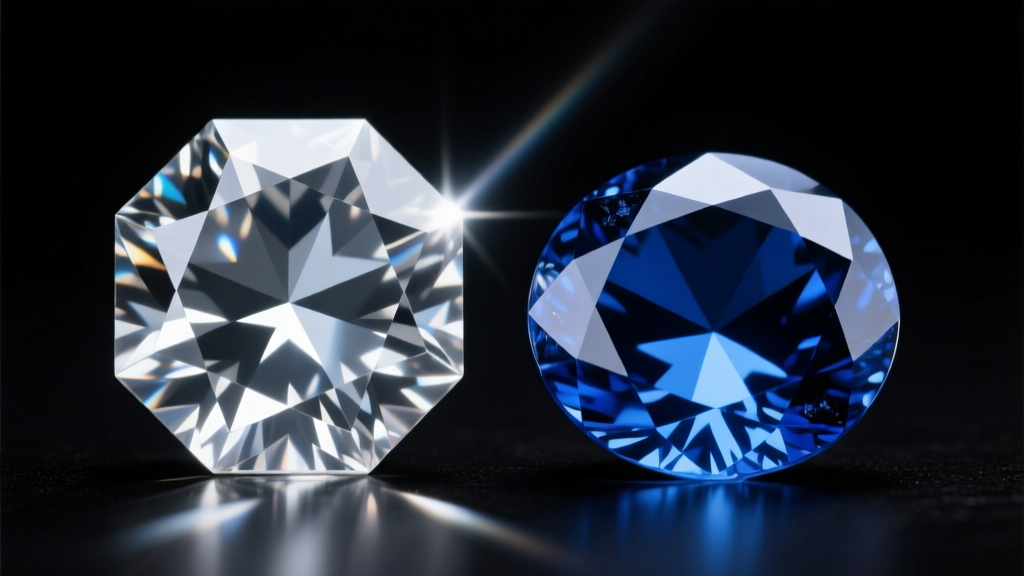
Cubic Zirconia is the most common material used in mid-tier replicas. With a Refractive Index (RI) of 2.15–2.18, CZ actually bends light more than a natural sapphire (RI 1.76–1.77). This results in exceptional "fire" and brilliance. However, CZ lacks the deep, velvety color saturation of corundum. Furthermore, CZ is oleophilic (attracts oils) and ranks at 8–8.5 on the Mohs scale. Over time, micro-scratches from daily wear and contact with skin oils and lotions will cause a CZ Heart of the Ocean replica to look cloudy and dull, requiring frequent ultrasonic cleaning to maintain its sparkle.
Lab-Created Sapphire: The Authentic Heirloom Choice
For a premium replica, lab-created sapphire (synthetic corundum) is the undisputed champion. Grown via the Verneuil (flame fusion) or Czochralski (pulling) process, these stones possess the exact same chemical composition (Al₂O₃) and physical properties as mined sapphires. According to the Gemological Institute of America (GIA), lab sapphires exhibit pleochroism—meaning they show slightly different shades of blue when viewed from different crystal angles, a visual depth that CZ and glass completely lack. Ranking at a 9 on the Mohs scale, a lab sapphire is virtually scratch-proof for everyday jewelry wear, ensuring the replica remains pristine for decades.
Glass and Lead Crystal: The Novelty Tier
Budget replicas often use molded glass or lead crystal. With a Mohs hardness of just 5–6 and an RI around 1.5, these stones lack internal faceted reflection. They appear flat, scratch easily against clothing, and are prone to chipping at the girdle where the prongs grip the stone.
| Material | Mohs Hardness | Refractive Index | Visual Depth | Long-Term Durability |
|---|---|---|---|---|
| Lab Sapphire | 9.0 | 1.76 - 1.77 | High (Pleochroic) | Excellent |
| Cubic Zirconia | 8.0 - 8.5 | 2.15 - 2.18 | Medium (High Fire) | Fair (Clouds over time) |
| Lead Crystal | 5.0 - 6.0 | 1.50 - 1.70 | Low (Flat) | Poor (Scratches/Chips) |
The Setting and Chain: Base Metals vs. Precious Alloys
The movie prop featured a white metal setting meant to mimic platinum. In the replica market, achieving this bright white finish requires specific metallurgical choices. The wrong metal will not only ruin the aesthetic but can also cause severe contact dermatitis.
The Hidden Dangers of Zinc Alloys and "Tibetan Silver"
Many inexpensive replicas are cast from zinc-copper alloys and plated with a microscopic flash of silver or rhodium. Once this plating wears off (often within weeks of contact with acidic sweat), the underlying copper oxidizes, turning the wearer's skin green. Furthermore, these alloys frequently contain nickel as a hardening agent. The Federal Trade Commission (FTC) strictly regulates jewelry metal markings, yet unregulated online marketplaces are flooded with mislabeled base-metal replicas that trigger severe nickel allergies.
Sterling Silver (925) and Rhodium Plating
The sweet spot for a high-quality, wearable replica is 925 Sterling Silver. However, bare sterling silver tarnishes and has a slightly warm, yellowish-gray undertone. To achieve the icy white look of the original movie prop, the silver must be plated with rhodium—a platinum-group metal. A high-quality replica will feature a rhodium plating thickness of at least 0.75 to 1.0 microns. This provides a durable, tarnish-resistant barrier that perfectly mimics platinum.
White Gold and Platinum: The Investment Tier
For those commissioning bespoke replicas, 14k or 18k white gold offers superior prong strength. White gold is alloyed with metals like palladium or nickel to achieve its color, and it is also rhodium-plated. Platinum (950/50) is the ultimate choice for heirloom replicas; it is naturally white, hypoallergenic, and develops a desirable patina over time rather than wearing away like rhodium plating.
Sizing, Proportions, and Structural Integrity
A common failure point in poorly designed replicas is the mismatch between the pendant's weight and the chain's gauge. The original cinematic pendant was massive, measuring approximately 50mm by 45mm. While modern replicas often scale this down to a more wearable 25mm x 22mm, the piece remains inherently top-heavy due to the dense halo of accent stones.
Chain Gauge and Bail Engineering
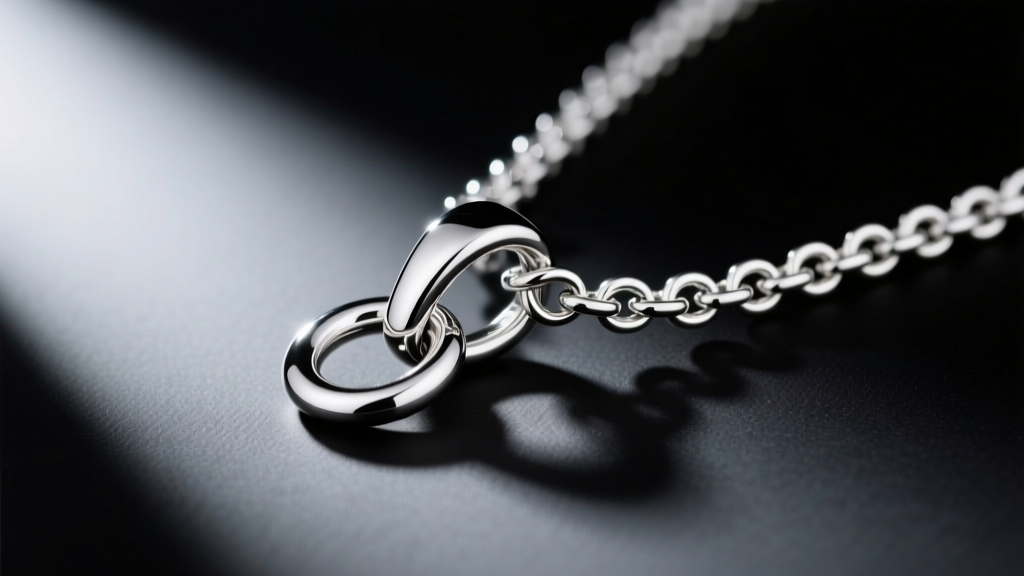
Never pair a heavy Heart of the Ocean pendant with a delicate 1.0mm cable chain. The constant friction and weight distribution will cause the chain links to stretch, kink, and eventually snap. For pendants weighing over 15 grams, you must select a chain with a minimum gauge of 2.0mm to 2.5mm. A Rolo chain or a Wheat chain is highly recommended due to their interlocking, multi-directional link structures, which distribute tension evenly. Additionally, ensure the pendant bail (the loop connecting the stone to the chain) is cast as a single solid piece of metal, rather than soldered on with a weak glue joint.
Proportion Tip: For a historically accurate look, the center stone should occupy at least 60% of the pendant's total surface area, with the surrounding diamond (or CZ/sapphire) halo comprising the remaining 40%. Replicas that make the halo too thick often look like generic cocktail pendants rather than the iconic cinematic piece.
How to Authenticate Material Claims When Buying
When investing in a premium lab-sapphire replica, sellers may use deceptive terminology. Here is how to verify what you are actually buying:
- The Thermal Conductivity Test: Jewelers use diamond testers to differentiate stones. While CZ registers as a diamond on basic thermal testers due to similar heat dispersion, lab sapphire will not. If a seller claims a stone is a "synthetic diamond" but it's blue, they are likely misrepresenting a CZ or a coated sapphire.
- The Dichroscope Test: Because lab sapphire is doubly refractive, looking through a dichroscope will reveal two slightly different shades of blue (pleochroism). CZ and glass are singly refractive and will only show one color.
- Metal Hallmarks: Inspect the back of the pendant bail for stamps. Look for "925" for sterling silver or "14K"/"18K" for gold. Avoid pieces stamped with "925" but lacking any rhodium finish, as they will tarnish rapidly against the skin. Be highly suspicious of stamps like "18KGP" (Gold Plated) on white metal, as this indicates a base metal core.
- Accent Stones: High-end replicas will use lab-grown white sapphires or melee diamonds for the halo. Budget replicas will glue in CZ. Check the setting: prong-set stones indicate quality metalwork, whereas stones set in black or clear epoxy resin indicate a cheap casting.
Final Verdict: Choosing Your Replica Tier
Ultimately, selecting the right the heart of the ocean necklace replica comes down to your intended use. If you need a piece for a single costume event or cosplay, a $50 CZ and silver-plated brass replica will suffice, provided you keep it away from moisture. However, for a piece of jewelry meant to be worn to galas, weddings, or as a permanent wardrobe staple, investing in a 925 sterling silver setting with a rhodium flash and a Verneuil lab-created sapphire is non-negotiable. This combination guarantees the deep, oceanic pleochroism of the original design, backed by the metallurgical durability required to keep the necklace sparkling for a lifetime.


