Heart Ocean Necklace Value Guide: Is It Worth The Price?
Discover if the heart ocean necklace is worth your budget. We break down material grades, pricing tiers, and how to spot quality ocean-themed pendants.

The Anatomy of the Heart Ocean Necklace Trend
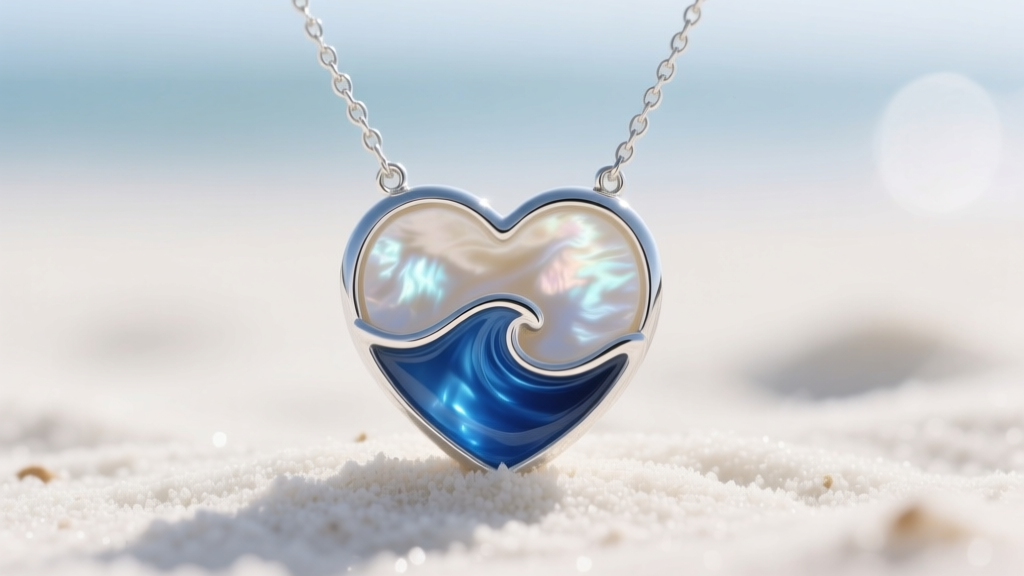
The "heart ocean necklace" has evolved from a fleeting social media trend into a staple of coastal-inspired jewelry collections. Characterized by a romantic heart silhouette that encapsulates oceanic elements—such as crashing blue resin waves, iridescent abalone shell inlays, or crushed sea glass—this pendant style bridges the gap between sentimental jewelry and nature-inspired aesthetics. However, as the trend has saturated the market, the price gap between a $20 dropshipped trinket and a $1,500 fine jewelry piece has left many consumers confused. Is the heart ocean necklace actually worth the investment, or are you simply paying for a viral aesthetic?
To conduct a proper budget and value assessment, we must look past the marketing imagery and evaluate the material science, structural integrity, and manufacturing standards that dictate a necklace's true lifespan. In this comprehensive guide, we dissect the exact materials used in these pendants, analyze pricing tiers, and provide a practical framework to ensure your coastal jewelry survives beyond a single summer season.
Material Breakdown: What Are You Actually Paying For?
The value of any heart ocean necklace is entirely dependent on how the "ocean" element is rendered and what metal houses it. The most common point of failure in budget jewelry is the degradation of the inlay material. Let us break down the three primary oceanic materials used in these pendants.
1. Abalone Shell vs. Mother of Pearl
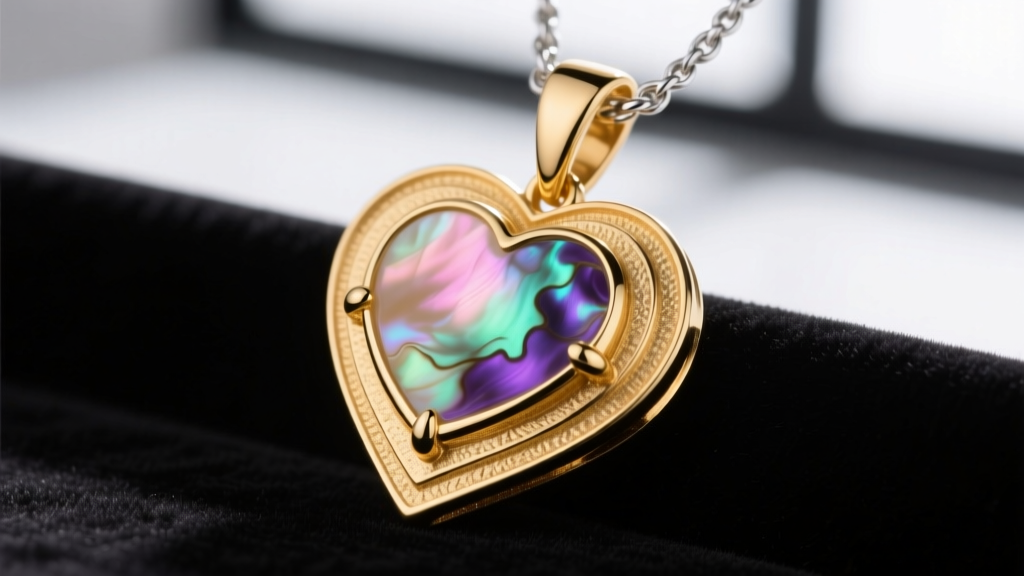
High-quality heart ocean necklaces frequently utilize abalone shell for its vibrant, multi-colored iridescence. According to the Gemological Institute of America (GIA), abalone is an organic gemstone with a Mohs hardness rating of just 2.5 to 4.0. This means it is exceptionally soft and highly susceptible to micro-scratches from everyday wear. A well-constructed abalone heart pendant will feature a flush bezel setting or a slightly recessed inlay to protect the shell's delicate surface. If you see an abalone heart pendant held in by high-profile prongs, avoid it; the shell will eventually chip or delaminate at the stress points.
2. Epoxy Resin and Enamel
To simulate the look of crashing ocean waves, many jewelers use epoxy resin or cold enamel poured over a metallic or mother-of-pearl base. While visually striking, standard epoxy resin is highly vulnerable to UV degradation. When exposed to direct sunlight over 6 to 12 months, the chemical bonds in cheap resins break down, causing the vibrant ocean blues to yellow and turn opaque. Premium brands mitigate this by using UV-stabilized polyurethane resins or vitreous (fired) enamel, which is essentially crushed glass fused to metal at high temperatures. Vitreous enamel will never yellow and boasts a Mohs hardness of around 6.0, making it a vastly superior, albeit more expensive, choice for the "ocean" inlay.
3. The Metal Setting: Decoding Plating Standards
The metal framing the ocean inlay dictates the necklace's structural longevity. The market is flooded with terms like "gold plated," "gold vermeil," and "gold filled," which are often used interchangeably by fast-fashion brands. However, the Federal Trade Commission (FTC) Jewelry Guides enforce strict definitions that directly impact value.
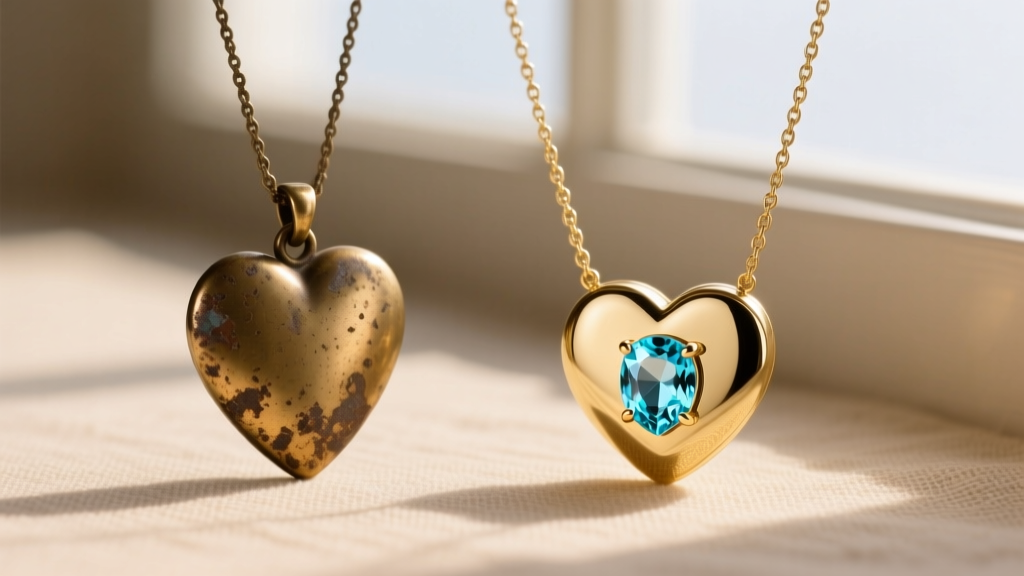
- Flash Plated (Brass Base): Often less than 0.1 microns of gold. The ocean pendant will tarnish and turn your skin green within weeks of contact with sweat and lotions.
- Gold Vermeil (Sterling Silver Base): The FTC mandates that vermeil must have a sterling silver base and a gold layer of at least 2.5 microns thick. This provides a solid foundation and a durable finish that can last years with proper care.
- Solid Gold (14k or 18k): The ultimate standard for heirloom value. Solid gold will not tarnish, making it the only safe choice if you plan to wear your heart ocean necklace in saltwater or chlorinated pools.
Budget Tiers: Price vs. Longevity Matrix
When assessing the value of a heart ocean necklace, it is crucial to align your budget with your expectations for longevity. Below is a structured matrix breaking down what you should expect at various price points in the current market.
| Price Tier | Typical Materials | Estimated Lifespan | Value Verdict |
|---|---|---|---|
| $15 - $45 (Fast Fashion) | Brass base, flash plating, standard epoxy resin, glued glass | 1 - 3 Months | Poor. High risk of allergic reactions, rapid tarnishing, and resin yellowing. |
| $80 - $180 (Mid-Tier Artisan) | 925 Sterling silver, 2.5-micron gold vermeil, UV-stable resin or abalone | 2 - 5 Years | Excellent. The sweet spot for trend-driven jewelry that offers genuine durability. |
| $400 - $1,200+ (Fine Jewelry) | Solid 14k/18k gold, vitreous enamel, genuine aquamarine or sapphire inlays | Lifetime / Heirloom | High Initial Cost, Ultimate Value. Impervious to water damage and daily wear. |
Common Failure Modes & How to Avoid Them
Even if you purchase a heart ocean necklace in the mid-tier or fine jewelry range, specific design flaws can compromise the piece. Understanding these failure modes will help you inspect a pendant before checkout.
Inlay Delamination
Many budget and mid-tier pendants use adhesive to secure sea glass or abalone into the heart frame. Over time, exposure to body heat, perfumes, and humidity degrades standard jewelry glues. When shopping, look for pendants where the ocean inlay is mechanically secured—either through a bezel setting where the metal is pushed over the edges of the stone, or a tension setting. If you can see a visible seam of dried glue around the resin or shell, the piece will eventually lose its stone.
Clasp and Chain Weaknesses
The pendant is only as secure as the chain holding it. Heart ocean necklaces, particularly those featuring heavy abalone or solid gemstone inlays, can weigh between 5 to 12 grams. Fast-fashion brands often pair heavy pendants with ultra-thin 0.8mm cable chains and weak spring-ring clasps. The spring ring will inevitably fail under the pendulum weight of a heavy heart pendant. Always opt for a necklace featuring a lobster clasp and a chain with soldered links, such as a 1.2mm rolo or box chain, to prevent catastrophic snapping.
Final Verdict: How to Maximize Your Investment
So, is the heart ocean necklace worth the price? The answer depends entirely on your material literacy. If you are buying a $30 resin and brass pendant expecting it to become a permanent fixture in your wardrobe, you will be disappointed. However, if you target the $90 to $180 range, seeking out 925 sterling silver bases, proper gold vermeil thickness, and mechanically set abalone or UV-stabilized enamel, the heart ocean necklace offers tremendous aesthetic value and respectable longevity.
For those seeking a true generational piece, investing in solid 14k gold with vitreous enamel or genuine aquamarine inlays transforms this trendy silhouette into a timeless heirloom. By prioritizing structural integrity and material science over viral marketing, you can secure a coastal-inspired pendant that captures the beauty of the ocean without falling victim to planned obsolescence.


