Finding the Oldest Necklace: A Buyer's Guide to Antique Jewelry
Discover how to find and authenticate the oldest necklace styles on the market. Our 2026 buyer's guide covers Georgian, Victorian, and ancient eras.

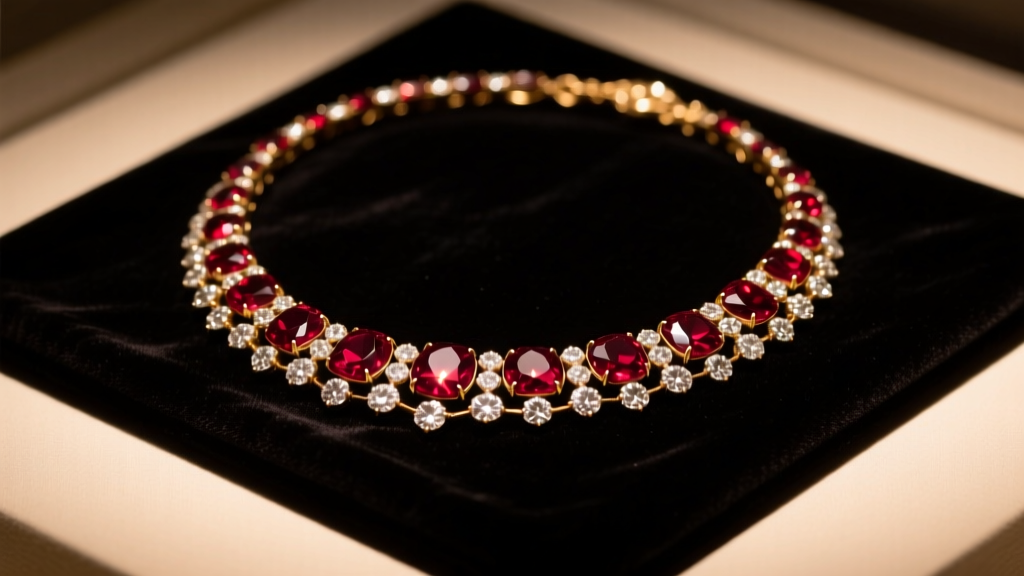
The Allure of Antiquity: Defining the Oldest Necklace
For serious collectors and vintage enthusiasts, the pursuit of the oldest necklace available on the open market is a thrilling intersection of history, artistry, and material science. However, navigating the antique jewelry market in 2026 requires far more than a cursory glance at a tarnished clasp. While archaeological artifacts like ancient Egyptian faience beads or Roman glass exist, the oldest wearable, structured necklaces that regularly circulate in the fine jewelry market typically date back to the Georgian era (1714–1837) or the early Victorian period (1837–1860). This comprehensive buying guide will equip you with the metallurgical knowledge, hardware identification skills, and condition-assessment frameworks necessary to confidently purchase genuine antique necklaces.
Decoding Eras: What Qualifies as the Oldest Wearable Necklace?
When buyers search for the oldest necklace they can acquire, they are generally looking at three distinct categories. Understanding the material constraints of each era is critical to making a sound investment.
1. Ancient & Archaeological Beads (Pre-1700s)
While you can purchase authentic Roman glass beads or Sumerian carnelian necklaces, these are often classified as antiquities rather than traditional fine jewelry. Buyers must be hyper-aware of the 1970 UNESCO Convention on the Means of Prohibiting and Preventing the Illicit Import, Export and Transfer of Ownership of Cultural Property. Always demand unbroken provenance documentation dating prior to 1970 when purchasing ancient beadwork.
2. The Georgian Era (1714–1837)
This is the holy grail for antique jewelry collectors. Georgian necklaces are exceptionally rare because jewelry of this period was routinely melted down and repurposed as styles changed. According to the historical archives at the Victoria and Albert Museum, Georgian jewelers primarily used silver-topped gold. The gold backing prevented the silver from tarnishing the wearer's skin, while the silver top enhanced the brilliance of rose-cut and mine-cut diamonds. Gemstones were almost exclusively foil-backed to increase their refractive index in candlelight.
3. Early Victorian (1837–1860)
The early Victorian period introduced sentimental and mourning jewelry. Necklaces from this era frequently feature woven hairwork, gutta-percha (an early natural plastic), vulcanite, and Whitby jet. The oldest necklace pieces from this era will often lack the standardized hallmarks seen in later decades, making hardware analysis crucial.
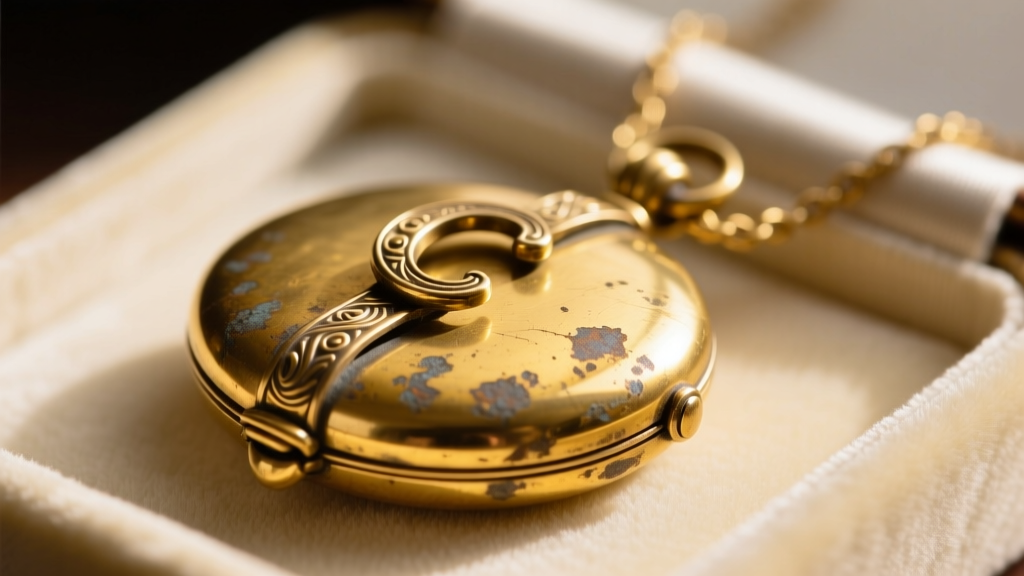
Authentication Framework: Analyzing Clasps and Hardware
The most reliable way to verify the age of an antique necklace is to examine its hardware. Modern lobster clasps and spring rings were not invented until the late 19th and early 20th centuries. If the oldest necklace a dealer is offering you features a modern lobster clasp, it has either been altered (significantly reducing its historical value) or it is a reproduction. Consult the educational resources at Lang Antiques University for visual guides on historical fasteners.
| Era | Primary Clasp Types | Jump Rings & Links | Common Metals |
|---|---|---|---|
| Georgian (1714-1837) | Simple C-clasp (no safety), Slide clasp, Bayonet clasp | Soldered closed, thick gauge | Silver-topped gold, Pinchbeck, Silver |
| Early Victorian (1837-1860) | C-clasp with early safety chain, Padlock clasp | Hand-soldered, slightly irregular | Yellow gold (15k/18k), Rolled gold, Jet |
| Mid-Late Victorian (1860-1901) | Trombone clasp, Box clasp with figure-8 safety | Machine-made begins appearing | 9k/12k/15k Gold, Silver, Platinum accents |
Material Vulnerabilities: Condition Checks for Antique Necklaces
Buying the oldest necklace on the market means accepting inherent material vulnerabilities. Antique jewelry was not engineered for modern, active lifestyles. Before purchasing, conduct a rigorous condition check focusing on these specific failure modes:
- Foil-Back Degradation: Georgian and early Victorian gemstones (especially garnets, topazes, and rock crystals) were backed with metallic foil. If the necklace has been exposed to water or ultrasonic cleaners, the foil will oxidize, turning black or flaking away. This destroys the stone's brilliance and drops the value by up to 60%. Always inspect the back of the settings for sealed, intact bezels.
- Gutta-Percha and Vulcanite Rot: Early Victorian mourning necklaces often utilized these natural rubbers. Over 150+ years, they can dry out, crack, or develop a brownish, rusty patina. While some patina is expected, structural crumbling is a dealbreaker.
- Hairwork Brittleness: Sentimental necklaces woven from human hair are incredibly fragile. Check for fraying at the gold end-caps and ensure the hair has not become brittle enough to snap under its own weight.
- Pinchbeck Wear: Pinchbeck is an 18th-century copper-zinc alloy designed to mimic gold. On the oldest necklace pieces made of this material, look for areas where the alloy has worn down to a dull, dark copper tone, which is normal but affects the aesthetic.
2026 Pricing Guide for Antique & Vintage Necklaces
The market for antique jewelry has shifted significantly, with collectors prioritizing pristine, unaltered condition over sheer carat weight. Below is a realistic pricing framework for authentic pieces in today's market:
- Georgian Foil-Backed Garnet Riviere Necklaces: $12,000 – $45,000+ (Highly dependent on the condition of the foil and the presence of original padlock clasps).
- Georgian Silver-Topped Diamond Necklaces (Rose/Mine Cut): $25,000 – $150,000+ (Pricing scales exponentially with the size and matched symmetry of the antique cuts).
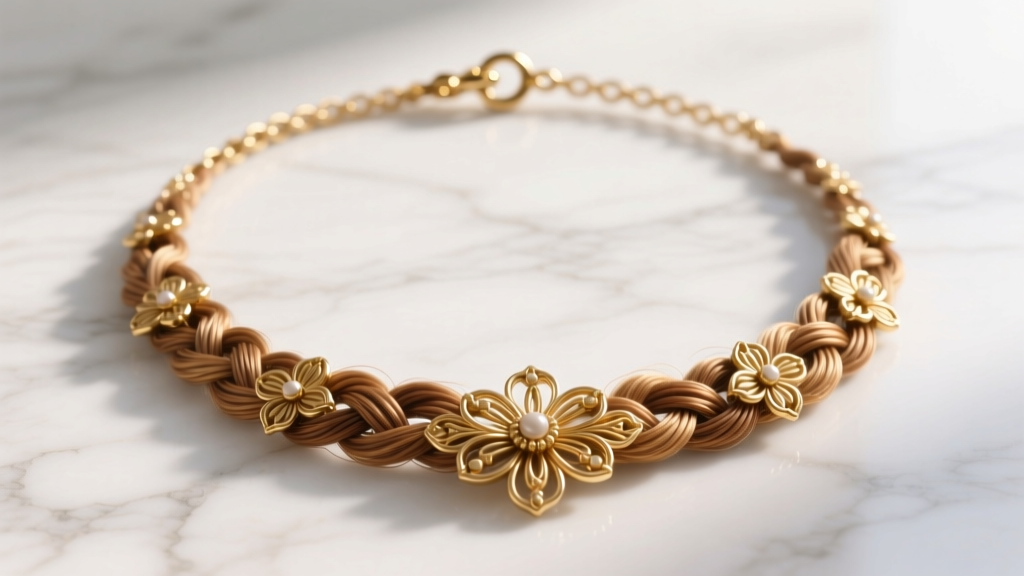
- Victorian Woven Hairwork Chains (Gold Fittings): $800 – $3,500 (Condition of the hair weave is the primary value driver).
- Victorian Whitby Jet Mourning Necklaces: $400 – $2,200 (Look for deep, unscratched black luster and intricate hand-carved cameos).
- Ancient Roman Glass Bead Necklaces: $300 – $2,500 (Requires strict provenance; iridescence on the glass increases value).
Where to Source Genuine Antique Necklaces
To avoid the saturated market of 'antique-style' reproductions, buyers must source from specialized channels. Major auction houses like Sotheby's and Bonhams offer high-end Georgian pieces with vetted provenance. For mid-range early Victorian and Georgian pieces, specialized antique jewelry dealers (both online and brick-and-mortar) who belong to organizations like the Antique and Period Jewelry & Gemstone Society (APJGS) are your safest bet. Avoid general estate sales unless you possess the gemological and metallurgical expertise to verify foil-backs and clasp dating on the spot.
Final Advice for the Collector
Acquiring the oldest necklace in a dealer's inventory is a privilege that requires patience and education. Always use a 10x jeweler's loupe to examine the solder joints on the links and the wear patterns on the clasps. True antique jewelry will show organic, asymmetrical wear consistent with over a century of use. By focusing on historical hardware, material integrity, and documented provenance, you can confidently build a collection that preserves the tangible history of fine jewelry.


