Heart of Te Fiti Necklace: 2026 Value, Pricing & Material Guide
Evaluate the true value of a heart of te fiti necklace in 2026. Compare pricing tiers, material grades, and chain quality to avoid overpaying.

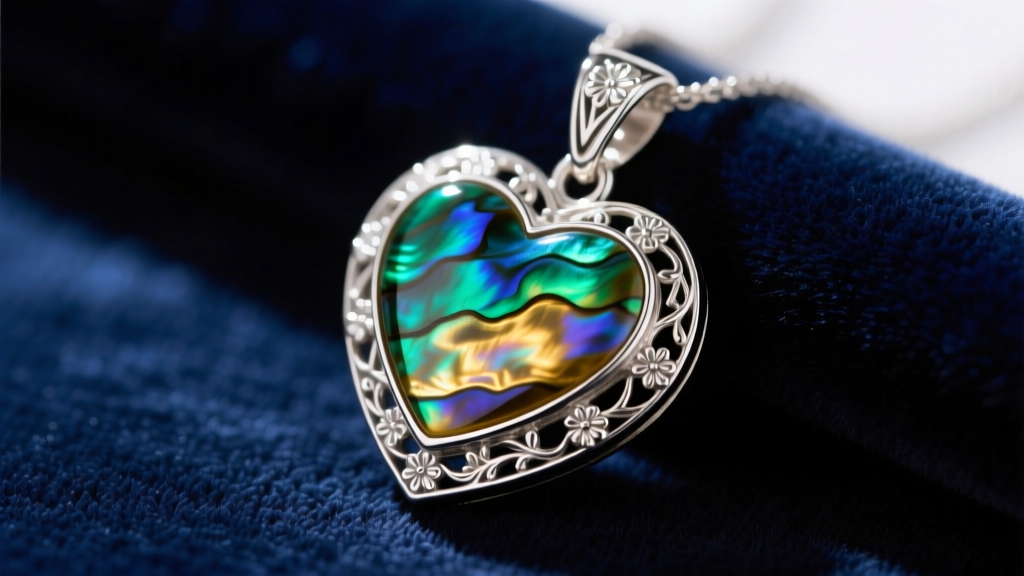
The heart of te fiti necklace remains one of the most sought-after pop-culture jewelry pieces, symbolizing creation, life, and restoration. Originally popularized by Disney's Moana, the pendant's design is heavily inspired by the traditional Māori koru spiral. However, as the market has become saturated with everything from $10 dropshipped trinkets to $300 artisan-crafted fine jewelry, determining the actual value of these pieces in 2026 requires a keen eye for metallurgy and gemology.
Whether you are shopping for a licensed Disney replica or an indie jeweler's "inspired-by" interpretation, understanding the material grades, chain gauges, and plating thicknesses is critical. This comprehensive value assessment will help you separate genuine craftsmanship from overpriced costume jewelry.
The Anatomy of a Heart of Te Fiti Pendant
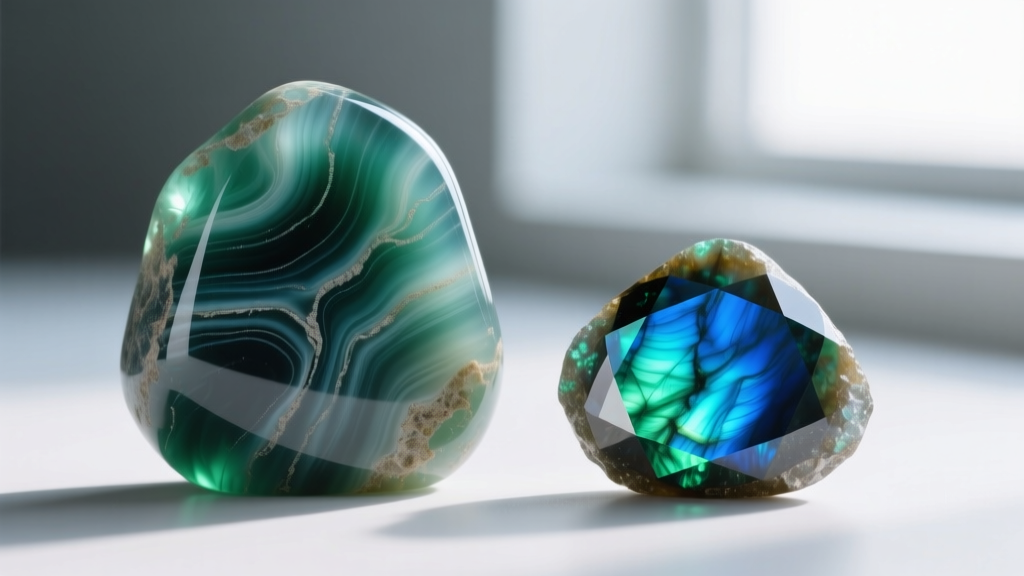
The visual hallmark of the Heart of Te Fiti is its glowing green, spiral-carved stone. In the real world, jewelers replicate this aesthetic using three primary materials, each with vastly different intrinsic values and durability profiles.
- Genuine New Zealand Paua Shell: An organic gemstone (calcium carbonate) prized for its vibrant blue-green iridescence. With a Mohs hardness of 2.5 to 3, Paua is relatively soft and requires a protective bezel setting to prevent chipping. It is the most culturally authentic and visually striking choice.
- Labradorite: A feldspar mineral (Mohs 6 to 6.5) known for its labradorescence—a striking play of blue and green light. High-grade labradorite offers superior scratch resistance compared to shell and is a favorite among high-end indie jewelers crafting Te Fiti-inspired pieces.
- Dyed Resin or Epoxy: Used in budget-tier necklaces. While it can be molded perfectly to mimic the movie prop, resin lacks the natural light-play of organic gems and is prone to UV yellowing and micro-scratches over time.
According to the Gemological Institute of America (GIA), understanding the Mohs hardness scale is vital for pendant stones, as anything below a 4 will easily scratch against everyday clothing and environmental dust (which contains quartz, a 7 on the scale).
2026 Market Pricing Tiers: What Should You Actually Pay?
To accurately assess the value of a heart of te fiti necklace, we must break down the 2026 market into three distinct tiers. Use this matrix to ensure you are paying a fair price for the materials provided.
| Pricing Tier | Price Range (USD) | Core Materials | Hardware & Finish | Expected Lifespan |
|---|---|---|---|---|
| Budget / Fast Fashion | $12 - $35 | Zamak alloy, dyed resin, glass | Flash-plated brass (0.1 microns), spring ring clasp | 6 - 12 months |
| Mid-Tier / Licensed | $45 - $95 | 925 Sterling Silver, genuine Paua or synthetic opal | Rhodium-plated silver, 18" box chain, lobster clasp | 3 - 5 years |
| Artisan / Fine Jewelry | $140 - $350+ | 14K Solid Gold, custom-carved Labradorite or high-grade Paua | Solid gold rolo chain, secure bezel setting | Lifetime (heirloom) |
Note: Officially licensed Disney merchandise often carries a 30% to 40% brand premium. If you are buying a licensed piece in the mid-tier range, expect to pay closer to the $85-$95 mark primarily for the trademark, rather than a bump in raw material quality.
Chain Quality & Hardware: The Hidden Cost Drivers
A pendant is only as good as the chain that holds it. Many buyers focus entirely on the Heart of Te Fiti stone and neglect the chain, leading to premature breakage and lost jewelry. A standard Te Fiti pendant weighs between 8 and 15 grams. To support this weight safely, the chain must meet specific gauge requirements.
Gauge Thickness and Chain Styles
In jewelry manufacturing, the lower the gauge number, the thicker the wire. Budget necklaces frequently use 22-gauge or 24-gauge chains (0.5mm to 0.6mm thick). These are essentially decorative threads that will snap if the pendant catches on a sweater.
- The Ideal Standard: Look for an 18-gauge to 16-gauge chain (1.0mm to 1.3mm thick). This provides the necessary tensile strength to hold a 15-gram stone without adding excessive visual bulk.
- Recommended Styles: Rolo chains and box chains offer the best structural integrity for pendants. Avoid snake chains for heavy stones, as the tight interlocking links can kink and permanently bend under the pendulum weight of the Te Fiti spiral.
Failure Modes to Avoid in Budget Pieces
When evaluating a budget heart of te fiti necklace, watch out for these common manufacturing shortcuts:
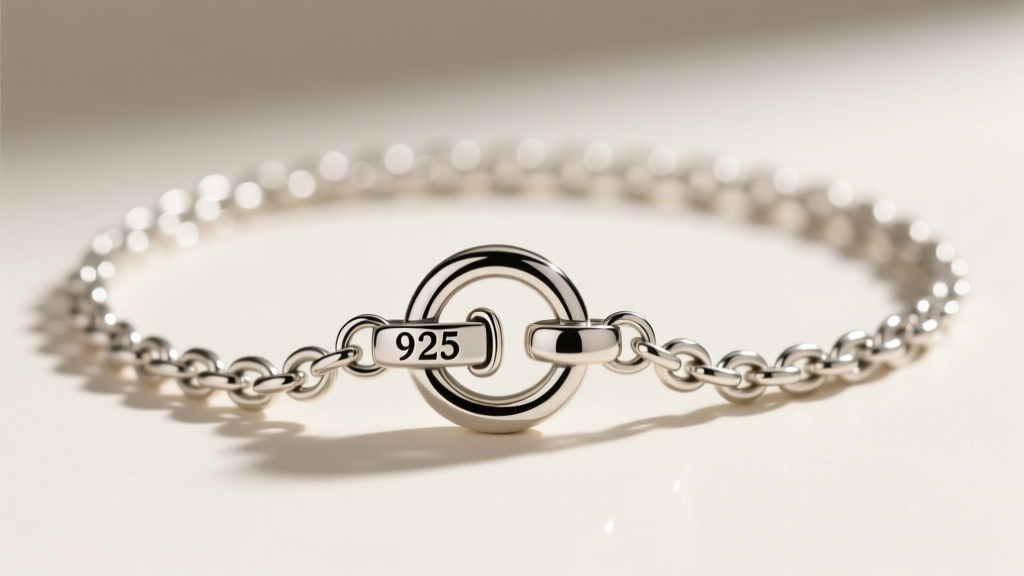
- "Tibetan Silver" Deception: This is not silver at all. It is typically a zinc and copper alloy that will oxidize rapidly, turning your skin green and developing a dull, grayish-black patina within weeks. The Federal Trade Commission (FTC) strictly regulates precious metal stamping; always look for a clear "925" stamp for genuine sterling silver.
- Epoxy Yellowing: Budget pieces use a clear epoxy dome over a printed paper or plastic spiral to mimic a gemstone. UV exposure from sunlight breaks down the epoxy's chemical bonds, causing it to yellow and crack within a single summer season.
- Soldered vs. Unsoldered Jump Rings: The jump ring connecting the chain to the pendant should be soldered shut. If you see a visible split in the ring, the pendant will eventually slip through the gap and be lost.
Authenticity vs. Inspired Designs: Navigating the Market
The secondary market and platforms like Etsy are flooded with both official merchandise and independent interpretations. From a pure value-assessment perspective, "inspired-by" pieces crafted by independent silversmiths often offer a significantly higher material-to-price ratio.
Expert Insight: "When purchasing an indie-crafted koru or Te Fiti-inspired pendant, you are paying for the artisan's lapidary skills—specifically, the precision of the stone carving and the tightness of the bezel setting. A well-fitted bezel should show no light gaps between the silver and the stone."
If cultural appreciation and accurate representation are important to you, seek out artisans who source genuine New Zealand Paua shell and explicitly credit the Māori origins of the koru design. These pieces usually fall into the $80–$150 range and offer a level of craftsmanship that mass-produced, injection-molded licensed replicas simply cannot match.
Final Verdict: Maximizing Your Budget
Ultimately, the value of your heart of te fiti necklace depends on your intentions. If you need a cheap, screen-accurate prop for a single cosplay event, a $25 resin and alloy piece will suffice. However, if you intend to wear this piece as a daily talisman, you must invest in proper metallurgy.
Your Pre-Purchase Checklist
- Verify the Metal: Ensure the pendant bail and chain are stamped "925" (Sterling Silver) or "14K/585" (Solid Gold). Reject anything labeled "silver-plated" without a stated base metal.
- Inspect the Stone Setting: Avoid glued-in stones. Demand a mechanical setting, preferably a smooth bezel, which protects the fragile edges of Paua shell and Labradorite.
- Check the Clasp: A sturdy lobster clasp with a thick, soldered jump ring is non-negotiable for a pendant of this weight.
- Assess the Dimensions: For adult wear, a pendant diameter of 25mm to 30mm offers the best visual presence without feeling overly heavy on the collarbone.
By applying these material and structural benchmarks, you can confidently navigate the 2026 jewelry market, ensuring that your Heart of Te Fiti necklace is not just a fleeting piece of fandom merchandise, but a durable, valuable addition to your permanent collection.


