Heidi Daus Grande Art Deco Crystal Tassel Lariat Necklace Guide
Discover what to look for when buying the Heidi Daus Grande Art Deco Crystal Tassel Lariat Necklace, from crystal grades to authentication tips.

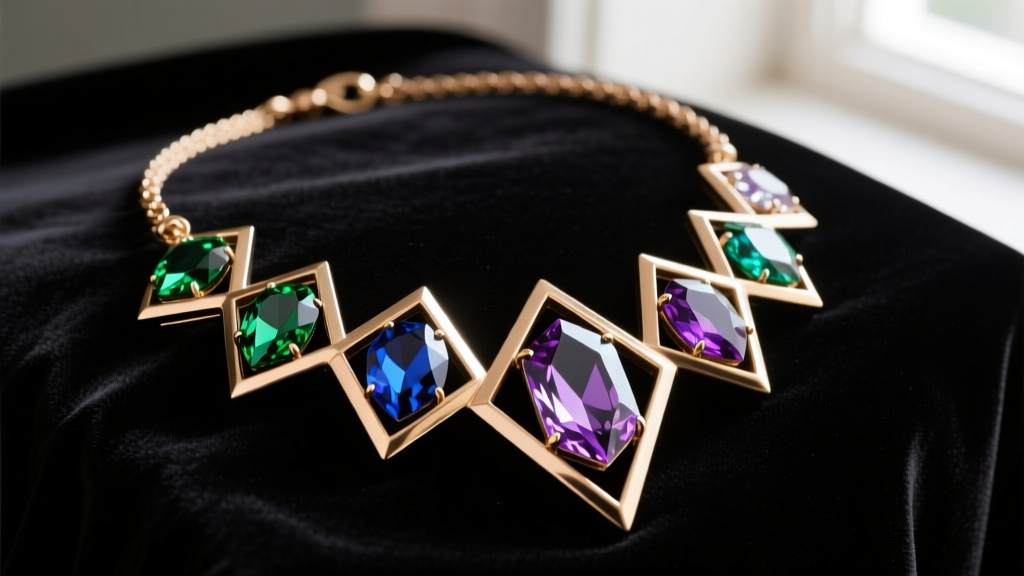
The Allure of Couture Costume Jewelry
When discussing statement necklaces that bridge the gap between vintage glamour and modern wearability, the heidi daus grande art deco crystal tassel lariat necklace stands as a masterclass in couture costume jewelry. Heidi Daus has spent decades building a reputation for maximalist, vintage-inspired designs that utilize high-grade materials typically reserved for fine jewelry. As we navigate the 2026 jewelry market, where collectors and fashion enthusiasts alike are prioritizing investment-worthy costume pieces, understanding the anatomy, authentication, and styling of this specific lariat is essential for any serious buyer.
The lariat, or sautoir, traces its popularity back to the 1920s flapper era. However, Daus elevates this historical silhouette by incorporating a "grande" scale, utilizing heavy cast metals and precision-cut crystals to create a Y-necklace that commands attention. This buying guide will deconstruct exactly what to look for when evaluating this piece, whether you are purchasing retail or hunting on the secondary market.
Deconstructing the Grande Art Deco Lariat
Base Metals and Plating Integrity
Unlike mass-market costume jewelry that relies on lightweight pot metal or zinc alloys, authentic Heidi Daus pieces are typically cast in solid brass or bronze. This provides the necessary structural integrity to support the weight of heavy crystal clusters without warping. When examining the heidi daus grande art deco crystal tassel lariat necklace, the piece should feel substantial in the hand, generally weighing between 95 and 120 grams.
The plating is another critical marker of quality. Daus utilizes a thick mil-layer of antique gold, rhodium, or silver-tone plating over the base metal. Look for a rich, saturated color with intentional antiquing in the crevices of the Art Deco geometric motifs. The metalwork should feature sharp, clean lines with no visible pitting, bubbling, or flaking, which are common failure modes in inferior plated jewelry.
Crystal Cuts and the Refractive Index
The brilliance of any Heidi Daus piece relies on the precision of its stones. While the brand historically relied heavily on Swarovski crystals, the post-2021 restructuring of the Swarovski brand led many couture designers, including Daus, to source equivalent precision-cut, lead-free crystal glass from specialized European manufacturers. According to gemological standards outlined by the Gemological Institute of America (GIA), the refractive index and cut quality are what give crystal its spectral fire.
In this specific Art Deco lariat, you should look for a mix of specific cuts:
- Chaton (Round Brilliant): Used for the primary focal points of the slide, offering maximum light return.
- Marquise and Baguette: Utilized in the geometric bronze-tone settings to mimic the architectural lines of 1920s Chrysler Building aesthetics.
- Teardrop Pears: Often found at the terminal ends of the tassels to catch the light with movement.
Crucially, inspect the foil backing of the stones. High-end costume jewelry uses silver or aurora borealis (AB) foil behind the crystal to amplify refraction. Ensure the foil is intact, with no signs of moisture ingress, clouding, or blackening, which severely diminishes the stone's brilliance.
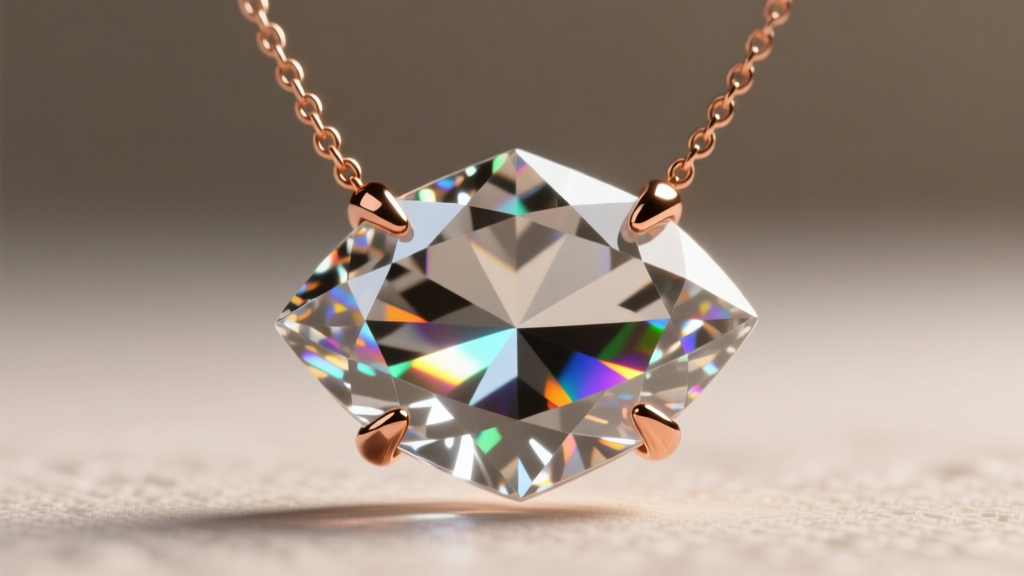
The Mechanics of the Lariat Slide
The defining feature of a lariat necklace is the slide—the central component through which the chain or crystal strand loops to create the Y-silhouette. In the heidi daus grande art deco crystal tassel lariat necklace, the slide is not merely decorative; it is an engineered component. Cheap lariats use simple metal loops that scratch the chain and slip out of place. Daus designs custom-molded slides featuring a silicone-lined inner channel. This friction-fit mechanism grips the crystal strand securely without abrading the plating or the crystals, allowing the wearer to adjust the drop length effortlessly while maintaining structural security.
Authentication and Secondary Market Valuation
As the market for vintage and couture costume jewelry continues to surge in 2026, authentication is paramount. Platforms like 1stDibs and specialized auction houses have noted a distinct rise in demand for signed, maximalist 21st-century costume pieces. When evaluating this necklace, use the following matrix to verify authenticity and gauge fair market value.
| Authentication Marker | What to Look For | Red Flags (Fakes/Imitations) |
|---|---|---|
| Cartouche / Signature | Engraved "Heidi Daus" cartouche on the slide or a heavy, signed hang-tag near the clasp. | Sticker labels, laser-etched shallow text, or missing signatures entirely. |
| Clasp Hardware | Heavy-duty lobster clasp or custom magnetic clasp with a secondary safety chain. | Flimsy spring-ring clasps that cannot support the 100g+ weight of the piece. |
| Crystal Setting | Hand-set prongs or high-grade jeweler's epoxy with no visible glue seepage. | Glued-in stones with cloudy adhesive visible around the girdle of the crystal. |
| Market Pricing (2026) | Retail: $299 - $450 | Secondary Market: $140 - $225 | Listings priced suspiciously low (under $75) often indicate counterfeit or damaged goods. |
Styling the Y-Silhouette in 2026
The lariat is notoriously tricky to style because the vertical drop alters the visual proportions of the torso. The heidi daus grande art deco crystal tassel lariat necklace typically features a 20-to-24-inch base chain with a 4-to-6-inch tassel drop. To maximize its impact, consider the following neckline pairings:

- Deep V-Necks and Wrap Dresses: The ideal canvas. The vertical line of the lariat mirrors the V-neck, elongating the neck and torso while allowing the crystal slide to rest perfectly on the sternum.
- Scoop Necks and Boatnecks: Avoid these. The horizontal line of a boatneck clashes with the vertical drop of a lariat, creating a visually cluttered and unbalanced look.
- Open-Collar Blazers: For a modern 2026 power-dressing aesthetic, layer the lariat over a silk camisole inside an unbuttoned blazer. The Art Deco metallic tones will pop beautifully against structured wool or tweed.
Preserving Foiled Crystals and Plated Metals
Proper maintenance is non-negotiable for couture costume jewelry. Never use ultrasonic cleaners, ammonia-based solutions, or commercial silver dips on the heidi daus grande art deco crystal tassel lariat necklace. Ultrasonic vibrations can shatter the delicate foil backing behind the crystals, causing them to turn gray or black. Furthermore, harsh chemicals will strip the antique gold or rhodium plating from the bronze base.
According to care guidelines from Jewelers of America, the safest method for cleaning plated crystal jewelry is to gently wipe it with a dry, lint-free microfiber cloth after each wear to remove skin oils and perfume residue. If deeper cleaning is required, use a barely damp cloth with a drop of mild, phosphate-free dish soap, avoiding direct contact with the stone settings, and dry immediately.
"Couture costume jewelry is not merely an accessory; it is wearable sculpture. Treating it with the same archival care as fine jewelry ensures its brilliance survives for decades."
Final Verdict: Is It Worth the Investment?
The heidi daus grande art deco crystal tassel lariat necklace represents a high-water mark in modern costume jewelry design. Its combination of heavy cast bronze, precision-cut crystals, and engineered friction slides justifies its premium price point. For collectors of Art Deco revival pieces or those seeking a reliable, show-stopping statement necklace for galas and evening wear, it is an exceptional acquisition. By carefully inspecting the plating integrity, crystal foil backing, and authentication markers outlined in this guide, you can confidently invest in a piece that will remain a staple of your jewelry wardrobe for years to come.


