Horcrux Necklace Buying Guide 2026: Budget & Real Value
Discover the true value of a horcrux necklace in 2026. We break down pricing tiers, metal grades, and licensed vs. artisan options for smart buyers.

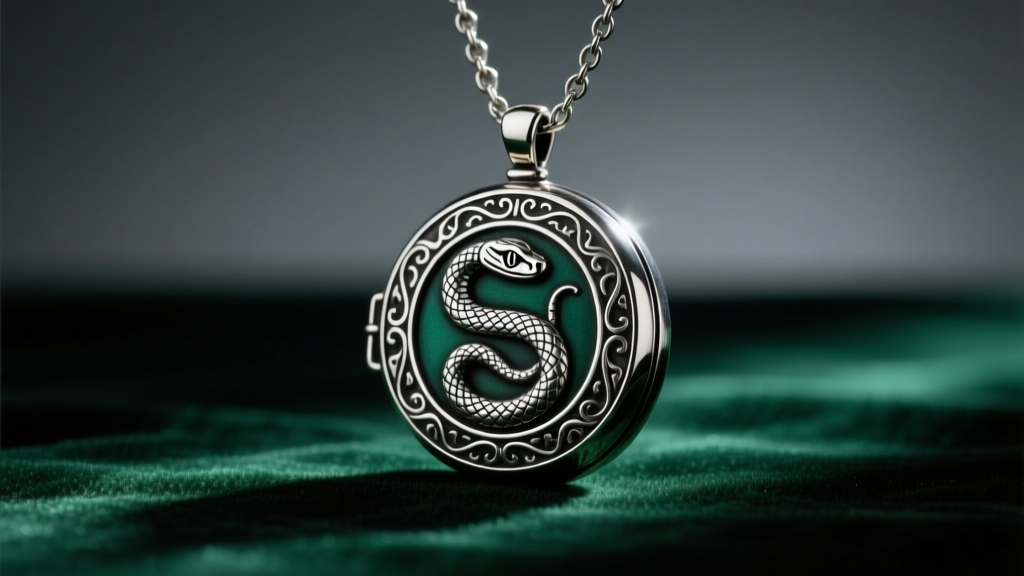
The allure of dark magic has never truly faded, and as we navigate the jewelry market in 2026, the horcrux necklace—specifically the iconic Slytherin locket—remains one of the most sought-after pieces of pop-culture-inspired fine jewelry. However, the market is heavily saturated. Buyers are frequently caught between $15 dropshipped zinc alloys that turn skin green and $600 solid gold heirlooms that feel like overkill for a movie prop.
As a jewelry style analyst, my goal is to help you separate the genuine magical artifacts from the cheap muggle trinkets. Assessing the budget and real value of a horcrux necklace requires a deep dive into metallurgy, licensing, chain mechanics, and enamel craftsmanship. Here is your definitive value assessment guide.
The True Cost of a Horcrux Necklace in 2026
When shopping for a horcrux necklace, the first value fork in the road is licensing. Officially licensed merchandise, produced under the strict oversight of Warner Bros. Discovery and often manufactured by brands like Cinereplicas, carries a "fandom tax." You are paying for the official stamp of approval, exact prop-to-screen accuracy, and trademarked packaging. According to the Official Harry Potter Shop, licensed sterling silver lockets generally retail between $90 and $140.
Conversely, the artisan market on platforms like Etsy operates in a creative gray area. Independent silversmiths cannot legally use trademarked terms, but they often produce "Slytherin-inspired snake lockets" that vastly outperform licensed merchandise in terms of raw material quality and structural integrity. In 2026, a master-crafted, unlicensed 925 sterling silver locket with a functioning hinge and vitreous enamel will cost between $180 and $350. You are paying for the metal and the labor, not the logo.
Material Breakdown: What Are You Actually Paying For?
The intrinsic value of your pendant is dictated entirely by its base metal. Cheap horcrux necklaces often masquerade as silver through heavy rhodium plating, but once that plating wears off, the base metal reacts with your skin's pH levels. The Gemological Institute of America (GIA) notes that sterling silver must contain exactly 92.5% pure silver and 7.5% alloy (usually copper) to be stamped 925. Anything less is costume jewelry.
| Material Grade | Average Price (2026) | Weight & Feel | Tarnish & Skin Reaction | Value Verdict |
|---|---|---|---|---|
| Zinc Alloy / Pot Metal | $12 - $30 | Lightweight (~15g), feels hollow | High risk of nickel allergies; turns skin green | Poor (Cosplay only) |
| Solid Brass | $35 - $65 | Medium weight (~25g), substantial | Will oxidize and darken; requires frequent polishing | Fair (Good budget daily wear) |
| 925 Sterling Silver | $90 - $250 | Heavy (~45-60g), premium drape | Tarnishes slowly; easily cleaned; hypoallergenic | Excellent (The value sweet spot) |
| Solid 14k Yellow Gold | $450 - $800+ | Very heavy, luxurious warmth | Zero tarnish; lifetime durability | Niche (Heirloom collectors only) |
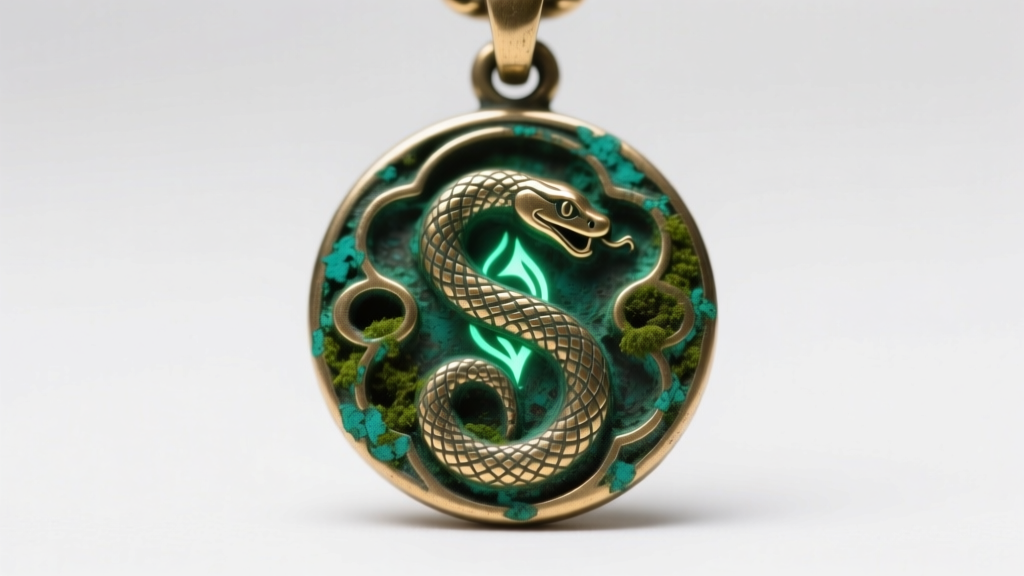
Enamel and Gemstone Simulants: The Devil is in the Details
The iconic "S" on the face of the Slytherin locket is traditionally rendered in green, flanked by small gemstones. How these are executed drastically shifts the price and longevity of the piece.
The Enamel Debate: Cold vs. Vitreous
Mass-produced lockets use cold enamel, which is essentially a dyed epoxy resin. It is poured into the metal recesses and cured at room temperature. While cheap, cold enamel yellows over time, scratches easily, and can chip if the locket is dropped on a hard surface.
High-end artisan pieces use vitreous enamel, a powdered glass that is fired in a kiln at over 1400°F. This fuses the glass to the metal, creating a scratch-resistant, brilliantly translucent green finish that will outlast the wearer. If a seller claims "vitreous enamel" but the pendant costs under $80, they are likely misleading you.
The "Emerald" Cabochons
The small green stones set into the locket's face are rarely real emeralds, which would push the price into the thousands due to the cost of melee-sized natural gems. Instead, look for synthetic hydrothermal emeralds or high-grade green cubic zirconia (CZ). Synthetic emeralds offer the exact chemical composition and deep "jardin" inclusions of natural stones but at a fraction of the cost, offering immense value for the discerning buyer.
Chain and Clasp Quality: The Hidden Value Killers
A 60-gram solid silver horcrux pendant is a beautiful thing, but suspending it from a flimsy 1mm hollow snake chain is a recipe for disaster. The chain and clasp represent 40% of the necklace's structural value, yet they are where most manufacturers cut corners.
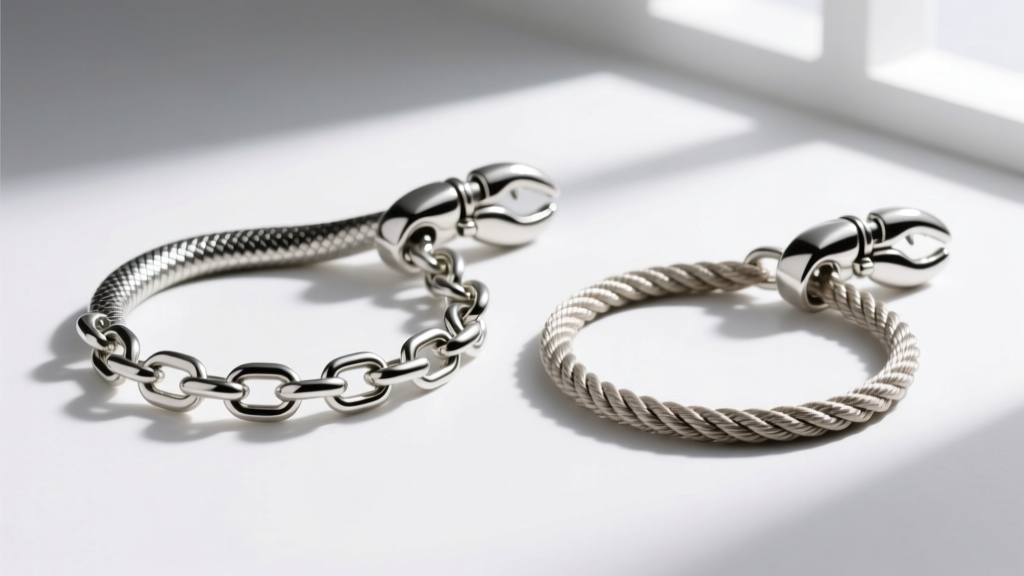
- The Clasp: Avoid spring-ring clasps for any pendant over 20 grams. The internal spring mechanism is weak and prone to snapping under the dynamic weight of a heavy locket. Insist on a 5mm or 6mm lobster clasp, which features a solid, spring-loaded gate that locks securely.
- The Chain Style: Hollow snake chains look sleek but kink irreparably if bent. For a heavy horcrux pendant, opt for a 2mm to 3mm wheat chain, rope chain, or solid box chain. These styles distribute weight evenly and can withstand the tension of a heavy pendant without stretching or snapping.
- The Soldered Jump Ring: Check the jump ring connecting the pendant to the chain. It must be soldered shut (no visible gap). An open jump ring will eventually pull apart, sending your dark artifact tumbling to the floor.
Budget Tiers: Which Horcrux Necklace Should You Buy?
To make your purchasing decision easier, I have categorized the 2026 market into three distinct budget tiers based on use-case and material reality.
Tier 1: The Cosplay & Convention Tier ($15 - $45)
Materials: Zinc alloy, brass, cold enamel, acrylic stones.
Best For: Weekend conventions, Halloween, or buyers who want the "look" without the investment.
Value Assessment: Low intrinsic value. Treat these as disposable costume pieces. Remove them before showering or swimming to prevent immediate oxidation and skin staining.
Tier 2: The Everyday Fandom Tier ($80 - $180)
Materials: 925 Sterling silver, oxidized detailing, high-grade CZ or synthetic emeralds, cold or basic vitreous enamel.
Best For: Daily wear, subtle fandom representation, and long-term durability.
Value Assessment: This is the highest ROI (Return on Investment) tier. You are paying for precious metal that holds intrinsic scrap value and can be easily repaired by a local jeweler if damaged. Look for officially licensed 925 silver pieces or highly-rated independent silversmiths.
Tier 3: The Heirloom & Collector Tier ($250 - $700+)
Materials: Heavyweight 925 silver with 14k gold vermeil accents, or solid 14k gold, kiln-fired vitreous enamel, synthetic or natural melee emeralds, custom-forged chains.
Best For: Serious collectors, fine jewelry enthusiasts, and those who want a piece that can be passed down.
Value Assessment: High intrinsic and artistic value. These pieces often feature functioning hinges with internal compartments, hand-engraved snake scales, and premium packaging. You are paying for master-level craftsmanship.
Final Verdict: Assessing the Dark Magic ROI
When evaluating a horcrux necklace, never judge the piece solely by the pendant. A beautiful, heavy silver locket is rendered worthless if it is attached to a weak chain with a faulty clasp. In 2026, the smartest buyers are bypassing the mid-tier licensed costume jewelry and either saving up for a master-crafted artisan piece in solid 925 silver, or buying a high-quality base pendant and immediately upgrading the chain and clasp at a local bench jeweler. By focusing on metal purity, structural hardware, and enamel techniques, you can secure a piece of dark magic that retains its value long after the final credits roll.


