Horizontal Cross Necklace Meaning: A Beginner's Style Guide
Discover the horizontal cross necklace meaning, from theological symbolism to modern styling, plus expert tips on metals, chains, and layering.

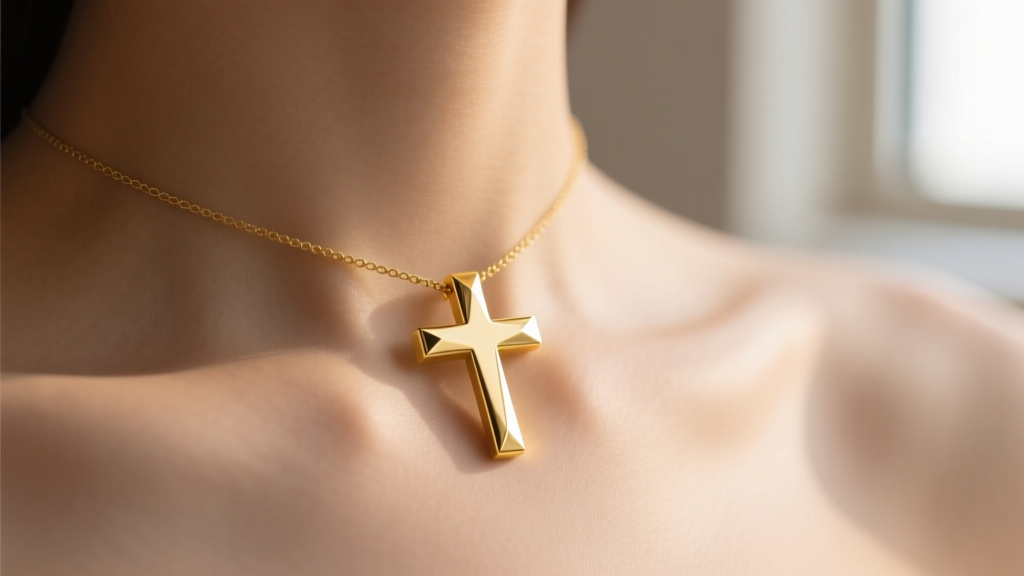
When browsing contemporary faith jewelry or minimalist aesthetic collections, you will inevitably encounter the sideways cross. For beginners, the horizontal cross necklace meaning can seem ambiguous, sparking debates about whether it represents a modern fashion statement, a theological shift, or something else entirely. As a staple in both streetwear and fine jewelry, the horizontal cross bridges the gap between deep personal symbolism and sleek, geometric design.
This comprehensive guide breaks down the historical and spiritual significance of the sideways cross, debunks common internet myths, and provides actionable advice on selecting the right metal grades, chain mechanics, and layering techniques for your wardrobe.
The Origins and Theology Behind the Sideways Cross
The traditional vertical cross represents the intersection of the divine (vertical) and the earthly (horizontal). But what happens when the symbol is rotated 90 degrees? According to historical and theological records documented by Encyclopedia Britannica, the cross has taken many forms throughout history, including the Tau cross, the Celtic cross, and the Papal cross. The horizontal orientation, however, is a more modern abstraction in jewelry design.
The "Resting Cross" Symbolism
In contemporary Christian theology, the horizontal cross is most widely interpreted as the "Resting Cross" or the "Laid Down Cross." This symbolism is rooted in the biblical account of the crucifixion and subsequent resurrection. When Jesus declared, "It is finished," the work of salvation was complete. The horizontal cross represents the instrument of crucifixion laid flat on the ground—signifying rest, peace, and the completion of a divine mission. It is a symbol of grace fulfilled rather than active suffering.
Debunking the "Fallen Faith" Myth
If you have spent time on social media or jewelry forums, you may have encountered the rumor that a sideways cross means "Christianity has fallen" or represents a rejection of traditional faith. This is entirely a modern internet myth.
There is no historical, theological, or denominational backing for the idea that a rotated cross signifies fallen faith. In fact, many prominent theologians and pastors actively encourage the wearing of horizontal crosses as a beautiful, minimalist reminder of the resurrection and the peace that follows the crucifixion. It is crucial to separate viral misinformation from genuine symbolic intent when choosing a piece of faith-based jewelry.
Material Grades and Pricing for Cross Pendants
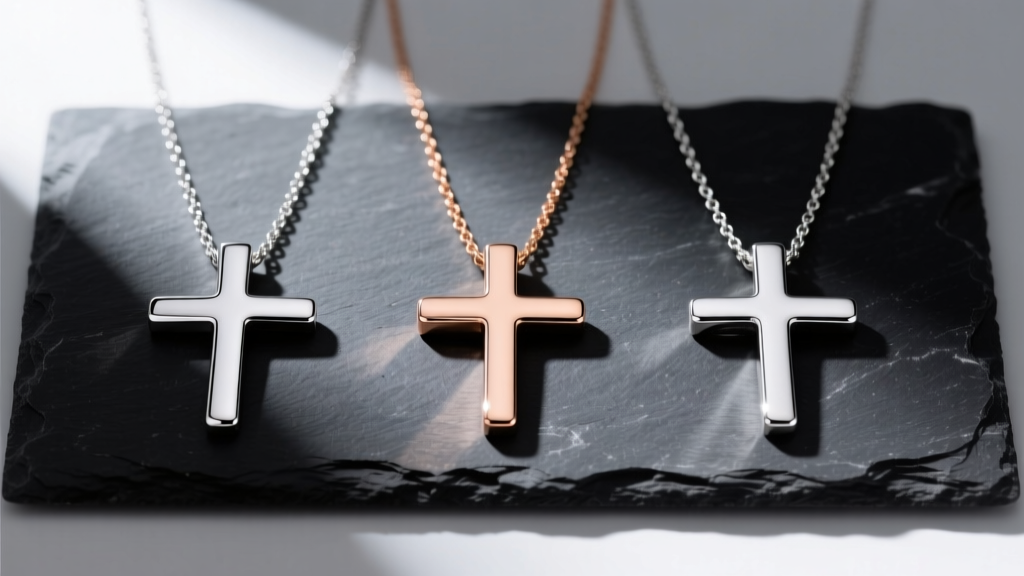
Understanding the metallurgy of your necklace is just as important as understanding its meaning. A horizontal cross pendant rests flat against the sternum, meaning it is subject to friction, sweat, and body oils. Choosing the right metal ensures longevity. The Gemological Institute of America (GIA) outlines strict quality factors for precious metals that every buyer should know.
| Metal Type | Purity / Grade | Avg. Price Range | Durability & Tarnish | Best For |
|---|---|---|---|---|
| Sterling Silver | 92.5% Silver, 7.5% Copper | $30 - $85 | Prone to oxidation; requires polishing | Budget-friendly, occasional wear |
| 14k Yellow/White Gold | 58.5% Pure Gold | $150 - $400 | Highly durable; resists tarnishing | Everyday wear, sensitive skin |
| 18k Yellow/White Gold | 75% Pure Gold | $400 - $900 | Softer, richer color; scratches easier | Low-impact wear, heirloom pieces |
| Platinum | 95% Pure Platinum | $600 - $1,500+ | Extremely dense; develops a patina | Lifetime durability, hypoallergenic |
| Titanium (Grade 23) | Ti-6Al-4V (Medical Grade) | $40 - $120 | Lightweight, zero tarnish, ultra-strong | Active lifestyles, metal allergies |
A Note on Sterling Silver
If you opt for 925 sterling silver, look for pieces that feature a rhodium plating. Rhodium is a platinum-group metal that provides a bright, white finish and acts as a barrier against the sulfur in the air that causes silver to tarnish. Unplated silver horizontal crosses will require weekly polishing with a microfiber cloth to maintain their geometric crispness.
Chain Mechanics: Matching the Bail and Link
The way a horizontal cross hangs depends entirely on its bail (the loop that connects the pendant to the chain). Because the cross is sideways, jewelers typically use one of two engineering methods:
- The Fixed Top Bail: A standard bail is soldered to what would traditionally be the "side" arm of the cross. This allows the cross to swing freely and always settle horizontally.
- The Slide-Through Bar: The chain threads directly through a hollow tube soldered horizontally across the back of the cross. This locks the pendant in place, preventing it from flipping or tangling.
Chain Thickness Rule: For a standard 15mm to 20mm horizontal cross pendant, pair it with a chain that is 1.0mm to 1.5mm thick. A box chain is highly recommended over a snake chain; box chains are structurally rigid, resist kinking, and will not pull chest hair or catch on delicate knitwear.

How to Style and Layer a Horizontal Cross
The horizontal cross is inherently minimalist, making it an ideal anchor piece for a layered necklace stack. Its linear geometry contrasts beautifully with circular medallions or organic pearl shapes.
The 14-16-18 Layering Framework
To achieve a balanced, tangle-free stack, follow this structural framework:
- 14-Inch (Choker): A simple 1.5mm gold rope chain or a small bezel-set diamond solitaire. This draws the eye to the collarbone.
- 16-Inch (The Anchor): Your horizontal cross pendant on a 1.2mm box chain. This sits perfectly in the hollow of the throat, acting as the focal point.
- 18-Inch (The Base): A larger, heavier piece, such as a 20mm round signet medallion or a textured paperclip chain. This grounds the stack and adds visual weight to the lower chest.
"The horizontal cross is a designer's dream because its linear profile doesn't compete with other pendants. It acts as a visual horizon line in a layered stack, providing structure without overwhelming the neckline." — Master Jeweler & CAD Designer
Neckline Pairings
Because the horizontal cross emphasizes width rather than length, it pairs best with V-neck and scoop-neck tops, which mirror and frame the pendant's geometry. Avoid wearing it over high turtlenecks unless the chain is extended to 20 inches; otherwise, the pendant will get lost in the fabric folds and the bail may catch on the knit.
Final Thoughts on Faith and Fashion
Understanding the horizontal cross necklace meaning allows you to wear this piece with intentionality. Whether you view it as a profound symbol of spiritual rest and resurrection, or simply appreciate its clean, modernist architecture, the sideways cross remains a versatile staple in contemporary jewelry. By investing in the right metal grade, selecting a sturdy box chain, and utilizing proper layering techniques, your horizontal cross will serve as a meaningful and stylish anchor in your collection for decades to come.


