Hoshen Necklace Buying Guide: Gems, Metals & Settings
Discover how to choose an authentic Hoshen necklace. Our buying guide covers the 12 sacred gemstones, metal purity, and craftsmanship details.

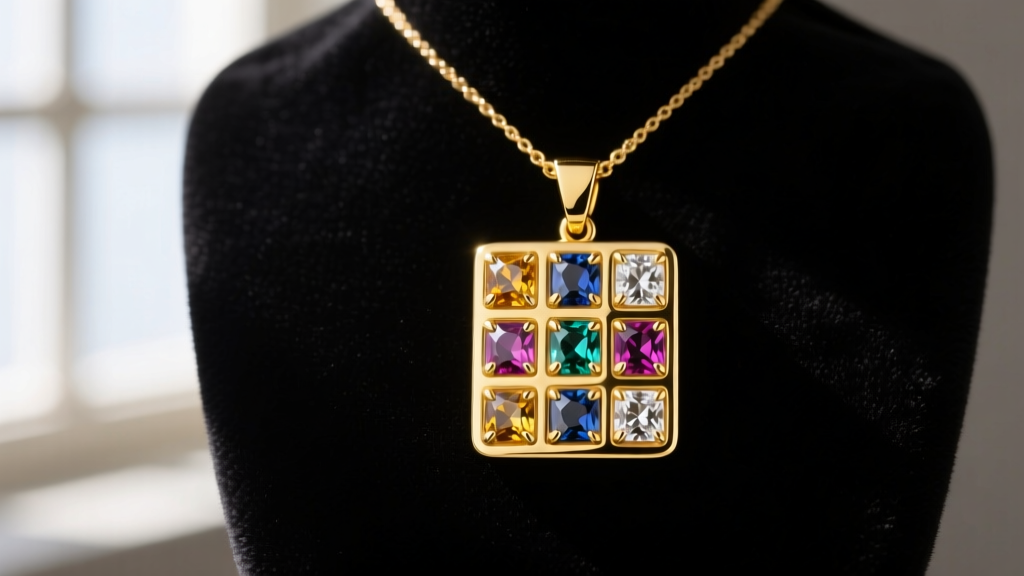
The Spiritual and Historical Significance of the Hoshen
The Hoshen, historically known as the breastplate of the High Priest (Kohen Gadol), is one of the most profoundly significant artifacts described in biblical texts. Originally detailed in Exodus 28, this sacred garment featured twelve specific gemstones arranged in a four-by-three grid, each representing one of the twelve tribes of Israel. Today, the hoshen necklace has transcended its ancient liturgical roots to become a highly sought-after piece of spiritual and heritage jewelry. However, translating an ancient textile artifact into a modern, wearable metal pendant introduces significant gemological and structural challenges. In the 2026 jewelry market, buyers are met with a wide spectrum of quality, from mass-produced silver trinkets with dyed simulants to master-crafted 18-karat gold heirlooms. This comprehensive buying guide will equip you with the exact specifications, material grades, and craftsmanship markers required to invest in a genuine, structurally sound Hoshen necklace.
Decoding the 12 Sacred Gemstones: Authenticity vs. Simulants
The most critical aspect of any hoshen necklace is the authenticity of its twelve stones. Because biblical translations vary, the exact modern gemological equivalents of the ancient stones have been debated for centuries. However, the generally accepted modern equivalents include Carnelian, Peridot, Emerald (or Beryl), Turquoise, Lapis Lazuli, Onyx, Amber (or Zircon), Agate, Amethyst, Aquamarine, and Jasper. According to the GIA Gem Encyclopedia, identifying these stones requires an understanding of their unique optical properties and common market treatments.
When shopping, you must be vigilant against dyed stones. For example, low-grade howlite is frequently dyed blue and sold as Turquoise, while pale agate is dyed red to mimic high-quality Carnelian. Always request a gemological certificate or purchase from jewelers who guarantee untreated, natural stones.
| Row | Biblical Name | Modern Equivalent | Mohs Hardness | Buyer Warning: Common Simulants |
|---|---|---|---|---|
| 1 | Odem | Carnelian / Ruby | 7.0 - 9.0 | Dyed agate or red glass |
| 1 | Pitdah | Peridot / Topaz | 6.5 - 8.0 | Green glass or synthetic spinel |
| 1 | Bareket | Emerald / Beryl | 7.5 - 8.0 | Dyed beryl or synthetic emerald |
| 2 | Nofech | Turquoise / Garnet | 5.0 - 7.5 | Dyed howlite or magnesite |
| 2 | Sapir | Lapis Lazuli | 5.0 - 6.0 | Dyed jasper or sodalite |
| 3 | Achlama | Amethyst | 7.0 | Purple glass or synthetic quartz |
| 4 | Shoham | Onyx | 7.0 | Dyed black agate or black glass |
Metal Purity and Structural Weight Requirements
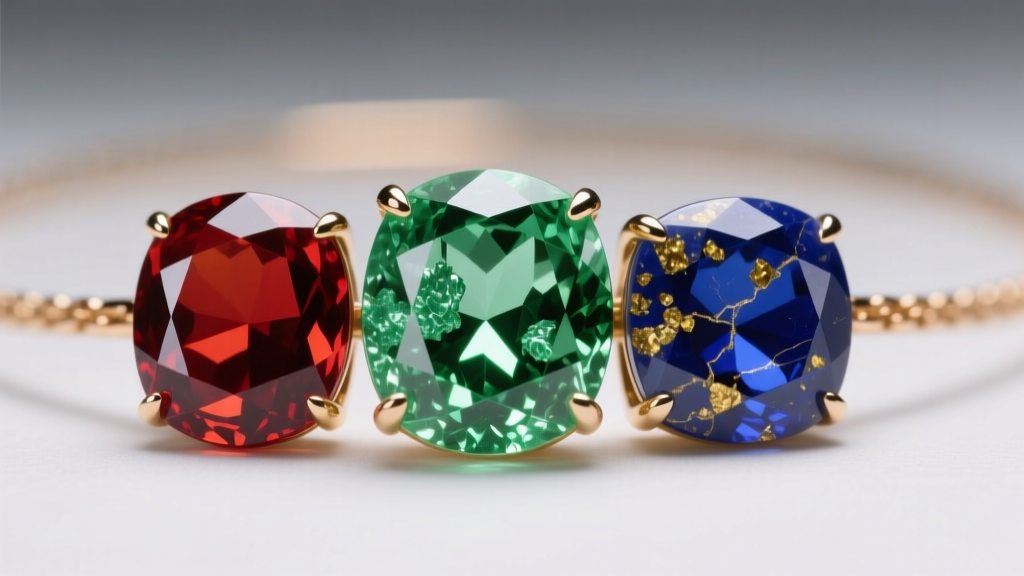
The original Hoshen was woven with pure gold threads, but pure 24K gold is far too soft for modern jewelry settings. When evaluating the metal of a hoshen necklace, you are primarily looking at the balance between durability, color, and structural weight.
14K vs. 18K Gold
For a pendant holding twelve distinct gemstones, 14K gold (58.5% pure gold) is often the superior structural choice. Its higher alloy content (mixed with copper, silver, or zinc) provides the tensile strength necessary to hold bezel settings securely over decades of wear. 18K gold (75% pure gold) offers a richer, deeper yellow hue that closely mimics historical descriptions, but it is softer. If you opt for 18K, ensure the pendant's backing plate is at least 1.5mm thick to prevent warping.
Sterling Silver and Oxidation
Sterling silver (925) is a popular, budget-friendly alternative. However, silver is prone to tarnishing, especially in the deep crevices between twelve stone settings. Look for silver pendants that have been treated with a rhodium plating or an anti-tarnish e-coating. Furthermore, a high-quality silver Hoshen pendant should weigh a minimum of 12 to 15 grams; anything lighter indicates a hollow backing that will easily dent and compromise the stone settings.
Craftsmanship: Why Bezel Settings are Mandatory
The setting technique used to secure the gemstones is the most common point of failure in poorly made Hoshen necklaces. Historically, the stones were set in gold filigree cups. In modern jewelry terms, this translates to the bezel setting.
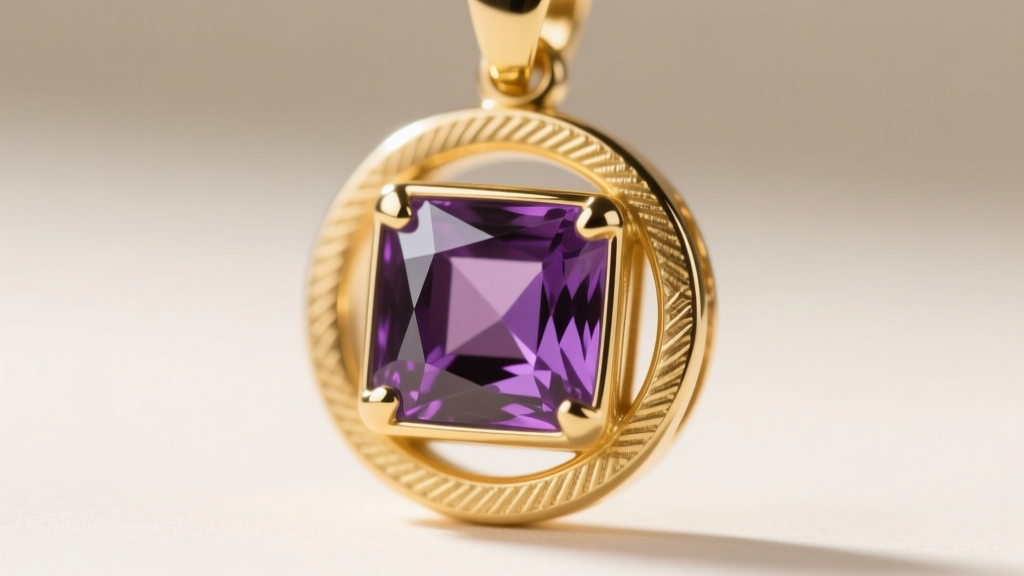
Avoid pendants that use prong settings for the Hoshen grid. The twelve stones possess vastly different Mohs hardness ratings. Lapis Lazuli and Turquoise are relatively soft (5.0 - 6.0), while Emerald and Aquamarine are much harder. Prongs are highly likely to snag on clothing, bend, and eventually release the softer stones. A full bezel setting—where a smooth rim of metal completely encircles the girdle of each stone—protects the vulnerable edges of the gems and ensures they remain secure against daily impacts. Additionally, ensure the jeweler uses a cold-setting or friction-fit technique for heat-sensitive stones like Turquoise and Amber, as traditional soldering heat can fracture or discolor these organic and porous materials.
Chain Selection and Proportional Mechanics
A genuine, solid-metal Hoshen pendant with twelve natural stones is inherently heavy, often weighing between 15 and 25 grams. Suspending this weight requires a chain with high tensile strength. Delicate chains like cable or rope chains under 1.5mm will snap under the dynamic stress of daily movement.
- Box Chains (2.0mm - 3.0mm): The interlocking square links distribute weight evenly and resist kinking, making them the premier choice for heavy pendants.
- Wheat Chains (2.5mm+): Woven oval links offer excellent flexibility and a beautiful texture that complements the intricate grid of the pendant.
- Clasp Mechanics: Never accept a spring-ring clasp for a Hoshen necklace. The internal spring mechanism is a known failure point for heavy loads. Insist on a lobster clasp or a box clasp with a safety figure-eight catch.
Regarding length, an 18-inch chain will cause a heavy pendant to rest high on the chest, which can feel restrictive and cause the pendant to flip. A 20-inch or 22-inch chain allows the Hoshen to rest flat against the sternum, providing better weight distribution and visual prominence.
Pricing Tiers and Sourcing Red Flags
Understanding the fair market value of a hoshen necklace prevents you from overpaying for simulants or underpaying for suspiciously cheap metals. As outlined in historical texts like Exodus 28 on BibleGateway, the breastplate was an item of immense material wealth, and modern authentic replicas reflect significant craftsmanship costs.
- Tier 1: Sterling Silver with Semi-Precious Stones ($250 - $600)
Expect 925 silver, genuine but lower-grade stones (e.g., dyed agates, standard lapis), and cast settings. Ensure the weight exceeds 12 grams. - Tier 2: 14K Gold with Natural Gemstones ($1,800 - $3,500)
The sweet spot for heirloom quality. Includes solid 14K gold, natural untreated carnelian, peridot, and amethyst, with hand-finished bezel settings. - Tier 3: Custom 18K Gold with Premium Gems ($5,000 - $12,000+)
Bespoke pieces featuring premium, ethically sourced stones (e.g., Colombian emeralds, high-grade Persian turquoise) and heavy 18K gold construction.
Red Flag: If a gold Hoshen necklace is priced under $800, it is almost certainly gold-plated over brass or copper, or the 'stones' are made of colored glass or cubic zirconia.
Care and Maintenance for Mixed-Gemstone Jewelry
Caring for a Hoshen necklace requires specialized attention due to the mixture of porous and non-porous stones. Never place a Hoshen pendant in an ultrasonic cleaner. The high-frequency vibrations will shatter heavily included Emeralds and fracture internal structures in Opals or Amber. Furthermore, chemical cleaning solutions will strip the natural oils from Turquoise and Lapis Lazuli, causing them to turn dull and gray.
To clean your necklace, use a soft, lint-free microfiber cloth to gently wipe the metal and stones. For the gold or silver framework, a mild solution of warm water and a few drops of phosphate-free dish soap applied with a soft baby toothbrush will remove skin oils and environmental dust. Dry thoroughly with a soft cloth before storing it flat in a velvet-lined box to prevent the chain from tangling and putting lateral stress on the stone bezels.


