How to Style Candy Pendant Necklaces for Every Look
Master the art of styling candy pendant necklaces. Learn step-by-step layering techniques, material care, and neckline pairings for a chic, playful look.

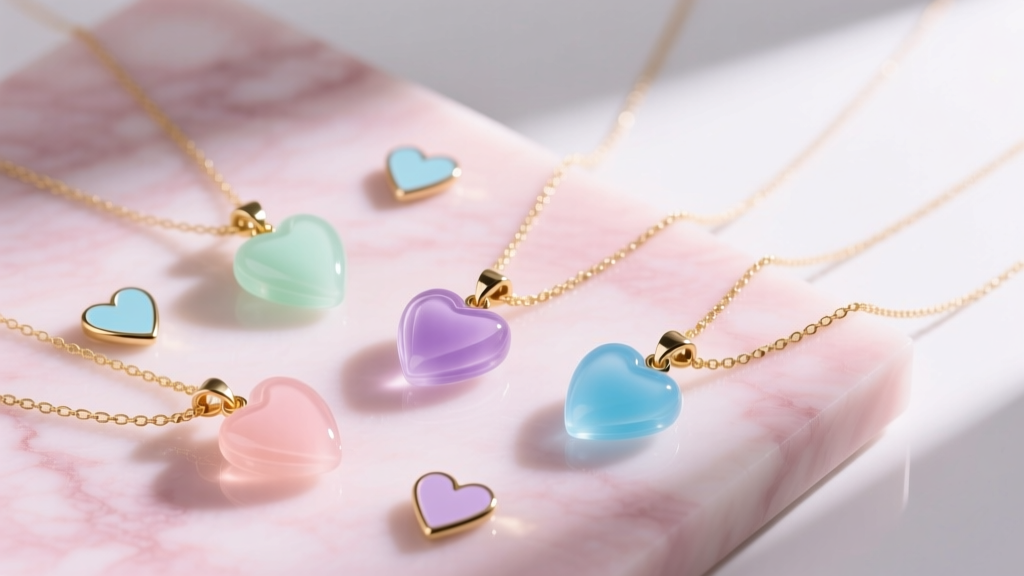
The Anatomy of a Candy Pendant Necklace
The whimsical allure of candy pendant necklaces has evolved far beyond juvenile novelty jewelry. In 2026, high-end indie designers and legacy jewelry houses alike are reimagining playful motifs—gummy bears, pastel hearts, fruit slices, and hard candy drops—using premium materials. To style these pieces effectively, you must first understand their construction. A true luxury candy pendant relies on either vitreous enamel (glass fused to metal at high temperatures) or UV-stabilized polyurethane resin. Cheaper alternatives use cold enamel (epoxy), which is prone to yellowing and chipping within months.
When curating your collection, look for pendants that incorporate genuine 'candy' gemstones. Watermelon tourmaline, morganite, pink sapphire, and vivid citrine offer that translucent, sugary aesthetic while providing the durability required for daily wear. According to the Gemological Institute of America (GIA), understanding the specific hardness and cleavage of these colorful gemstones is crucial for long-term maintenance, especially when they are cut into delicate, asymmetric cabochons to mimic actual candy.
Step 1: Selecting the Right Chain Gauge and Length
The most common mistake when styling candy pendant necklaces is pairing a heavy, playful pendant with an inadequate chain. The structural integrity of your necklace depends on the chain gauge and style. For lightweight resin or small enamel charms (under 5 grams), a 0.8mm to 1.0mm cable chain or box chain is ideal. These delicate chains provide a 'floating' illusion that enhances the playful nature of the pendant.
However, if your candy pendant features a solid glass core, a heavy vitreous enamel drop, or a large cluster of gemstones, you must upgrade your hardware. According to jewelry manufacturing standards outlined by Rio Grande, a 1.2mm to 1.5mm rope chain or a reinforced Figaro chain offers the necessary tensile strength to prevent snapping. Always ensure your clasp matches the chain's weight; a standard 5mm spring ring is sufficient for delicate chains, but heavier candy pendants require a 7mm or 9mm lobster clasp to prevent accidental unfastening.
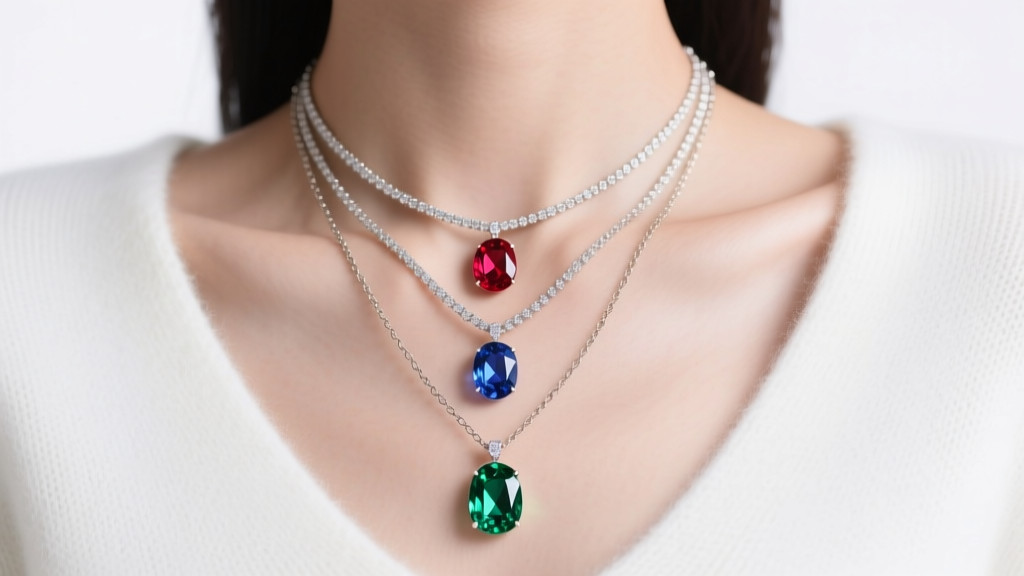
Step 2: Layering Without Looking Juvenile
Layering candy pendant necklaces requires a strategic approach to balance whimsy with sophistication. The goal is to create a curated, intentional stack rather than a cluttered, costume-like appearance. The golden rule of layering playful pendants is the 'Anchor and Accent' method. You need one grounding, minimalist piece to anchor the stack, allowing the candy pendants to serve as vibrant accents.
The 3-Point Layering Formula
To achieve a flawless stack, follow this precise length and texture progression. This prevents the pendants from tangling and ensures each piece is visible against your neckline.
| Layer Position | Chain Length | Chain Style & Gauge | Pendant Type & Material |
|---|---|---|---|
| Base (Choker) | 14-15 inches | 0.8mm Box Chain (14k Gold) | Minimalist gold bar or tiny enamel heart |
| Mid (Princess) | 18 inches | 1.0mm Cable Chain (Mixed Metal) | Translucent resin gummy or faceted morganite |
| Bottom (Matinee) | 22-24 inches | 1.2mm Rope Chain (Silver/White Gold) | Large vitreous enamel fruit or statement gemstone |
By mixing metals—such as pairing a yellow gold base chain with a white gold bottom chain—you elevate the candy pendants, making the stack look like a high-fashion editorial choice rather than a random assortment of trinkets. Ensure there is at least a 2-to-3-inch gap between each pendant's bail to prevent them from scratching one another during movement.
Step 3: Matching Necklines to Playful Pendants
The silhouette of your clothing dictates the drop length and visual weight of your candy pendant necklaces. A mismatch here can cause the pendant to get lost in fabric folds or clash awkwardly with the garment's seams.
- The Crewneck Sweater: Opt for an 18-inch princess length. The pendant should rest exactly one inch below the ribbed collar. A medium-sized, opaque enamel candy heart or a vibrant citrine drop provides a necessary pop of color against heavy winter knits.
- The Deep V-Neck: This neckline demands a 20-to-22-inch matinee chain. Choose a candy pendant with a vertical orientation, such as a resin icicle, a pear-cut pink sapphire, or an elongated enamel lollipop. The pendant should follow the V-shape, elongating the torso.
- The Button-Down Collar: For a preppy, sophisticated look, wear a delicate 16-inch choker-length candy pendant inside the collar, resting just above the top button. A tiny, translucent resin cherry or a 4mm watermelon tourmaline bezel-set charm adds a subtle, insider wink to corporate or smart-casual attire.
- The Scoop Neck: Layering is essential here. Use the 3-point formula mentioned above, ensuring the shortest chain hugs the collarbone while the longest pendant rests in the negative space of the scoop.
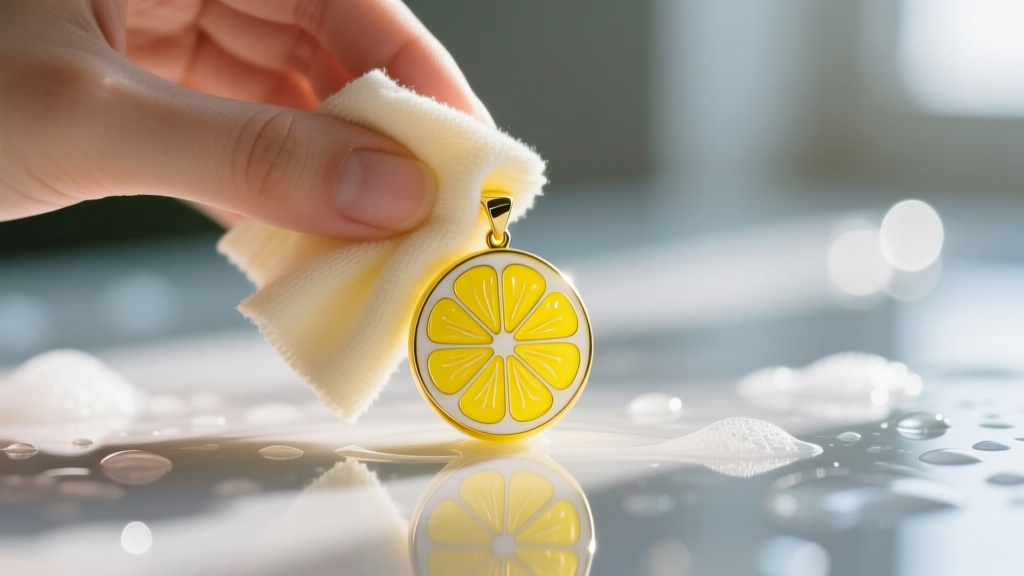
Step 4: Caring for Resin and Enamel 'Candy' Materials
Maintaining the vibrant, sugary finish of candy pendant necklaces requires specialized care. The materials that give these pendants their 'candy' appearance are highly susceptible to specific environmental and chemical damage.
Resin vs. Enamel Care Protocols
If your pendant is made of UV-stabilized resin, you must protect it from prolonged direct sunlight and harsh chemicals. While UV stabilizers delay yellowing, they do not make the resin immune to it. Never wear resin candy pendants while applying sunscreen, hairspray, or perfume, as the alcohol and oils can cloud the translucent finish, turning a vibrant 'gummy' charm into a dull, milky mess. Clean resin exclusively with a damp, lint-free microfiber cloth.
Vitreous enamel, being essentially glass, is more resistant to chemicals but highly vulnerable to impact. A dropped enamel pendant will chip or shatter. Crucial Warning: Never place enamel or resin candy pendants in an ultrasonic jewelry cleaner. The high-frequency vibrations can cause microscopic fractures in the enamel, leading to spiderweb cracking, and can completely degrade the structural integrity of resin settings. Instead, use a few drops of mild, phosphate-free dish soap in lukewarm water, gently agitate with a soft-bristled baby toothbrush, and pat dry immediately.
Expert Troubleshooting: Tangles and Clasp Failures
Because candy pendant necklaces often feature delicate, lightweight chains (0.8mm - 1.0mm), they are notorious for tangling, especially when layered. When a fine cable chain knots around the bail of a resin pendant, pulling it will only tighten the knot and risk snapping the links.
The Baby Powder Trick: Lay the tangled necklace flat on a dark surface. Sprinkle a small amount of talc-free baby powder or cornstarch directly onto the knot. The powder acts as a dry lubricant, reducing the friction between the microscopic metal links. Use two sewing needles to gently tease the knot apart from the center outward. Once untangled, wipe the chain with a soft cloth to remove the powder residue.
If your spring ring clasp feels stiff or fails to snap shut, do not force it. The internal spring mechanism is likely clogged with lotion or skin oils. Dip a cotton swab in a tiny amount of isopropyl alcohol and clean the seam of the clasp, then apply a microscopic drop of sewing machine oil to the hinge to restore its tension.
Final Thoughts on the Sweetest Jewelry Trend
Candy pendant necklaces are a testament to the fact that fine jewelry does not have to be overly serious to be valuable. By paying close attention to chain gauges, mastering the anchor-and-accent layering technique, and adhering to strict material-specific care protocols, you can integrate these playful pieces into your everyday wardrobe with effortless sophistication. Whether you are drawn to the nostalgic charm of a resin gummy bear or the luxurious sparkle of a faceted morganite drop, the key to pulling off this trend lies entirely in the precision of your styling.


