Hot Pink Beaded Necklace Anatomy: Beads, Wire & Clasp Mechanics
Explore the technical anatomy of a hot pink beaded necklace. Learn about bead materials, stringing wire gauges, clasp mechanics, and colorfastness.

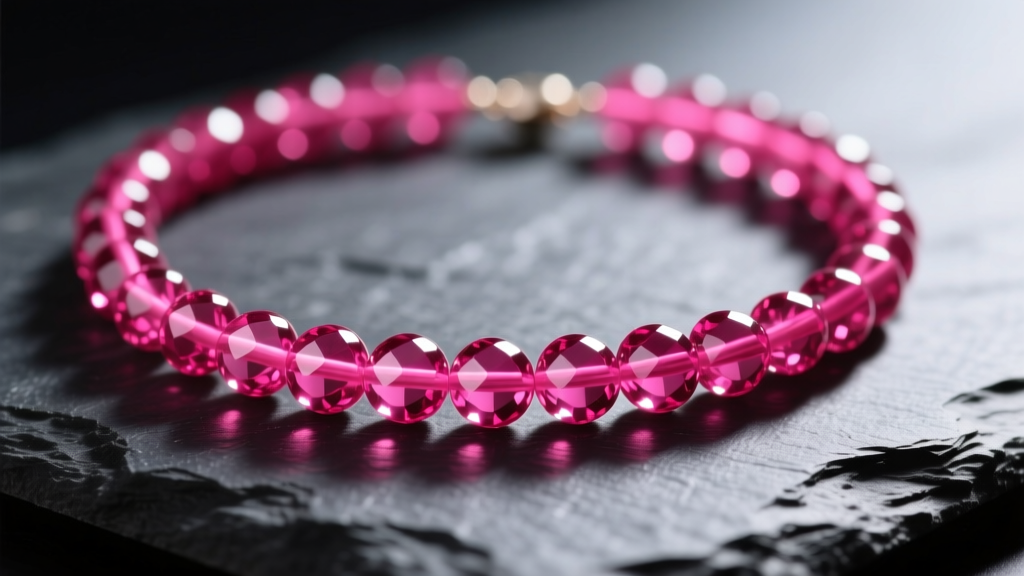
When evaluating a hot pink beaded necklace, most consumers focus solely on the saturation of the color and the immediate visual impact. However, from a gemological and jewelry engineering perspective, the longevity, drape, and structural integrity of the piece depend entirely on the material science of the beads and the tensile mechanics of the stringing medium. A vibrant magenta or fuchsia hue is rarely found in nature at high saturations, meaning the creation of a hot pink beaded necklace requires a deep understanding of lapidary treatments, polymer chemistry, and structural stringing techniques. This expert guide deconstructs the technical anatomy of hot pink beaded necklaces, providing actionable insights for designers, collectors, and advanced hobbyists.
The Material Science of Hot Pink Beads
Achieving a true "hot pink" colorway requires either utilizing inherently vibrant synthetic materials or applying complex dye treatments to natural stones. The three most common materials used in high-end and commercial hot pink beaded necklaces are dyed quartz, lampwork glass, and polymer clay. Each material presents unique challenges regarding Mohs hardness, UV resistance, and structural weight.
Dyed Quartz vs. Lampwork Glass vs. Polymer
Natural rhodochrosite offers a soft, banded pink, but it lacks the electric, solid hot pink saturation demanded by modern jewelry trends. To achieve this, lapidaries frequently use fracture-filled dyeing on milky quartz. The quartz is heated and quenched in cold water to create micro-fractures, then submerged in a hot pink aniline dye. While this yields a stunning color, the Gemological Institute of America (GIA) notes that dyed quartz is highly susceptible to UV degradation and chemical bleeding. Conversely, lampwork glass achieves its hot pink hue through the introduction of cadmium and selenium compounds during the melting process, resulting in a color that is completely UV-stable and chemically inert.
| Material | Mohs Hardness | UV Resistance | Avg. Price (16" Strand) | Dye Stability |
|---|---|---|---|---|
| Dyed Quartz | 7.0 | Poor (Fades) | $12 - $25 | Low (Bleeds) |
| Lampwork Glass | 5.5 | Excellent | $30 - $60 | N/A (Inherent) |
| Polymer Clay | 2.0 | Moderate | $8 - $15 | High |
| Rhodochrosite | 3.5 - 4.0 | Good | $80 - $150 | N/A (Natural) |
Stringing Mechanics: Wire vs. Thread
The drape and tensile strength of a hot pink beaded necklace are dictated by the stringing medium. While traditional silk thread offers a fluid drape, it is entirely unsuited for the sharp edges of faceted dyed quartz or the heavy specific gravity of large glass beads. The industry standard for modern beaded necklaces is nylon-coated stainless steel beading wire.
Strand Count and Diameter Selection
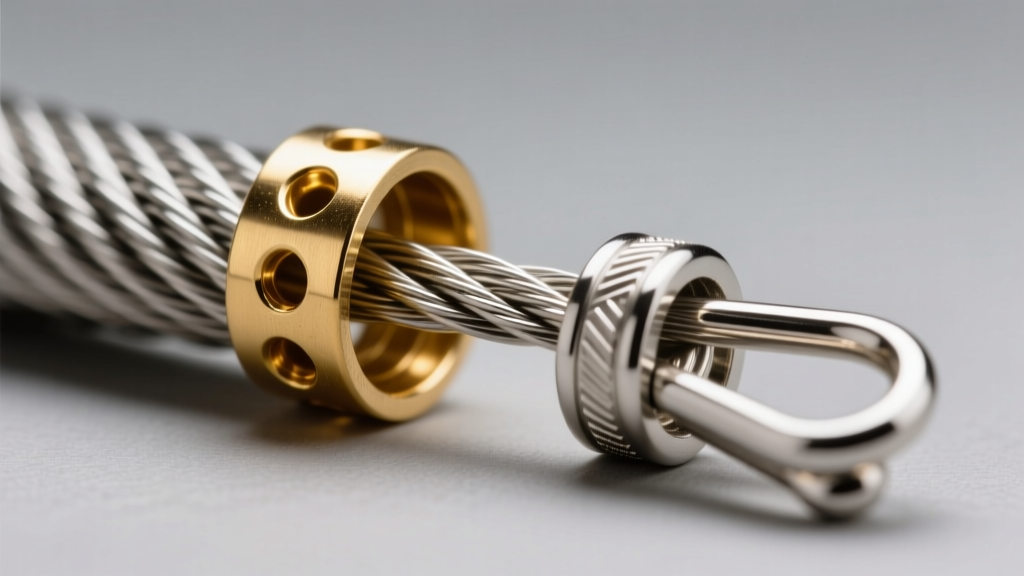
According to the engineering specifications outlined by Soft Flex Company, beading wire is categorized by strand count and diameter. For a standard 6mm to 8mm hot pink beaded necklace, a 49-strand, 0.018-inch diameter wire is optimal. The 49-strand construction provides a supple, thread-like drape while maintaining a tensile strength of approximately 20 pounds. Using a 7-strand wire in the same diameter will result in a stiff, rigid necklace that kinks easily and suffers from metal fatigue at the clasp connection point. For heavier, oversized lampwork glass beads (12mm+), designers must step up to a 0.024-inch diameter wire to prevent the wire from slicing through the bead holes under the necklace's own gravitational load.
Clasp Engineering and Crimp Bead Failures
The most frequent point of catastrophic failure in any beaded necklace is the crimp connection. A hot pink beaded necklace ruined by a snapped wire is almost always the result of improper crimp metallurgy or technique.
The Micro-Crimp and Wire Guardian Technique
Crimp tubes are typically manufactured from dead-soft sterling silver or gold-filled base metals. A common amateur mistake is using flat-nose pliers to simply crush the tube, which creates sharp, jagged edges that act as a guillotine against the nylon coating of the beading wire. Professional jewelers utilize a specialized crimping plier to create a dimple, followed by a fold, effectively locking the wire inside a rounded metal sheath. Furthermore, integrating a wire guardian (a horseshoe-shaped metal finding) at the clasp loop prevents the wire from abrading against the metal jump ring. Fire Mountain Gems emphasizes that using a 2x2mm crimp tube with 0.018-inch wire provides the exact volumetric fill necessary for a secure, cold-weld-like fold.
Colorfastness and UV Degradation Testing
Because hot pink is an aggressive, high-energy color wavelength, maintaining its vibrancy over time requires rigorous quality control. If you are sourcing dyed quartz or dyed howlite for a hot pink beaded necklace, you must perform an acetone test before stringing.
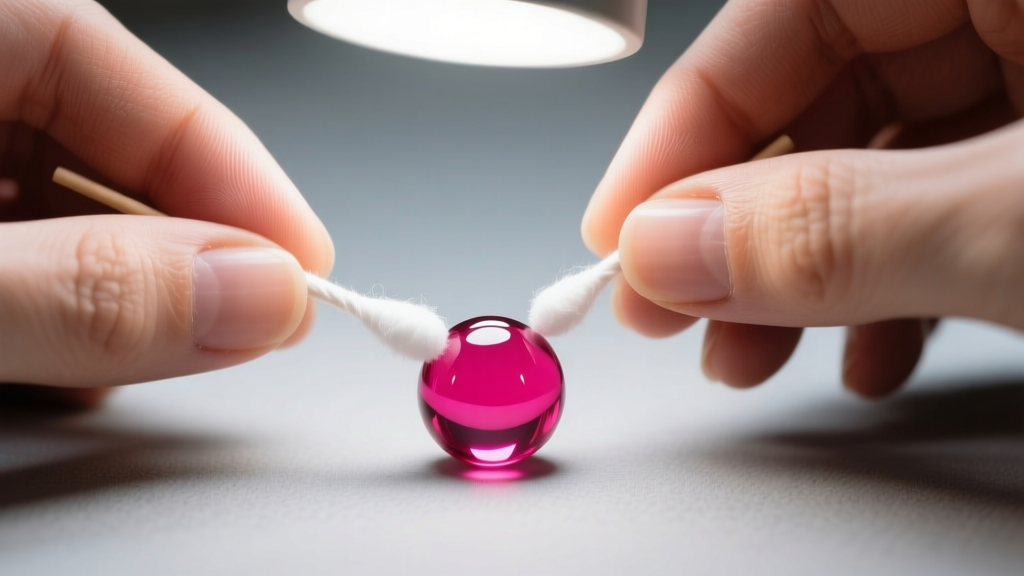
To execute this test, dampen a cotton swab with pure acetone and rub it vigorously against the surface of a single bead near the drill hole. If the swab picks up any magenta or pink residue, the dye is superficial and will inevitably bleed onto the wearer's skin when exposed to sweat or humidity. Additionally, prolonged exposure to direct sunlight (UV radiation) will break down the molecular bonds of aniline dyes, causing the hot pink to degrade into a washed-out, chalky peach color within a single season. For heirloom-quality pieces, always specify cadmium-selenium glass or natural pink tourmaline (rubellite), despite the higher material costs.
Proportional Sizing and Drape Physics
The final technical consideration is the physics of the drape relative to the bead size. A hot pink beaded necklace constructed with 10mm round beads will require a longer minimum circumference than one made with 4mm beads, simply due to the inner geometry of the circle. When a large bead bends around the curve of the human neck, the inner diameter of the necklace shrinks significantly. If a 16-inch choker is strung with 10mm beads, the effective inner wearing space may drop below 14.5 inches, causing the necklace to choke the wearer and place excessive lateral tension on the wire. Always calculate the bead-to-length ratio and add an extra 0.5 to 1 inch of length for every 4mm increase in bead diameter to ensure a comfortable, structurally sound drape.