How to Authenticate a Kramer Necklace Vintage Piece
Learn how to authenticate a Kramer necklace vintage piece with our step-by-step guide on hallmarks, rhinestones, and clasps for accurate dating.

The Legacy of Kramer of New York
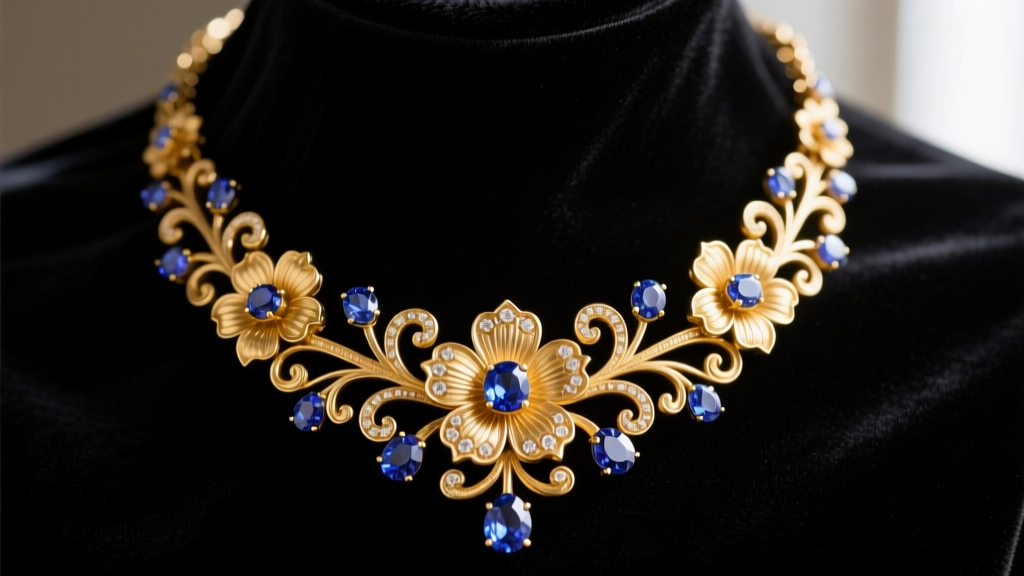
When navigating the secondary market for mid-century costume jewelry, few names carry the prestige and collectibility of Kramer. Founded in 1943 by Louis Kramer, the company quickly became a powerhouse in New York's jewelry district. Kramer was renowned for its meticulous metalwork, high-quality rhinestones, and intricate floral motifs. However, the brand's crowning achievement was its exclusive partnership in the 1950s to manufacture jewelry for Christian Dior. Today, as we move through 2026, the demand for authentic vintage Kramer pieces continues to surge, making it a prime target for counterfeiters and 'franken-pieces' (jewelry assembled from mismatched vintage parts). Whether you are bidding at an estate auction or browsing a flea market, knowing how to authenticate a Kramer necklace vintage piece is an essential skill for any serious collector.
Step 1: Decoding the Hallmarks and Signatures
The most critical step in authentication is locating and interpreting the maker's mark. Kramer was highly consistent with its hallmarks, and the specific stamp can help you date the necklace to a specific decade. Use a jeweler's loupe (10x magnification) to inspect the back of the pendant, the clasp, or the hang-tag. According to the archives at Collectors Weekly, the evolution of the Kramer stamp follows a distinct timeline.
| Hallmark Stamp | Estimated Era | Key Characteristics |
|---|---|---|
| Kramer | 1940s - Early 1950s | Usually stamped directly into the metal or on a small, simple rectangular cartouche. Often found on earlier, heavier base-metal pieces. |
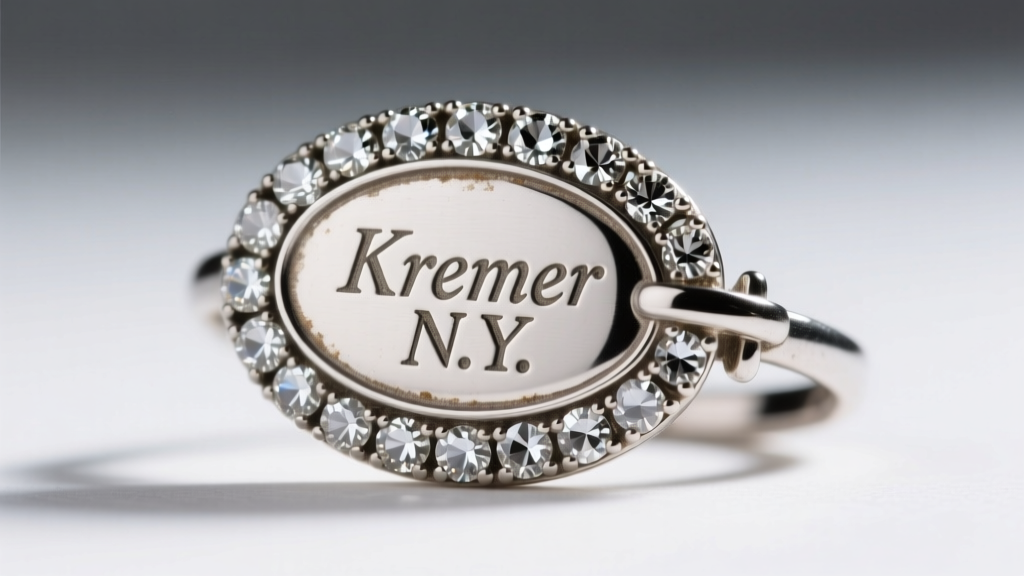
| Kramer N.Y. | 1950s - 1960s | Typically stamped on an oval cartouche. This is the most common mark found on their classic rhinestone floral and bib necklaces. |
| Kramer of New York | 1960s - 1970s | Often stamped on a rectangular or shield-shaped plaque. Pieces from this era sometimes feature more experimental, mod-inspired designs. |
| Dior by Kramer | 1950s | Highly coveted. Must be accompanied by high-end Swarovski stones and impeccable prong work. Beware of fakes laser-etched with this mark. |
Red Flag Warning: If the hallmark looks too crisp, deeply laser-etched, or perfectly uniform on a heavily worn piece of base metal, it may be a modern reproduction. Vintage stamped marks often show slight unevenness due to the manual striking process of the 1950s.
Step 2: Analyzing Materials and Rhinestone Cuts
Kramer never used cheap, glued-in acrylic stones for their primary lines; they relied on high-grade glass rhinestones, many sourced directly from Swarovski in Austria. To authenticate a Kramer necklace vintage find, you must examine the stones and their settings.
The Aurora Borealis (AB) Test
Swarovski introduced the Aurora Borealis (AB) iridescent coating in 1955. If you are examining a necklace featuring brilliant, rainbow-reflective AB stones, but the hallmark is a 1940s 'Kramer' stamp, you are likely looking at a franken-piece where a broken pendant was swapped onto an older chain. True AB Kramer pieces will almost always feature the 'Kramer N.Y.' or later marks.
Prong-Set vs. Glued Settings
Authentic mid-century Kramer necklaces predominantly feature prong-set stones. The metal prongs should be folded neatly over the girdle of the rhinestone. While Kramer did use some glued settings for tiny accent stones or pavé work in the late 1960s, the primary focal stones on a vintage bib or collar necklace should be prong-set. Furthermore, inspect the foil backing. Vintage Kramer pieces often used silver or gold foil behind the glass to enhance brilliance. If the foil is blackened or flaking, it is a sign of age and moisture damage, which paradoxically helps confirm its vintage authenticity over a pristine modern replica.
Step 3: Evaluating the Clasp and Chain Hardware
The hardware of a necklace is often overlooked by novices, but it is a goldmine for authentication. The type of clasp used on a Kramer necklace vintage piece must align with the manufacturing era of the hallmark.
- Barrel and Hook Clasps (1940s): Early Kramer pieces often utilized simple barrel clasps or basic hook-and-eye closures. The chains were typically heavier, with thicker, soldered links.
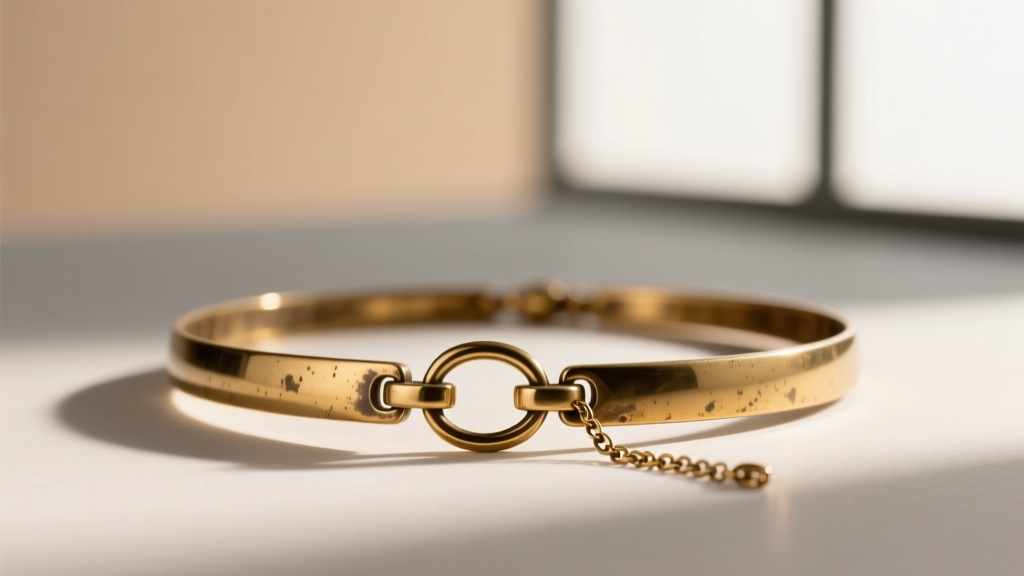
- Fold-Over Clasps with Safety Chains (1950s-1960s): This is the most common hardware on classic Kramer N.Y. pieces. Look for a brass or rhodium-plated fold-over clasp. Crucially, authentic pieces from this era almost always include a delicate, secondary safety chain (a tiny link chain connecting the two sides of the clasp) to prevent loss if the primary clasp fails.
- Lobster and Spring Ring Clasps (Late 1960s+): As manufacturing shifted, standard spring rings became more common. However, if you see a modern, lightweight aluminum lobster clasp on a piece claiming to be from the 1950s, it has either been replaced or the piece is a fake.
Step 4: Safe Cleaning and Restoration Techniques
Once you have authenticated your Kramer necklace, proper care is vital. Vintage costume jewelry is incredibly fragile, and improper cleaning can destroy its value in seconds. Never use commercial silver dips, ammonia, or ultrasonic cleaners. Ultrasonic vibrations will shatter the fragile foil backing behind the rhinestones and shake the vintage glue loose, causing stones to fall out.
The Dry-Brush Method
- Inspect the Settings: Before cleaning, use a wooden toothpick to gently test the prongs. If any stone is loose, do not clean the piece; take it to a professional jeweler who specializes in vintage costume jewelry.
- Dust Removal: Use a clean, dry, ultra-soft makeup brush to gently sweep away surface dust and skin oils from the crevices of the metalwork.
- Spot Cleaning: If the glass stones are cloudy, lightly dampen a cotton swab with distilled water and a microscopic drop of mild dish soap. Wipe only the top of the glass stone, avoiding the metal prongs and the underside of the setting entirely.
- Drying: Immediately dry the stone with a microfiber cloth. Use a hairdryer on the 'cool' setting to blow out any trapped moisture from behind the settings.
Step 5: Valuation and Market Pricing in 2026
The vintage jewelry market has seen significant shifts over the last few years, with mid-century costume pieces appreciating as wearable art. According to market data from Ruby Lane and recent auction results, the value of a Kramer necklace vintage piece depends heavily on the design complexity, the presence of the Dior mark, and the condition of the rhodium plating.
Expert Appraisal Tip: Condition is paramount. A Kramer floral bib necklace with missing stones or severe rhodium loss (showing the yellow brass base metal underneath) will lose up to 70% of its market value. Collectors in 2026 are willing to pay a premium for 'mint' condition pieces with original, unpolished patinas.
Current Market Value Ranges
- Simple Pendants & Chokers (1960s): $45 - $120. These are highly wearable but mass-produced, keeping the price accessible.
- Floral & Leaf Bib Necklaces (1950s): $180 - $450. The bread-and-butter of Kramer collecting. Pieces with rare stone colors (like deep amethyst or sapphire blue) command the higher end of this spectrum.
- Christian Dior by Kramer Collars: $800 - $3,500+. These are museum-quality investment pieces. A pristine, multi-strand Dior by Kramer necklace with aurora borealis stones can easily exceed $3,000 at specialized vintage jewelry auctions.
By meticulously examining the hallmarks, understanding the timeline of Swarovski stone integration, and respecting the original hardware, you can confidently authenticate and preserve these stunning mid-century masterpieces for decades to come.


