How Do You Know If A Silver Necklace Is Real? Style & Auth Guide
Discover how do you know if a silver necklace is real with our expert authentication guide. Learn hallmark decoding, physical tests, and 2026 styling tips.

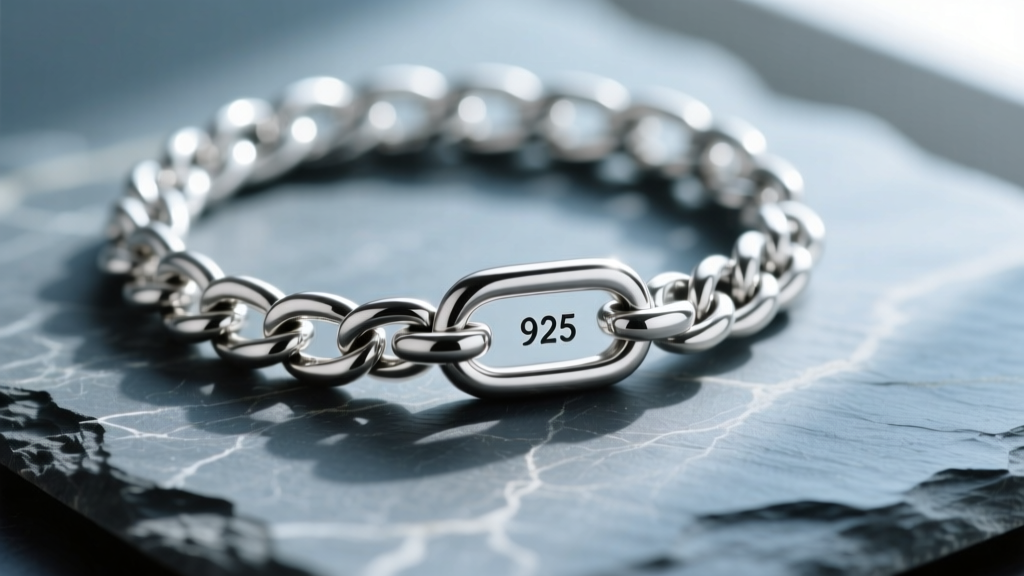
The resurgence of heavy, architectural silver jewelry has completely dominated the 2026 style landscape. From oversized Cuban links to intricate, oxidized pendant layering, silver is no longer just a secondary metal—it is the focal point of modern sartorial expression. However, this massive spike in demand has triggered a flood of counterfeit, silver-plated, and 'Tibetan silver' alternatives in the fast-fashion market. For collectors and style enthusiasts alike, the pressing question remains: how do you know if a silver necklace is real? Authenticating your pieces is no longer just about protecting your wallet; it is about ensuring the longevity, skin-safety, and investment value of your curated wardrobe.
The 2026 Silver Trend Landscape: Why Authenticity Matters Now
This year, the fashion industry has seen a definitive pivot toward 'heritage metals.' Designers are favoring the cool, moody undertones of sterling silver over yellow gold, particularly in streetwear and avant-garde high fashion. But as the trend accelerates, so does the sophistication of counterfeit manufacturing. Modern electroplating techniques can deposit a microscopic layer of pure silver over a brass or copper core, mimicking the exact color and initial luster of solid sterling.
Wearing a plated necklace that eventually flakes off to reveal a nickel or brass base isn't just a stylistic failure; it can cause severe contact dermatitis. According to the Federal Trade Commission (FTC) Jewelry Guides, it is illegal to stamp a piece with a silver quality mark unless it meets specific purity thresholds. Yet, unregulated overseas marketplaces routinely bypass these rules, making personal authentication an essential skill for the modern jewelry buyer.
Decoding Hallmarks: The First Line of Defense
The most immediate way to verify authenticity is by examining the hallmark. A genuine silver necklace will almost always bear a microscopic stamp, usually located on the back of the clasp, the jump ring, or the inner band of a pendant bail. You will need a jeweler's loupe (10x to 30x magnification) to read these accurately.
| Hallmark | Purity | Meaning & Common Uses |
|---|---|---|
| .999 / Fine | 99.9% | Pure silver. Too soft for durable chains; mostly used in cast pendants or investment bullion jewelry. |
| 925 / Sterling | 92.5% | The global standard for durable, high-quality silver necklaces. Alloyed with 7.5% copper for tensile strength. |
| .958 / Britannia | 95.8% | A British standard. Softer than sterling, prized for intricate, high-end artisan silversmithing. |
| .900 / Coin | 90.0% | Historically used in US coinage. Frequently found in vintage or repurposed coin pendant necklaces. |
| EPNS / SP | N/A | Electroplated Nickel Silver / Silver Plated. Contains zero intrinsic silver value; purely a surface coating. |
While a '925' stamp is a strong indicator, counterfeiters frequently stamp base-metal chains with fake hallmarks. Therefore, a stamp must always be corroborated with physical testing. For a deeper dive into metal purities, the Gemological Institute of America (GIA) provides extensive educational resources on precious metal grading and global assay standards.
Sensory & Physical Tests for the Style Savvy
When shopping vintage or sourcing from independent artisans, you may not have access to a laboratory. Fortunately, silver possesses unique physical properties that allow for highly accurate at-home authentication.
The Neodymium Magnet Test
Silver is paramagnetic, meaning it exhibits virtually zero magnetic attraction. To perform this test, you cannot use a standard refrigerator magnet; you must use a heavy-duty N52-grade neodymium magnet. Hold the magnet near the chain links and the clasp. If the necklace snaps to the magnet or shows any noticeable drag, the core is likely steel, iron, or a highly magnetic nickel alloy. Note: The internal spring mechanism inside a lobster clasp is usually made of steel and will attract a magnet, so test the chain links and the outer clasp body only.
The Thermal Conductivity (Ice) Test
Silver has the highest thermal conductivity of any common metal. If you place a small ice cube on a thick silver pendant or a heavy chain link, the ice should begin melting almost instantaneously, far faster than it would on a piece of stainless steel or brass. The silver will also become painfully cold to the touch within seconds as it rapidly pulls heat from your skin to melt the ice.
The Olfactory (Smell) Test
Pure silver and sterling silver are entirely odorless. Rub the necklace vigorously between your palms to generate friction and heat, then smell it. If you detect a sharp, metallic, or 'penny-like' odor, you are smelling the copper, brass, or zinc base metal beneath a thin silver plating. Authentic silver will smell like nothing at all.

Advanced Authentication: When Trends Meet Science
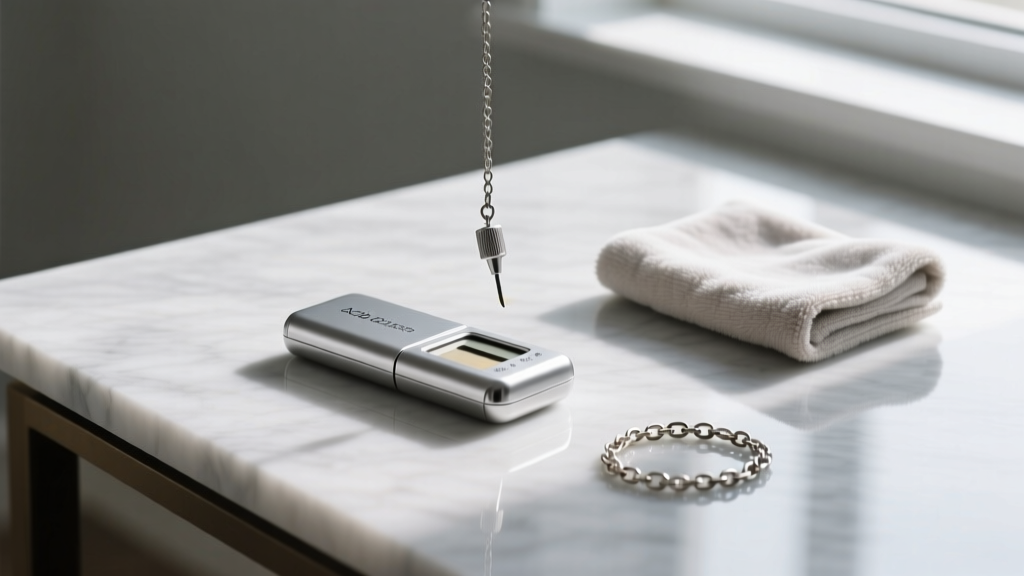
For high-value pieces, heavy investment chains (which can easily exceed $1,500 based on current silver spot prices and artisan craftsmanship), sensory tests are not enough. You need chemical or spectrographic verification.
- Schwerter's Solution (Acid Testing): This involves filing a tiny, hidden notch into the metal and applying a drop of silver testing acid. Bright blood red indicates .999 fine silver; dark red indicates .925 sterling; brown indicates .800 silver; and green indicates a base metal. This is a destructive test and should only be done on the inside of a clasp or a hidden jump ring.
- XRF (X-Ray Fluorescence) Analysis: Non-destructive and highly accurate, XRF scanners shoot X-rays into the metal and measure the fluorescent rebound to determine exact elemental composition. Most reputable pawn shops, high-end jewelers, and official assay offices have desktop XRF machines and will often scan a piece for free or a nominal fee.
Styling Authentic Silver: Embracing Patina and Tarnish
One of the most common misconceptions among novice buyers is that tarnish indicates fake silver. In reality, genuine sterling silver reacts with hydrogen sulfide in the air to form silver sulfide—a dark, blackish layer known as tarnish. Fast-fashion plated jewelry, conversely, doesn't tarnish; it simply flakes, chips, and reveals the brassy underlayer.
"In 2026, we are moving away from the hyper-polished, sterile look of the early 2020s. The current styling ethos embraces the 'lived-in' aesthetic. Authentic oxidized silver, where the tarnish is intentionally left in the crevices of a cast pendant to highlight the relief work, is highly sought after. Knowing your piece is real silver allows you to confidently experiment with liver of sulfur to artificially induce this gorgeous, moody patina."
— Elena Rostova, Lead Metals Stylist at Jewel Style Radar
When styling real silver, lean into its natural aging process. A heavy, authentic 925 sterling silver rope chain will develop a unique patina based on your body chemistry and environment. To maintain the structural integrity of your authentic pieces, avoid harsh chemical dips that strip the metal. Instead, use a mild dish soap, warm water, and a soft-bristled toothbrush for routine cleaning, reserving specialized silver polishing cloths (impregnated with micro-abrasives) only for the high-relief areas you want to keep bright.
Final Verdict: Invest in the Real Metal
Understanding how do you know if a silver necklace is real empowers you to navigate the secondary market, vintage archives, and contemporary artisan drops with absolute confidence. By combining hallmark inspection, physical property tests, and an understanding of modern styling trends, you ensure that your jewelry box is filled only with genuine, enduring metals that will outlast the fleeting trends of the season. Authentic silver is an heirloom in the making—treat it, test it, and style it accordingly.


