How to Choose and Customize a Golden Retriever Necklace
Learn how to choose, customize, and style a golden retriever necklace. Explore metal grades, chain types, and engraving tips for dog lovers.

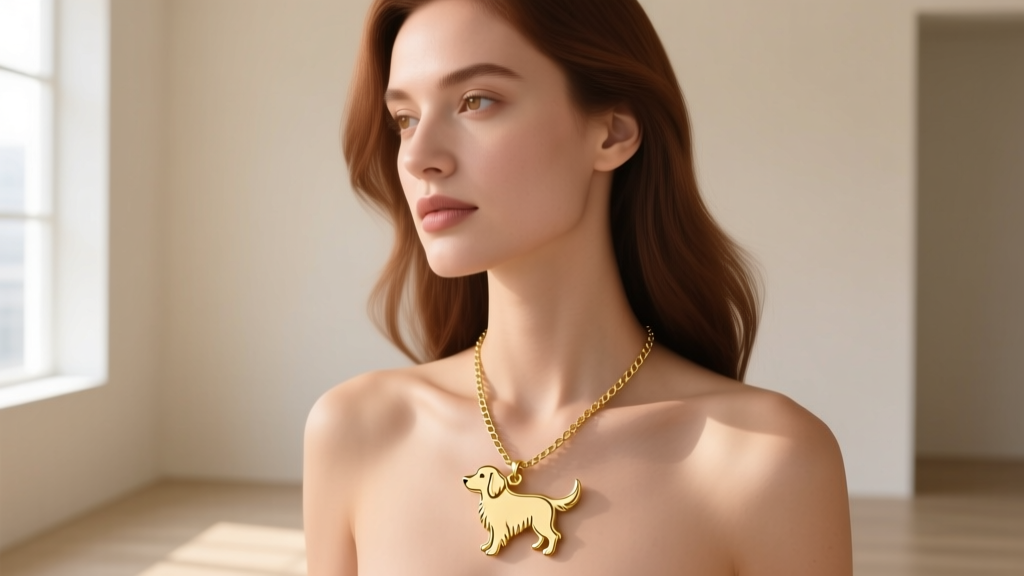
The Ultimate Guide to Golden Retriever Jewelry
For dog lovers, a golden retriever necklace is more than just a fashion accessory; it is a wearable tribute to a loyal companion. Whether you are memorializing a beloved pet who has passed or celebrating the playful spirit of your current furry friend, selecting the right piece requires a balance of emotional significance and jewelry-making expertise. The market is flooded with cheap, mass-produced charms that tarnish quickly and lack anatomical accuracy. To invest in a piece that truly captures the majestic essence of the breed, you must understand metal grades, chain mechanics, and customization techniques. This step-by-step guide will walk you through the exact process of choosing, customizing, and styling a high-quality golden retriever pendant that will last a lifetime.
Step 1: Selecting the Right Metal Grade
The foundation of any enduring necklace is its metal composition. Golden retrievers are known for their lustrous coats, which translates beautifully into warm metals like yellow and rose gold, though crisp sterling silver offers a striking contrast. When shopping, ignore vague terms like "gold-plated" and look for specific industry standards. According to the Jewelers of America, understanding the difference between solid gold, vermeil, and sterling silver is critical for avoiding skin irritation and premature wear.
| Metal Type | Composition & Standards | Durability & Tarnish | Price Range (Pendant Only) |
|---|---|---|---|
| Sterling Silver (925) | 92.5% pure silver, 7.5% copper | Moderate; requires polishing to prevent oxidation | $45 - $120 |
| Gold Vermeil | Minimum 2.5 microns of 10k+ gold over 925 silver | High; lasts years with proper care, won't turn skin green | $85 - $180 |
| Solid 14k Gold | 58.3% pure gold alloyed with zinc/copper | Exceptional; heirloom quality, waterproof, hypoallergenic | $350 - $800+ |
| Solid 18k Gold | 75% pure gold | High; richer color but slightly softer, prone to scratching | $600 - $1,500+ |
Expert Tip: If you opt for gold vermeil, ensure the product description explicitly states a thickness of at least 2.5 microns. Anything less is standard gold plating, which will rub off against your collarbones within months of daily wear.
Step 2: Choosing the Pendant Silhouette and Dimensions
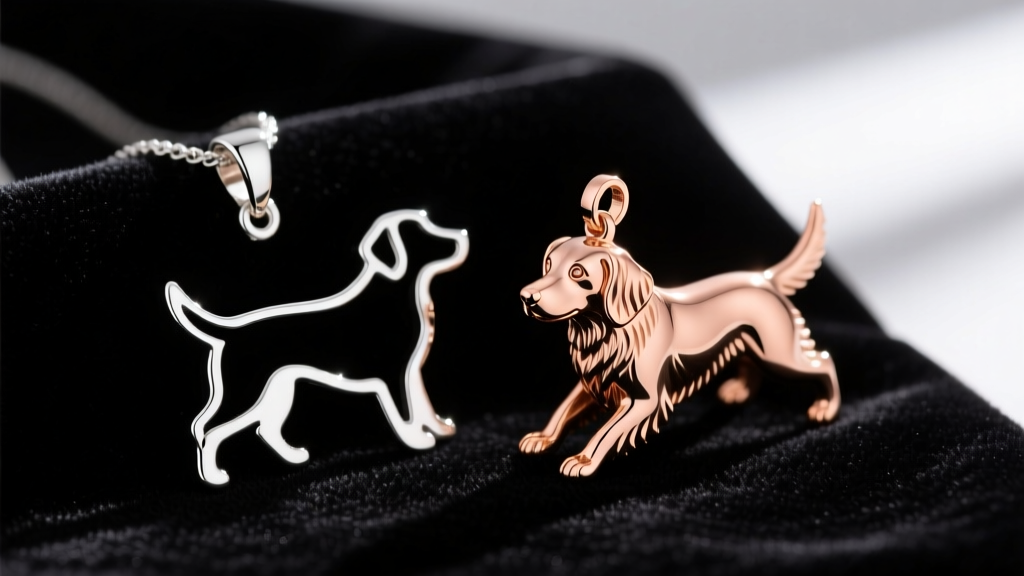
Golden retrievers have distinct anatomical features: a broad skull, dropped ears, and a thick, feathered tail. A poorly designed pendant will look like a generic dog. You must choose a silhouette that accurately reflects the breed's profile. There are three primary design styles to consider:
- The Outline/Silhouette: A 2D cutout of the dog in a sitting or standing position. This is the most popular and versatile style. Look for a pendant measuring between 15mm and 22mm in height. Anything larger risks looking like a heavy medallion rather than a refined necklace.
- The 3D Cast: A miniature, fully sculpted figure. This requires high-level lost-wax casting. Ensure the snout and tail are reinforced, as thin protruding parts on 3D casts are prone to snapping if caught on clothing.
- The Portrait Medallion: A circular or oval disc featuring an engraved or enameled face of a retriever. This style works best for custom, photo-realistic laser engravings.
Step 3: Advanced Customization Techniques
To elevate your golden retriever necklace from a simple accessory to a deeply personal heirloom, consider these professional customization methods.
Nose Print Casting and Enameling
Just as human fingerprints are unique, a dog's nose print is entirely distinct. High-end jewelers can take an impression of your retriever's nose using dental-grade alginate or pet-safe inkless wipes. This impression is then cast into the metal pendant or filled with black vitreous enamel. This creates a subtle, tactile memorial that is deeply personal without being overtly loud.
Laser Engraving and Hidden Messages
If you choose a flat medallion or the back of a solid cast pendant, laser engraving is the superior choice over traditional hand engraving. Lasers can achieve a depth of 0.05mm, allowing for micro-text. You can engrave your dog's name, their paw print, or even the GPS coordinates of your favorite walking trail. For a hidden touch, request a "secret" engraving on the bail (the loop that connects the pendant to the chain) where only you know it exists.
Step 4: Pairing with the Correct Chain Style and Gauge
A common mistake is pairing a heavy pendant with a weak chain, or a delicate pendant with a thick, distracting rope. The Gemological Institute of America (GIA) notes that chain integrity is paramount for preventing the loss of precious metal jewelry. Match your chain to the weight and aesthetic of your retriever pendant.
- Box Chains (0.9mm - 1.2mm): The ideal choice for 2D silhouettes. The geometric links reflect light beautifully and are incredibly strong. A 1.0mm box chain can easily support a 5-gram solid gold pendant without stretching.
- Cable Chains (1.0mm - 1.5mm): A classic, timeless option that works well with 3D cast charms. Ensure the links are soldered (closed with heat) rather than just pinched shut, preventing the chain from pulling apart.
- Chains to Avoid: Snake chains and herringbone chains are prone to kinking and snapping. Additionally, avoid rope chains if you are frequently handling your actual golden retriever, as the twisted grooves easily catch and trap shedding dog hair.
Step 5: Styling and Layering Framework
Styling a breed-specific necklace requires a thoughtful approach to ensure it looks chic rather than juvenile. The key is to balance the sentimental nature of the piece with sophisticated wardrobe choices.
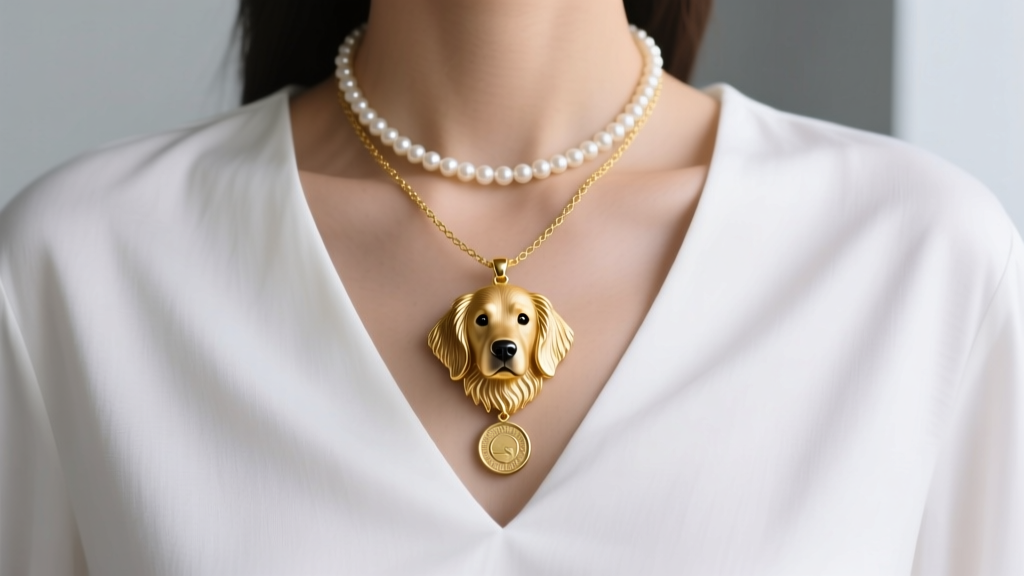
The Rule of Three for Layering
If you wish to layer your golden retriever necklace, adhere to the "Rule of Three" to create visual depth without tangling. 1. Base Layer (14-16 inches): A simple, minimalist choker, such as a delicate pearl strand or a thin gold herringbone. 2. Focal Layer (18 inches): Your golden retriever pendant on a 1.0mm box chain. This should sit right at the collarbone. 3. Anchor Layer (22-24 inches): A heavier, abstract piece, like a solid gold coin pendant or a simple bar necklace, to draw the eye downward and elongate the neck.
Neckline Matching
For V-neck and scoop-neck tops, an 18-inch princess length is perfect, allowing the retriever silhouette to rest in the negative space. For crew necks and turtlenecks, opt for a longer 22-inch matinee chain worn over the fabric, ensuring the pendant is large enough (at least 20mm) to be visible against the textile.
Long-Term Care and Maintenance
Daily wear exposes your necklace to lotions, perfumes, and natural skin oils, which can dull the finish. To maintain the luster of your golden retriever necklace, remove it before swimming in chlorinated pools or applying heavy body creams. For sterling silver pieces, store the necklace in an anti-tarnish cloth pouch with a silica gel packet to absorb ambient moisture. Clean solid gold and vermeil pieces monthly using a few drops of mild, phosphate-free dish soap in lukewarm water, gently brushing the crevices of the retriever's fur texture with a baby-soft toothbrush. Rinse thoroughly and pat dry with a microfiber cloth. By following these precise material and styling guidelines, your custom necklace will remain a beautiful, enduring tribute to your golden companion for decades to come.


