How to Choose, Wear, and Maintain a Necklace Knife Safely
Learn how to select, wear, and maintain a necklace knife safely. Discover the best blade steels, chain gauges, and Kydex sheaths for everyday carry.

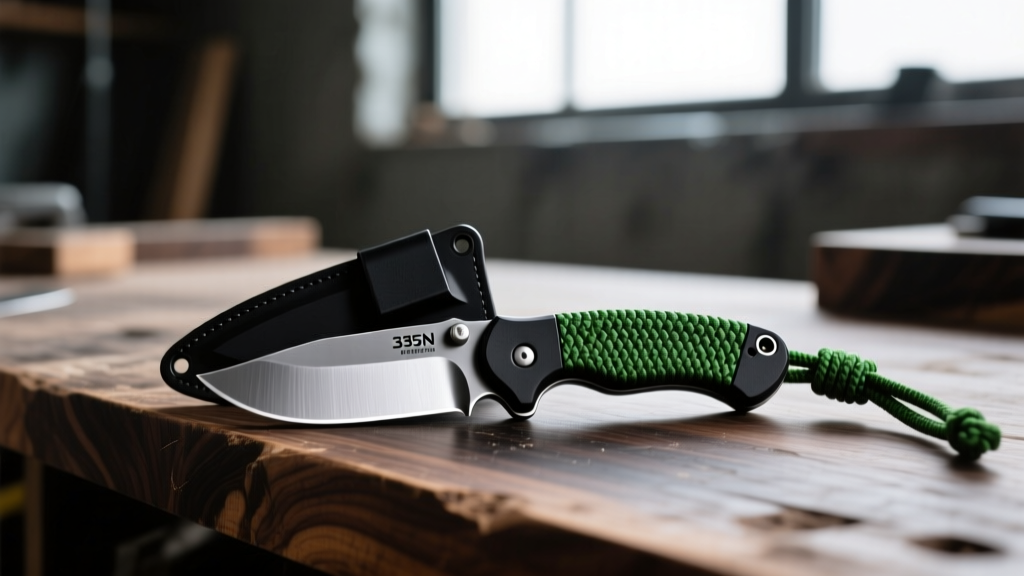
The Ultimate Guide to Choosing and Wearing a Necklace Knife
A necklace knife (often referred to as a neck knife) is a compact, fixed-blade tool designed for discreet everyday carry (EDC). Suspended from a lanyard or chain, it rests against the chest for rapid, one-handed deployment. While popular among survivalists, tradespeople, and EDC enthusiasts, selecting the right necklace knife requires a careful balance of metallurgy, suspension safety, and sheath retention mechanics. In 2026, advancements in nitrogen-based steels and magnetic breakaway clasps have revolutionized how we carry these tools. This step-by-step guide will walk you through the exact specifications needed to choose, wear, and maintain a neck knife safely and effectively.
Step 1: Selecting the Right Blade Steel and Geometry
The blade is the heart of any necklace knife. Because neck knives are typically smaller (with blade lengths ranging from 1.5 to 2.5 inches to comply with most local concealed carry laws), edge retention and corrosion resistance are paramount. You cannot rely on sheer mass for cutting power; the steel must hold a razor edge through abrasive materials. According to the metallurgical data compiled by Knife Steel Nerds, the carbide structure of your chosen steel dictates its performance.
Blade Steel Comparison Chart
| Steel Grade | Carbon Content | Corrosion Resistance | Best Application |
|---|---|---|---|
| S35VN | 1.4% | High | General EDC, balanced toughness and edge retention |
| D2 Tool Steel | 1.5% | Medium | Heavy cutting, high abrasion resistance (requires oiling) |
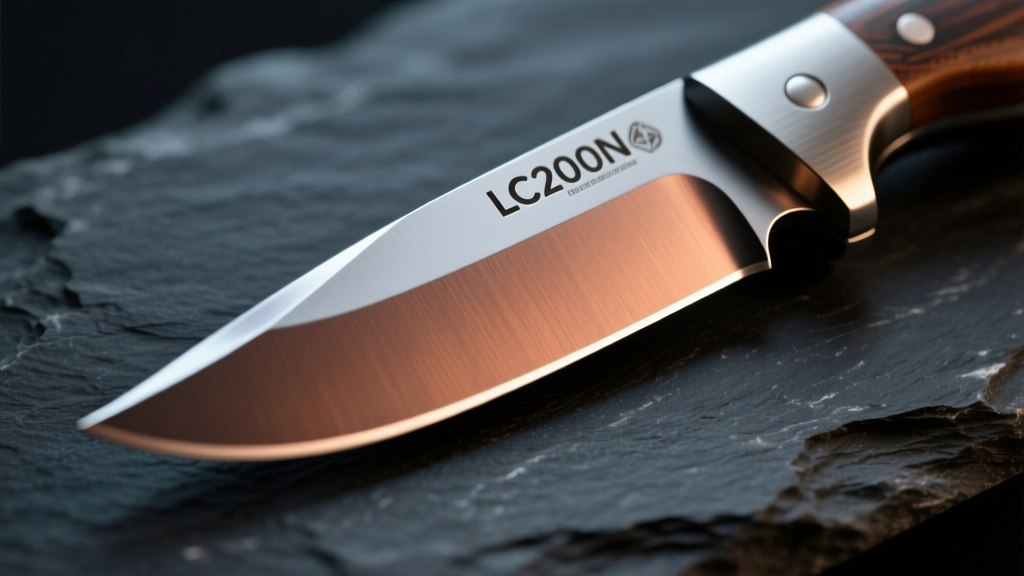
| LC200N | 0.03% | Extreme | Marine environments, saltwater, and high-humidity climates |
| 6Al-4V Titanium | 0% | Absolute | TSA-compliant travel, non-ferrous utility tasks |
For most users, S35VN offers the perfect middle ground. However, if you live in a coastal area or work in a marine environment, upgrading to LC200N is highly recommended. LC200N replaces carbon with nitrogen in its austenitic microstructure, making it virtually immune to rust, even when exposed to saltwater and sweat.
Step 2: Choosing a Safe and Durable Suspension System
The suspension system is the most critical safety component of a necklace knife. A poorly chosen cord can lead to severe injury if the knife snags on machinery, branches, or during a physical altercation. You must prioritize tensile strength and fail-safe mechanisms.
Suspension Materials Breakdown
- 550 Paracord (4mm): Rated for 550 lbs of static weight. While incredibly durable, standard paracord is a severe strangulation hazard. If you use paracord, you must integrate a breakaway clasp.
- Stainless Steel Ball Chain (3mm / 3/32-inch gauge): The traditional choice for dog tags and neck knives. A standard 3mm steel ball chain will naturally snap under roughly 35 to 45 lbs of dynamic force, acting as an inherent mechanical fail-safe against hanging hazards.
- Titanium Cable (2mm): Offers a premium, lightweight aesthetic with high tensile strength, but requires a dedicated breakaway clasp to ensure safety.
The Breakaway Clasp Requirement
In 2026, the industry standard for paracord and titanium cable suspensions is the magnetic breakaway clasp (such as those made by Fidlock). These clasps hold firm under the weight of the knife but separate instantly when subjected to lateral or sudden downward force. Never wear a neck knife on a continuous loop of cord without a breakaway mechanism.
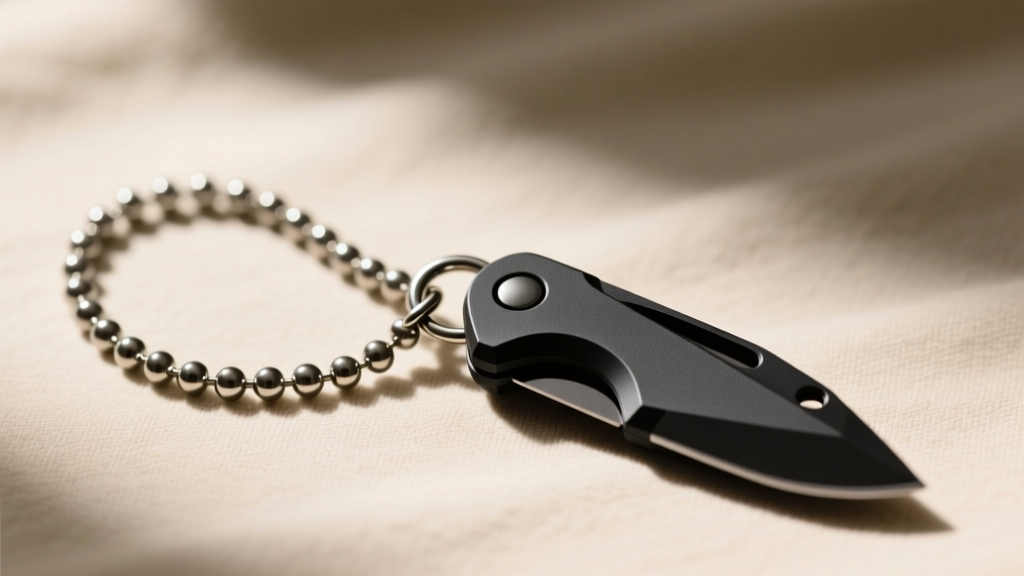
Step 3: Evaluating the Sheath (Kydex vs. Zytel)
A neck knife is only as good as its sheath. Because the knife hangs upside down and moves with your body, the sheath must provide adjustable retention to prevent the blade from sliding out inadvertently, while still allowing for a smooth, one-handed draw.
Thermoplastic Options
Kydex is an acrylic-PVC alloy sheet that is thermoformed at precisely 325°F to 350°F. It offers excellent retention and is completely impervious to moisture. High-end Kydex sheaths utilize Chicago screws paired with neoprene O-rings, allowing the user to dial in the exact draw tension. Zytel, a fiberglass-reinforced nylon, is injection-molded and offers a slightly more flexible, rattle-free alternative that performs exceptionally well in sub-zero temperatures where Kydex might become brittle.
Pro Tip: Test your sheath retention by securing the knife in the sheath, holding it upside down, and giving it a sharp downward jerk. The knife should remain seated. If it dislodges, tighten the retention screws or apply a heat gun to gently reshape the Kydex lip.
Step 4: Wearing and Drawing Techniques
How you wear your necklace knife dictates its utility. For concealed carry, wear the knife under your shirt, resting against your sternum. Use a thinner suspension like a 2.4mm ball chain to prevent printing (showing through the fabric). For open carry or outdoor use, wear it over your base layer but under your jacket to protect it from snags.
The Pinch-Grip Draw
Drawing a neck knife requires specific muscle memory. Do not grab the handle and pull blindly. Instead, use the pinch-grip method: 1. Bring your non-dominant hand up and pinch the base of the sheath firmly against your chest. 2. Grip the knife handle with your dominant hand. 3. Pull the handle straight down in a smooth, linear motion. This technique prevents the entire necklace from yanking upward and ensures a clean, safe deployment.
Step 5: Maintenance, Legalities, and Travel
Even high-end steels require basic maintenance. Wipe down your blade with a silicone cloth or apply a micro-layer of food-grade mineral oil after heavy use, especially if cutting acidic materials like fruit or synthetic ropes. Check the sheath retention screws monthly, as body movement can cause them to back out over time; applying a drop of blue Loctite to the threads will solve this permanently.
Navigating Legal and Travel Restrictions
While neck knives are small, they are still classified as fixed-blade knives in most jurisdictions. Always verify your local municipal laws regarding blade length limits (frequently capped at 2.5 inches for concealed carry). When traveling, strict adherence to aviation security protocols is mandatory. According to the TSA Prohibited Items List, knives of any kind, including small neck knives and non-ferrous titanium blades, are strictly prohibited in carry-on luggage. They must be securely sheathed and packed in checked baggage. For a comprehensive look at how different steels react to security scanners and environmental stressors, refer to the BladeHQ Steel Guide.
Conclusion
Choosing the right necklace knife is an exercise in practical engineering and personal safety. By prioritizing advanced steels like S35VN or LC200N, insisting on mechanical breakaway safeties, and mastering the pinch-grip draw, you transform a simple pendant into a highly reliable, everyday utility tool. Respect the blade, maintain your gear, and carry with confidence.


